5 Best Techniques for Soundproofing Your Home Theater
Transform your home theater into a soundproof haven by using acoustic panels for effective absorption, integrating solid core doors, and sealing gaps to block intrusive noise. Enhance sound isolation with decoupled surfaces like floating ceilings, and add extra layers of drywall or mass-loaded vinyl for effective damping. Prioritize key areas like windows, doors, and flooring with soundproof materials for a thorough approach. Continue exploring to elevate your audio experience with advanced soundproofing techniques.
Key Takeaways
- Install acoustic panels to reduce echo and improve sound clarity within the home theater.
- Use soundproof insulation like fiberglass in walls to minimize external noise interference.
- Select solid core doors with seals to prevent sound leakage into and out of the theater.
- Incorporate double-pane windows with airtight seals to block unwanted outside noise.
- Add carpets or area rugs to floors to absorb sound and reduce reflections.
Absorption for Soundproofing

When you’re designing a home theater, sound absorption is key to enhancing your audio experience. To achieve ideal sound quality, you’ll need to focus on soundproofing techniques that minimize reverberation and echo.
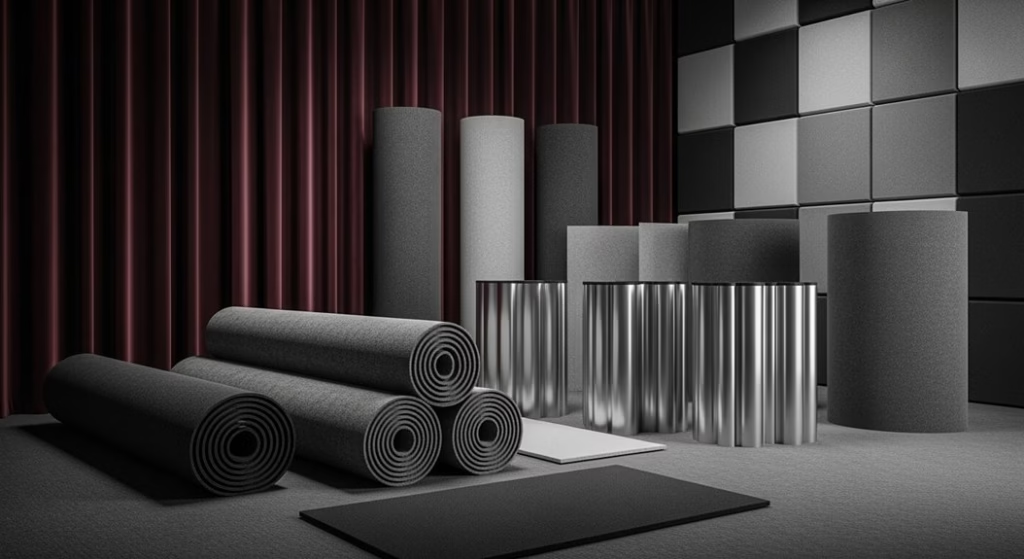
Start by installing acoustic panels and using soundproof insulation like fiberglass or mineral wool in the walls. These materials provide excellent noise reduction, ensuring a clearer, more immersive experience.
Soft furnishings such as carpets and curtains also help by absorbing mid to high-range frequencies.
Don’t forget bass traps; they’re essential for managing low-frequency sounds that tend to accumulate in corners.
Effective Sound Blocking Methods
While sound absorption enhances audio quality, effective sound blocking is just as important for truly isolating your home theater experience.
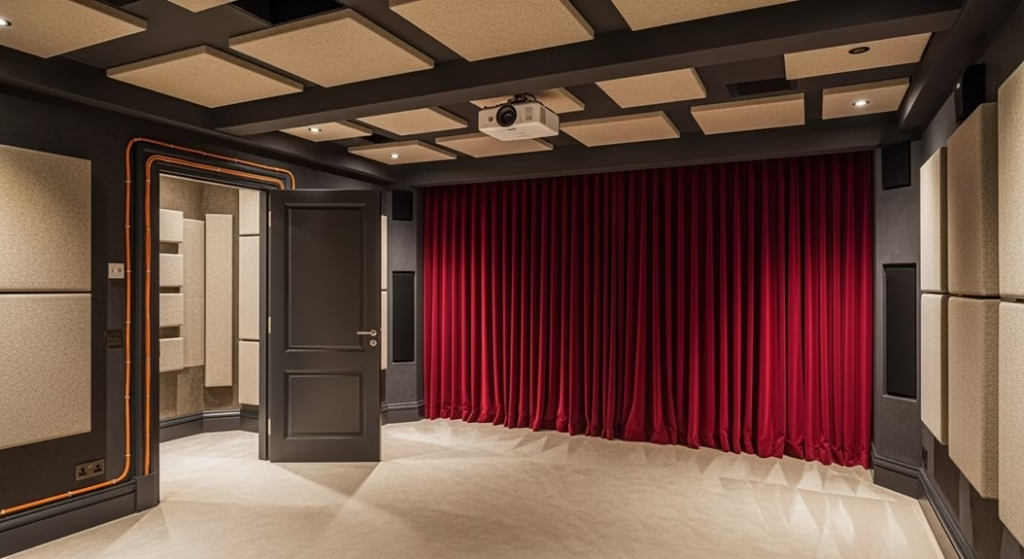
Start by soundproofing doors with solid core options and adding door sweeps or seals; even a tiny gap can let in a lot of noise.
Soundproof doors with solid cores and seals; small gaps can allow significant noise intrusion.
Double-pane windows with airtight seals are essential for blocking airborne noise.
For walls, ceilings, and floors, integrate Mass Loaded Vinyl to enhance sound isolation.
Construct decoupled walls using resilient isolation clips for improved sound transmission class ratings, aiming for 60 or higher.
Adding layers of drywall with Green Glue between them helps absorb sound vibrations, reducing noise from low frequencies.
These methods will help you soundproof a home theater effectively, keeping unwanted noise at bay.
Damping Techniques to Minimize Sound Reflection
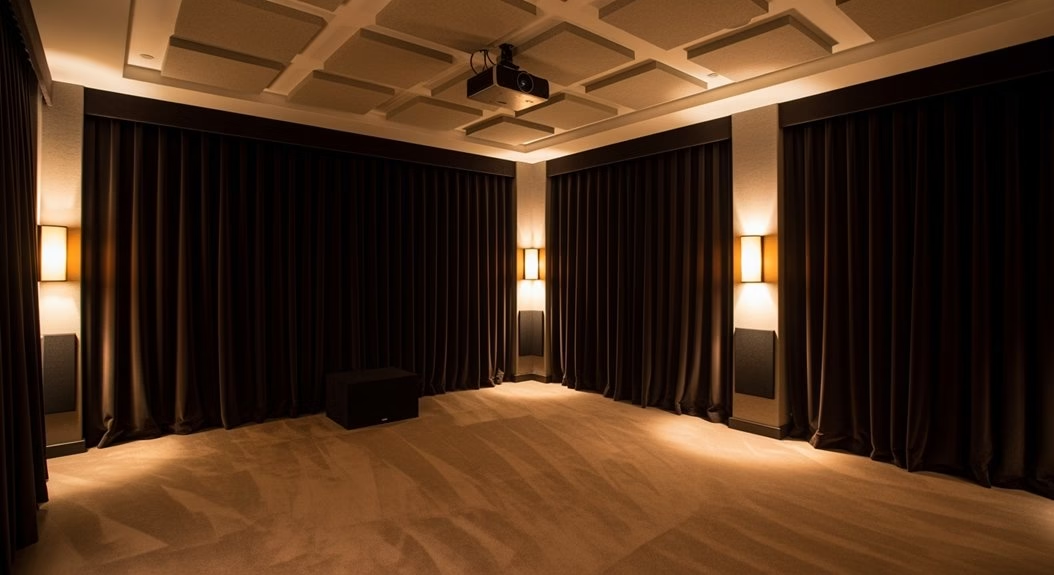
To create a truly immersive home theater experience, focus on damping techniques to minimize sound reflection.
Start by using Green Glue between drywall layers to absorb vibrations and reduce noise transmission. Enhance your walls’ effectiveness with an extra layer of drywall or mass-loaded vinyl, boosting the Sound Transmission Class (STC) rating.
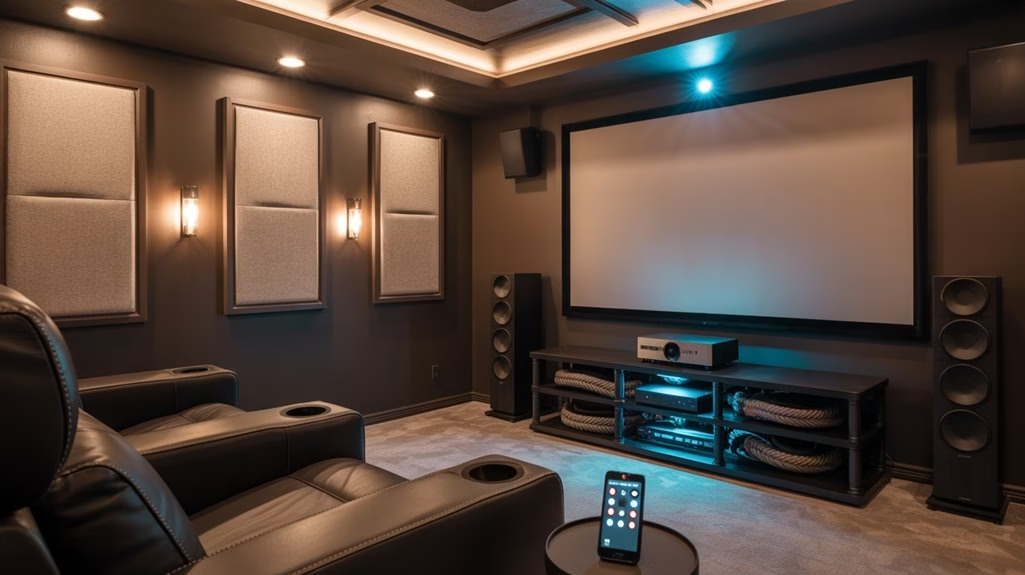
Install acoustic panels to absorb sound waves, minimizing echo and reverberation. These panels, made of fabric-wrapped materials, transform sound into heat energy.
For floors, lay carpets and area rugs to dampen sound reflection, absorbing mid to high-range frequencies. Additionally, use sound isolation clips between drywall and studs to prevent vibration transfer.
These strategies guarantee a quieter, more enjoyable home theater environment by markedly reducing sound reflection and transmission.
Decoupling Strategies for Enhanced Isolation
Although soundproofing a home theater might seem intimidating, decoupling strategies can vastly improve sound isolation by creating physical separations between surfaces.
Use double walls or a floating ceiling to achieve impressive STC ratings above 60. Implementing resilient channels allows you to install drywall with minimal contact to the studs, reducing structure-borne sound.
Double walls and floating ceilings ensure STC ratings above 60, minimizing sound transmission effectively.
For enhanced soundproofing, combine sound isolation clips with hat channels to minimize sound transfer. Increasing the space between decoupled surfaces helps absorb low-frequency sounds, though it may reduce your theater’s usable space.
Don’t forget to seal gaps with acoustic sealant for ideal results. Proper decoupling techniques are essential for managing bass frequencies, preventing vibrations from impacting adjacent rooms, and ensuring an immersive sound experience.
Key Soundproofing Areas to Focus On

When tackling soundproofing for your home theater, focus on five essential areas to enhance your listening experience.
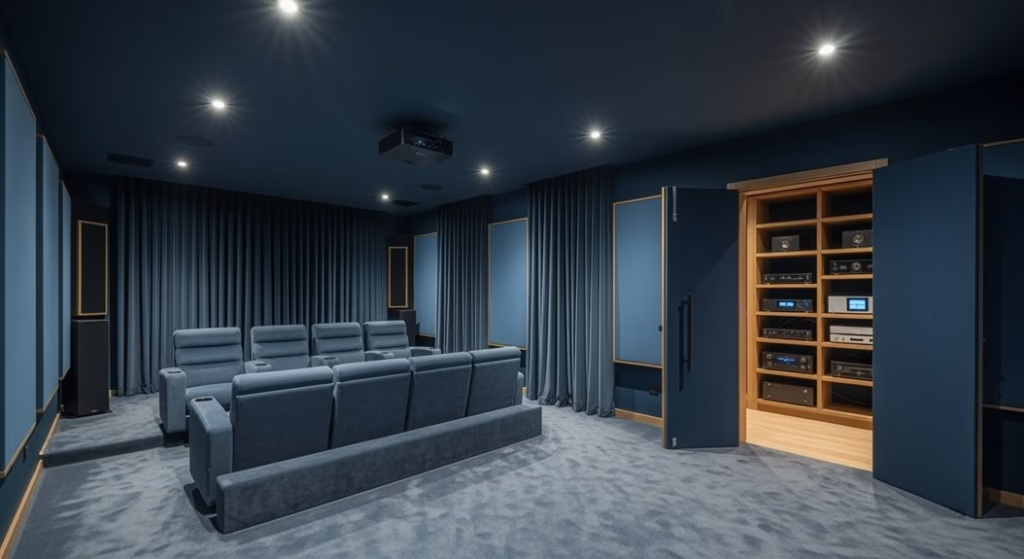
Start with windows by installing double-pane glass and airtight seals. Sound-damping curtains will effectively block external noise.
For doors, choose solid, dense materials and add draft stoppers to minimize sound leakage around the edges.
Address the ceiling by adding insulation and using decoupled joists to prevent sound transmission. Consider suspended light fixtures to avoid sound reflection.
Enhance flooring with thick carpets or rugs and soundproof underlay to absorb sound and reduce impact noise.
Don’t forget to inspect and seal gaps around outlets, HVAC ducts, and under doors, as small openings can greatly compromise your soundproofing efforts in the home theater.
Frequently Asked Questions
What Is the Best Soundproofing for Home Theaters?
You’re looking to create the perfect soundproof space, aren’t you?
Start with insulated walls and acoustic panels to absorb noise.
Add soundproof curtains and window inserts to block sound from entering or escaping.
Use bass traps in corners for low-frequency control.
Soundproof doors and noise barriers keep sound contained.
Don’t forget floor underlayment and ceiling tiles for extra insulation.
These soundproofing materials will transform your theater into an acoustic haven.
How to Make Home Theatre Sound Proof DIY?
Craft clever soundproofing solutions yourself!
Start with acoustic panels and soundproof curtains to calm clatter.
Use noise barriers and floor underlay for fantastic floor soundproofing.
Seal door seals and window inserts to stop sneaky sound leaks.
Boost walls with premium wall insulation, and consider ceiling tiles to tackle top-to-bottom sound travel.
Add bass traps for better bass control.
Finally, apply soundproofing spray to surfaces for seamless sound dampening.
Enjoy your serene sanctuary!
What Absorbs Sound Really Well?
You’re wondering what absorbs sound really well? Acoustic panels, especially fabric-wrapped ones, do wonders by converting sound waves into heat.
Combine them with heavy drapes or soundproof curtains for windows. Foam insulation in walls and carpet tiles on floors also help.
Don’t forget bass traps for corners and wall hangings for extra absorption. Seal gaps with soundproof sealant, use door sweeps, and consider ceiling tiles to enhance the overall soundproofing.
How to Make a Room 100% Soundproof?
You can’t make a room 100% soundproof, but effective sound isolation techniques can get you close.
Consider acoustic paneling options and noise reduction materials to tackle soundproofing myths.
Optimize your room layout strategies and barrier construction methods for better results.
Balance your soundproofing budgets by mixing DIY soundproofing tips with professional soundproofing services.
Don’t forget ambient noise control, which plays an essential role in achieving near-total sound isolation.
Conclusion
In your cozy home theater, imagine the blissful silence enveloping you as you sink into your plush seat. You’ve mastered soundproofing by absorbing stray echoes, blocking intrusive noise, and damping vibrations that once disrupted your cinematic experience. Decoupling walls and floors further cocoon the space, creating a serene sanctuary. Focus on key areas, and you’ll find yourself fully immersed in every movie, where each whisper is clear, and explosions resonate without disturbing the peace outside.