The Complying With New Jersey’s Residential Noise Ordinances
To comply with New Jersey’s residential noise ordinances, know that daytime noise limits are 65 dBA and drop to 50 dBA at night. Abide by quiet hours from 10:00 p.m. to 7:00 a.m., though Hoboken’s start earlier from Friday evening. Be aware of your town’s specific noise rules, as each municipality sets its own. Ascertain proper measures like soundproofing or scheduling noisy activities within allowed hours. Discover more ways to uphold community peace and avoid fines.
Not sure if staying within the noise limits will actually solve the problem?
Tell us about your home, the noise you’re dealing with, and your goals. We’ll help you determine whether DIY noise reduction is enough to comply with New Jersey’s residential noise ordinances, or if your space would benefit from professional soundproofing, acoustic panels, or motorized window treatments.
Key Takeaways
- Familiarize yourself with New Jersey Noise Control Act limits: 65 dBA daytime, 50 dBA nighttime for residential areas.
- Be aware of local municipal noise ordinances, as they can vary significantly across different towns.
- Adhere to statewide quiet hours from 10 p.m. to 7 a.m., and extend these hours if local rules apply.
- Implement noise reduction strategies like soundproof windows, dense insulation, and acoustic panels in your home.
- Communicate respectfully with neighbors about potential noise disturbances and plan noisy activities outside of quiet hours.
Understanding New Jersey’s Noise Control Standards
While traversing New Jersey’s noise regulations, it’s vital to understand the state’s extensive Noise Control Act of 1971, which sets clear standards to protect public health. You’ll find that the act establishes specific noise measurement criteria using decibels (dBA), a scale weighted by human hearing sensitivity. For residential areas, daytime noise is capped at 65 dBA, dropping to 50 dBA at night. Commercial and industrial noise remains constant at 65 dBA. It’s important to take into account sound frequency as well, as octave bands regulate varying ranges of frequencies that can affect nearby receptors. These standards guarantee that noise from residential sources or HVAC systems doesn’t become a nuisance, with strict limits on sound level increases to maintain community peace. Complaints trigger investigations into noise level violations, ensuring that residents have a recourse if noise levels become intolerable.
Quiet Hours and Prohibited Activities
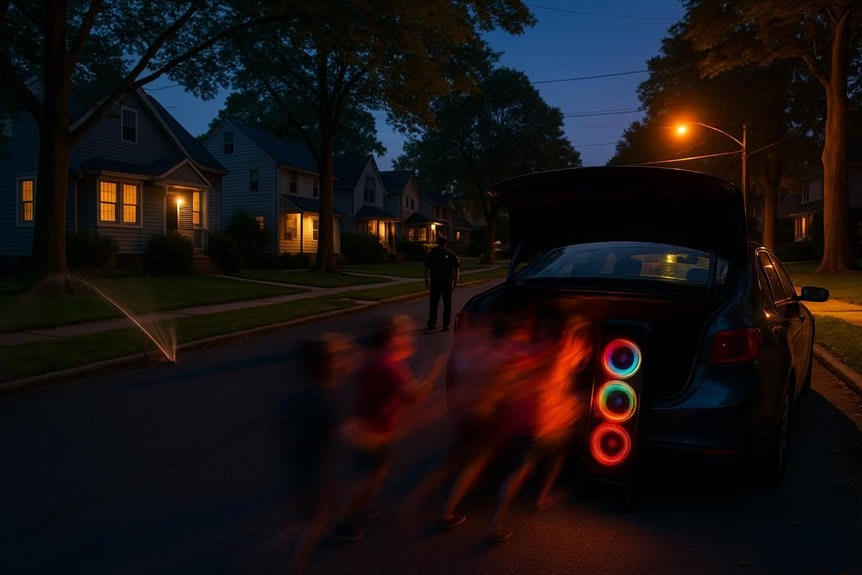
New Jersey’s noise regulations aren’t just about measuring decibels; they also dictate specific quiet hours to guarantee community tranquility. Quiet hours typically run from 10:00 p.m. to 7:00 a.m. statewide, though places like Hoboken extend these from Friday 6:00 p.m. to Monday 7:00 a.m. During these hours, noise mustn’t exceed 50 decibels. Violations can lead to harsher penalties. Prohibited activities during quiet hours include using loudspeakers, yelling, or playing amplified music. You’re also barred from unloading noisy vehicles or running loud HVAC units. Even domestic noise activities, like lawn mowing, are restricted to certain hours. Exemptions exist for specific activities such as emergency alerts or township-sponsored events, ensuring that necessary and community-oriented activities can still occur without penalty. Understanding these regulations helps you avoid penalties and maintain a peaceful neighborhood atmosphere. Always check local ordinances for specific rules.
Not sure if staying within the noise limits will actually solve the problem?
Tell us about your home, the noise you’re dealing with, and your goals. We’ll help you determine whether DIY noise reduction is enough to comply with New Jersey’s residential noise ordinances, or if your space would benefit from professional soundproofing, acoustic panels, or motorized window treatments.
Navigating Local Municipal Noise Ordinances
Understanding local municipal noise ordinances in New Jersey is essential for homeowners who wish to maintain harmony in their neighborhood. Each municipality can adopt its own noise rules, leading to local ordinance variations.
These variations can impact your community considerably, as they determine how noise is managed and which activities are permissible. To navigate these differences, familiarize yourself with your town’s specific limits, particularly regarding sound levels and permissible times.
Check if your municipality has adopted the NJDEP Model Noise Control Ordinance, which provides consistent standards. Being aware of your local rules helps prevent conflicts and fosters a peaceful environment.
Enforcement, Penalties, and Compliance
Although maneuvering through New Jersey’s noise ordinances might seem intimidating, understanding enforcement, penalties, and compliance is essential for maintaining neighborhood peace.
Enforcement challenges often arise due to immediate measurement difficulties and the need for trained personnel equipped with sound level meters. Noise Control Officers or Investigators can issue Notices of Penalty Assessment (NOPA) if violations persist. Certified county health agencies complement municipal efforts, enhancing enforcement reach. In Mercer County, the Division of Public Health investigates noise complaints by capturing and recording egregious noise levels to ensure accurate assessment and resolution.
Penalty assessment serves more to motivate compliance than to punish, with penalties reaching up to $2,000 per offense. Each day an offense continues, it counts as a separate violation, underscoring the urgency to address disturbances.
Compliance processes include the use of calibrated equipment and collaboration to streamline resolution of complaints.
Strategies for Minimizing Noise Disturbances
When it comes to minimizing noise disturbances, a proactive approach in your home environment can make all the difference.
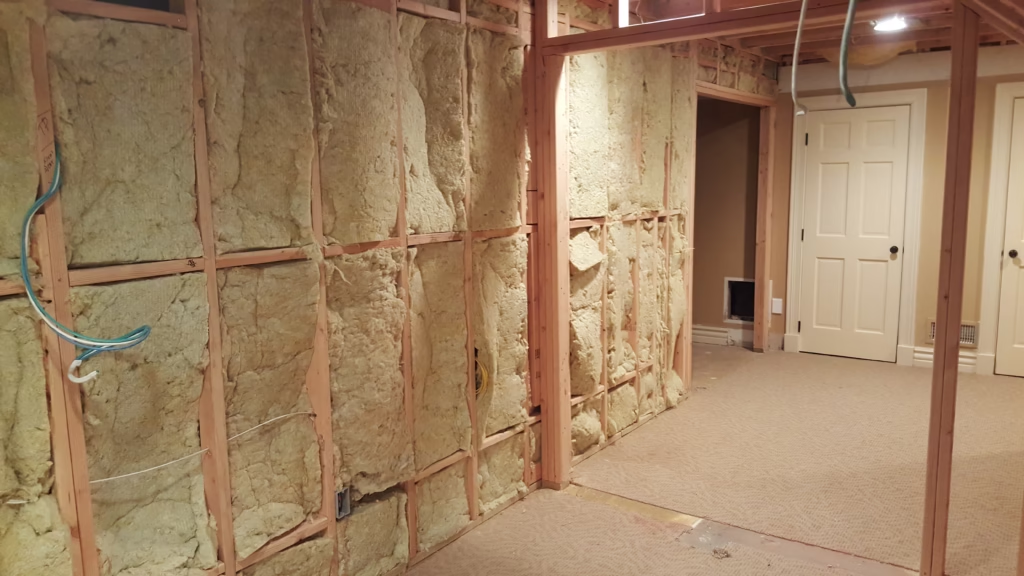
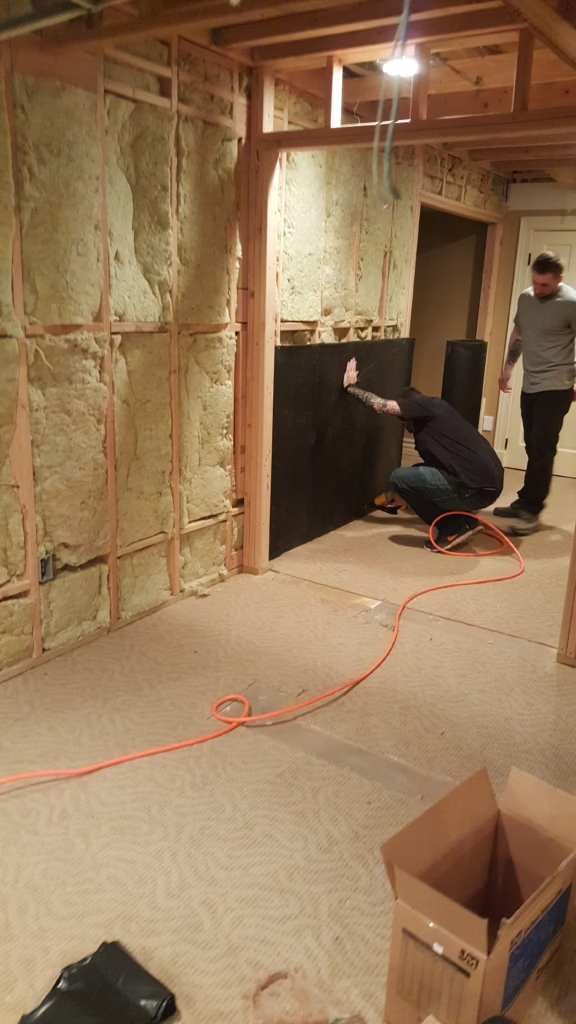
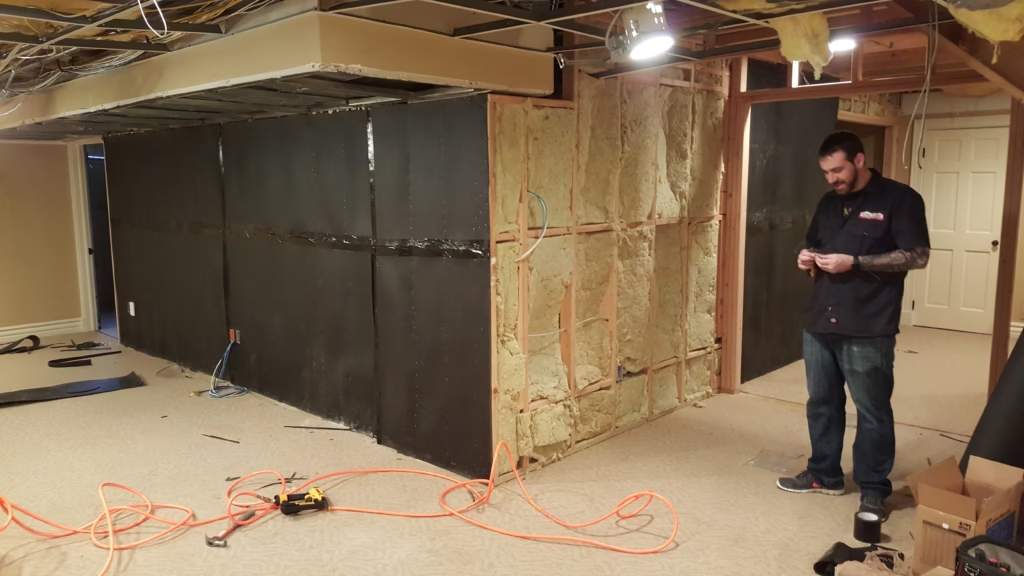
Start by focusing on home design elements that promote noise reduction. Install soundproof windows and doors to keep external noise at bay. Dense insulation within walls, ceilings, and floors will help absorb sound effectively. Consider acoustic panels or wall treatments in noisier rooms. Sealing gaps in your building envelope prevents unwanted noise leakage.
Limit noise from equipment by using devices with mufflers and restrict operation to approved hours. Opt for landscaping with trees and shrubs that act as natural sound barriers.
Encourage respectful communication with neighbors and schedule noisy activities when they’re least disruptive. Employing these strategies guarantees a harmonious and compliant living space.
Frequently Asked Questions
What Is the Appeal Process for a Noise Violation Fine?
To appeal a noise violation fine in New Jersey, you must file within 20 days using the “Notice of Municipal Court Appeal” form.
Pay a $100 filing fee and a transcript fee upfront. Appeals can argue factual errors or legal missteps. A successful appeal might lead to fine reduction options.
You can present new evidence, and an attorney’s guidance is helpful. Missing the deadline means the original fine stands.
Can I Contest Noise Measurement Accuracy?
Yes, you can contest noise measurement accuracy! If you believe the noise measurement techniques were flawed, challenge the results.
Check if the equipment was properly calibrated and certified. Verify the measurements followed protocol, like keeping the right distance from walls and maintaining closed windows and doors.
If errors are found, this could be a solid basis for contesting noise violations. Review all documentation and request a recalibration if needed.
How Do Noise Ordinances Affect Pet Noise?
Imagine a peaceful neighborhood where silence reigns, only to be shattered by incessant barking.
Pet noise regulations in New Jersey directly address this, with barking restrictions ensuring that your dog or cat doesn’t disturb neighbors.
If your pet’s noise crosses property lines, it could lead to fines. Local authorities enforce these rules, so it’s essential to manage your pet’s behavior proactively, keeping the community harmonious and avoiding penalties.
Are There Exemptions for Emergency Noise?
Yes, there are exemptions for emergency noise.
In New Jersey, noise regulations recognize that emergency services need flexibility during urgent situations.
So, noises from emergency repairs or public safety activities like sirens, alarms, and emergency communications are exempt.
If you’re involved in emergency work, you’re not bound by standard noise restrictions, even during off-hours.
Just make certain any non-standard noise needs are cleared with your local Noise Control Officer.
How Are Noise Complaints Prioritized by Authorities?
When you file a noise complaint, authorities prioritize based on noise violation categories and complaint response times.
They focus on high-impact disturbances that disrupt daily life or sleep, especially in residential areas. Emergency noise or exempt sources usually aren’t enforced but are noted.
They aim to address the most severe issues promptly, with investigations capturing egregious noise levels during various times to guarantee thorough assessment and swift action.
Conclusion
By understanding and complying with New Jersey’s residential noise ordinances, you can maintain a peaceful neighborhood while avoiding penalties. Did you know that noise complaints in some areas spike by over 25% during summer months due to outdoor activities? It’s essential to be mindful of quiet hours and local regulations. By implementing noise-minimizing strategies like soundproofing and scheduling louder activities during permissible times, you’re contributing to a harmonious community and ensuring everyone can enjoy their home environment.
Not sure if staying within the noise limits will actually solve the problem?
Tell us about your home, the noise you’re dealing with, and your goals. We’ll help you determine whether DIY noise reduction is enough to comply with New Jersey’s residential noise ordinances, or if your space would benefit from professional soundproofing, acoustic panels, or motorized window treatments.