10 Best Materials for Home Theater Soundproofing
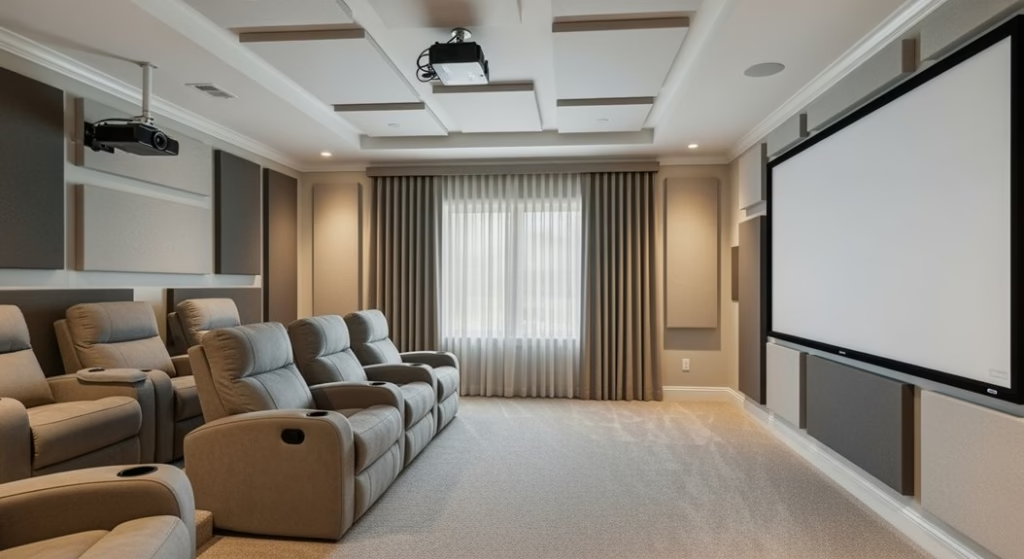
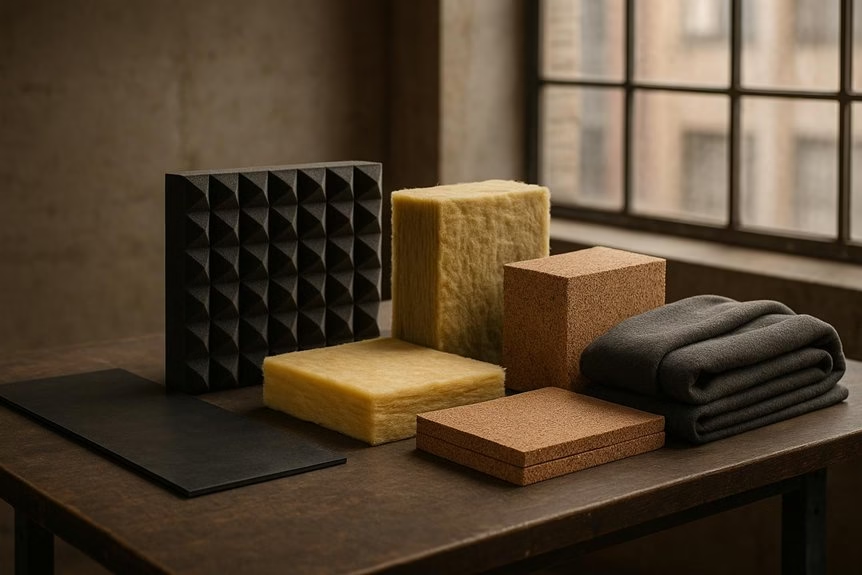
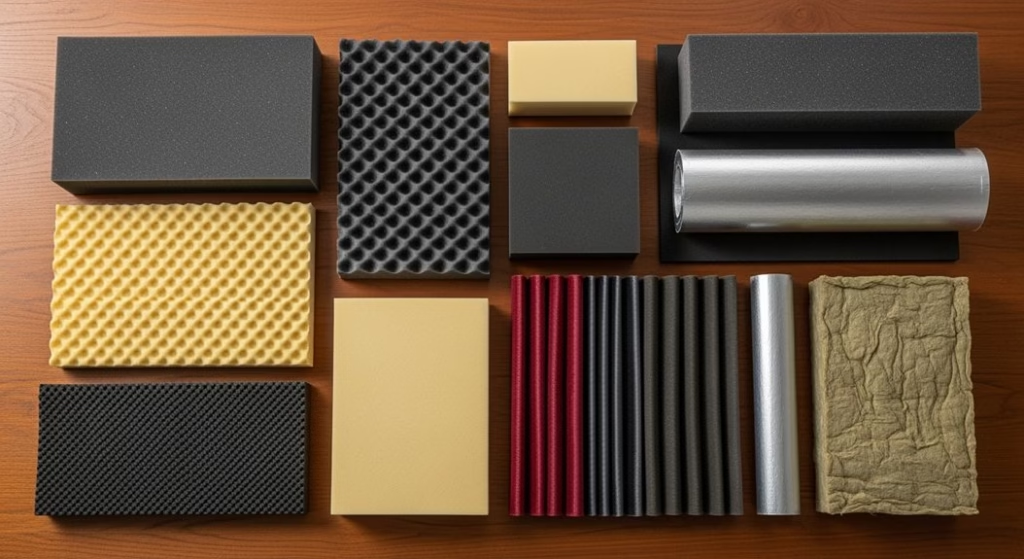
For your home theater soundproofing, you’ll want to use mass-loaded vinyl, soundproof drywall, acoustic panels, fiberglass insulation, resilient channels, sound isolation clips, damping compounds, and heavy curtains. Adding carpets with soundproof underlay can also help. These materials effectively block and absorb sound, enhancing audio quality and creating a peaceful ambiance. Dive deeper into these options to choose the best combination for your ultimate soundproofing solution.
Key Takeaways
- Mass-loaded vinyl is an effective sound barrier with an STC rating up to 32, suitable for walls and flooring.
- Soundproof drywall, composed of gypsum and polymers, achieves STC ratings up to 70, minimizing sound transfer between rooms.
- Acoustic panels made of fiberglass absorb sound waves, reducing echo and improving audio clarity in home theaters.
- Resilient channels decouple drywall from studs, enhancing STC ratings by up to 20 points, reducing sound transmission.
- Damping compounds like Green Glue convert sound energy into heat, effectively reducing airborne noise.
Understanding Soundproofing Basics
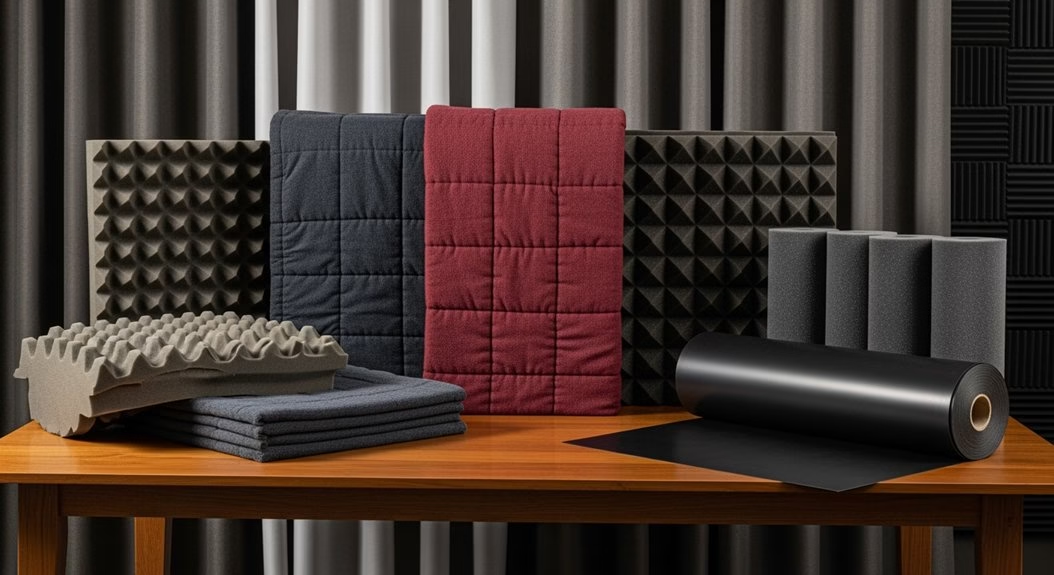
When diving into soundproofing, it’s essential to grasp the basics to effectively manage noise. Soundproofing involves using materials to block sound waves, enhancing your space’s sound absorption capabilities.
You should focus on improving the STC rating, which measures how well a building partition attenuates airborne sound. The higher the STC rating, the better the sound isolation.
Common soundproofing materials like acoustic panels and resilient channels play an important role in this process. They absorb or reflect sound energy, making them crucial for achieving your desired quietness level.
Mass-Loaded Vinyl (MLV)
Mass-Loaded Vinyl (MLV) is a versatile solution for soundproofing your home theater, thanks to its dense and flexible design that effectively blocks sound transmission.
With a sound transmission class (STC) rating of up to 32, MLV considerably reduces noise levels. You can easily install it by hanging it on walls or laying it under flooring, providing a hassle-free soundproofing enhancement without extensive renovations.
Available in various thicknesses and weights, such as 1 lb/sqft and 2 lb/sqft, Mass Loaded Vinyl allows customization to meet your specific needs.
It’s non-toxic and odorless, making it perfect for residential use. Besides home theaters, it’s also suitable for recording studios and commercial spaces, minimizing noise pollution effectively.
Soundproof Drywall
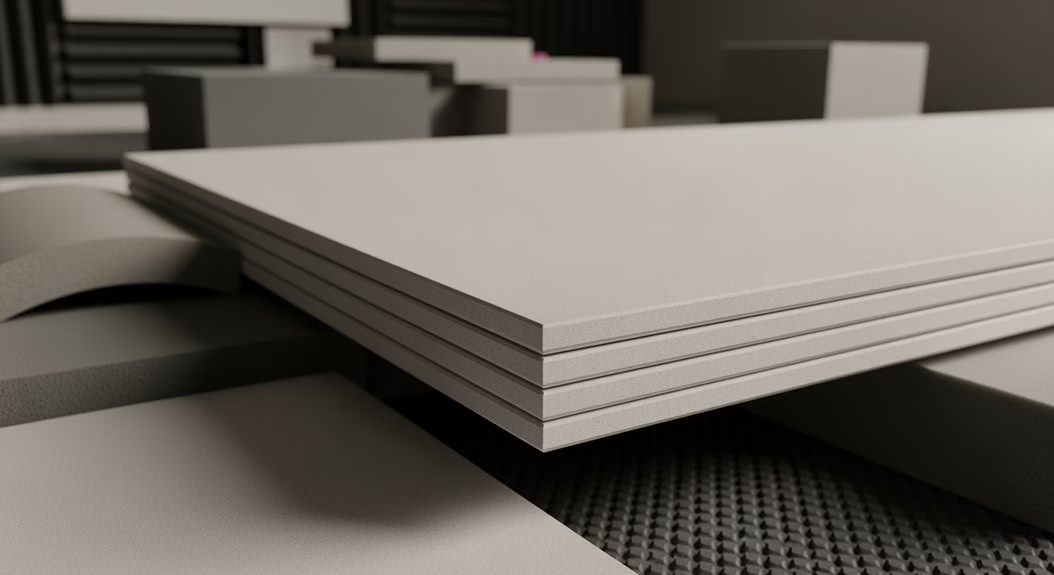
While Mass-Loaded Vinyl offers a flexible solution for soundproofing, another effective option is soundproof drywall, often known as “acoustic drywall.”
This specialized material is designed to reduce sound transmission with its higher density compared to standard drywall. Composed of multiple layers of gypsum board and viscoelastic polymers, soundproof drywall absorbs sound vibrations, helping to reduce noise considerably.
Soundproof drywall’s dense layers absorb vibrations, significantly reducing noise transmission compared to standard drywall.
It’s particularly useful in home theaters, where it minimizes sound transfer between rooms, and can reach STC ratings of up to 70 when combined with other techniques. By addressing low and high frequencies, it prevents bass bleed from disturbing adjacent spaces.
Installing soundproof drywall during construction or renovation creates a quieter environment, enhancing your home theater experience.
Acoustic Panels
Although soundproof drywall effectively reduces sound transmission, acoustic panels play an essential role in enhancing sound quality within a home theater.
These panels absorb sound waves, reducing echo and reverberation, which improves overall clarity. Fiberglass is a popular choice for acoustic panels due to its porous nature, allowing it to trap sound effectively and cover a broad frequency range.
You can install these soundproofing products on walls or ceilings, managing sound reflections effectively. For the best results, consider covering 30-40% of your wall space.
The AlphaSorb® Fabric Wrapped Acoustic Panel is a standout option, combining aesthetic appeal with excellent sound absorption. Customize the panels to fit your theater’s design, choosing from various sizes and colors.
- Improves sound clarity
- Reduces echo and reverberation
- Customizable design options
Fiberglass Insulation
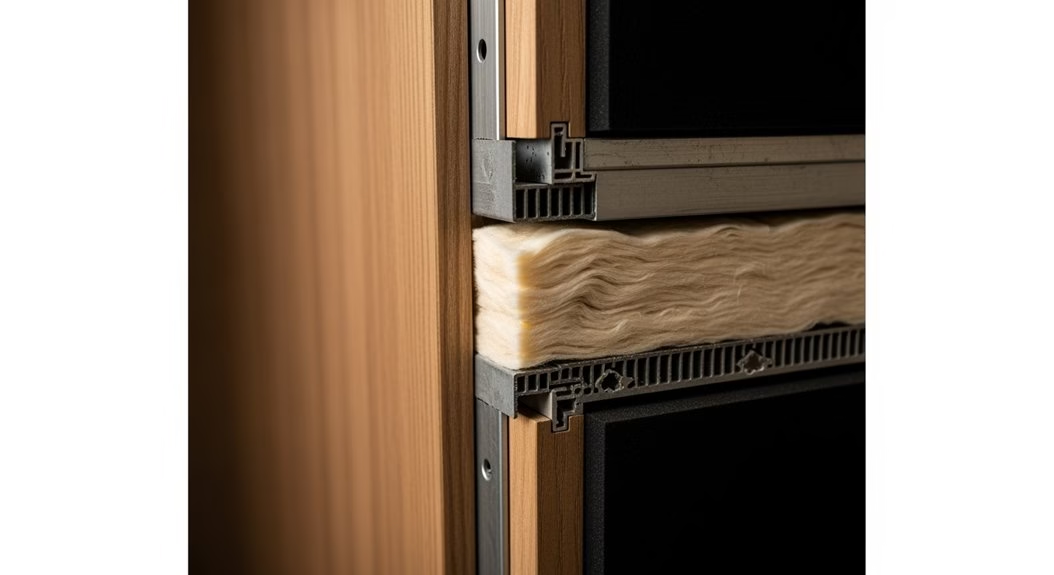
Fiberglass insulation stands out as a premier choice for soundproofing in home theaters. With its porous structure, it effectively reduces noise transmission by allowing sound waves to enter and get trapped.
This material boasts a high Noise Reduction Coefficient (NRC) rating, making it adept at absorbing both high and low frequencies, essential for an immersive theater experience. You’ll find that standard fiberglass insulation can cut sound transmission by up to 30 decibels, markedly enhancing your home theater’s acoustic environment.
In addition to soundproofing, fiberglass is non-combustible and provides excellent thermal insulation, serving dual purposes.
It’s available in batts, rolls, and loose-fill forms, easily installable in walls, ceilings, and floors, ensuring versatile and thorough sound isolation for your home theater.
Mineral Wool
Imagine a dense, fibrous material that not only insulates but also excels at sound absorption—this is mineral wool.
It’s your go-to choice for soundproofing, especially where low-frequency sounds, like those thundering bass notes in your home theater, need taming.
Composed of natural or recycled materials, mineral wool is sustainable and provides thermal insulation too.
Its loose structure traps sound waves, reducing transmission through walls and ceilings.
Consider these advantages of mineral wool:
- Sound-absorbing: Particularly effective at capturing low-frequency sounds.
- Eco-friendly: Made from natural or recycled materials.
- Versatile: Works well in framed panels to absorb a broad frequency range.
Trust mineral wool for superior sound absorption, making your home theater experience truly immersive.
Resilient Channels
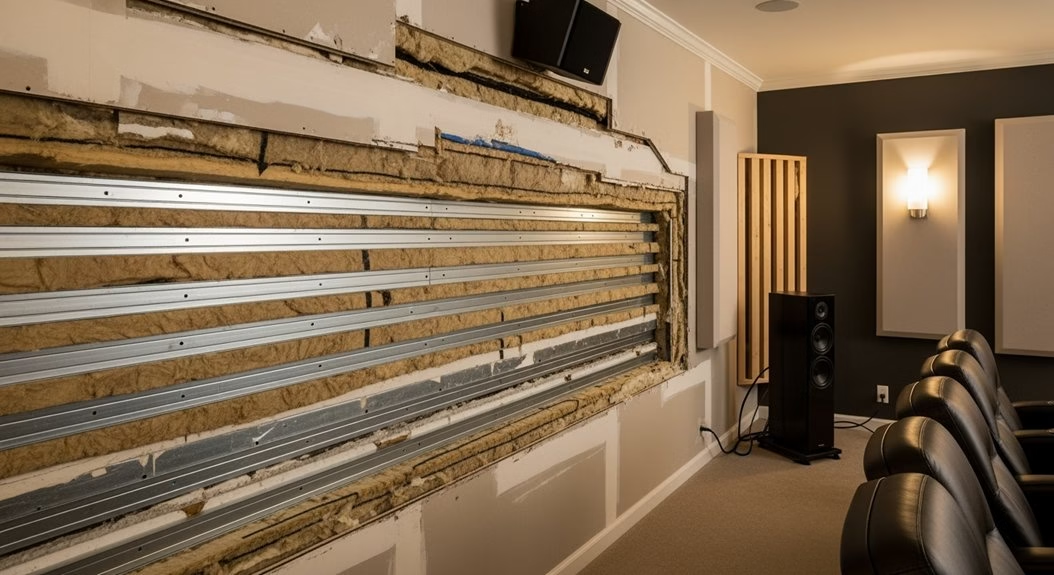
When you’re seeking to minimize sound transmission in your home theater, resilient channels prove to be an invaluable tool.
These metal strips decouple drywall from wall studs, considerably reducing structure-borne sound. By preventing direct contact between surfaces, they help improve STC ratings by up to 20 points. Resilient channels work by allowing drywall to flex, absorbing sound vibrations, and stopping low-frequency noise from transferring through walls.
Installation is straightforward—just attach them to the studs with screws. You can combine resilient channels with other soundproofing techniques for best results.
They’re especially beneficial in spaces where low-frequency sounds are a concern, like music rooms or home theaters. By isolating sound energy, they effectively reduce echo, enhancing your audio experience.
Sound Isolation Clips
Sound isolation clips are an essential component in your quest for a quieter home theater. They work by decoupling drywall from wall studs, effectively reducing structure-borne sound transmission. This can boost your wall’s Sound Transmission Class (STC) rating by up to 20 points, making a significant difference in soundproofing.
These clips allow for the installation of resilient channels, creating a gap that absorbs vibrations and minimizes sound transfer between rooms. Their versatility shines as they suit wood, steel, or concrete constructions. For tackling challenging low-frequency sounds, sound isolation clips outperform traditional methods.
Combine these clips with other soundproofing materials like:
- Mass-loaded vinyl
- Acoustic panels
- Resilient channels
Together, they transform your home theater into a peaceful, immersive retreat.
Damping Compounds
While sound isolation clips play an essential role in minimizing sound transfer, damping compounds like Green Glue take soundproofing a step further.
This non-toxic, high-performance material effectively reduces airborne noise by converting sound energy into heat. When you apply Green Glue between two drywall layers, it can reduce sound transmission by more than 20 decibels, greatly enhancing sound isolation in your home theater.
It’s not only cost-effective and odorless but also easy to apply, making it an ideal choice for new constructions or retrofitting.
To achieve ideal soundproofing, use damping compounds alongside other techniques, such as adding mass and creating airtight seals. This combination can boost your wall’s Sound Transmission Class (STC) rating to over 50, ensuring superior sound isolation.
Heavy Curtains and Carpets
Transforming your home theater into an oasis of sound requires more than just high-tech equipment; it demands strategic soundproofing with heavy curtains and carpets.
Heavy curtains, crafted from thick fabrics like velvet or wool, absorb sound waves, reducing transmission and minimizing echo. They can lower noise by up to 10-20 decibels, blocking external sounds effectively.
Carpets and area rugs play an essential role in sound absorption by dampening reflections and absorbing low-frequency sounds. Layering carpets with soundproof underlay enhances these effects, especially against impact noise.
Combining heavy curtains and carpets creates a balanced acoustic environment, managing both airborne and structure-borne sounds for an immersive experience.
- Heavy curtains reduce sound transmission.
- Carpets absorb low-frequency sounds.
- Layered carpets improve sound absorption.
Frequently Asked Questions
What Is the Most Effective Soundproofing Material?
When you’re looking for the most effective soundproofing material, consider combining solutions.
Acoustic panels excel at absorbing sound, while sound barriers like mass-loaded vinyl provide excellent noise reduction.
If you want to maximize effectiveness, use damping compounds between drywall layers and install resilient sound isolation clips.
This combination increases the STC rating and substantially cuts down noise transmission, ensuring a quieter environment for any space.
Don’t underestimate the power of multiple methods!
What Material Can Sound Not Pass Through?
You’re wondering what material sound can’t pass through, right?
Well, think about soundproofing techniques using dense materials like concrete or lead. These sound barrier options have high mass, making it tough for sound to penetrate.
For effective acoustic insulation solutions, consider Mass Loaded Vinyl (MLV) or double-pane windows. They’re great at blocking sound.
Also, don’t forget airtight seals around doors and windows to keep sound from slipping through.
What Is the Best Material for Blocking Out Sound?
Imagine a fortress where sound waves can’t penetrate. You’d want soundproofing windows and acoustic panels working in harmony for ultimate noise reduction.
Mass-loaded vinyl acts like a cloak of invisibility for sound, while double-layer drywall paired with Green Glue creates an impenetrable barrier.
Add resilient clips and mineral wool insulation for low-frequency absorption, and you’ve crafted a sanctuary where outside noise becomes a distant whisper.
Soundproofing becomes your secret weapon.
What Is the Best Fabric for Sound Absorption?
You’re wondering about the best fabric for sound absorption.
Start by considering acoustic panels made from dense fabrics like wool or velvet. These materials excel at trapping sound, thanks to their thick texture.
Soundproof curtains are another great option, often crafted from heavy, tightly woven fabrics that block and absorb sound.
Don’t overlook acoustic suede, which combines sound absorption with aesthetics, making it a versatile choice for various settings.
Conclusion
By choosing the right materials, you can turn your home theater into a soundproof haven. Did you know that using Mass-Loaded Vinyl can reduce noise by up to 50%? It’s impressive how effective these solutions can be. Combining MLV with acoustic panels and soundproof drywall maximizes sound isolation, creating an immersive experience without disturbing the rest of your home. So, start soundproofing today and enjoy your movies like never before in your own private cinema!