
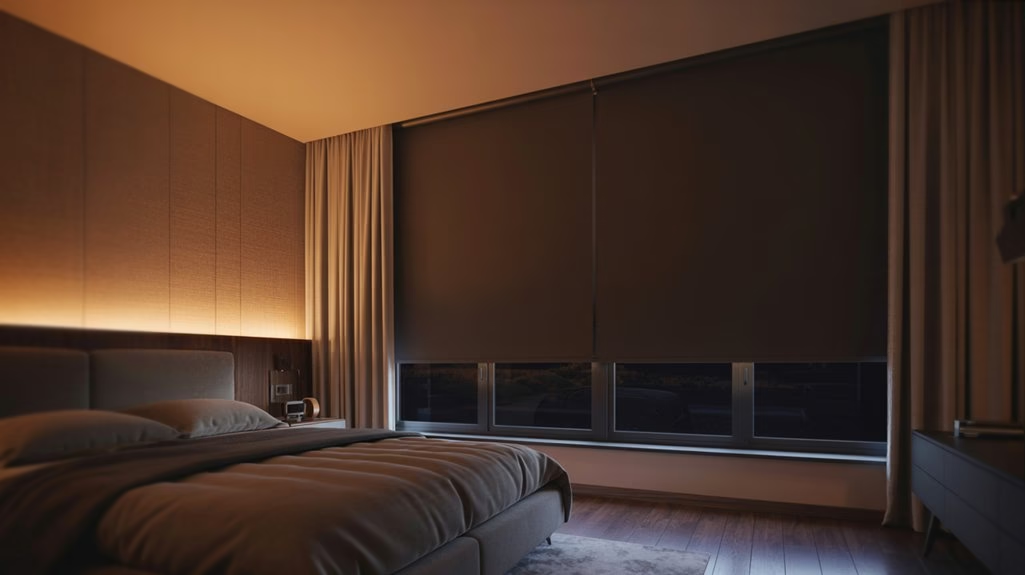
Blackout blinds block nearly all light to boost melatonin, deepen sleep, and cut noise, while insulating your home to lower energy bills by up to 25%. Choose roller for sleek minimalism, Roman for soft style, cellular for top insulation, vertical for wide doors, or motorized for hard-to-reach windows. Add smart controls for voice, schedules, and quiet operation. Measure precisely, install with basic tools, and clean regularly to protect performance. Explore how to pick, fit, automate, and maintain them next.
Key Takeaways
- Blackout blinds block nearly all light, improving sleep, reducing noise, and boosting energy efficiency by up to 25%.
- Popular types include roller, Roman, cellular, vertical, and motorized, each balancing style, insulation, and light control.
- Cellular blackout blinds offer superior insulation with a honeycomb design, ideal for temperature control and energy savings.
- Motorized and smart options enable app, voice, and scheduled control, integrating with Alexa or Google Assistant for automation.
- Measure accurately for inside or outside mounts and follow installation guides; clean regularly and check mechanisms monthly.
Benefits of Blackout Blinds
Even small changes to your window treatments can deliver big gains, and blackout blinds lead the way.
The benefits of blackout blinds start with their ability to block nearly 100% of incoming light, creating total darkness that can dramatically improve sleep quality. You’ll fall asleep faster, stay asleep longer, and promote healthy melatonin production that stabilizes your circadian rhythm. They’re ideal for bedrooms, nurseries, and any space where you need complete privacy.
You’ll also gain energy efficiency. By trapping heat in winter and blocking heat in summer, blackout blinds can lower heating and cooling costs by up to 25%.
They reduce external noise for a calmer atmosphere, helping you focus. Over time, these improvements can enhance mental health, easing anxiety and supporting productivity at home.
Types of Blackout Blinds
With the benefits in mind, choose a blackout blind style that matches your needs and space. Among the types of blackout blinds, Roller Blackout Blinds suit minimalist rooms; they’re sleek and reliable, though edges can admit indirect light.
Choose blackout blinds that fit your space—sleek rollers suit minimalists, though edges may admit indirect light.
Roman Blackout Blinds add softness and style with pleats while delivering strong light control. For insulation and energy efficiency, pick Cellular Blackout Blinds; their honeycomb build traps air, boosting temperature regulation and darkening.
Vertical Blackout Blinds excel on wide windows and sliding doors, giving you easy light control and a clean, modern look. Motorized Blackout Blinds increase convenience for hard‑to‑reach windows and maintain a tidy aesthetic.
Whatever you choose, match materials and fit to maximize blackout performance, insulation, and durability across different rooms and window sizes.
Motorized and Smart Control Options
Because convenience matters as much as darkness, motorized and smart blackout blinds let you control light with a tap, voice command, or preset schedule. You’ll open or close shades with a remote control or app, perfect for high or hard-to-reach windows.
These motorized blackout solutions integrate with smart control options and home automation platforms, so you can trigger scenes at sunrise and sunset. Tie blinds to voice-activated systems like Alexa or Google Assistant for hands-free control.
Use programmed closing during peak sunlight hours to cut glare and heat, improving comfort and delivering energy savings—often reducing cooling costs by up to 25%. Modern motors offer quiet operation, so adjustments won’t disturb naps, calls, or movies.
In short, you get precision, privacy, and everyday convenience.
Sizing and Installation Tips
Two steps determine how well blackout blinds perform: precise sizing and clean installation.
Start with accurate measurements. For an inside mount, use a measuring tape to record width and height at three points inside the frame; order to the smallest width and exact height for a proper fit. For an outside mount, extend at least 1–2 inches beyond the frame on each side to block light and boost privacy.
Plan installation with basic tools: drill, screwdriver, level, and measuring tape.
Follow the manufacturer’s installation guides to guarantee correct mounting, bracket spacing, and alignment; most windows take 20–30 minutes. Mark pilot holes carefully and verify level before tightening.
If you’re unsure about sizing or installation, consider professional installation—improper fitting reduces blackout performance and wastes time.
Maintenance and Cleaning Guidance
A simple routine keeps blackout blinds working and looking their best. Prioritize maintenance with regular cleaning tailored to the blind type.
For roller styles, use gentle wiping with a mild detergent and a damp cloth—avoid soaking. Roman blinds should be vacuumed with a brush attachment to lift dust and allergens without tugging the fabric.
Always surface cleaning first, then spot-treat. Never submerge blinds in water; it harms mechanisms and may void warranties. Periodically check mechanisms—chains, cords, brackets—for smooth operation and early fixes.
For tough stains, fraying cords, or light leaks, book professional services.
- Vacuum fabric blinds weekly to reduce dust and allergens.
- Use a damp cloth for marks; finish with gentle wiping.
- Check mechanisms monthly for smooth movement.
- Call professionals for tough stains or repairs.
Frequently Asked Questions
What Are the Different Types of Blackout Blinds?
You’ll find roller, Roman, cellular (honeycomb), vertical, and motorized blackout blinds.
Each offers Light Control and Privacy Solutions, with Material Options and Color Choices to match your Home Decor.
Choose cellular for top Energy Efficiency and some Noise Reduction.
Rollers and verticals suit Easy Installation and large openings.
Motorized adds convenience.
Compare styles for Cost Comparison, then follow Maintenance Tips: dust regularly, spot-clean fabric, and check mechanisms for smooth operation.
What Are the Disadvantages of Motorized Blinds?
They can be pricey, so you’ll face cost considerations and possible installation challenges.
You’ll rely on a power source, worry about battery life, and sometimes deal with noise levels.
Remote control glitches, compatibility concerns with smart hubs, and maintenance issues can crop up.
Safety risks exist with faulty wiring.
Expect repair difficulties if motors fail.
You might need pros for fixes, and outages can leave blinds stuck until power returns or batteries recharge.
What Is the Difference Between Motorized Blinds and Motorized Shades?
Motorized blinds use slats (roller/Roman) for structured light control; motorized shades use soft fabrics (cellular/sheer) for a flowing look.
Startling stat: smart home integration can trim energy use by up to 23%.
You’ll get motorized convenience, varied control systems, and safety features in both.
Shades often offer better noise reduction and energy efficiency; blinds excel in precise tilt.
Consider installation process, cost comparison, design options, simple maintenance tips, and quieter premium motors.
What Are the Different Types of Blockout Blinds?
You’ll find several types of blockout blinds: roller, roman, cellular, vertical, and motorized.
Choose fabric choices and color options to match style variations. For light control and energy efficiency, cellular excels; roller and roman balance aesthetics and cost comparisons.
Consider durability factors, child safety (cordless or motorized), and maintenance needs—wipeable rollers are easiest. Vertical suits wide doors.
Follow installation tips: accurate measurements, proper brackets, and power access for motors.
Conclusion
You’ve reached the end, but like drawing the curtains on a stage, the real show starts at home. With blackout blinds, you command light, heat, and privacy—on cue. Choose the right type, size them well, and let motors and smart controls do the heavy lifting. Keep them clean, and they’ll serve like loyal sentinels. In the quiet dark, you’ll sleep like Odysseus finally finding shore—rested, restored, and ready for the bright day ahead.