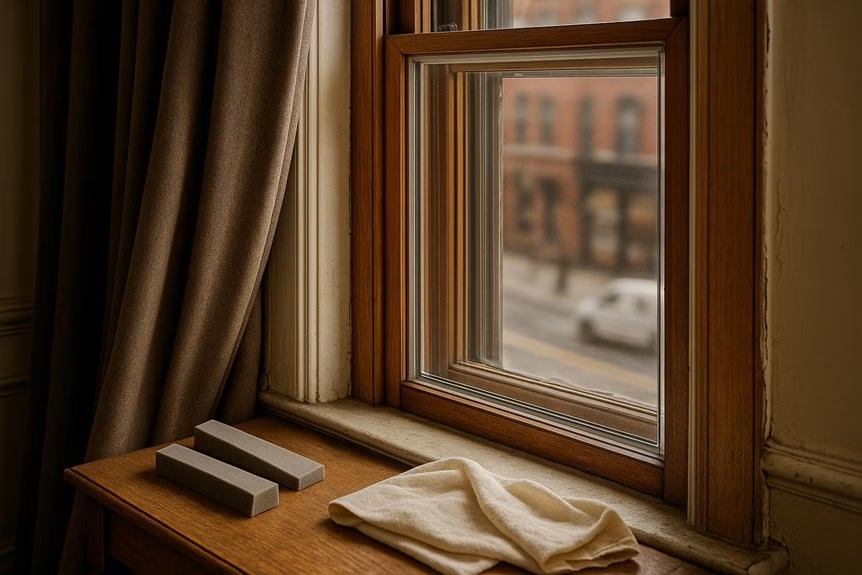
How to Soundproof Windows and Doors for Traffic Noise in Suburban NJ
Living in suburban NJ means facing noise pollution from traffic, but you can effectively soundproof your home. Start by upgrading to double-glazed or laminated glass windows with acoustic inserts. For doors, use neoprene seals and sturdy door sweeps. DIY solutions include acoustic caulking, weatherstripping, and adding mass with materials like MDF. Combine these approaches for best results. Learn how these strategies can markedly reduce unwanted noise in your home.

Key Takeaways
- Install laminated glass windows with acoustic inserts to significantly reduce external traffic noise.
- Use DIY window solutions like acrylic inserts and window plugs to block low-frequency sounds.
- Seal door gaps with dense neoprene seals and weatherstripping for effective soundproofing.
- Enhance door soundproofing by adding mass-loaded vinyl or acoustic panels for better noise control.
- Prioritize high-quality installation to ensure windows and doors are level and properly sealed for maximum noise reduction.
Understanding the Noise Challenge in Suburban NJ
While living in suburban New Jersey offers many benefits, dealing with noise pollution is a constant challenge. Urban planning has struggled to keep pace with the high population density and vehicle concentration, resulting in noise levels that often exceed residential comfort thresholds. New Jersey is known as the loudest state in the U.S. due to its dense population and heavy traffic. As a suburban resident, you may notice that traffic noise from nearby highways and transit corridors greatly impacts your quality of life. This environmental impact isn’t just about annoyance; it poses real health effects, including stress and sleep disturbances. Community awareness is growing, emphasizing the need for sound isolation solutions. By understanding these challenges, you can advocate for better noise management and explore ways to enhance your home’s soundproofing, contributing to a quieter, more comfortable suburban life.
Window Upgrades for Effective Soundproofing
If you’re looking to minimize noise in your suburban NJ home, upgrading your windows could be a game-changer.
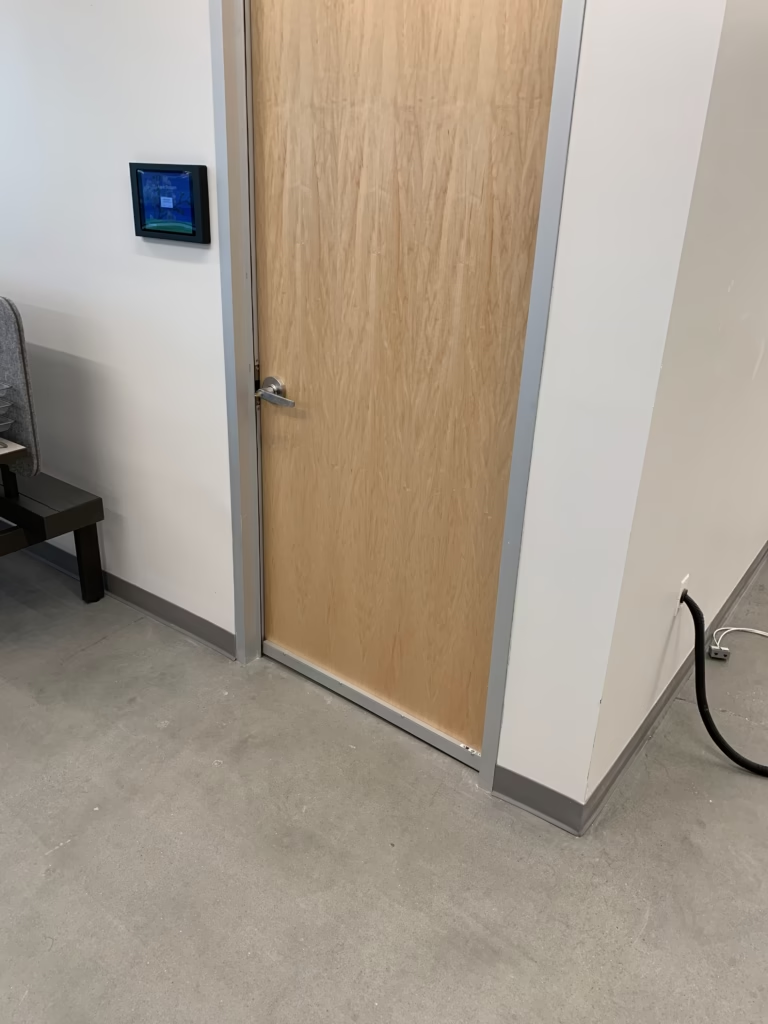
Consider using window laminate, which involves laminated glass technology. This consists of two glass panes with a plastic interlayer that effectively reduces sound vibrations. It’s particularly beneficial in double-glazed setups, where just one pane needs laminating for significant noise reduction. Laminated glass works by dampening sound vibrations effectively, and the PVB layer of plastic enhances sound vibration dampening further, making it a reliable choice for noise reduction.
Additionally, acoustic inserts are a powerful solution. These inserts fit snugly within your existing window frame, creating an airtight seal that blocks up to 70% of external noise. They’re easy to install and don’t require any frame modification.
Combining window laminate and acoustic inserts can drastically cut down traffic noise, providing a quieter, more peaceful living environment.
Exploring DIY and Temporary Window Solutions
Although city life has its perks, the constant hum of traffic can be a challenge. DIY window treatments offer practical solutions without breaking the bank.
Consider crafting inserts from acrylic or plexiglass, which fit snugly into your window frames. They’re not permanent, making them perfect for renters. While not as polished as commercial options, they effectively reduce noise. Window inserts are particularly effective for single pane windows, but less so for double/triple pane windows.
For temporary sound barriers, window plugs made from drywall layered over wood frames slide easily into place, outperforming some inserts in blocking low-frequency sounds. Complement these with acoustic caulking and weatherstripping to seal gaps and reduce drafts.
Noise-reducing curtains add a stylish touch, dampening sound waves without structural changes. All these methods combine affordability and functionality, enhancing peace in your space.
Strategies for Soundproofing Doors
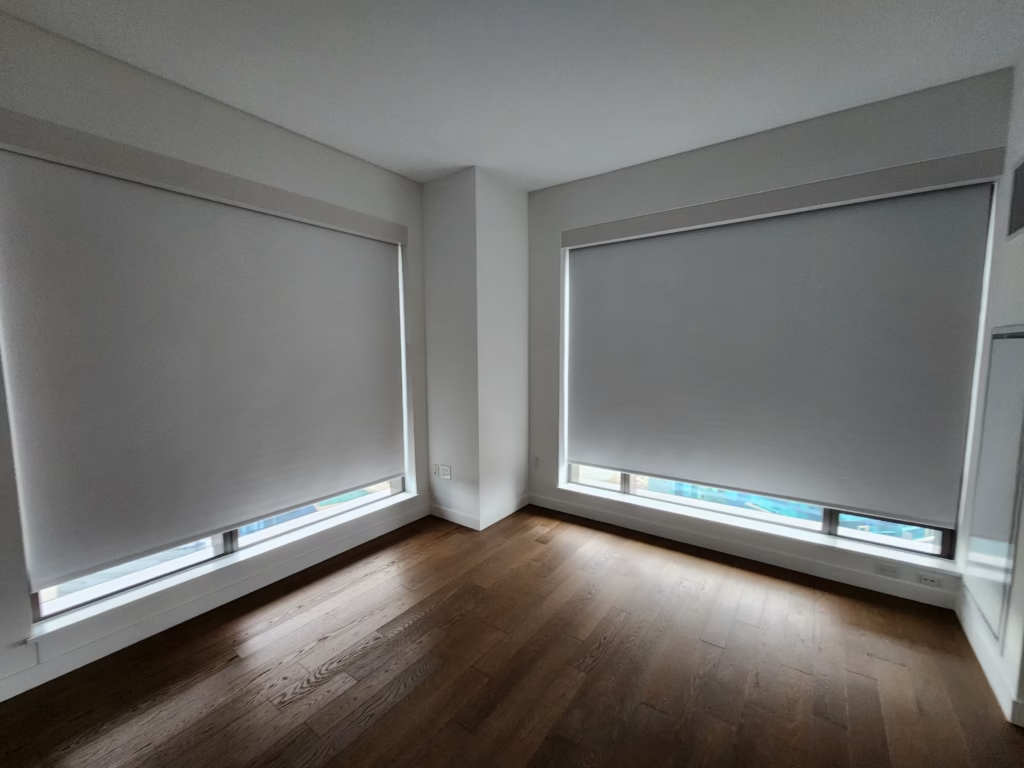
City life may mean dealing with constant noise, but you don’t have to let it invade your living space. Start by installing door seals around the entire perimeter of your door using dense neoprene material. This helps close air gaps that let sound through. Enhance this with acoustic panels made from foam, fiberglass, or other dense materials to add mass and absorb sound energy. Apply weatherstripping along the sides and top of the door frame for a continuous airtight seal. Don’t forget door sweeps or automatic door bottoms to seal gaps at the base. For added mass, consider MDF boards or mass-loaded vinyl. By sealing gaps, you not only reduce noise but also improve temperature insulation, making your home more energy-efficient. These strategies will greatly reduce noise, creating a quieter home environment.
Exterior and Structural Approaches to Noise Reduction
When you’re tackling noise reduction from the outside, focusing on structural materials and construction techniques can be highly effective. Solid, dense materials like brick and concrete outperform lightweight siding. Consider installing double or triple-pane windows with laminated glass to cut noise considerably. Exterior barriers such as an 8-foot solid fence made of heavy materials reflect and absorb sound effectively; verify minimal gaps. Landscaping techniques also play a role—dense shrubs, trees, and hedges offer modest noise reduction, especially when combined with terraced earth or berms. For enhanced results, position these barriers close to the noise source. Additionally, incorporating a sunken patio or outdoor space below street level can use natural elevation differences as a buffer, adding another layer of sound defense. Solid wood or composite doors can further improve soundproofing by blocking noise entry and enhancing the overall effectiveness of your exterior noise reduction strategy.

Comparing Costs and Effectiveness of Different Solutions
While comparing the costs and effectiveness of soundproofing solutions, it’s crucial to weigh your options based on specific needs and budgets. Double-pane windows offer moderate sound insulation at $350–$2,100 per window, while triple-pane options, costing $400–$3,540, provide superior noise reduction. Laminated glass windows are premium, promising excellent sound insulation, though they come at higher costs. Additionally, installation labor can comprise 20-30% of the total cost, influenced by the complexity and location of the installation. If you’re seeking a more affordable solution, window inserts might be your answer, costing $250–$500 each. They fit into existing frames without structural changes, offering substantial noise reduction. However, for a temporary, low-cost fix, consider acoustic curtains or shutters ($100–$300) for modest noise control. Your choice should balance cost comparisons with the level of sound insulation required.
Considerations for Renters and Homeowners
If you’re aiming to soundproof your living space, understanding the differences between options for renters and homeowners is essential.
For renters in suburban NJ, using soundproofing materials like acoustic curtains or window inserts enhances noise reduction without permanent changes. Removable options such as draft stoppers and weatherstripping are perfect as they don’t alter the structure. Always seek landlord approval for any installations involving noise reduction technologies to comply with lease agreements.
Homeowners, on the other hand, can invest in robust noise reduction technologies like high STC-rated replacement windows, offering significant noise reduction. Consider double- or triple-pane windows with varying glass thicknesses and argon gas fill for ideal results. Solid-core doors and acoustic seals are also excellent investments for enhanced soundproofing. Cityproof Citiwindows are custom manufactured based on precise measurements, providing a tailored fit for maximum soundproofing efficiency.
Maximizing Noise Reduction With Combined Solutions
To truly maximize noise reduction in your living space, combining multiple soundproofing solutions is key.
Start by using acoustic layering for windows and doors. Combine double or triple glazing with acoustic laminated glass and airtight sealing to create effective noise barriers. For added protection, apply window seal kits or clear sound barriers to existing windows, ensuring light still enters your home.
Focus on your doors by integrating acoustic door panels, high-quality weatherstripping, and door sweeps to seal gaps. Use acoustic expanding foam to fill cracks around frames, and consider acoustic meeting stiles on double doors for better sound control. Installing products level to avoid gaps ensures the effectiveness of soundproofing, as even minor air leaks can significantly impact noise reduction.
Don’t forget to choose durable door and window frames made from specialized alloys. Together, these solutions greatly enhance noise reduction from traffic.
Frequently Asked Questions
What Are the Best Soundproofing Materials for Windows and Doors?
You want to minimize noise, so use triple-pane glass or acoustic panels for windows.
Double-pane glass is effective, but triple-pane provides the best results.
To seal gaps, apply weather stripping around window frames and doors.
For doors, choose solid-core options and install acoustic door seals.
Add mass loaded vinyl or acoustic curtains for extra noise reduction.
Make certain everything’s properly sealed to prevent sound leakage, maximizing your soundproofing efforts.
How Can I Measure the Effectiveness of My Soundproofing Efforts?
To measure your soundproofing efforts’ effectiveness, start with acoustic testing methods. Use a decibel meter or a smartphone app with a calibrated microphone to capture noise levels before and after installation.
Focus on noise reduction measurement by noting the decibel difference. Test at various times for accuracy.
Consider both direct and flanking noise paths. Supplement these metrics with your subjective assessment of noise comfort to guarantee thorough evaluation.
Are There Soundproofing Options That Allow for Easy Window Cleaning?
Ever wondered if you can soundproof and keep windows easy to clean? You can!
Use window cleaning techniques with removable soundproofing panels, like interior storm windows, which let you access exterior glass without hassle.
Double-pane replacement windows also offer noise reduction while allowing full cleaning access.
Both options guarantee you don’t compromise on cleanliness while maintaining a quieter home.
How Long Do Professional Soundproofing Installations Typically Last?
When you invest in professional soundproofing techniques, expect them to last 10-20 years or more.
These installations’ longevity depends on material quality, installation method, and environmental conditions.
While installation costs might seem high initially, the durability and effectiveness make them worthwhile.
To guarantee maximum lifespan, regularly inspect seals and maintain them properly.
With soundproof windows and doors, you’ll enjoy a quieter home environment for years to come.
Can Soundproofing Impact My Home’s Energy Efficiency?
Imagine your home as a fortress where soundproofing benefits not only shield you from noise but also boost energy savings.
By reinforcing windows and doors, you reduce drafts and enhance thermal resistance. This means less reliance on heating and cooling, ultimately lowering your utility bills.
Proper soundproofing creates an energy-efficient sanctuary, keeping your home comfortable and eco-friendly.
It’s a win-win—peaceful and cost-effective living, wrapped into one.
Conclusion
Tackling traffic noise in suburban NJ might seem challenging, but with the right strategies, you can create a peaceful haven. Whether you upgrade windows, add door seals, or explore DIY options, each step reduces the noise that sneaks in like an uninvited guest. By combining methods, you’ll maximize soundproofing without breaking the bank. So, don’t let the noise get you down—take charge and enjoy the serenity you deserve in your home.