Soundproofing: The Budget-Friendly Projects for New Jersey Households
Transform your New Jersey home without spending a fortune! Foam insulation, acoustic foam panels, and mass-loaded vinyl are both affordable and effective. Install soundproof curtains for windows, and consider the DIY magic of moving blankets. These cost-effective solutions make soundproofing a reality. For improved results, explore professional insights and retrofits that don’t break the bank. Start soundproofing with these strategies and more awaits to refine your quiet retreat.
Key Takeaways
- Foam insulation offers an affordable, eco-friendly solution for reducing noise levels from traffic and neighbors.
- Mass-Loaded Vinyl (MLV) effectively blocks airborne noise, providing a cost-effective barrier for walls and ceilings.
- Acoustic foam panels improve sound clarity in home studios by absorbing mid- to high-frequency sounds.
- DIY moving blanket techniques are budget-friendly, enhancing soundproofing by layering dense materials over walls and doors.
- Professional guidance ensures effective soundproofing, aligning with local noise codes and optimizing energy efficiency.
Cost-Effective Foam Insulation Solutions
When you’re looking to soundproof a room without breaking the bank, exploring cost-effective foam insulation solutions is a great start. You don’t need to spend a fortune to enjoy a quieter space.
By choosing eco-friendly materials, you can reduce soundproofing costs and minimize your environmental impact at the same time. Foam insulation is a versatile and affordable option, effectively reducing noise levels by absorbing sound waves.
It’s easy to install and can be tailored to fit various room sizes and needs. Whether you’re dealing with traffic noise or noisy neighbors, foam insulation offers a practical solution.
Acoustic Foam Panels for Enhanced Absorption
While you might think soundproofing is all about blocking noise, acoustic foam panels play a different role by enhancing sound absorption within a room. They’re not barriers but efficient absorbers, especially for mid- to high-frequency sounds.
Acoustic foam effectiveness relies on factors like thickness and foam panel placement. For the best results, cover 20–30% of your room’s surfaces, focusing on reflective areas where sound bounces most. Acoustic panels are ideal for smaller rooms and provide a cost-effective way to control noise levels without complete noise blockage.
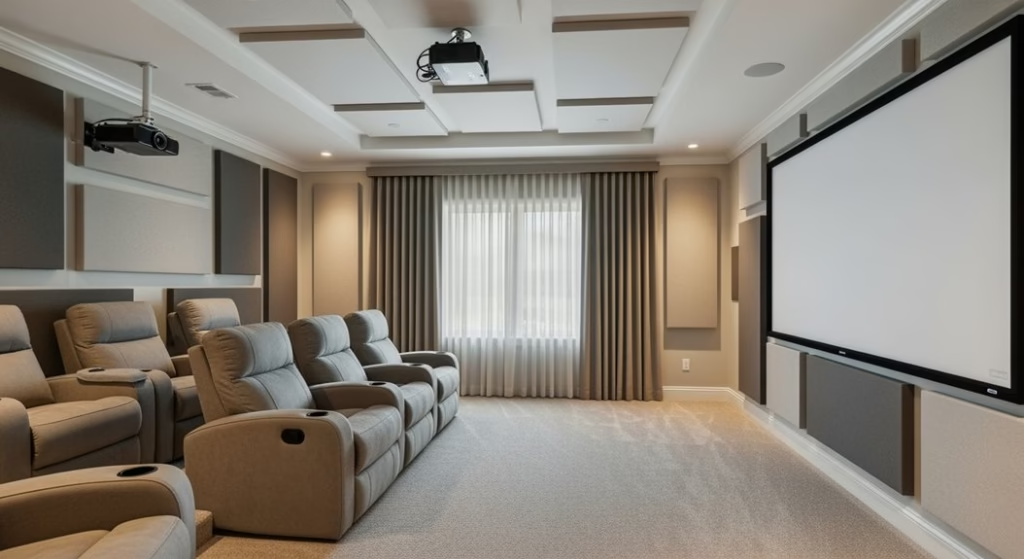
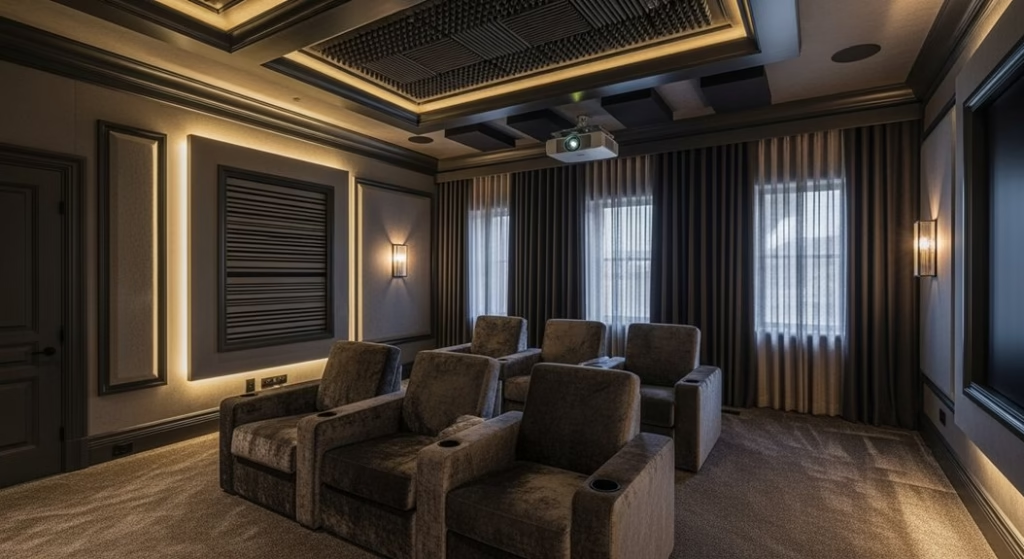
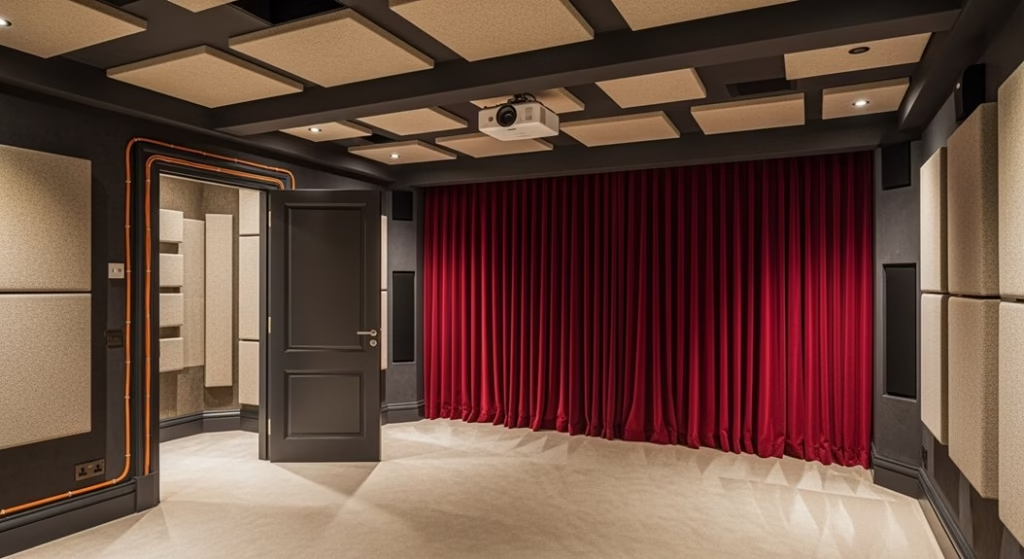
Panels are perfect for home studios or theaters, reducing echo and improving sound clarity. Remember, placement is vital—strategically mount them on walls or ceilings.
While they can dramatically improve room acoustics, don’t expect them to block sound between rooms. Their true value lies in reducing reverberation and enhancing your space’s audio quality.
Utilizing Mass-Loaded Vinyl for Sound Blocking
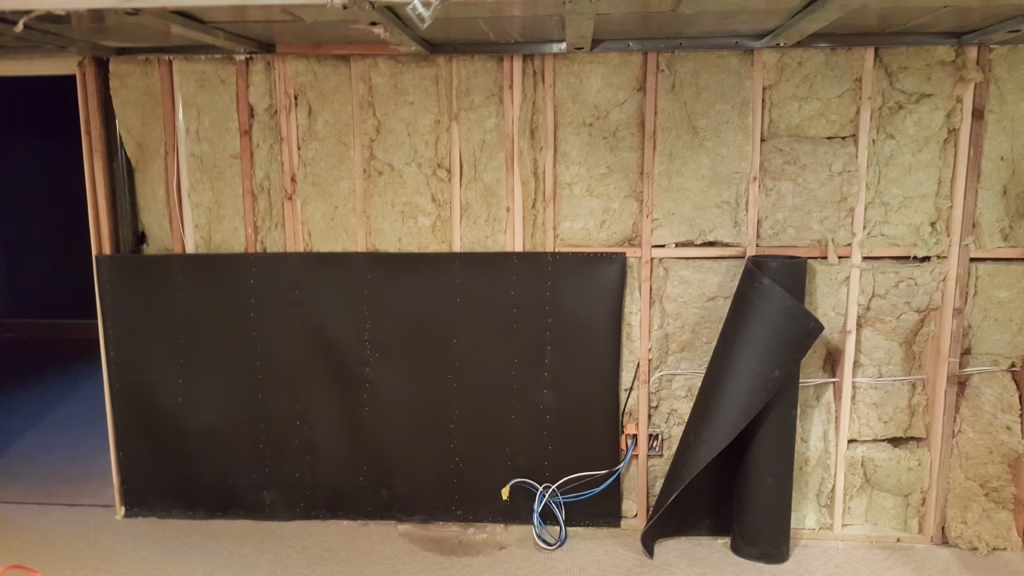
Acoustic foam panels excel at enhancing sound absorption within a room, but if your goal is to block noise from entering or leaving a space, Mass-Loaded Vinyl (MLV) is your go-to solution.
MLV is a high-density barrier that effectively reduces airborne noise like traffic and conversations. When choosing MLV, consider the MLV density comparison; higher density means better sound blocking. Allowing MLV to move freely is crucial for optimal soundproofing performance, as it absorbs sound energy more effectively.
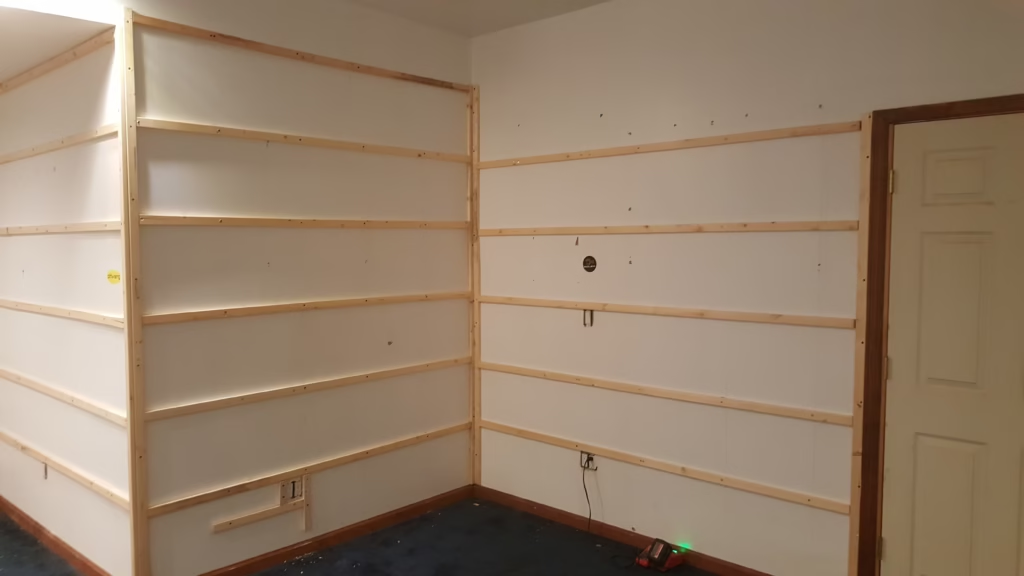
For MLV installation tips, attach it to studs before drywall for top performance or retrofit using furring strips. Seal all seams with acoustic caulking to prevent sound leaks.
Cutting MLV to fit around outlets and doors is easy with sharp shears. MLV offers long-lasting, affordable soundproofing for New Jersey households, enhancing walls’ sound transmission class considerably.

Installing Soundproof Curtains for Window Noise Reduction
Though soundproof curtains won’t completely block out external noise, they’re a valuable tool in reducing window noise and improving indoor acoustics. Opt for curtain materials like heavy, dense fabrics such as tightly woven polyester or multi-layered composites for the best results. These materials absorb echoes, making your space quieter. For installation, verify the curtains extend beyond the window frame both laterally and vertically, covering potential gaps. Ceiling-mounted tracks can further minimize sound leakage compared to standard rods. Let the curtains touch the floor to prevent sound from escaping underneath. Proper tensioning and full closure are essential installation tips to maximize effectiveness. These curtains not only reduce noise but also offer thermal insulation and privacy, making them a cost-effective solution for New Jersey households. Complete window coverage is crucial to minimize sound gaps and enhance overall sound dampening effectiveness.
Affordable DIY Moving Blanket Techniques
When it comes to soundproofing on a budget, moving blankets offer a practical and affordable solution. These dense blankets, made from materials like cotton or polyester fibers, provide significant soundproofing effectiveness by adding mass and density to your space. To maximize their impact, use moving blanket techniques such as hanging them over walls, doors, and windows with clips or hooks. For portable setups, attach blankets to rods supported by stands. Combining layers or adding carpet underfelt further enhances performance. The Blue/Blue Furniture Pads are particularly effective due to their weight, which ranges from 83-93 lbs/dz, offering superior soundproofing capabilities. While they won’t eliminate all noise, moving blankets effectively reduce echo and reverb, making them ideal for home studios or noise-prone areas. Plus, they’re cost-effective and widely available, perfect for those looking to improve their New Jersey households without breaking the bank.
Mineral Wool Versus Fiberglass Insulation
Choosing between mineral wool and fiberglass insulation can greatly impact your soundproofing and energy efficiency efforts.
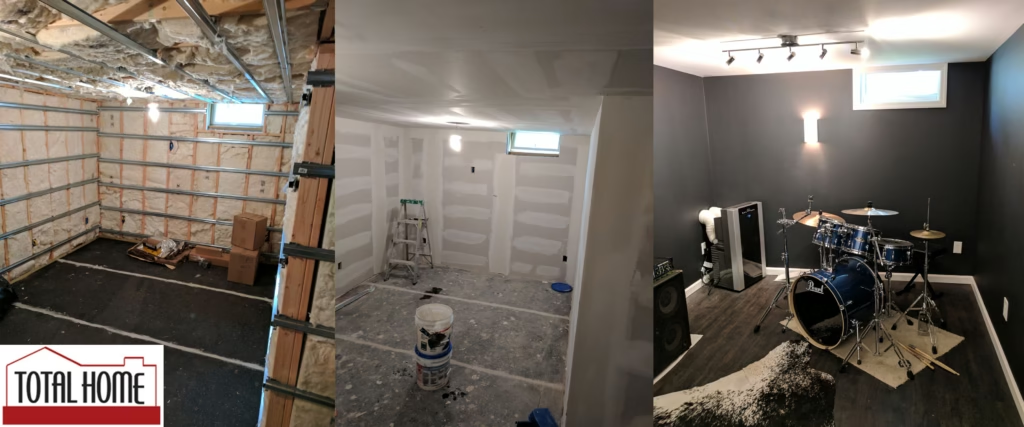
Mineral wool benefits include a higher Sound Transmission Class (STC) rating and better low-frequency sound absorption, making it ideal for high-demand acoustic settings. Its higher R-value per inch also means superior thermal insulation, which is essential for New Jersey’s climate, potentially lowering your energy bills. Additionally, mineral wool’s fire resistance and moisture management are significant advantages, especially given its hydrophobic properties. Mineral wool is composed of eco-friendly, renewable materials, making it a sustainable choice for environmentally conscious homeowners.
On the other hand, fiberglass drawbacks include lower density and thermal performance. While it’s more cost-effective and easy to install, fiberglass lacks moisture resistance, increasing mold risks in humid areas.
Consider these factors to choose the best fit for your home.
Ceiling and Floor Soundproofing Strategies
Having explored the benefits and drawbacks of mineral wool versus fiberglass insulation, let’s now focus on effective ceiling and floor soundproofing strategies.
Start by installing acoustic ceiling tiles in drop ceilings to reduce surface noise. Layer 5/8-inch drywall with mass loaded vinyl as effective sound barriers between floors. Sealing gaps around fixtures with putty pads prevents noise leakage. Comprehensive soundproofing requires addressing all layers from ceiling to floor; focusing on one layer alone is insufficient.
Install acoustic ceiling tiles and layer drywall with mass loaded vinyl to effectively reduce surface noise between floors.
For floors, use dense rubber or cork underlayments to absorb impact noise, or opt for floating floors over isolation mats to reduce vibrations. Carpeting with thick underpads cuts down both impact and airborne sounds. Incorporate mass loaded vinyl barriers under flooring to block airborne noise.
These strategies, combining ceiling tiles and sound barriers, offer practical solutions for soundproofing your New Jersey home affordably.
Professional Guidance and Retrofit Considerations
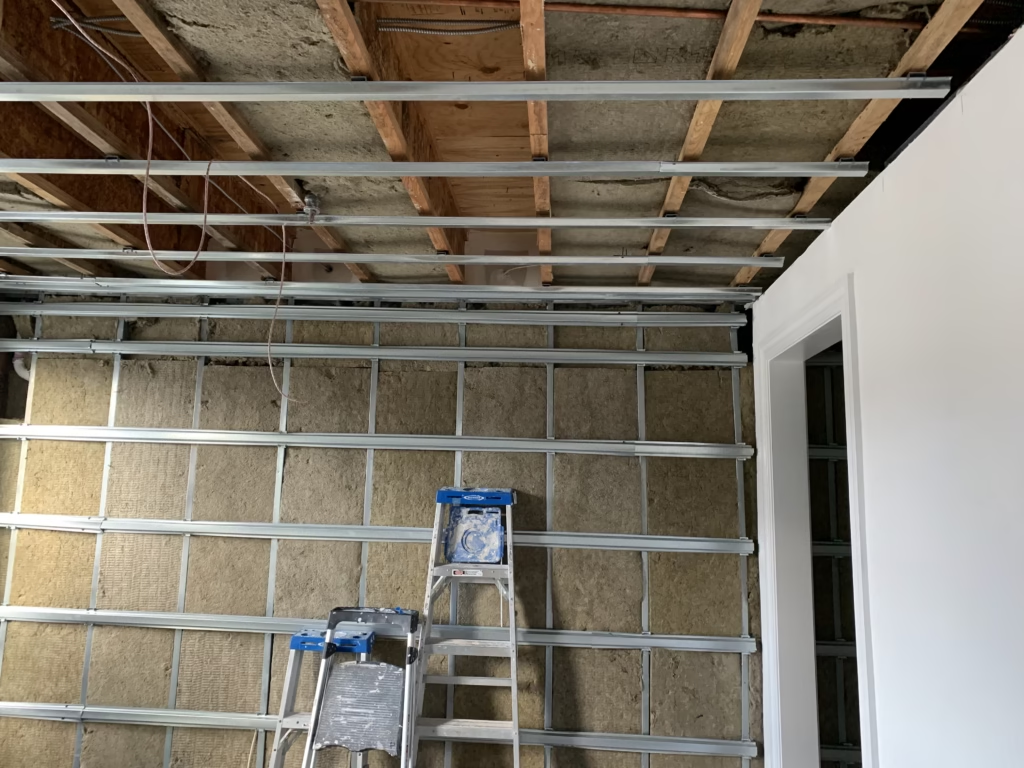
Although soundproofing your home can seem intimidating, seeking professional guidance can simplify the process and guarantee successful results. Local experts like New York Soundproofing offer tailored solutions, making certain your project aligns with building regulations and local noise codes. Professional consultation helps you choose the best materials, like GreenGlue or CertainTeed drywall, to address noise effectively and maintain compliance. For retrofitting, consider soundproofing windows and doors to reduce urban noise. Professionals can help with installing effective insulation and panels, improving both sound quality and energy efficiency. They’ll make certain your solutions meet safety standards and optimize acoustics for shared spaces. Consulting with experts also aids in identifying cost-effective retrofits, making your New Jersey home more peaceful without breaking the bank. Additionally, soundproofing can enhance energy efficiency by improving thermal insulation, which may also contribute to lowering energy costs.
Frequently Asked Questions
How Can Soundproofing Increase My Home’s Property Value?
Soundproofing can boost your property’s value by effectively reducing noise, making your home more appealing to buyers.
Installing soundproof windows or insulated walls enhances privacy and improves the perceived quality of your home.
Noise reduction is essential for a peaceful environment, aligning with wellness trends that buyers love.
Additionally, soundproofing can increase energy efficiency and provide a better return on investment, especially in busy urban areas.
Are There Eco-Friendly Soundproofing Options Available?
Yes, you’ll find eco-friendly soundproofing options that use green materials and sustainable solutions.
Polyester fiber panels, made from recycled plastics, and cellulose insulation, from recycled paper, offer effective sound absorption.
Sheep’s wool and recycled denim provide natural insulation, while cork offers mold resistance.
These materials not only enhance acoustics but also improve energy efficiency.
They’re safe, low-maintenance, and help create a healthier indoor environment with minimal environmental impact.
What Is the Best Way to Soundproof a Garage or Workshop?
Did you know that 90% of sound escapes through uninsulated surfaces?
To soundproof your garage or workshop effectively, focus on garage insulation and installing acoustic panels. Start by sealing gaps with acoustic caulking and adding insulated garage doors.
Enhance sound absorption by placing acoustic panels on walls and ceilings. These methods not only reduce noise but also improve energy efficiency, making your space quieter and more comfortable without breaking the bank.
Can Soundproofing Help With Energy Efficiency in Homes?
Absolutely, soundproofing can boost energy efficiency in your home.
By adding sound insulation, you’re not just reducing noise but also improving thermal regulation.
Materials like acoustic panels and insulation foam trap air, hindering heat transfer. This means you’ll enjoy energy savings by relying less on heating and cooling systems.
Plus, sealing gaps with weather stripping reduces drafts, further cutting down energy loss and helping you save on utility bills.
How Long Does the Soundproofing Installation Process Typically Take?
Soundproofing installation timelines vary based on room size, wall conditions, and whether you’re DIY-ing or hiring pros.
Typically, it takes 1–3 days for a small room like a 12’x12’ bedroom. If you add labor costs, professional crews are quicker but pricier.
DIY projects might take longer due to learning curves. Complicated tasks like resilient channels can add hours, so plan accordingly to avoid unexpected delays in your project.
Conclusion
You’ve just discovered that soundproofing your New Jersey home doesn’t have to break the bank. Coincidentally, these budget-friendly projects align perfectly with your needs. Whether you’re tackling foam insulation or hanging soundproof curtains, each method contributes to a quieter living space. By trying DIY moving blankets or comparing mineral wool to fiberglass, you’ll find what suits your home best. Remember, with a bit of effort and creativity, peace and quiet can be achieved affordably.