Soundproofing for Restaurants and Cafés: Customer Experience in NJ
Transforming your restaurant or café in NJ enhances your customers’ experience with effective soundproofing solutions. By using acoustic paneling options, you’ll reduce echoes and improve speech clarity. Incorporate structural soundproofing techniques and enjoy a pleasant ambiance that makes conversations more enjoyable. Strategic layout and noise-absorbing décor help manage sound in high-traffic zones. Investing in soundproofing brings fewer complaints, positive reviews, and a better atmosphere. Discover how to elevate your space for diners and staff alike.
Key Takeaways
- Acoustic paneling reduces echo, improving speech clarity and enhancing diner experience.
- Structural soundproofing techniques create a pleasant ambiance and promote easier conversation.
- Zone creation and strategic layout manage noise in high-traffic areas effectively.
- Monitoring acoustic performance metrics ensures optimal sound levels for communication.
- Investing 2-4% of renovation budgets in soundproofing offers significant ROI in customer satisfaction.
Key Acoustic Treatment Solutions for Dining Areas
When it comes to enhancing the acoustics of dining areas, several effective solutions can make a significant difference. You can explore various acoustic paneling options to improve the sound environment.
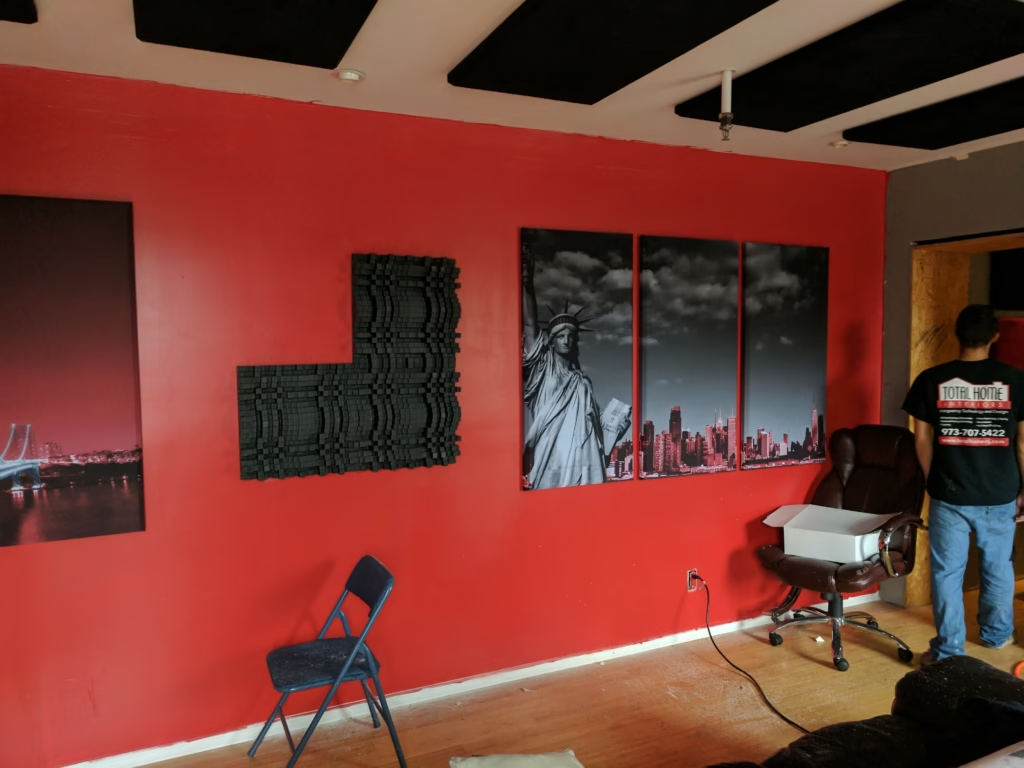
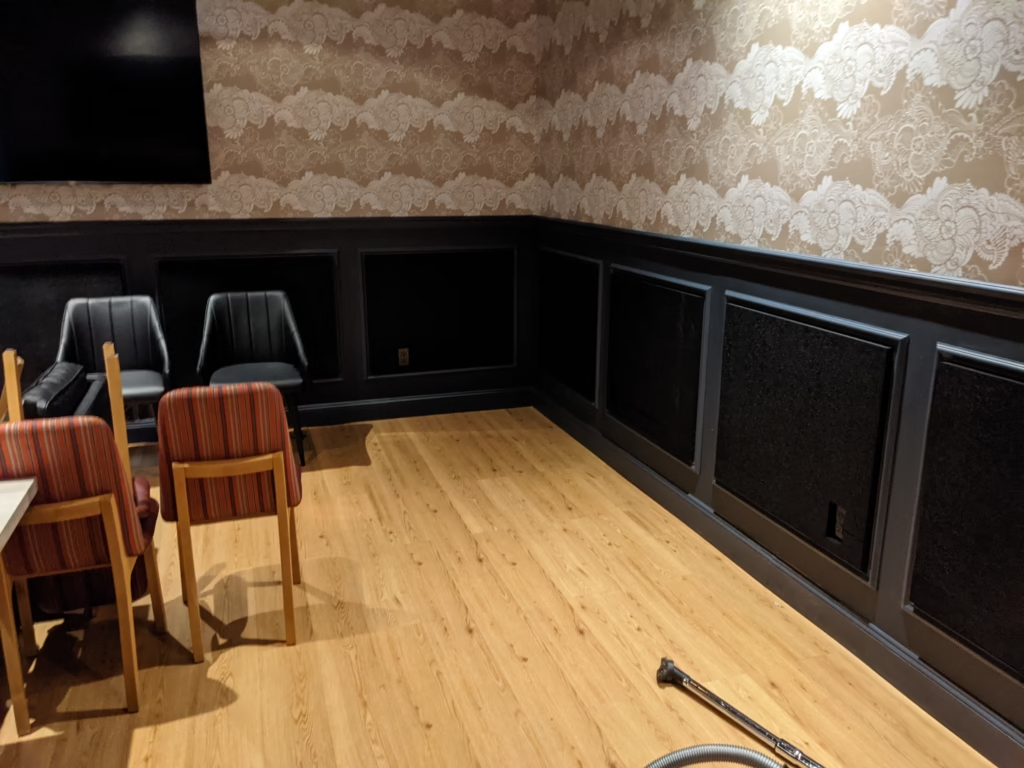
Fabric-wrapped panels are excellent sound absorption materials that reduce echo and enhance speech clarity. Consider wall-mounted panels that blend aesthetics with functionality, serving as both decor and branding elements.
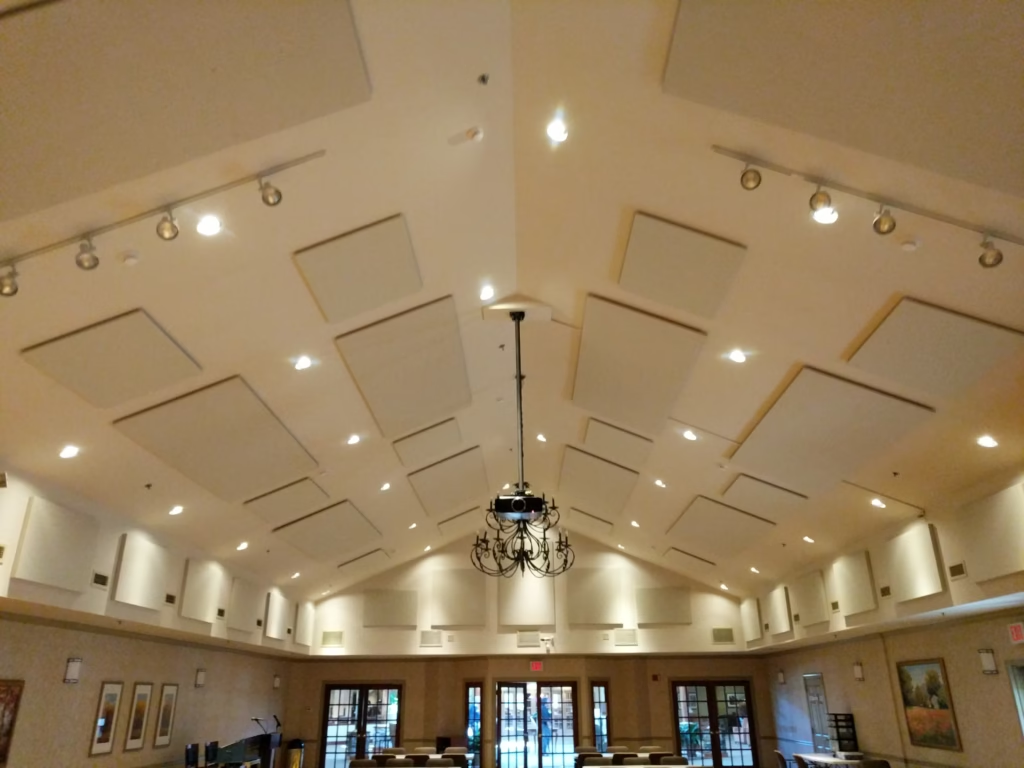
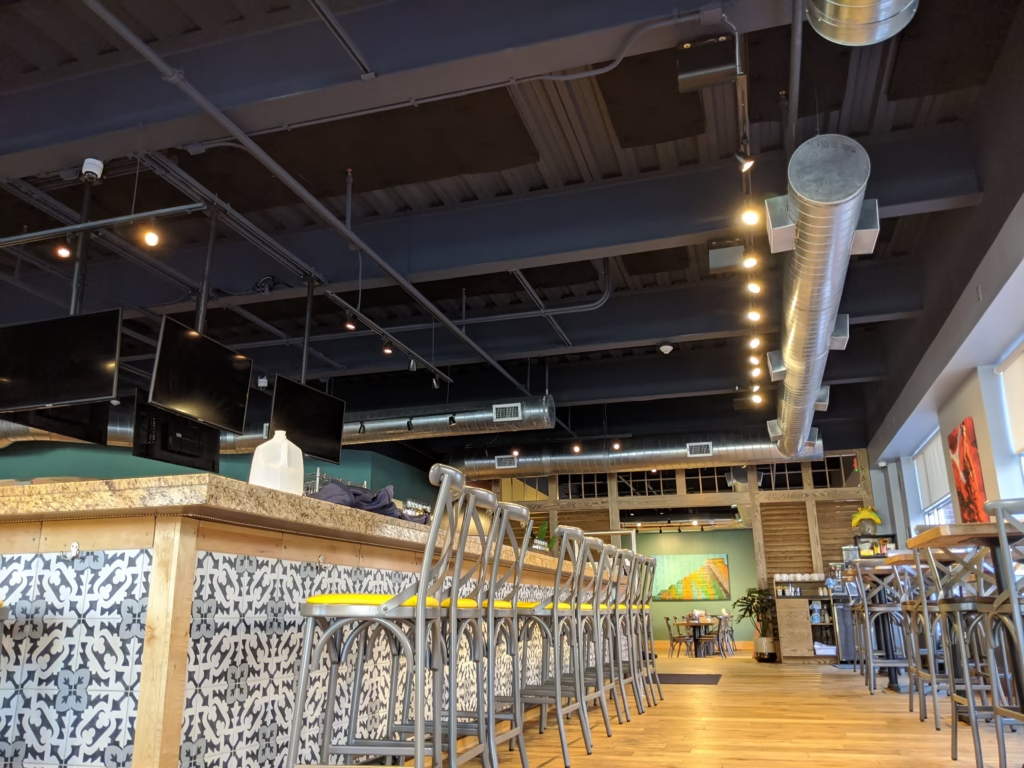
Ceiling-mounted acoustic panels, like ceiling clouds, are perfect for absorbing sound under high ceilings without using wall space. Specialized panels under tables prevent sound reflection, ensuring a quieter dining experience.
For hygiene-conscious settings, fire-retardant panels with bleachable fabrics are ideal. By incorporating these solutions, you’ll create a more comfortable and inviting atmosphere for diners, enhancing their overall experience. Proper acoustic treatment is essential for reducing echo and maintaining a comfortable environment.
Structural Soundproofing Techniques for Restaurants
While enhancing the dining atmosphere, structural soundproofing techniques are essential for managing noise levels in restaurants. By focusing on acoustic design, you can create a more comfortable experience for your patrons. Implement full wall covers with flat sound absorbers to allow sound waves to penetrate acoustic fabrics, maximizing sound absorption without sacrificing aesthetics. Fabric-wrapped acoustic panels not only reduce echo but also improve speech clarity, blending seamlessly with your decor. For flexible options, consider wall-mounted aluminum hanging cassette absorbers, ideal for leased spaces. On the ceiling, use acoustic clouds or baffles to absorb sound from above, effectively controlling reverberation. These thoughtful structural improvements guarantee your restaurant maintains a pleasant ambiance, inviting customers to enjoy their meals in peace. Excessive noise from the drive-thru should be minimized to enhance the overall dining experience.
Effective Noise Control in High-Traffic Zones
Understanding effective noise control in high-traffic zones is essential for maintaining a pleasant dining experience. With increased occupancy density, noise levels can spike, pushing patrons to speak louder and elevating the overall noise. In Hong Kong, noise levels in restaurants were found to significantly depend on occupancy density, with higher densities leading to increased sound levels. Here’s how you can manage noise effectively:
- Zone Creation: Use partial partitions and booth seating to define areas and limit sound travel.
- Strategic Layout: Position louder zones, like kitchens and bars, away from quieter seating areas.
- Soundproofing: Install glass partitions or half-walls in open kitchens to reduce noise spillover.
- Decor and Furniture: Incorporate noise-absorbing décor and strategically place furniture to enhance acoustic comfort.
These steps in noise management help control the soundscape, ensuring a better dining atmosphere for your patrons.
Understanding Acoustic Performance Metrics
Acoustic performance metrics are vital for creating a comfortable dining environment in restaurants and cafés. When you understand these metrics, you can enhance sound clarity and guarantee guests enjoy their visit.
Key acoustic metrics include sound levels, typically ranging from 50 dB to 88 dB, influenced by the space’s occupancy. The Vocal Signal-to-Noise Ratio (SNR) and Quality of Vocal Communication (QVC) are essential for speech intelligibility but can be affected by high reverberation times over 1.4 seconds. Increased sound pressure levels by more than 3dB with each doubling of occupancy can impact communication.
Monitoring mean LAeq levels helps you assess average noise exposure. To maintain comfort, manage acoustical capacity, and use the Café and Restaurant Acoustic Index (CRAI) for ratings.
These insights guide effective soundproofing, guaranteeing an inviting atmosphere for patrons.
Customized Soundproofing Services in NJ
- Conduct expert evaluations to identify noise sources and transmission paths specific to your space.
- Install acoustic ceiling panels and wall treatments to control reverberation and noise levels.
- Use eco-friendly materials like fabric-wrapped panels for sustainable noise control.
- Integrate sound barriers and acoustic caulking to seal gaps and reduce flanking noise.
Total Home Interiors, with nearly 20 years of experience, ensures that these measures are implemented effectively, enhancing ambiance while considering both design and operational needs.
Advantages of Soundproofing in Hospitality Settings
While choosing customized soundproofing solutions is essential, understanding the full range of benefits this investment brings to hospitality settings is equally important.
Effective acoustic design enhances customer experience by allowing easier conversation and creating a relaxed atmosphere. This reduces stress and anxiety, encouraging longer dining times and boosting per-table revenue by up to 23%. Quieter spaces are essential for those with hearing difficulties or sensory processing conditions, promoting inclusivity and comfort for all patrons. Lower noise levels lead to fewer complaints, resulting in more positive reviews and improved customer retention.
Easier conversation and a relaxed atmosphere boost revenue by 23% and improve customer retention.
Soundproofing also boosts employee productivity by minimizing distractions and stress, leading to clearer communication and better teamwork.
Financially, it requires just 2-4% of renovation budgets but offers a measurable ROI with increased dining times and beverage sales.
Ultimately, a soundproofed environment elevates your venue’s ambiance, attracting more patrons and generating positive word-of-mouth.
Frequently Asked Questions
How Long Does Soundproofing Installation Take in a Small Restaurant?
You’re wondering about the installation timeline for soundproofing in a small restaurant.
Typically, it takes anywhere from a few hours to 3 days, depending on the complexity of the project. If you opt for professional acoustic treatment, expect 1-3 days, while self-installation of panels can be quicker.
Customer feedback often highlights the importance of flexible scheduling to minimize disruptions. Proper planning guarantees effective soundproofing and enhances the dining experience for your patrons.
What Is the Cost Range for Restaurant Soundproofing in NJ?
You’re diving into the world of soundproofing, where costs can feel like a rollercoaster!
In NJ, soundproofing techniques vary wildly, influencing your budget dramatically. You’ll find yourself spending anywhere from $1,523 to a jaw-dropping $5,000 or more.
Key cost factors include room size, materials like foam panels or mass-loaded vinyl, and the complexity of installation.
Labor isn’t cheap either, ranging from $200 to $500 per day, depending on expertise required.
Are There Eco-Friendly Soundproofing Materials Available?
You’ll find plenty of sustainable options for eco-friendly soundproofing materials.
Acoustic insulation made from recycled natural fibers, such as cotton and cellulose, provides excellent sound absorption.
Mass loaded vinyl barriers and spray-on systems use recyclable components.
These materials not only help control noise but also meet environmental and health standards like LEED and UL GREENGUARD Gold certifications.
They’re perfect for creating a quieter and greener space.
Can Soundproofing Be Installed Without Disrupting Business Operations?
Where there’s a will, there’s a way. You can install soundproofing without disrupting operations by scheduling during off-hours and using quick-installation techniques.
Focus on noise reduction by employing surface-mounted acoustic panels and mass-loaded vinyl. These methods minimize downtime.
Temporary barriers control dust and noise, while coordinating with professionals guarantees smooth execution.
Communicate schedules with staff for seamless integration, keeping your business running smoothly and your customers undisturbed.
How Does Soundproofing Affect Restaurant Interior Design Options?
When you consider soundproofing in your restaurant, it affects interior design options by enhancing acoustic aesthetics while offering design flexibility.
You can use fabric-wrapped panels or custom-printed acoustic art to blend functionality with style. Ceiling baffles and acoustic tiles integrate seamlessly, allowing you to maintain your design theme.
Soft furnishings like cushioned seating and plush carpets not only absorb sound but also add to the comfort and inviting atmosphere of your space.
Conclusion
By embracing soundproofing, you’re not just reducing noise; you’re elevating your guests’ dining experience. Imagine a bustling café where conversations flow effortlessly, free from the clatter of dishes and street noise. While chaos reigns outside, serenity prevails inside. In New Jersey’s vibrant hospitality scene, investing in tailored acoustic solutions sets you apart. It’s not just about quiet; it’s about creating an inviting atmosphere that encourages patrons to linger, enjoy, and return.