
Creating Quiet Workspaces: Soundproofing Home Offices in New Jersey
Soundproofing your home office in New Jersey is essential to combat urban noise that can endanger your health and hurt productivity. Use materials like acoustic panels, mineral wool insulation, and Mass-Loaded Vinyl for effective noise reduction. Consider structural techniques such as suspended ceilings and resilient channels to further block sound. Whether you go DIY or hire professionals, creating a quieter workspace will boost focus and efficiency. Discover how to transform your office into a peaceful haven.
Key Takeaways
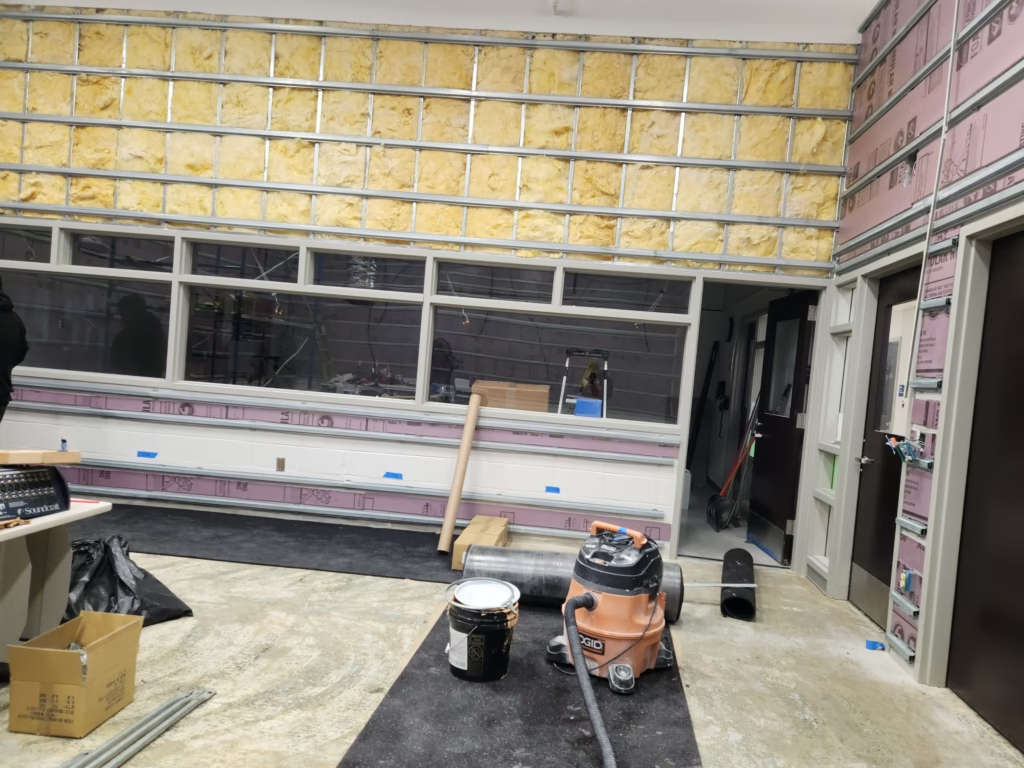
- Utilize fabric-wrapped fiberglass panels to absorb echoes and improve sound quality in home offices.
- Install CertainTeed SilentFX QuickCut drywall to effectively reduce urban noise in New Jersey workspaces.
- Apply GreenGlue Noiseproofing Compound between drywall layers for optimized sound isolation in home offices.
- Incorporate solid-core doors and acoustic seals to minimize noise leaks in office spaces.
- Consider professional soundproofing services for comprehensive and expertly crafted noise reduction solutions.
The Importance of Soundproofing in Urban New Jersey
Why should soundproofing matter to you if you live in urban New Jersey? Urban noise is more than just a nuisance; it’s a serious health risk.
In New Jersey, noise pollution is linked to 1 in 20 heart attacks. Living near highways, airports, and train lines means daily exposure to noise levels above 65 decibels, which can greatly impact your heart health. Research shows that high noise levels from transportation are linked to an increased risk of heart attacks, emphasizing the importance of reducing noise exposure in urban settings.
Urban areas like Newark and Jersey City, with dense populations and heavy traffic, experience constant noise that can elevate stress and disrupt your peace.
Sound insulation in your home can help mitigate these risks by creating a quieter environment.
Consider soundproofing not only for comfort but as a proactive step towards protecting your well-being in a bustling urban landscape.

Key Soundproofing Materials for Home Offices
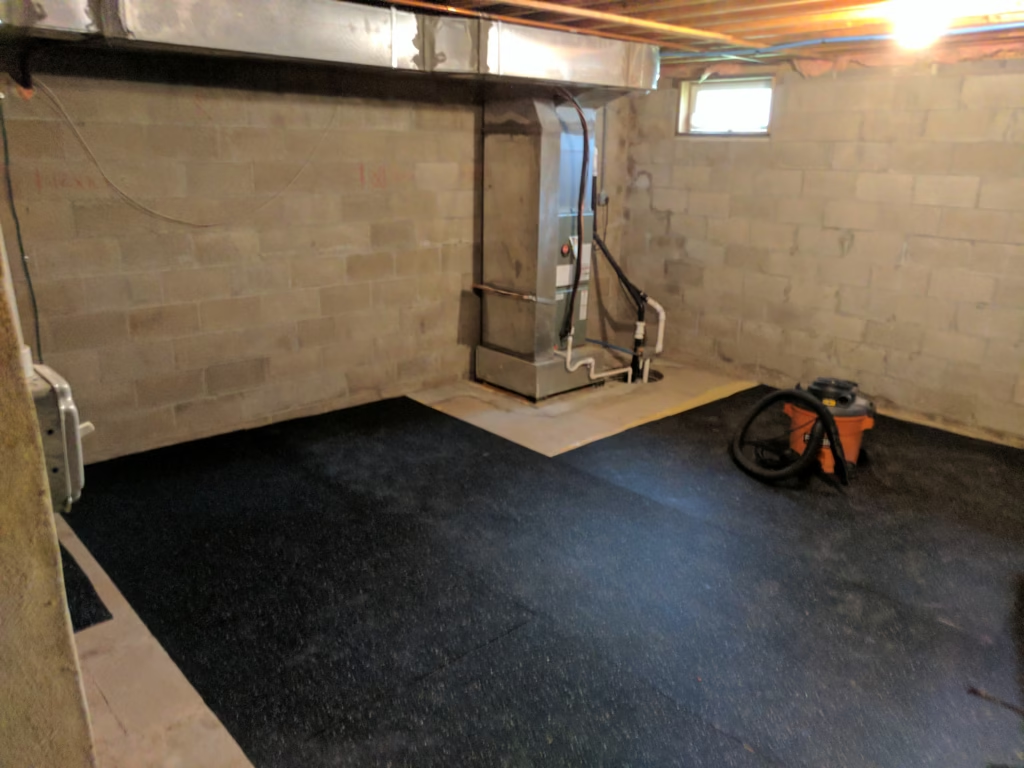
Living in urban New Jersey means dealing with constant noise, but you can create a peaceful home office with the right soundproofing materials. Start with acoustic paneling options like foam or fabric-wrapped fiberglass panels. They absorb sound waves, improving clarity during calls. Compare these with mineral wool insulation, which blocks noise between rooms and floors. It’s dense and fits snugly, offering both soundproofing and thermal insulation benefits. Mass-loaded vinyl (MLV) is another great option, blocking airborne noise effectively when layered behind drywall. It’s flexible and works well with other materials. For an easy, non-permanent solution, consider soundproofing blankets or curtains. They’re cost-effective, reusable, and control both noise and light, ideal for renters or temporary setups. Excessive noise in the office can reduce productivity by up to 66%, making soundproofing an essential investment for anyone working from home.
Structural Techniques for Effective Noise Reduction
Although urban environments are often noisy, you can effectively reduce sound in your home office with structural techniques designed for noise reduction. Begin by using existing brick or concrete walls as a solid mass base, framing a new drywall wall at least 30mm away to create an air gap that minimizes vibration transmission. Opt for metal studs and fill the cavity with mineral wool or fiberglass insulation. It’s important to identify sources of noise, such as street traffic or neighbors, to address them effectively during the planning stage. For ceilings, employ a suspended ceiling system with metal joists and OSB sheathing, which isolates vibrations and dampens impact noise. Incorporate acoustic panels strategically for additional sound absorption. Use resilient channels and sound clips for enhanced vibration control, separating wall layers to reduce low-frequency noises. Professional installation guarantees effective structural isolation.

Addressing Noise Challenges in Older New Jersey Homes
Facing noise challenges in older New Jersey homes requires a blend of modern soundproofing techniques and respect for historical architecture. You’ll find that urban noise, like ferry horns and jet engines, can disrupt your peace, especially in homes near major roads and airports. Historical preservation is vital when addressing these issues, as many homes are made from sound-reflecting materials like brick and concrete. Structural modifications, such as lowering ceilings or adjusting door clearances, can help, though these must be done carefully to maintain historical integrity. Close proximity of row houses further complicates noise, amplifying it between structures. Many homeowners in these areas have turned to expert assistance] for soundproofing projects, recognizing the need for tailored solutions to effectively manage the unique noise challenges their homes face. Balancing effective soundproofing with respect for architectural history guarantees your home remains serene while honoring its past.
DIY Versus Professional Soundproofing Solutions
When considering soundproofing your home office, you’ll encounter two main approaches: DIY and professional solutions.
DIY techniques offer significant cost savings, with materials like foam panels and acoustic tiles readily available. You can customize solutions to your specific needs, making them ideal for renters or those looking to enhance their home improvement skills. It is important to assess your personal capabilities and skills before starting a DIY project to ensure successful execution.
However, DIY efforts may not achieve complete noise reduction and require time and effort for effective installation.
On the other hand, professional services provide superior noise reduction, offering thorough and permanent solutions. They come with warranties, ensuring peace of mind.
While professional projects incur higher costs and less flexibility for renters, they save you time and hassle, delivering expertly crafted soundproof environments tailored to your needs.
Enhancing Productivity With a Quiet Workspace
Creating a quiet workspace can greatly boost productivity by minimizing distractions and allowing for deeper focus on tasks. Noise is a major productivity blocker, especially in open-plan offices. By improving workspace acoustics, you can reduce interruptions and stress, fostering a more efficient work environment. Studies show that quiet zones enhance cognitive performance by nearly 17% and mitigate “time confetti,” allowing better focus on complex tasks. Implementing productivity strategies like scheduled quiet periods can increase productivity by up to 65%. Acoustic design, including soundproofing and strategic layouts, helps reduce noise from 40–45 dBA to levels ideal for focused work. Consider investing in sound-absorbing materials and noise control measures to transform your home office into a haven of concentration and success. Time famine can be alleviated by creating specific periods for uninterrupted work, which reduces feelings of being overwhelmed and enhances task completion efficiency.
Local Considerations and Building Codes
Although soundproofing your home office can greatly enhance productivity, it’s vital to take into account local noise regulations and building codes.
New Jersey’s noise limits, such as 65 dBA during daytime, guarantee a quieter environment but may necessitate specific soundproofing measures. Local noise ordinances might impose stricter controls, especially in multi-family buildings, to protect residents.
Here’s what you should consider:
- Understand Building Requirements: Check local codes for minimum sound transmission class (STC) ratings for walls and ceilings, important for reducing airborne and impact noise.
- Permits and Inspections: Soundproofing efforts may require permits, and adherence to local building requirements guarantees compliance.
- Local Noise Sources: Identify nearby disturbances like traffic and construction, which impact your soundproofing strategy. Considering the benefits of soundproofing, it not only reduces noise pollution but also enhances energy efficiency by improving thermal insulation, which can be especially beneficial in New Jersey’s varying climate.
Popular Soundproofing Products and Methods
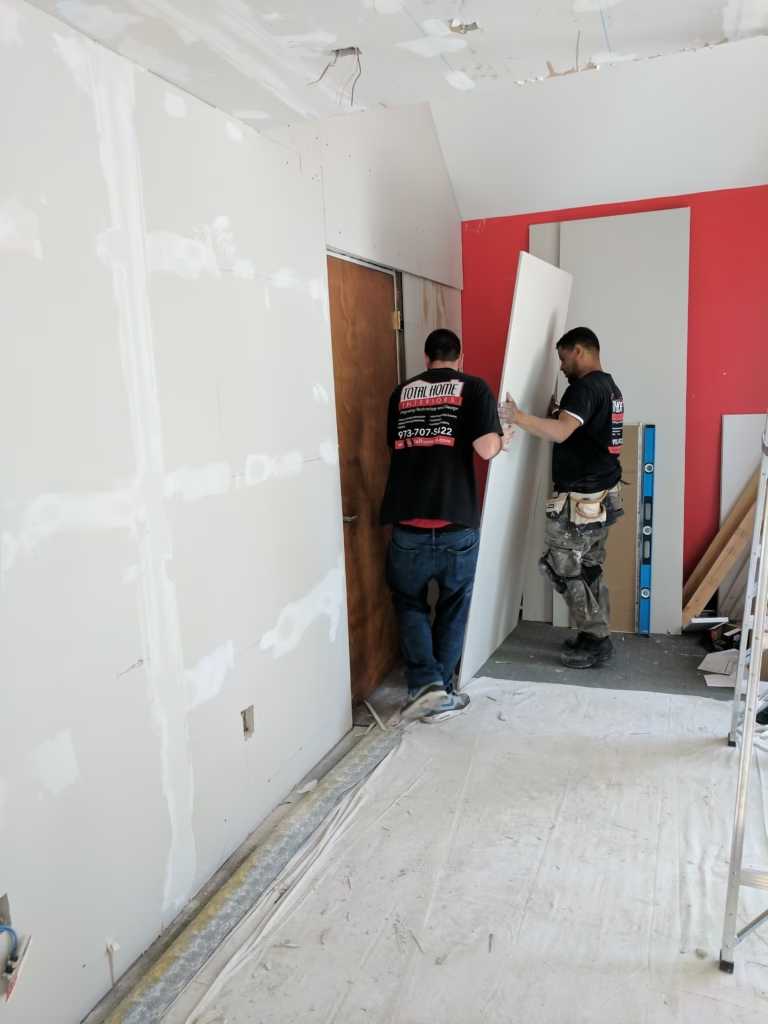
To achieve effective soundproofing in your home office, it’s important to explore popular products and methods tailored to your specific needs. Soundproofing technologies like CertainTeed SilentFX QuickCut drywall and GreenGlue Noiseproofing Compound are excellent for reducing noise in dense urban settings such as New Jersey. These products optimize sound isolation without adding bulk. Acoustic design elements, such as fabric-wrapped fiberglass panels, enhance sound quality by absorbing echoes, ideal for shared walls. Mass-loaded vinyl and mineral wool insulation further block sound, creating a quiet workspace. Industries in New Jersey benefit from companies like Aeroacoustic Corporation, which offers acoustical enclosures and wall panels. Don’t overlook door and window solutions—acoustic seals and solid-core doors greatly cut noise leaks. Combining these methods guarantees thorough soundproofing, allowing you to focus without distractions in your home office.
Long-Term Benefits of Soundproofed Home Offices
While it might seem like a luxury, soundproofing your home office offers substantial long-term benefits that extend beyond mere noise reduction. By investing in a quieter workspace, you enhance your mental health and cognitive performance, leading to a more fulfilling work environment. Here’s how:
- Mental Health Improvements: Soundproofed spaces drastically cut down on noise-related stress and anxiety. You’ll enjoy a more peaceful atmosphere that supports emotional well-being and reduces fatigue. Reducing distractions leads to happier, more productive employees, as highlighted in a Udemy survey, which underscores the importance of minimizing noise in work environments.
- Enhanced Cognitive Performance: A quiet office boosts your focus and memory, allowing you to tackle complex tasks with greater ease. Clear communication during calls and meetings becomes simpler, promoting efficiency.
- Increased Productivity and Efficiency: Fewer distractions mean higher task completion rates and quicker problem-solving, paving the way for long-term career success.
Frequently Asked Questions
How Much Does Professional Soundproofing Installation Typically Cost in New Jersey?
You’re curious about soundproofing installation costs in New Jersey, aren’t you?
Typically, in Bergen County, costs range from $1,427 to $2,050, while Hudson County sees averages between $1,513 and $1,999.
These figures cover materials, labor, and cleanup, but watch out for extra charges like permits and contractor fees.
Despite the costs, the benefits of soundproofing—like reduced noise and increased privacy—make it a valuable investment for your peace and productivity.
What Are the Best Soundproofing Options for Rented Apartments in New Jersey?
For rented apartments in New Jersey, you can effectively use acoustic panels and noise barriers without making permanent changes.
Install acoustic foam panels with removable adhesive strips to absorb sound. Use Mass-Loaded Vinyl (MLV) barriers behind curtains to block noise.
Acoustic curtains and rugs also help muffle ambient sounds.
Freestanding room dividers equipped with soundproofing materials are great for creating quiet zones without altering the apartment’s structure.
Can Soundproofing Also Improve Thermal Insulation in Home Offices?
Yes, soundproofing can definitely improve thermal insulation in home offices.
By using materials like fiberglass or foam boards, you’ll enjoy soundproofing benefits while enhancing thermal efficiency. These materials reduce noise and minimize heat transfer, making your space quieter and more energy-efficient.
You’ll save on heating and cooling costs, and create a comfortable environment.
Are There Eco-Friendly Soundproofing Materials Available for Home Offices?
Absolutely, you can find eco-friendly soundproofing materials for home offices.
Look into recycled acoustic panels, which use materials like recycled cotton and cellulose, offering both sound absorption and sustainability.
Sustainable insulation options, such as those made from plant or recycled fibers, not only dampen noise but are also environmentally responsible.
These materials support green building certifications, making your workspace quieter and more eco-conscious without compromising on quality or safety.
How Long Does the Soundproofing Installation Process Usually Take?
You might be wondering about the installation duration for soundproofing.
Basic soundproofing techniques like adding acoustic panels typically take a few days to a week.
More extensive projects involving ceilings, floors, and walls can take one to two weeks or more.
Factors like material availability and complexity affect timelines.
Starting soundproofing during renovations often speeds up the process, making it a more efficient choice for creating a quieter workspace.
Conclusion
Imagine your home office as an oasis of calm in the bustling heart of New Jersey. By soundproofing, you’re not just blocking out noise; you’re building a fortress of focus. With the right materials and methods, your productivity can soar to new heights, undisturbed by urban chaos. Whether you tackle it yourself or call in the pros, investing in a quiet workspace is like planting seeds for a flourishing future. Embrace tranquility and watch your creativity bloom.