Best Smart Lighting Systems for Every Room (Philips Hue vs. Alternatives)
You want smart lights that fit each room and budget. Pick Philips Hue for living rooms’ scenes, rich colors, and scalable automations. Choose Wyze Color for bedrooms on a budget and voice control without a hub. Use Kasa or Tapo in kitchens for bright, tunable white; try Govee strips and panels for gaming or theaters. Mix Hue or Kasa in offices with routines; dimmables suit baths. We test brightness, color, and apps in a 15,000‑sq‑ft lab, and there’s more to compare.
Key Takeaways
- Living rooms: Philips Hue excels for scenes, color ambience, and scalability; add light strips for TV bias lighting.
- Bedrooms: Wyze Bulb Color offers affordable, hub-free voice control and tunable white for relaxing routines.
- Kitchens: Kasa Smart Bulbs provide bright, tunable white for task lighting at a budget-friendly price.
- Gamers/home theaters: Govee delivers immersive RGB light strips and panels with strong effects at low cost.
- Choose Hue for reliability, HomeKit/Zigbee ecosystem, and expansion; pick Wyze/Tapo for essentials under $25 without hubs.
Why You Can Trust Our Smart Lighting Picks
Confidence comes from process: our smart lighting picks stem from hands-on testing in CNET’s 15,000-square-foot lab, guided by more than 30 years of evaluation expertise.
You get trustworthy product insights because we put smart lighting products through repeatable trials that measure performance, user experience, and compatibility across popular smart home devices. Our independently conducted reviews cover Philips Hue and a wide range of smart light bulbs, using the same criteria for setup, app control, voice integration, and reliability.
We verify claims, compare results against benchmarks, and update recommendations to reflect the latest product releases.
Review leads Tyler Lacoma and Chris Wedel apply years of testing know-how to cut through marketing and highlight what actually works.
We disclose affiliate links and keep editorial decisions separate, so your choices stay unbiased.
Room-by-Room Recommendations and Top Alternatives
Start with the rooms you use most and match features to how you live.
Start with your most-used rooms and match smart lighting features to your lifestyle
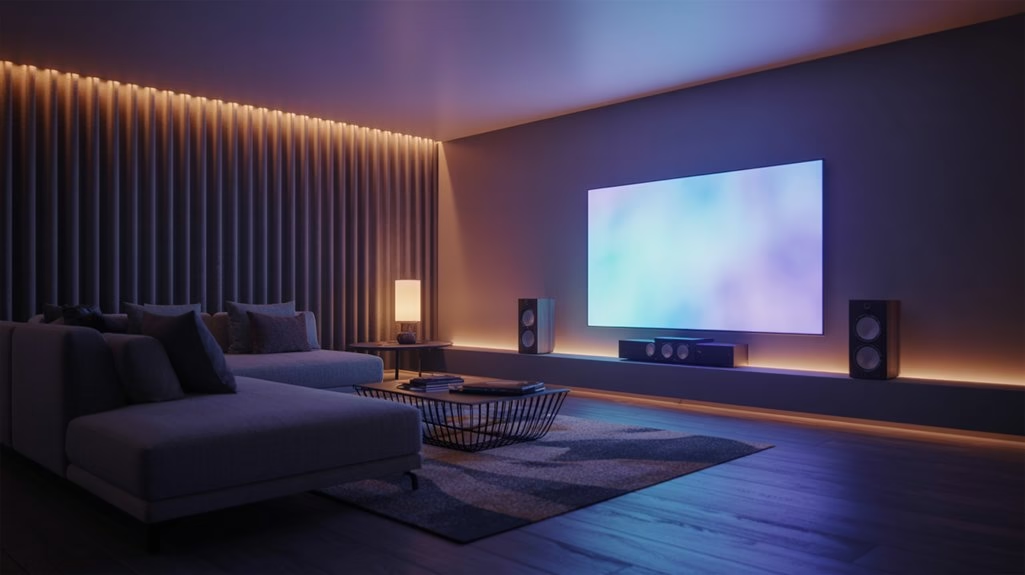
In living rooms, Philips Hue shines for scenes and color-changing smart ambience; pair smart light strips behind TVs for bias lighting.
For bedrooms, a Wyze bulb Color is a budget smart pick that skips hubs and still supports voice control.
In kitchens, Kasa Smart Bulbs offer affordable, reliable white tuning for task lighting.
For gamers or home theaters, Govee delivers low-cost, immersive smart light strips and panels.
In offices, mix Hue or Kasa smart bulbs with routines for focus and breaks.
Bathrooms benefit from simple dimmable bulbs; choose sealed fixtures where needed.
For outdoor lights, Philips Hue Calla adds vibrant color, while Ring Smart Lighting Solar Pathlight brings motion sensing and solar convenience.
Key Features to Compare: Brightness, Color, Controls, and Hubs
Before you pick a brand, compare four essentials: brightness, color, controls, and hubs.
Brightness, measured in lumens, affects visibility and mood—Tapo reaches 1,100 lumens for dark rooms, while Philips Hue spans roughly 800–1,600 lumens depending on the model. Match output to room size and tasks.
Color capabilities shape ambiance. Philips Hue delivers 16 million colors plus tunable white (2200K–6500K). If you only need brightness changes, choose dimmable bulbs; otherwise, prioritize tunable white for day-to-night comfort.
Smart lighting controls matter. Use apps, voice assistants, or switches.
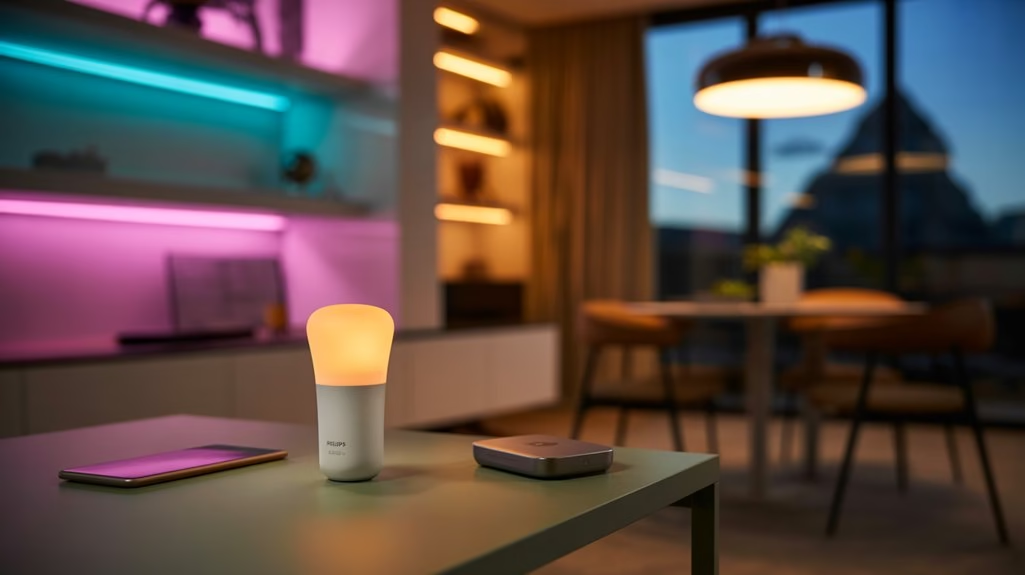
Philips Hue shines with a hub-backed system; the Hue Bridge enables scenes, rooms, and reliability. Prefer simpler setups? Wi-Fi-enabled options connect directly.
Consider hubs if you want a scalable smart lighting ecosystem aligned with your user preferences.
Philips Hue vs. Budget Brands: Value, Ecosystems, and Upgrades
Once you’ve sized brightness, color, controls, and hubs, the next decision is brand strategy: pay for Philips Hue’s robust ecosystem or save with budget bulbs like Wyze, Tapo, or Sengled.
Philips Hue delivers a mature smart lighting experience: rock-solid ecosystems with Zigbee, Apple HomeKit, and deep integrations, plus advanced automation. You’ll need a Hue Bridge for full features, and bulbs can hit $49.99, but you get long 25,000-hour lifespans, rich color, and reliable scenes.
Budget brands emphasize affordability and value. Wyze and Tapo skip hubs, cost roughly $10–$25, and still cover essentials like app controls and voice command.
You may trade longevity, color accuracy, and ecosystem depth. Start cheap for basic rooms; upgrade to Philips Hue where reliability, routines, and expansions matter.
How We Test Smart Lights and Keep Our List Updated
Because smart lighting changes fast, we test in a dedicated 15,000-square-foot lab to deliver clear, current picks you can trust. You’ll benefit from a testing methodology that puts smart lights through real-world tasks, measuring performance, app control, compatibility, and user experience.
We test smart lights in a 15,000-square-foot lab for clear, current, real-world recommendations
We verify brightness and color accuracy with instruments, then confirm results in everyday scenes, from desk lamps to patio strips.
Here’s how we keep the list sharp and fair:
- We track product releases and lighting technology updates, retesting top picks and challengers to guarantee relevant, unbiased evaluations.
- We score performance across brightness, color fidelity, response time, and app control usability, documenting any ecosystem quirks.
- We blend data with expert insights from editors who’ve spent 30+ combined years reviewing gear, guaranteeing confident, transparent recommendations.
Frequently Asked Questions
What Is Replacing Philips Hue?
You’re not seeing one brand replace Philips Hue; you’re choosing strong alternatives.
Try Lutron Caseta for rock-solid switches, Wyze Bulbs and Sengled Smart for budget color, and Nanoleaf Shapes for artistic scenes.
IKEA TRÅDFRI keeps costs low, while Eufy Lumos and Meross Smart simplify basics.
Leviton Decora and TP Link Kasa excel in reliability, and Govee Dream dominates immersive strips.
Mix systems to match rooms, platforms, and price.
Are Philips Hue Being Discontinued?
No, Philips Hue isn’t being discontinued. You might worry about older bulbs, but that’s normal product lifespan.
You’ll still get strong smart lighting support, guided by market trends, technology advancements, and positive customer reviews.
If you compare via competitor analysis, Philips Hue’s user experience remains top-tier, though alternative brands exist for different consumer preferences.
Expect new features, not exits—Hue expands its ecosystem while phasing legacy models, keeping compatibility and updates flowing for the long term.
What Is the Best Smart Home Lighting System?
The best smart home lighting system is the one that fits your ecosystem and budget. You’ll weigh smart bulbs vs. smart switches, automated lighting, and app compatibility.
If you want top-tier voice control, color temperature tuning, and ambient lighting, pick Philips Hue. Prefer lower cost and simpler installation process? Try WiZ or LIFX.
Do a cost comparison, check energy efficiency, and guarantee reliable Wi-Fi. Mix bulbs and switches for whole‑home flexibility.
What Are the Disadvantages of Philips Hue?
A stitch in time saves nine—you’ll want to know Philips Hue’s drawbacks.
You face cost concerns and Philips limitations like a required Bridge and Bluetooth caps. Expect network dependency, installation complexity, and occasional compatibility issues.
The app reliability can feel fussy, impacting user experience. Some users note color accuracy quirks and variable bulb lifespan.
Product availability fluctuates, and outdoor fixtures may need hardwiring. Altogether, these hurdles can outweigh convenience for budget‑minded setups.
Conclusion
You’ve got more great options than ever, whether you want Hue’s polished ecosystem or budget bulbs that still dazzle. The theory that “all smart lights feel the same once they’re on” sounds tempting—but it doesn’t hold up. Brightness accuracy, color fidelity, latency, app reliability, and upgrade paths truly separate winners. Try mixing ecosystems room by room and you’ll see the differences. Start with your must-have features, then scale. You’ll land lighting that feels smarter every day.