You don’t have to choose. Use architectural lighting to shape rooms with layered ambient, task, and accent light, then add smart LEDs for precise, energy‑saving control. Architectural fixtures cost more upfront and may need pros, but they deliver timeless, consistent illumination. Smart lighting is flexible, app‑controlled, and tunable for mood, tasks, and circadian rhythm. Match color temps to rooms and integrate daylight to reduce glare and eye strain. Pairing both gives beauty, comfort, and adaptability—and there’s more to get right.
Key Takeaways
- Architectural lighting sculpts space with built-in fixtures, delivering timeless aesthetics and consistent illumination but higher upfront cost and limited post-install flexibility.
- Smart lighting offers app-based control, scenes, dimming, and tunable white/color, enabling easy adjustments, automation, and energy savings with lower maintenance.
- For health and comfort, architectural solutions prioritize daylight integration and glare control; smart systems simulate daylight patterns to support circadian rhythms.
- Energy and cost: LEDs in smart systems are highly efficient; architectural setups may require professional install and servicing but provide durable, integrated results.
- Best approach: combine both—use architectural layers for ambient/task/accent, then add smart bulbs or controls for flexibility, routines, and room-specific color temperatures.
What Each Lighting Approach Does Best
Clarity comes from knowing what each approach does best: architectural lighting shapes how you see and feel a space by accenting features, textures, and layers, while smart lighting gives you precise control—remote access, schedules, automation, dimming, and color temperature—to fit activities and save energy.
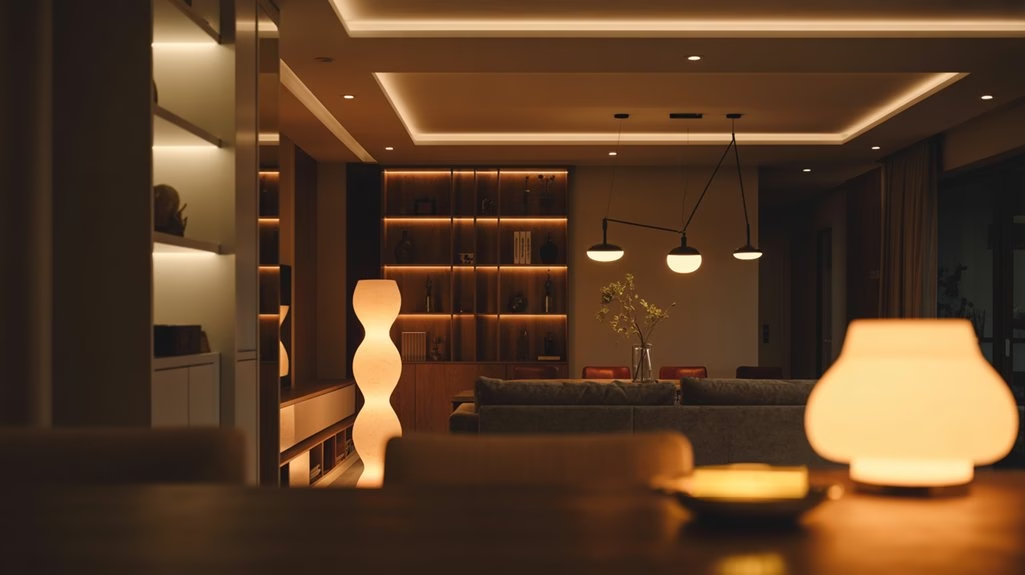
You’ll use architectural lighting to craft atmosphere and highlight form. With the right lighting fixtures, you’ll balance ambient lighting for overall glow, task lighting for focused work, and accent lighting to draw the eye. It aligns with natural light to enhance mood and depth.
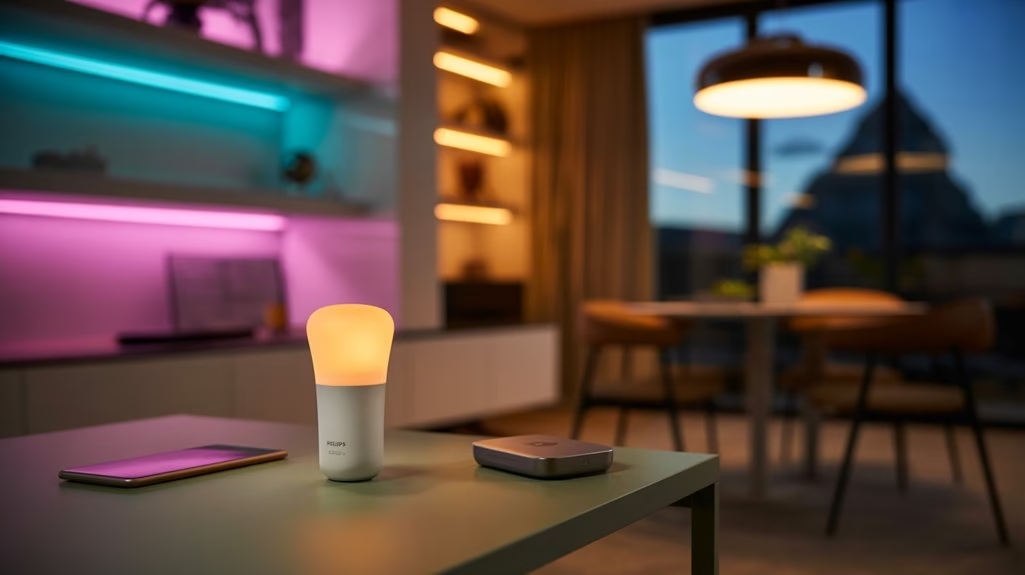
Smart lighting excels at responsiveness. You’ll set scenes and routines with smart controls for truly customized lighting.
LEDs boost energy efficiency while letting you tune brightness and warmth, and daylight-simulation modes support circadian rhythms and daily comfort.
Cost, Energy Use, and Maintenance Compared
Two key differences show up in the budget and the power bill.
Architectural lighting often carries a higher upfront cost because fixtures are specialized and installation can be intensive. Smart lighting systems may cost more per bulb, but LED lights are energy efficient and drive long-term savings through lower energy consumption. Traditional bulbs in architectural setups waste more power, with incandescent options converting about 10% of energy into light, while smart LEDs convert roughly 80%.
Upfront costs run higher, but smart LEDs deliver long-term savings with dramatically better energy efficiency.
Maintenance also diverges.
Architectural lighting can require professional servicing since fixtures are integrated and harder to access. Smart lighting systems typically need less maintenance because LEDs last longer and programmable settings cut manual adjustments. You can schedule lights off when not needed, trimming use and avoiding the service calls traditional bulbs often demand.
Design Impact: Aesthetics, Flexibility, and Control
In many homes, design impact comes down to what you want to see and how you want to control it. If you value timeless aesthetics, architectural lighting integrates with architectural features and design elements, using light fixtures that disappear while adding visual interest. You’ll get consistent brightness levels, but once installed, adjustments are limited.
If you prefer flexibility, smart lighting lets you tune brightness levels, color temperature, and scenes, then automate schedules for different activities. You can use app-based control or connect to whole‑home systems for quick changes without rewiring. Smart lighting’s fixtures often skew modern, which may or may not match traditional aesthetics.
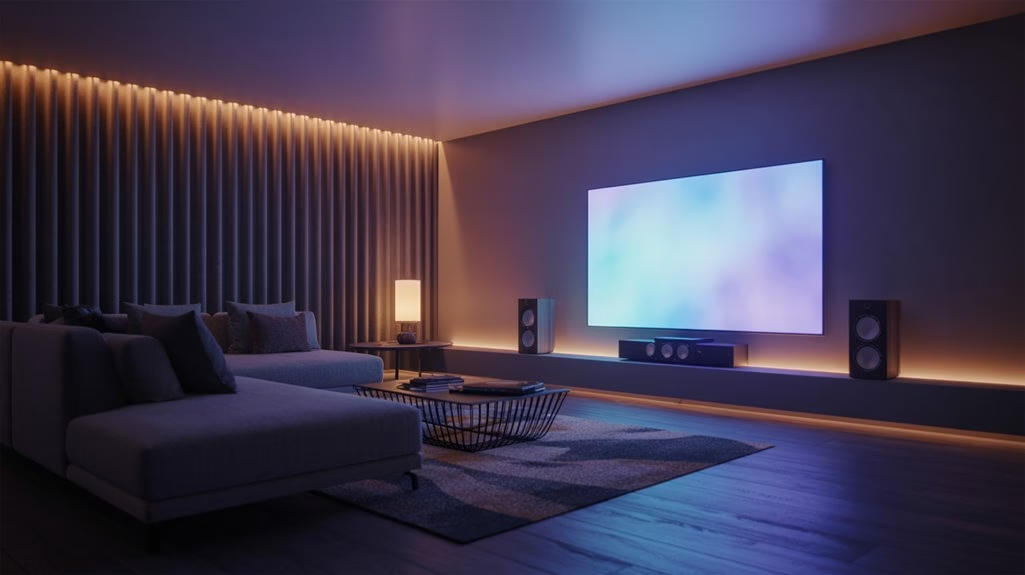
Blend both: use architectural lighting to shape spaces, then layer smart lighting for adaptable control, targeted energy savings, and day-to-day convenience.
Health, Comfort, and Daylight Integration
While daylight sets the tone for how you feel and function, the right mix of architectural and smart lighting keeps you comfortable when the sun can’t.
You benefit from architectural lighting that prioritizes daylight integration, channeling natural light to support health, circadian rhythms, and visual comfort. With thoughtful apertures and shading, you reduce glare and eye strain, lower energy consumption, and feel more at ease.
Smart lighting complements that foundation by simulating daylight patterns. It shifts color temperature and intensity to stabilize mood, sharpen focus, and boost productivity when daylight is limited.
Tunable scenes protect visual comfort across tasks and times. Together, architectural lighting and smart lighting create a balanced environment that aligns your body clock, supports mental health, and maintains comfort without wasting energy.
How to Choose and Combine Them for Your Home
You’ve seen how daylight sets your rhythm; now choose fixtures and controls that keep that balance after sunset.
Start with architectural lighting solutions that honor architectural features: use ambient lighting for overall glow, then add accent points for visual interest. Rely on energy-efficient LEDs throughout to cut power and heat.
Plan a layered lighting design: fixed architectural pieces handle ambient and accent roles, while smart lighting manages task-oriented and mood scenes with dimming, scheduling, and voice control.
Match color temperature to purpose—2700K–3000K for living areas, 3500K–4000K for kitchens, and 5000K+ for focused work.
Use strategic placement: wall grazers for texture, under-cabinet strips for counters, and downlights where glare is controlled.
Tie it together in your app so scenes shift automatically with time and activity.
Frequently Asked Questions
What Are the Disadvantages of Smart Lighting?
Smart lighting drawbacks include high costs per bulb and installation hassles.
You’ll face user complexity during setup, plus technical issues and dependency risks if Wi-Fi drops.
Privacy concerns and security vulnerabilities can worry you with connected devices.
Compatibility limitations between brands may force extra hubs.
Maintenance challenges like firmware updates and app changes add friction.
You might also encounter lag, unreliable automations, and data-sharing defaults unless you tweak settings and network protections.
What Kind of Lighting Is Best for a Home?
The best home lighting blends layers. Start with ambient lighting options and maximize natural light utilization.
Add task lighting solutions for kitchens, desks, and vanities. Choose energy efficient bulbs and the right lighting color temperature by room.
Plan room specific lighting, then enjoy dimmable fixtures benefits for mood and flexibility. Consider smart home integration for schedules and scenes.
Prioritize aesthetic design choices, and follow lighting maintenance tips—clean lenses, replace failing drivers, and update firmware when needed.
What Is the Most Efficient Lighting Design?
The most efficient lighting design blends energy efficiency with smart lighting controls and thoughtful fixture placement.
You’ll use light layering: ambient lighting for overall brightness, task lighting for work zones, and accent lighting for highlights.
Maximize natural light and adopt sustainability practices like LEDs and automation to cut waste.
Set color temperature wisely—cooler for productivity, warmer for relaxation.
Program dimmers, schedules, and sensors to reduce runtime while maintaining comfort and flexibility.
What Is the Difference Between Architectural Lighting and Decorative Lighting?
Architectural lighting shapes space—think Michelangelo with light—while decorative lighting dresses it.
You use design principles and lighting techniques to integrate fixtures into architectural styles, prioritizing functional lighting, ambient lighting, and energy efficiency. Through precise integration methods, material selection, and wall-washing, you enhance safety and form.
Decorative lighting, by contrast, spotlights aesthetic appeal and mood enhancement—chandeliers, sculptural lamps—adding flair without guaranteed task illumination.
You balance both to unify function and style.
Conclusion
You don’t have to choose sides—blend architectural lighting’s sculpted layers with smart lighting’s adaptive control. Start with a solid plan (ambient, task, accent), then add scenes, sensors, and schedules to cut waste. Households waste about 35% of lighting energy through inefficiency; smart dimming and occupancy sensing can trim that dramatically. Prioritize daylight, CRI 90+ sources, and warm-dim in rest zones. Pilot one room, track energy for a month, then scale what works to the rest of your home.