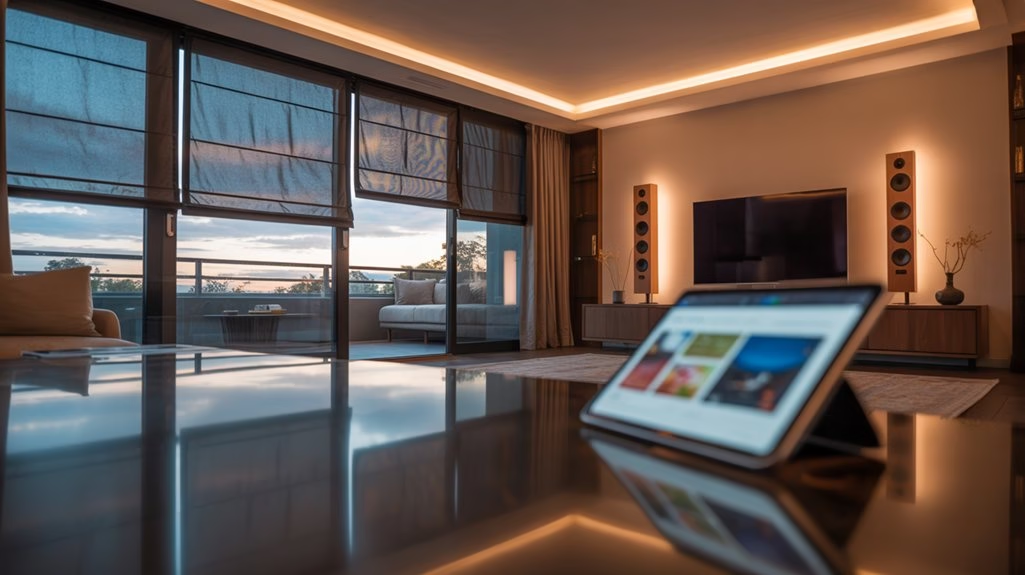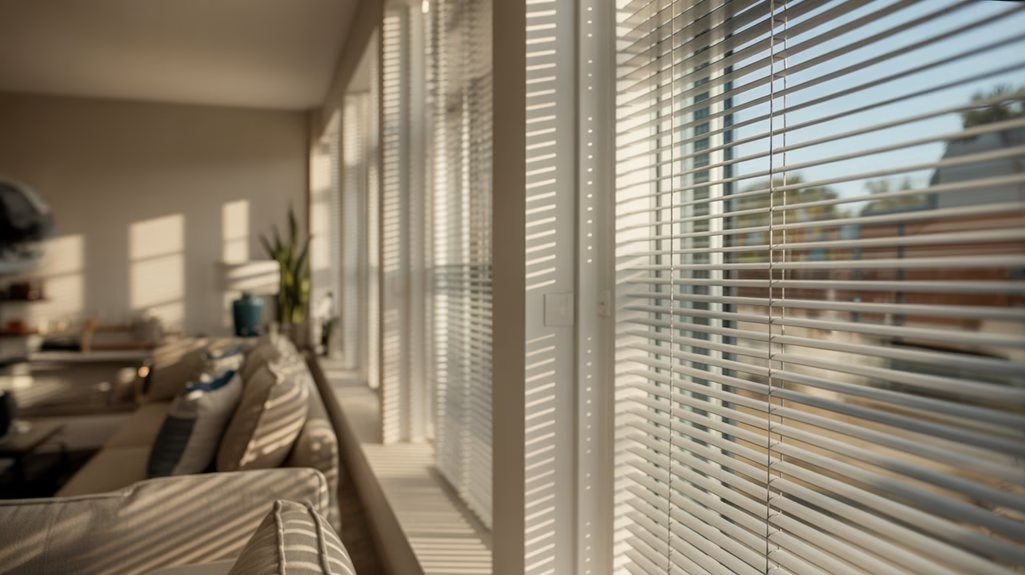
Choosing vertical vs. horizontal blinds comes down to your window size, light needs, and style. Pick verticals for wide spans and sliding doors; they glide smoothly, resist dust, and feel modern. Go horizontal for small to medium windows; you’ll get precise tilt control, near room darkening, and classic appeal. Verticals can cost more but offer easy slat replacement; horizontals are budget-friendly with many materials. Both manage privacy, but horizontals seal better on standard frames. Learn how each option fits different rooms and budgets next.
Key Takeaways
- Choose vertical blinds for large windows or sliding doors; they glide sideways and cover wide spans smoothly.
- Pick horizontal blinds for small to medium windows; they tilt or stack and seal light better for privacy.
- Vertical blinds look modern, collect less dust, and allow easy slat replacement; expect a higher initial cost.
- Horizontal blinds offer classic style, precise light direction, up to 95% darkening, and generally lower cost.
- Material options differ: verticals often in fabric; horizontals in wood, faux wood, aluminum, and fabric for varied durability and aesthetics.
Key Differences Between Vertical and Horizontal Blinds
Two core differences separate vertical and horizontal blinds: orientation and operation.
Vertical blinds use upright slats that glide sideways, making them a strong fit for large windows and sliding doors. Horizontal blinds stack up or tilt, suiting smaller, standard windows. Both offer light control, but you’ll open and adjust them differently based on room layout.
Vertical blinds glide sideways for large openings; horizontal blinds tilt or stack for standard windows, tailoring light control.
Consider pros and cons.
Vertical blinds typically simplify maintenance because dust doesn’t settle as easily on vertical slats. Horizontal blinds collect more dust on flat surfaces, so you’ll clean them more often.
For aesthetics, vertical designs feel modern and can amplify spaciousness, while horizontal blinds deliver a classic look that complements many window treatments.
Budget matters too: vertical systems often cost more, whereas horizontal options usually provide a more economical path.
Benefits of Vertical Blinds
Although styles and budgets vary, vertical blinds deliver clear advantages for busy, light-filled spaces. If you’ve got large windows or sliding doors, this window treatment covers wide spans smoothly and keeps pathways clear.
Angle the slats for precise light control and privacy without sacrificing views. You’ll also appreciate how easy to clean they are; the vertical design reduces dust accumulation, so routine wipe-downs are quick.
When life happens, replace individual slats instead of the entire set—a smart, cost-saving perk. Built with durable materials, vertical blinds stand up to high heat, direct sun, and humidity, making them reliable in kitchens, sunrooms, and bathrooms.
With broad customization options in textures, colors, and widths, you can match your décor and performance needs while keeping maintenance simple.
Benefits of Horizontal Blinds
Precision defines the appeal of horizontal blinds. You get precise light control with adjustable slats that tilt to filter glare while protecting privacy. For movie nights or naps, they can achieve up to 95% room darkening without fully blocking views when open.
They’re ideal for small to medium-sized windows, giving you a customizable solution: raise, lower, or tilt to fine-tune brightness and ambiance throughout the day.
Choose from durable materials—wood, faux wood, aluminum, or fabric—to match function and budget. Horizontal blinds also simplify cleaning; dust settles on the tops of slats, so routine maintenance takes minutes with a duster or cloth.
Beyond performance, their versatile aesthetic options let you coordinate finishes and textures across rooms while keeping control simple, efficient, and consistent.
Design and Aesthetic Considerations
While both styles control light well, their look sets a distinct tone in your space.
Vertical blinds read modern, with long top-to-bottom slats that elongate walls and suit expansive windows and sliding doors.
Horizontal blinds feel traditional, their slimmer, left-to-right slats giving classic structure to standard-sized windows.
Think about design scale and proportion: the Vertical orientation emphasizes height, while Horizontal lines calm a room’s width.
Material choices shape the aesthetic—Vertical offers fabric colors that blend or pop, while Horizontal comes in wood, aluminum, and faux wood for varied styles.
Operation also affects the vibe. Vertical panels stack neatly to the side, creating an open, airy impression.
Horizontal sets lift upward, adding a layered look.
For upkeep, Vertical collects less dust; Horizontal requires more frequent touch-ups.
Light Control and Privacy Performance
Even with both styles built to tilt and tweak light, their performance differs in key ways.
With vertical blinds, you get adjustable slats that shift glare while preserving privacy, though narrow light gaps can appear between vanes.
Horizontal blinds deliver superior light direction; tilt the slats and you can fine-tune light control to achieve near room darkening, often around 95%.
Edges and slat seams let some light seep through on both window coverings, so blackout quality depends on fit and material.
For everyday privacy, horizontal blinds usually seal better on standard windows, minimizing silhouettes.
Vertical blinds still perform well, especially across wide spans or sliding doors, but expect more peripheral glow.
Choose based on how precisely you want to modulate light and maintain privacy.
Best Fit by Window Size and Room Type
Two blind styles suit different spaces based on window size and room demands.
If you’re dressing large windows or sliding glass doors, choose vertical blinds. They glide aside for easy passage, add height to wide bays, and keep expansive openings feeling modern while filtering light.
For unique oversized panes, verticals also reinforce dimension and deliver dependable durability.
For smaller to medium openings, horizontal blinds fit snugly and match most styles. They excel at light control and privacy, making them a go-to for bedrooms and traditional rooms.
In sunrooms or high-humidity areas, vertical blinds resist warping and clean up easily.
Across standard sizes, horizontal blinds adapt to nearly any room type, offering a classic look with precise tilt adjustments that manage glare without sacrificing privacy.
Installation, Operation, and Maintenance
Installation, operation, and maintenance come down to how each blind style is built and used day to day.
Installation, operation, and maintenance hinge on each blind’s build and everyday use.
For installation, vertical blinds mount with headrail brackets, and you slide slats into the carriers—precision here guarantees smooth operation. Horizontal blinds usually install with simple brackets, and the cord or wand handles lifting and tilt.
Day-to-day operation differs. Vertical blinds excel over large openings: rotate to filter light, then use sliding to stack slats aside. Horizontal blinds raise, lower, and tilt to fine-tune direction.
Maintenance is straightforward. Vertical blinds collect less dust, so cleaning is quicker; their track may need periodic lubrication and alignment checks.
Horizontal blinds need more frequent cleaning along slats and inspections of the cord-and-pulley functionality. For damage, vertical slat replacement is simple; horizontal repairs can be more involved.
Cost, Materials, and Long-Term Value
Budgets, materials, and lifespan shape how you’ll choose between vertical and horizontal blinds. Expect a higher initial cost for vertical blinds; larger slats and more complex installs drive the price.
Horizontal blinds usually fit tighter budgets, especially on standard windows.
Consider materials and durability. Vertical blinds commonly use vinyl or fabric engineered for heat and humidity, boosting longevity and lowering maintenance because they trap less dust.
Horizontal blinds span wood, faux wood, and aluminum; they offer broader customization options and styles but may need more frequent dusting.
For long-term value, vertical blinds can be cost-effective since individual slats are easy to replace and they add insulation on large windows, improving energy efficiency.
Horizontal blinds suit smaller spaces and deliver design flexibility at a lower entry cost.
Frequently Asked Questions
What Is Better, Vertical or Horizontal Blinds?
Both can be better—pick based on your space and needs.
For large doors, Vertical Blinds Pros include easy access, Maintenance Ease, and modern Room Aesthetics; mind Privacy Solutions and Cost Comparison.
For small windows, Horizontal Blinds Pros deliver superior Light Control, tighter privacy, and budget options.
Check Durability Factors, Energy Efficiency liners, and Installation Tips like correct mounting depth and child-safe cords.
Weigh cleaning effort, slat replacement, and overall style before you choose.
What Are the Downsides of Vertical Blinds?
They’ve got several downsides. You’ll struggle with privacy concerns from slat gaps and inconsistent light control.
Noise reduction is weak as slats clack, and durability factors show with clips and tracks wearing out. Expect maintenance issues despite low dust collection, plus tricky installation challenges.
Space limitations make them poor for narrow windows, and their aesthetic appeal can feel dated. Energy efficiency is modest since panels leak air.
Consider alternatives if you need quieter, tighter coverage.
Are Vertical Blinds Still in Style in 2025?
Yes, they’re in style—and funny coincidence, you’re asking just as vertical blind trends surge in modern interior design.
You’ll find updated vertical blind materials, richer vertical blind colors, and improved vertical blind functionality. Their sleek vertical blind aesthetics suit open plans, while easy vertical blind maintenance and straightforward vertical blind installation help daily life.
Explore vertical blind alternatives, but today’s vertical blind market proves they’re relevant, affordable, and energy-smart for 2025.
What Blinds Are Best for Windows With a View?
Choose vertical blinds or sheer vertical allusion blinds for the best view enhancement in large windows; they stack aside, preserve natural light, and offer privacy options.
For smaller windows, pick horizontal blinds to fine-tune glare and maintain room aesthetics.
Compare material choices and color schemes for energy efficiency and maintenance ease.
Consider installation tips like inside mounts for cleaner lines.
Do a cost comparison: vinyl is budget-friendly, fabric adds softness, composites boost durability.
Conclusion
Stand at your window and picture the scene you want to live with each day. Do you see sleek lines gliding open for a balcony’s sunrise, or soft slats tipping to paint dappled shadows across your desk? Feel how each blind steers light, frames your view, and guards your privacy. Match style to space, function to habit, budget to value. Choose the blinds that make your rooms breathe—so every morning feels intentional, and every evening, warmly yours.