
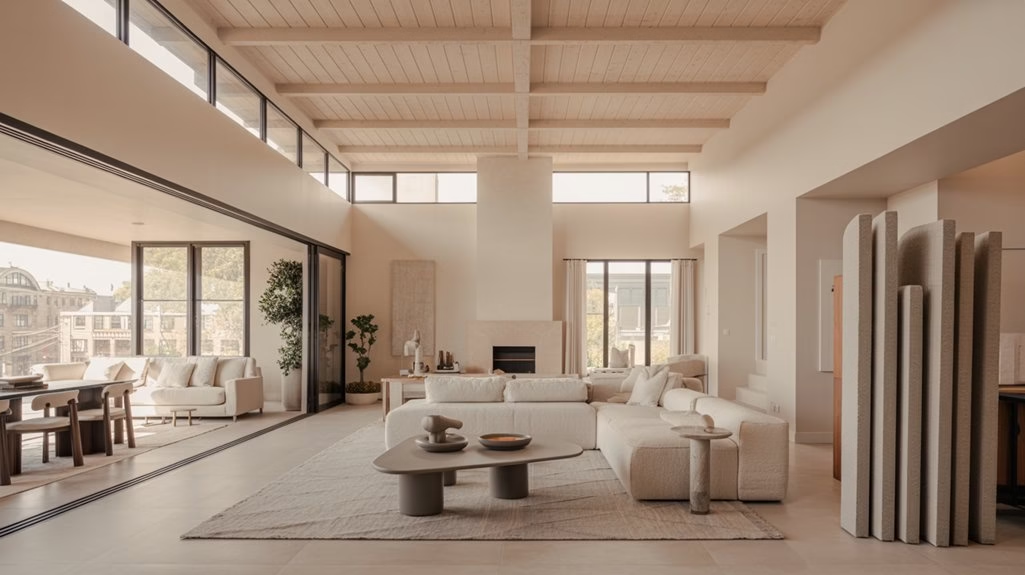
Acoustic Solutions for Open Floor Plans: New Jersey Design Trends
Tame echo and urban noise in your New Jersey open floor plan with design-forward acoustics. Install ceiling clouds and rows of baffles to catch vertical reflections and boost speech clarity. Add modern acoustic tiles and art panels with sound-absorbing cores on key walls. Layer dense rugs, cork or rubber underlayment, and upholstered pieces to soften hard surfaces. Seal gaps with weather-stripping. Mix mass-loaded vinyl, heavy drapes, and stylish room dividers for zoned calm. There’s a smart, beautiful setup that suits your space.
Key Takeaways
- Install stylish acoustic clouds and baffles to tame ceiling reflections while complementing modern New Jersey open-concept aesthetics.
- Use fabric-wrapped wall panels and art with acoustic cores at first reflection points to reduce echo without sacrificing design.
- Add dense rugs, cork or rubber underlayment, and upholstered seating to absorb sound and cut impact noise on hardwood floors.
- Integrate heavy drapes, acoustic room dividers, and weather-stripping to zone spaces and improve speech clarity without building walls.
- For urban noise, combine laminated double-pane windows and mass-loaded vinyl behind drywall to block traffic and train low-frequency rumble.
Understanding Acoustic Challenges in Open-Concept New Jersey Homes
Even if you love the airy feel of an open floor plan, New Jersey homes pose unique acoustic hurdles. In open floor plans, sound travels unchecked, so conversations, appliances, and footsteps compete, undermining communication and focus.
Open floor plans amplify every sound, challenging focus in New Jersey’s uniquely noisy homes.
Hard surfaces like hardwood and concrete boost reflections, increasing echo and reverberation. Close-set houses can form sound chambers, funneling external noise from multiple angles.
Add New Jersey’s urban noise—trucks, sirens, train vibrations—and the acoustic challenges multiply. You need strategies that prioritize sound absorption and noise reduction without closing off space. In mixed-use neighborhoods, double-glazed windows and door seal kits help block external traffic noise that can exceed 85 dBA, reducing disruptive spikes from transit and construction.
Thoughtful acoustic treatments and sound-absorbing materials in rugs, upholstered seating, curtains, and wall panels can temper reflections and tame background buildup. Layering finishes and zoning activities help you control pathways, reduce spillover, and maintain comfortable, intelligible conversation across the room.
Stylish Ceiling Treatments: Clouds, Baffles, and Acoustic Tiles
Sometimes the smartest fix for open-plan noise hangs right above you: acoustic clouds, baffles, and sleek ceiling tiles.
In open floor plans, these acoustic ceiling treatments boost sound absorption and sharpen sound quality without sacrificing stylish designs. Position clouds to catch vertical reflections, especially useful in busy offices or restaurants.
Suspend baffles to break up sound bouncing between walls and improve noise control across large zones. Choose customizable acoustic tiles in modern shapes and colors to blend with lighting and ducts while taming echo.
- Pick clouds to target ceiling bounce and calm lively gathering areas.
- Hang baffles in rows to cut cross-room reflections and lift speech clarity.
- Use acoustic tiles to add pattern, hide services, and fine-tune absorption.
In New Jersey’s hospitality spaces, pairing ceiling clouds or baffles with reverberation time targets helps keep RT below 1.4 seconds for clearer conversation and higher guest satisfaction.
Sound-Absorbing Walls: Panels, Textured Finishes, and Art
While open layouts invite light and flow, you’ll tame their echo with sound-absorbing walls that work as hard as they look. Install sound-absorbing panels made from acoustic foam or mineral wool to capture stray reflections and deliver measurable echo reduction. With strategic placement, you can cut perceived noise levels by up to 50% and immediately improve sound quality. Elevate the look with textured finishes—fabric-wrapped sections or specialized acoustic treatments—that add depth while boosting sound absorption and noise reduction. Integrate art panels that hide acoustic cores, so your gallery wall also calms conversations and media. In larger open floor plans, vary thicknesses and densities for broader frequency control. Use corner placement and first-reflection points, then layer complementary wall treatments for a disciplined, multi-layered approach. For best results, identify first reflection points using the mirror technique and prioritize bass traps in corners to control low-frequency buildup.
Floor and Furniture Strategies: Rugs, Underlayment, and Upholstered Pieces
Two simple moves transform an echoey open plan fast: soften the floor and add plush seating.
Start with dense rugs; they act as sound absorbers, tame impact noise, and reduce echo across spacious areas. Layer thicker options over hard surfaces to boost sound control while upgrading the look.
Underfoot, install acoustic underlayment—cork or rubber—to cut noise transmission between levels and calm footfall.
Use upholstered furniture to trap sound waves. Sofas, armchairs, and fabric ottomans break up reflections, making conversations clearer.
Round it out with textiles—throws, curtains, and cushions—to fine-tune comfort.
- Choose dense rugs and layer strategically to curb impact noise and reverberation
- Add acoustic underlayment beneath floors to reduce noise transmission
- Arrange upholstered furniture and soft textiles to diffuse reflections and reduce echo
For extra isolation at key leak points, add weather-stripping and a door sweep to seal gaps and reduce sound transfer.
Smart Mix-and-Match Solutions for Urban and Waterfront Noise
Sirens, ferries, and low-flying jets demand a layered strategy that blends absorption, isolation, and airtightness.
In New Jersey’s urban areas and waterfront properties, you’ll reduce noise by pairing soft finishes with structural barriers. Use acoustic panels and heavy drapes to absorb sound waves and tame reflections in an open floor plan.
Add mass-loaded vinyl behind drywall to block low-frequency truck traffic and jet rumble, and seal gaps at windows and doors to control sound leakage.
For flexible interior design, deploy acoustic room dividers to zone conversation without hard walls. Choose dense bookshelves and upholstered pieces to break up paths of sound.
Target vibration with isolation pads near train lines. This smart mix-and-match approach addresses health, resale, and everyday noise problems efficiently. Also consider exterior measures like double-pane laminated windows and solid-core doors with high-quality installation to further reduce traffic noise and improve energy efficiency.
Frequently Asked Questions
How Do You Soundproof an Open Floor Plan?
You soundproof an open floor plan by layering soundproofing materials for balanced noise reduction and design aesthetics.
Install acoustic panels and ceiling treatments to tame echoes. Add floor insulation and area rugs to absorb impact noise.
Use wall coverings and soundproof curtains to soften reflections. Optimize furniture placement with upholstered pieces and bookcases as buffers.
Consider acoustic room dividers for flexible zones. Combine these strategies to control sound without sacrificing openness or style.
How to Block Sound in an Open Space?
You block sound in an open space by layering sound absorbing solutions.
Hang soundproof curtains and add acoustic panels or ceiling tiles to tame echoes.
Lay thick area rugs over insulation materials or cork underlayment.
Use soft furnishings, upholstered seating, and strategic furniture arrangement to break up reflections.
Add dense wall art as decorative noise barriers.
Combine freestanding dividers with targeted panels for hotspots.
Mix methods for best results and adjust placements until noise drops.
How to Reduce Echo in Open Floor Plan?
You reduce echo in an open floor plan by layering sound absorption materials and strategic layout.
Start with acoustic panel placement on first-reflection walls; add ceiling design ideas like clouds or baffles.
Use area rug benefits under conversation zones and apply wall treatment options.
Follow furniture arrangement tips: upholstered pieces, bookcases, and corner fills.
Add plant acoustics impact with dense greenery.
Hang soundproofing curtains.
Consider noise cancelling solutions for targeted zones and media areas.
What Is the Best Solution for Sound Barrier on Building Floors?
Choose a layered approach for the best sound barrier on building floors.
Start with dense floor underlayment like rubber mats or cork for vibration dampening and noise reduction.
Add mass-loaded soundproof flooring for extra insulation types and sound absorbing performance.
Seal gaps, then top with carpet.
Complement below with acoustic panels and ceiling tiles to block reflections.
If possible, upgrade to solid-core doors.
This combo delivers superior sound barrier, insulation, and durability.
Conclusion
You’ve seen how to tame open-plan echoes and New Jersey’s lively soundscape without sacrificing style. Layer ceiling clouds or baffles, dress walls with panels or textured art, and ground the space with thick rugs, smart underlayment, and plush seating. Mix solutions to outwit city sirens and coastal winds alike. Test, tweak, and enjoy the hush. Do it now—don’t wait for the next telegram. When your home sounds as good as it looks, you’ll feel the difference every day.
