Case Study: Transforming a Loud Hoboken Office Into a Quiet Workspace
Transforming a loud Hoboken office into a quiet workspace starts by identifying noise challenges like traffic and internal chatter. Choose the right acoustic materials—recycled PET panels and soundproof doors—to combat noise without sacrificing aesthetics. Implement customized solutions like air sealing and isoTRAX® rails to boost focus. These changes can enhance employee productivity and satisfaction dramatically. Discover how strategic soundproofing elevates your workplace environment and paves the way for future improvements.

Key Takeaways
- Implement acoustic panels and recycled PET materials to absorb sound and enhance sustainability in the Hoboken office.
- Install double-glazed windows and door seal kits to minimize external noise permeation from traffic and construction.
- Utilize ceiling baffles to reduce sound reflections, improving both aesthetics and acoustic functionality.
- Apply air sealing techniques and soundproofing barriers to block external noise and improve workspace tranquility.
- Integrate smart sound monitoring systems for dynamic sound masking and continuous noise source assessment.
Identifying the Noise Challenges in a Busy Urban Office
Although bustling urban offices promise vibrancy and connectivity, they also pose significant noise challenges that can disrupt daily operations. You’re often surrounded by noise sources like external traffic and transit systems, where sound intensity frequently exceeds safe levels (85 dBA). Construction and city infrastructure activities add intermittent loud spikes, making it hard to maintain focus. Internally, social interactions, phone calls, and collaborative work contribute to elevated ambient sound levels. Mechanical noise from HVAC systems and office machinery further complicate the soundscape, creating a continuous background hum. Additionally, noise permeation from adjoining commercial spaces or residential areas can raise the ambient noise levels in mixed-use buildings. Industrial noise from factories and construction activities can also impact office environments, affecting employees’ concentration and productivity. These factors collectively create a challenging acoustic environment in urban offices.
Selecting the Right Acoustic Materials and Technologies
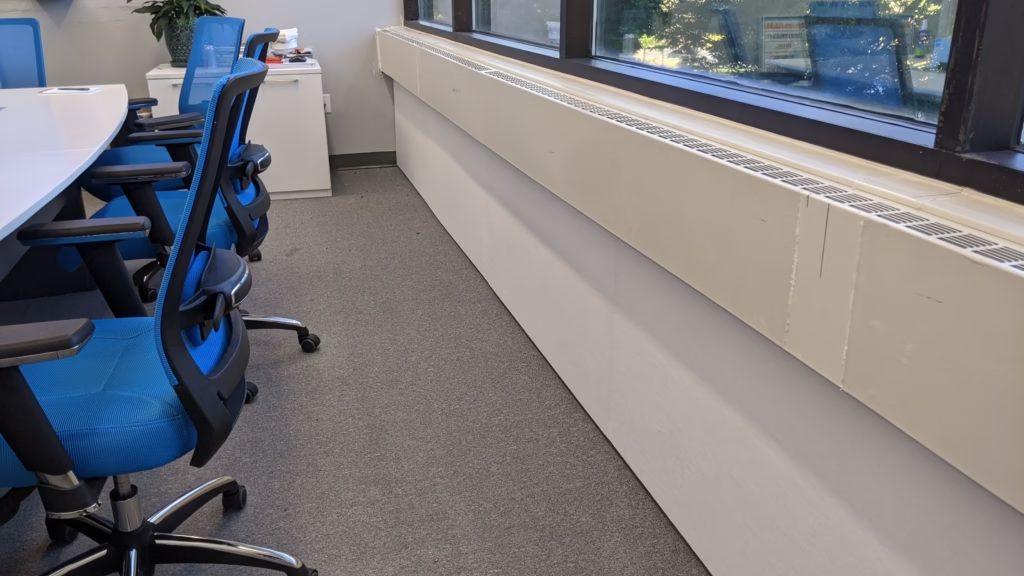
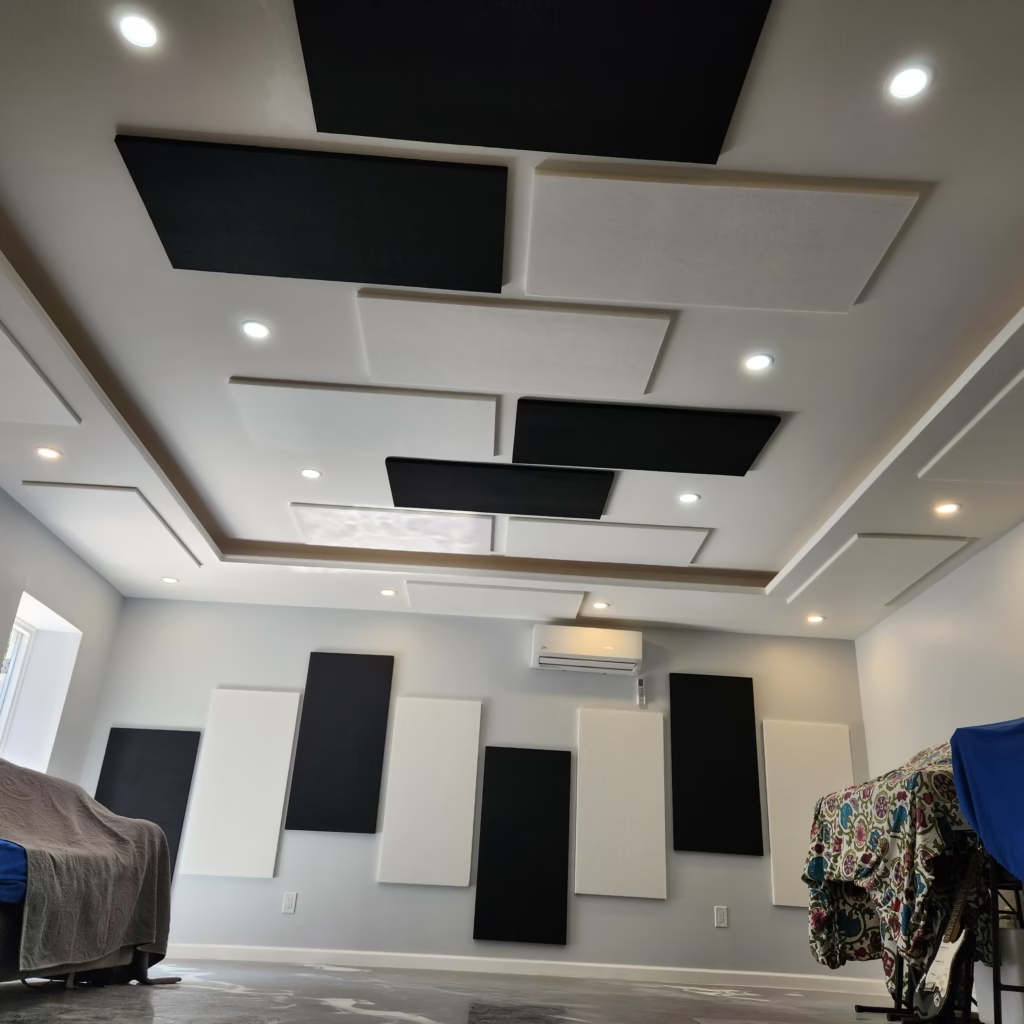
When tackling the noise challenges of a bustling urban office, selecting the right acoustic materials and technologies can be transformative. Start by choosing acoustic panels for walls and ceilings that balance acoustic aesthetics with material sustainability. Options like recycled PET panels not only absorb sound effectively but also promote environmental responsibility. Class A fire-rated materials ensure a high level of safety while delivering exceptional acoustical performance. Ceiling baffles are perfect for reducing sound reflections, enhancing both the visual appeal and acoustic functionality.
Select sustainable acoustic panels for walls and ceilings to transform your urban office’s noise challenges.
Don’t overlook soundproofing for doors and windows; double-glazed options and door seal kits greatly block urban noise. In addition, consider acoustic furniture and technologies like sound-absorbing chairs and white noise machines, which seamlessly integrate into your office design.
Prioritize solutions that enhance ambiance and productivity while maintaining a commitment to sustainability and aesthetics.
Implementing Customized Soundproofing Solutions
To effectively tackle the noise challenges in an office, implementing customized soundproofing solutions can make a significant difference.
By using air sealing techniques on windows, doors, walls, and ceilings, you prevent external noise from seeping into your workspace.
Custom solutions like soundproofing barriers made from layered materials, such as fiberglass composites and mass loaded vinyl, block and deflect sound effectively.
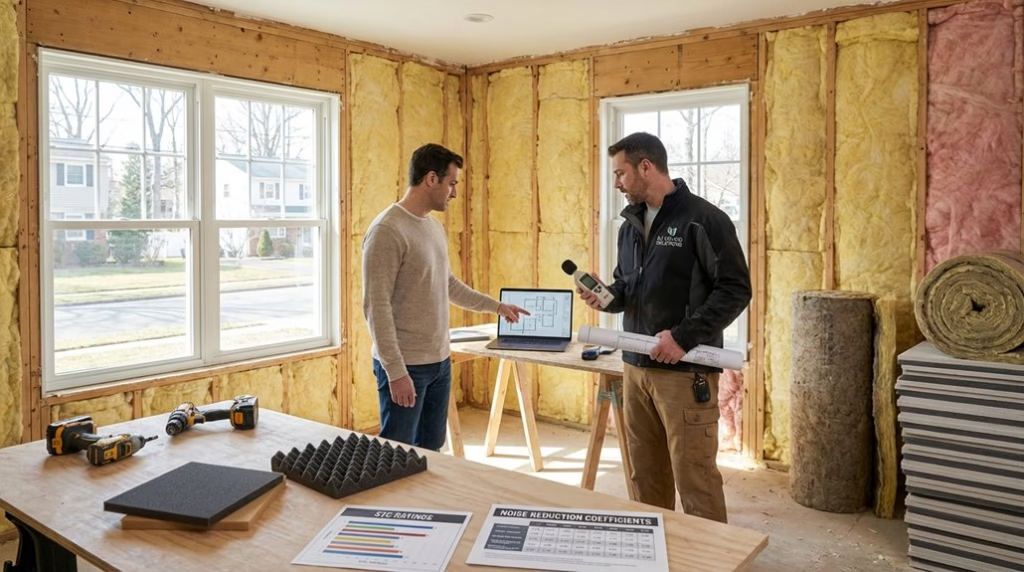
Installing sound isolation systems, such as isoTRAX® rails, and adding isolation hangers improve the sound transmission class (STC) ratings, enhancing noise reduction.
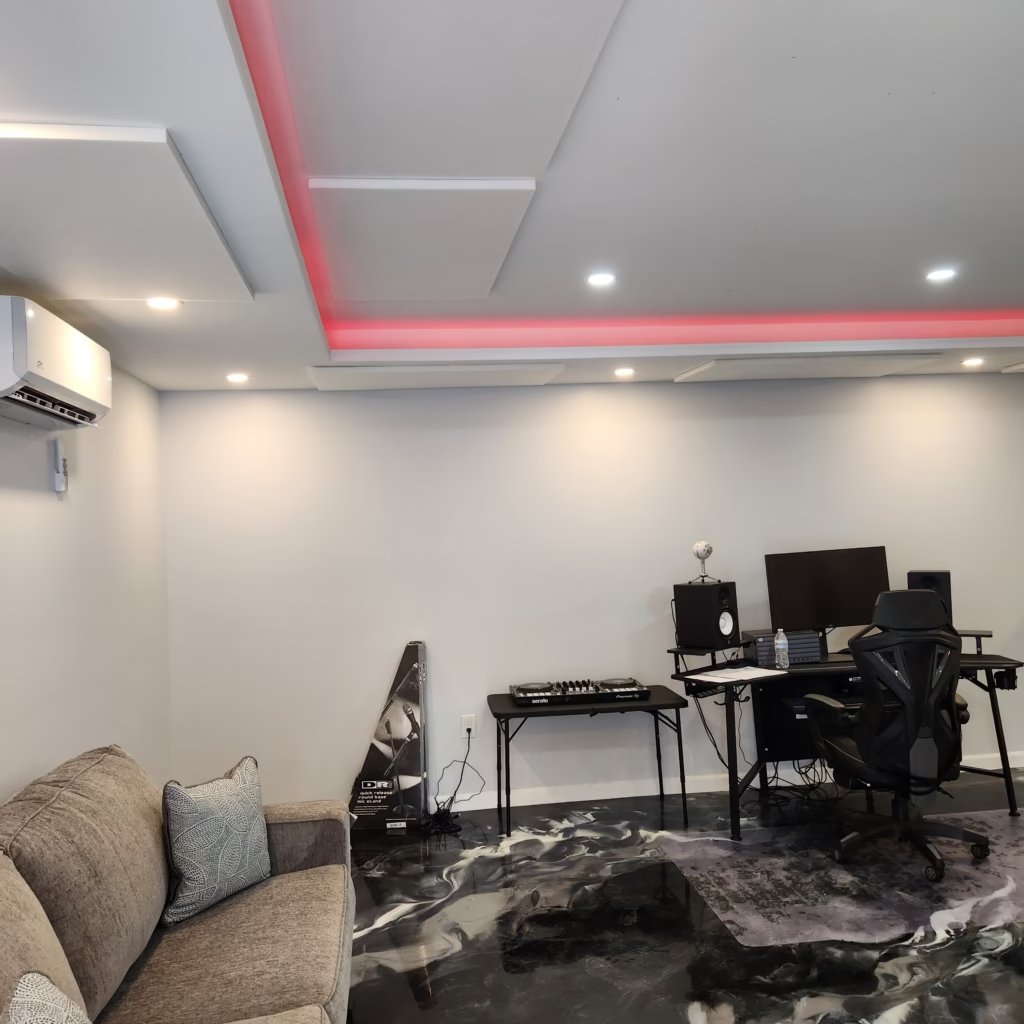
Acoustic panels and baffles absorb reverberated noise, reducing echoes while improving aesthetics.
Additionally, combining sound absorption with strategic sound masking further refines the office’s acoustic environment, addressing both internal and external noise thoroughly.
Understanding the sources of noise is crucial for implementing the most effective soundproofing techniques.
Evaluating the Impact on Employee Productivity and Well-Being
Having implemented customized soundproofing solutions, it’s time to contemplate how these changes impact employee productivity and well-being.
Noise reduction directly enhances employee focus, helping to combat the 69% of workers who struggle with concentration issues due to office noise. With distractions like conversations and phone rings minimized, productivity could increase by up to 66%, as supported by the World Green Building Council. Approximately 50% of respondents consider noise levels when accepting jobs, highlighting the significance of a quieter work environment in attracting talent. Enhanced acoustics also elevate workplace satisfaction, vital for reducing stress and improving mood. Diminished noise levels decrease interpersonal tensions, fostering a more harmonious work environment. Employees are less likely to snap at colleagues or feel frustrated.
Lessons Learned and Future Soundproofing Considerations
As you’ve navigated the journey of transforming a loud Hoboken office into a serene workspace, several lessons emerge that guide future soundproofing efforts.
First, continuous noise assessment is crucial. Regular evaluations help identify new noise sources that may surface post-treatment. Integrating smart sound monitoring systems allows you to dynamically adjust sound masking and absorption strategies, ensuring sustained effectiveness. Professional soundproofing is important for businesses to enhance workplace efficiency and privacy, which can significantly improve productivity.
Continuous noise assessment and smart monitoring systems are vital for maintaining an effective soundproof environment.
Combining sound reduction and absorption techniques remains essential for tackling diverse sound sources.
It’s also important to take into account innovative materials like custom acoustic panels and soundproof windows for targeted noise control. Future strategies should include hybrid solutions, blending technologies to customize soundproofing to your specific needs.
Frequently Asked Questions
What Is the Budget Range for a Typical Office Soundproofing Project?
When you’re tackling an office soundproofing project, your budget typically falls between $2,000 and $20,000.
It’s essential you conduct a cost assessment considering material options, as they greatly influence expenses. High-quality materials and thorough sound insulation raise costs, but guarantee effectiveness.
Evaluate the space size and installation type too. Whether you’re soundproofing small booths or large rooms, understanding these factors helps you manage your budget effectively.
How Long Does a Complete Office Soundproofing Installation Take?
Considering the installation timeline, you should anticipate project phases that can range widely.
For instance, a full soundproofing overhaul of a 6,000 sq ft office usually wraps up within a week. Smaller spaces, like a snug 400 sq ft room, might only need a swift two-hour session.
High ceilings, treated with towering tools, take about a day. Factors like floor plans and specific soundproofing strategies greatly shape the schedule.
Are There Any Maintenance Requirements for Installed Acoustic Panels?
You’ve got to keep up with acoustic panel care to maintain their effectiveness. Regular maintenance is crucial.
Dust and debris can degrade performance, so vacuum with a soft brush or use a lint-free cloth to clean them periodically.
Don’t forget to spot clean with minimal moisture and guarantee quick drying.
The maintenance frequency depends on your environment, but consistent care will prevent damage and prolong the life of your panels.
Can Soundproofing Solutions Be Environmentally Friendly?
Isn’t it a coincidence that you’re thinking about soundproofing just as eco-friendly options are gaining popularity?
You can use sustainable materials like recycled fibers and PET plastics for your soundproofing needs.
These options not only reduce your environmental footprint but also contribute to healthier indoor air quality.
How Do Soundproofing Measures Affect Office Heating and Cooling Efficiency?
Soundproofing measures, using soundproofing materials, directly impact office heating and cooling efficiency by acting as thermal insulation.
You’ll notice these materials help maintain consistent indoor temperatures, reducing the load on HVAC systems.
By minimizing heat transfer, they decrease the energy needed for heating and cooling, leading to lower energy consumption.
In turn, this enhances the overall efficiency of your office’s climate control, ensuring a more sustainable and comfortable environment.
Conclusion
As you stand in the now serene Hoboken office, you can’t help but marvel at the transformation. The once overwhelming noise has vanished, replaced by a hush that envelops the space like a cozy blanket. Employees move with newfound focus, their productivity soaring to unexpected heights. You wonder what possibilities this newfound tranquility might reveal, what innovations might arise. One thing’s certain: the lessons learned here will echo beyond these walls, shaping future workspace transformations.