Expert Tips for Custom Home Theater Acoustic Panels
Transform your home theater with expertly installed acoustic panels. Start by identifying first reflection points using the mirror technique for ideal side wall placement. Prioritize bass traps in corners and evenly distribute panels at ear level for enhanced sound clarity. Consider room dimensions and avoid square shapes to improve acoustics. Collaborate with professionals for custom designs that blend aesthetics with sound enhancement. You’ll achieve a rich and immersive audio experience, revealing more strategies to enhance your setup.
Key Takeaways
- Identify first reflection points using mirrors for optimal side wall panel placement.
- Engage professionals for tailored acoustic solutions based on specific room characteristics.
- Incorporate bass traps in corners to effectively manage low-frequency reverberation.
- Choose fabric-wrapped panels for customizable aesthetics and effective sound absorption.
- Ensure panels are mounted at ear level to enhance audio clarity and listening experience.
Understanding the Role of Acoustic Panels
Acoustic panels play an essential role in transforming your home theater into a space where sound is clear and immersive. These panels absorb sound waves, tackling mid and high frequencies that often cause echoes and reflections.
Proper placement is key—mount them at ear level on side walls and address first reflection points to boost sound clarity. By carefully positioning acoustic panels, you can greatly enhance your overall listening experience.
Mount acoustic panels at ear level to enhance sound clarity and elevate your listening experience.
Incorporating bass traps can further control low-frequency reverberation, making your home theater design both functional and effective. The right acoustic treatment guarantees that your audio isn’t just loud, but also clear and precise, turning your space into a haven for movie nights and music sessions.
Make sure your panels complement your theater’s aesthetic for a seamless look.
Benefits of Acoustic Panels in Home Theaters
While understanding the role of acoustic panels is important, recognizing their benefits takes your home theater experience to another level.
Acoustic panels dramatically improve sound quality by absorbing sound waves, which minimizes distortion and enhances clarity in dialogue and effects.
Consider these key benefits:
- Enhanced Listening Experience: By reducing echoes, panels create a controlled environment, ensuring sound waves travel directly to you for immersive audio.
- Improved Soundstage: They provide a spacious and realistic soundstage, improving sound localization and allowing full engagement with a film’s dynamics.
- Noise Control: Acoustic panels block external noise and prevent sound leakage, offering a focused listening experience.
These panels not only boost acoustic performance but also seamlessly integrate with your theater decor, optimizing both functionality and visual appeal.
Types of Acoustic Panels for Home Theaters
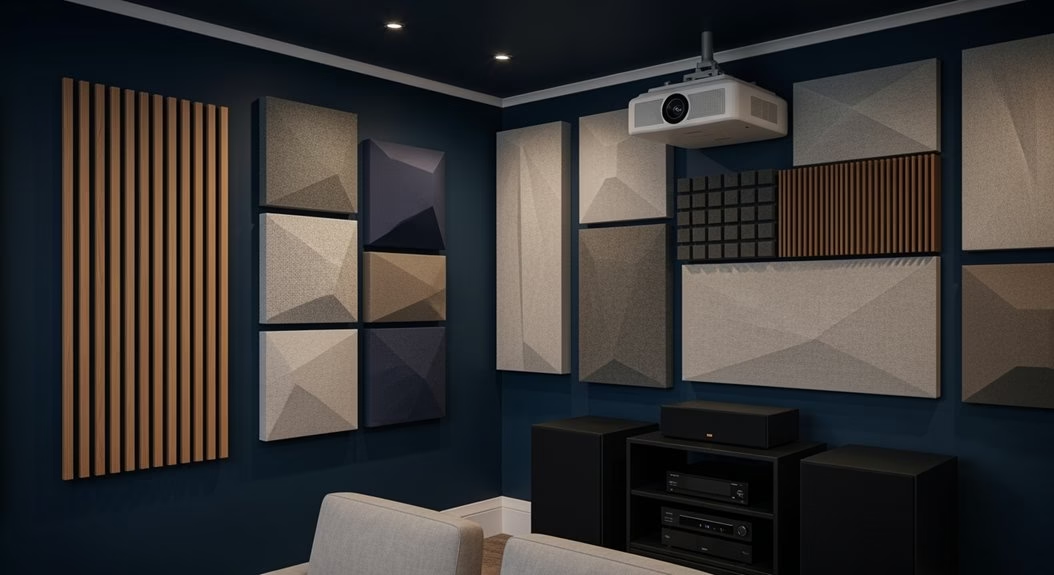
When setting up a home theater, choosing the right type of acoustic panels can greatly enhance your audio experience.
Start with foam panels, which excel at absorbing mid to high-frequency sound waves. Their thickness and density are crucial for effective sound absorption.
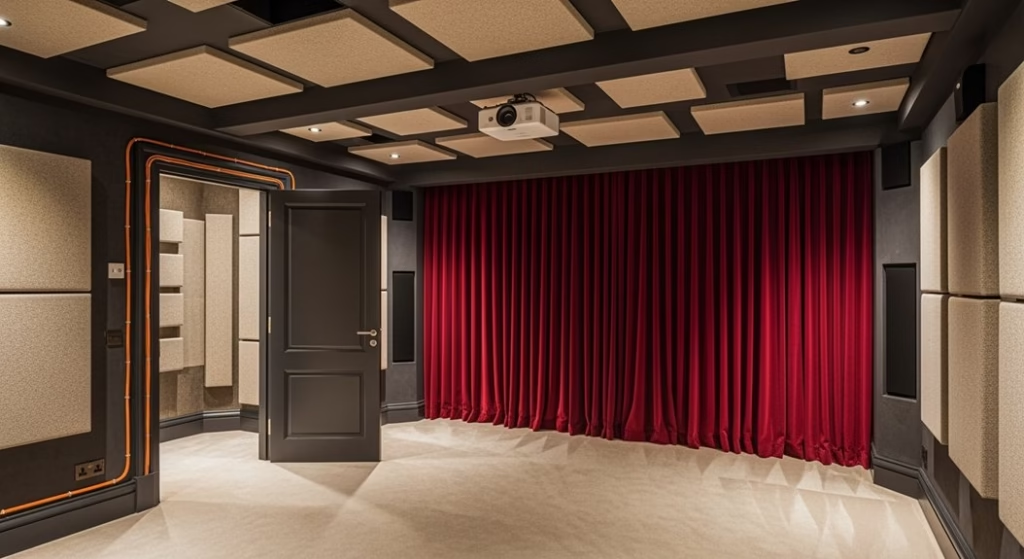
Fabric-wrapped panels are another excellent choice, blending sound absorption with aesthetic customization. You can select colors and textures that fit your style, all while utilizing high-quality acoustic foam.
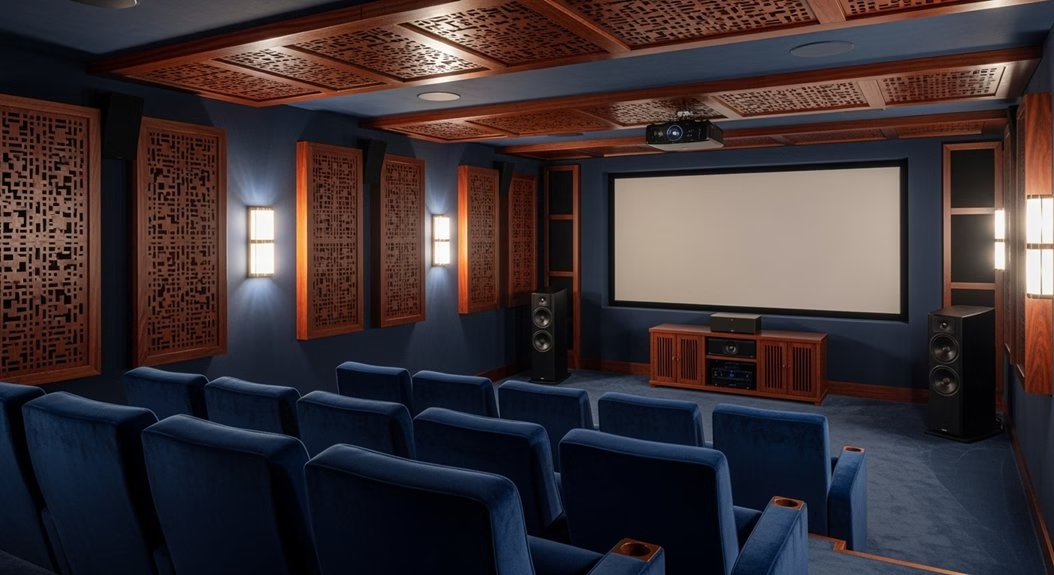
For a stylish option, consider perforated wood panels. They combine design and functionality, using perforations to absorb sound waves effectively.
Don’t forget bass traps, essential for managing low-frequency sound waves. They combat bass buildup, enhancing overall audio clarity.
With these options, you can tailor your home theater’s acoustics perfectly.
Effective Panel Placement Strategies
Having explored the different types of acoustic panels, it’s important to contemplate how you place them for the best audio experience.
Effective placement strategies guarantee that your home theater delivers clear, balanced audio. Here’s how to achieve that:
- First Reflection Points: Use the mirror technique to identify these on side walls. Position acoustic panels at ear level to absorb sound waves, thereby enhancing audio clarity.
- Bass Traps: Place these in room corners to manage low-frequency sound waves. This prevents bass buildup and promotes a balanced audio experience.
- Problem Areas: Distribute acoustic panels evenly across areas prone to echoes, such as the rear wall. This improves sound absorption and prevents muddy audio quality.
Managing Low and High Frequency Reflections
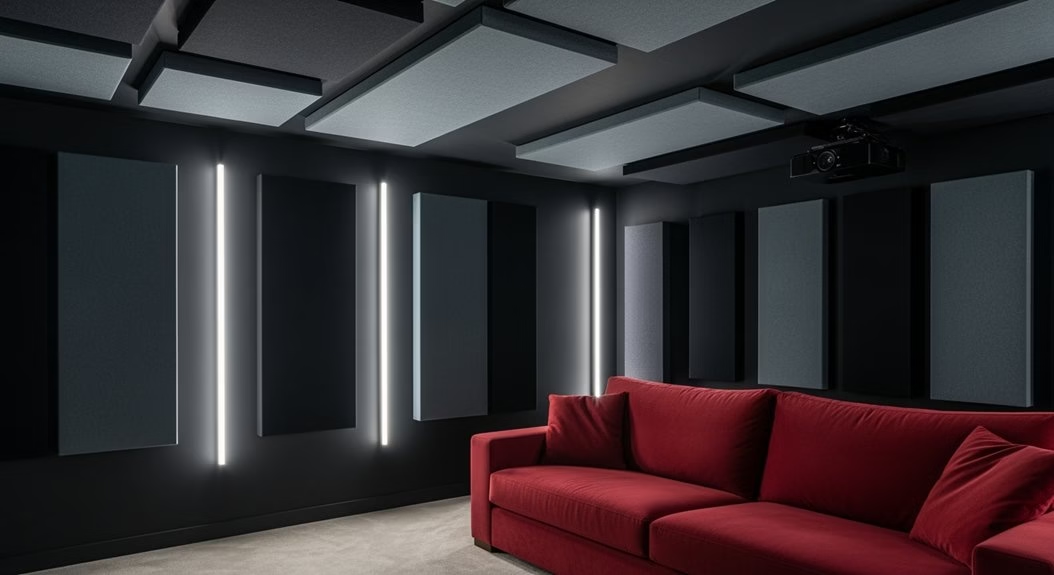
To tackle low and high-frequency reflections effectively, you need to evaluate the unique characteristics of your room. Room dimensions greatly impact low frequencies, with rectangular spaces following The Golden Ratio being ideal.
Parallel walls can create problematic bass nodes, so consider strategic acoustic treatments or room correction technology to manage low-frequency sound.
For high-frequency reflections, focus on first reflection points. Use the mirror technique to identify these areas and place acoustic panels made from soft materials to absorb sound, enhancing overall clarity.
A balanced approach is essential; too much absorption can dull the sound, while too little leaves reflections unchecked. By addressing both low and high frequencies thoughtfully, you’ll create a more immersive and acoustically pleasing environment.
Balancing Aesthetics and Functionality
While creating a custom home theater, balancing aesthetics and functionality is key to an impressive setup.
Start by selecting acoustic panels that not only absorb sound but also enhance visual aesthetics. For instance, fabric-wrapped panels can be customized to fit your design elements.
To maintain a stylish yet functional environment, consider these tips:
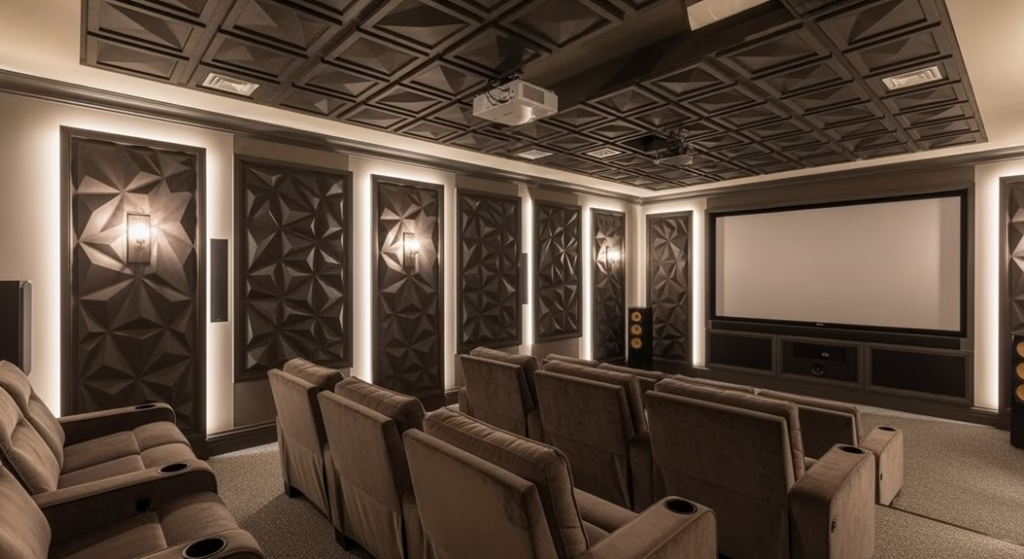
- Use diffusion panels: They scatter sound waves and add to the room’s visual appeal, enhancing your immersive audio experience.
- Strategic placement: Position panels at ear level and along reflection points to optimize sound without overwhelming the decor.
- Integrate acoustic treatments: Use wooden perforated panels that absorb sound and complement the space’s natural aesthetic.
Importance of Room Dimensions and Layout
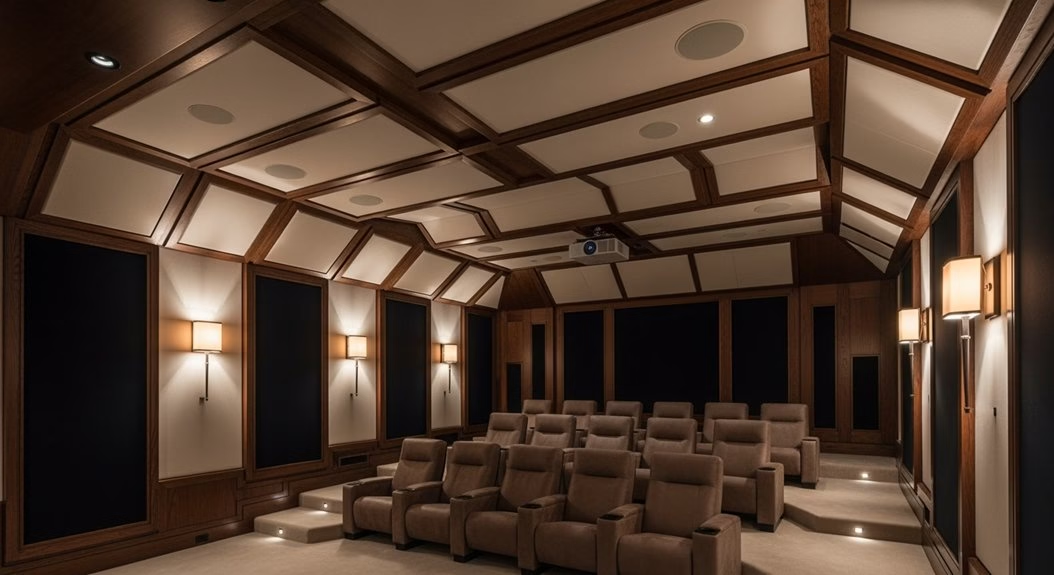
Understanding the significance of room dimensions and layout is vital when designing a custom home theater. Room dimensions greatly impact sound behavior, with rectangular shapes providing ideal acoustics.
Adhering to The Golden Ratio (1:1.6:2.6) is preferable to minimize acoustic problems. Avoid square rooms as they can cause uneven bass response and other acoustic issues. Smaller rooms are more prone to these problems, so it’s important to carefully plan your layout.
High-frequency reflections off hard surfaces can create unwanted echoes, so prioritize controlling these reflections. Proper seating placement in relation to speakers and room dimensions guarantees consistent sound quality.
Utilizing Professional Guidance for Installation
When designing a custom home theater, enlisting professional guidance for acoustic panel installation can make all the difference.
Professionals guarantee acoustic panels are placed at ideal reflection points, maximizing sound control. They provide a customized approach, tailoring solutions to your room’s dimensions and challenges.
Ensuring optimal sound control, professionals customize acoustic panel placement to suit your room’s unique dimensions and challenges.
Here’s how professionals enhance your theater:
- Balanced Acoustic Environment: Experts identify the right mix of absorptive treatments and other elements to achieve the perfect sound balance.
- Enhanced Clarity and Immersion: Properly installed panels at ear level improve your audio clarity, offering a truly immersive audio experience.
- Aesthetic Integration: Professionals guarantee that acoustic solutions complement your theater’s design, maintaining both aesthetic appeal and sound performance.
With professional installation, you’ll enjoy a superior home theater experience.
Enhancing the Overall Home Theater Experience
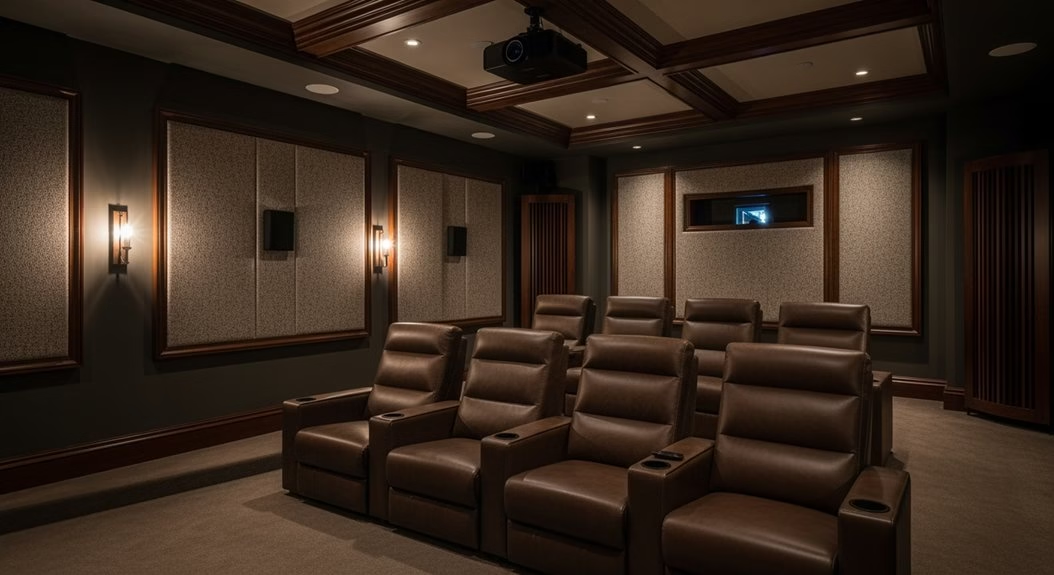
To truly elevate your home theater experience, focus on enhancing sound quality through strategic acoustic panel placement.
Acoustic panels are essential for enhancing sound by absorbing sound waves and reducing echo, which improves dialogue clarity. By placing panels at ear level on side walls and near reflection points, you can achieve a balanced audio environment that markedly boosts the immersive experience.
Incorporating custom designs not only enhances sound but also complements the overall decor, guaranteeing your home theater remains visually appealing.
For a richer soundstage, combine absorption, diffusion, and bass traps. Engaging with acoustic professionals for tailored solutions guarantees that the unique acoustic characteristics of your room are addressed, optimizing sound performance and creating a truly immersive home theater experience.
Frequently Asked Questions
Are Acoustic Panels Worth It in Home Theater?
You’re wondering if acoustic panels are worth it in a home theater? Absolutely! They boost acoustic performance, improve sound clarity, and adapt to your room dimensions.
Choose panel materials wisely for better absorption coefficients. Consider installation techniques for ideal results. They’ll integrate beautifully into your decor, but weigh cost considerations too.
DIY options are available, though professional advice can guarantee precision. Investing in panels enhances your audio experience greatly.
How to Place Acoustic Panels in a Home Theater?
To effectively place acoustic panels in your home theater, consider panel placement strategies based on your room layout.
Identify sound reflection points on walls and ceilings using the mirror technique. Choose appropriate panel material and consider wall surface types for ideal absorption.
Integrate ceiling panel options and address corner treatment techniques with bass traps.
How to Effectively Use Acoustic Panels?
Did you know that proper acoustic treatment can improve sound quality by up to 50%?
To use acoustic panels effectively, focus on sound absorption by choosing the right panel materials.
Consider your room dimensions for precise wall placement and ceiling treatment.
Integrate bass traps for low frequency control.
Balance panel density with aesthetic integration.
Use careful installation techniques and conduct acoustic testing to guarantee ideal results and enhanced audio experiences.
How Thick Should DIY Acoustic Panels Be?
When considering panel thickness for your DIY acoustic panels, aim for 2 to 4 inches. This thickness guarantees effective sound absorption across frequencies.
Use dense materials like mineral wool for better results. Choose acoustically transparent fabric to cover your panels.
Strategically place panels to maximize acoustic treatment benefits. Consider aesthetic design and soundproofing techniques to enhance your space.
DIY panels offer budget-friendly solutions and installation tips assure they’re both effective and stylish.
Conclusion
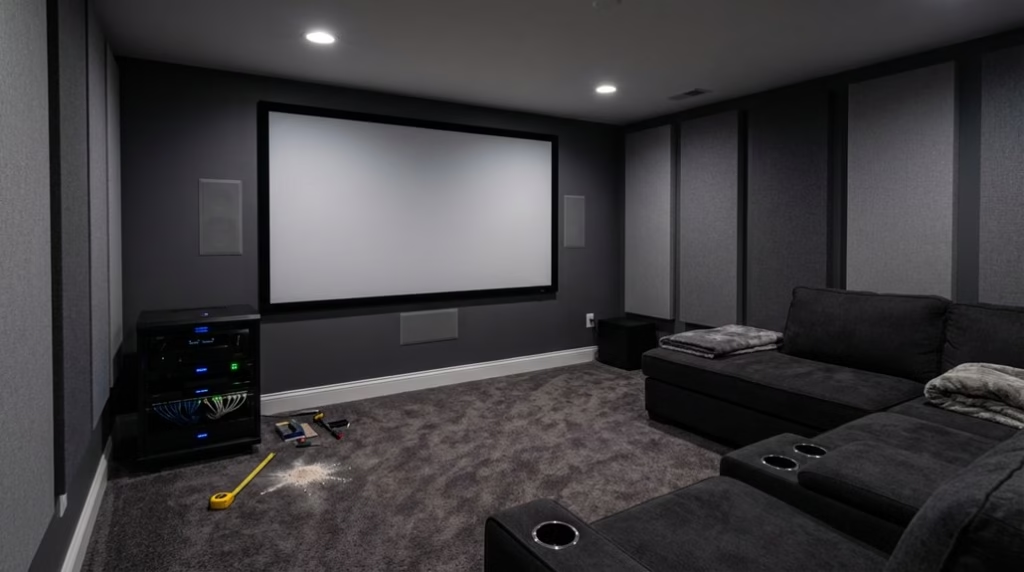
In your quest for the perfect home theater, acoustic panels are game changers. Imagine transforming a basic basement setup into a cinematic sanctuary with just a few strategically placed panels. By managing sound reflections and balancing aesthetics, you’ll create an immersive experience that rivals professional theaters. Remember, the right panel placement can turn those muffled dialogues into crystal-clear conversations. Don’t hesitate to consult a pro for that expert touch, ensuring your theater experience is second to none.