Top Materials for Home Theater Soundproofing
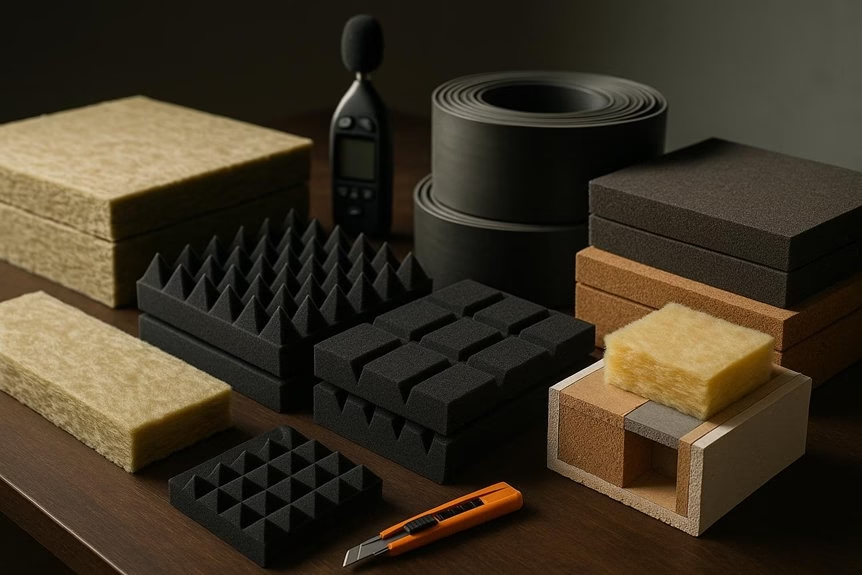
For the best home theater soundproofing, you’ll want materials that absorb and block noise effectively. Use fiberglass or mineral wool insulation for absorbing sound across various frequencies. Mass Loaded Vinyl is excellent for reducing sound transmission, especially low frequencies. Applying Green Glue between layers of drywall makes a huge difference, boosting your STC rating. Don’t forget thick curtains, rugs, and upholstered furnishings to dampen echoes and minimize sound reflections. Discover more about creating an immersive audio experience.
Key Takeaways
- Mass Loaded Vinyl effectively blocks noise transmission with an STC rating of up to 32.
- Fiberglass insulation is ideal for broad frequency sound absorption in walls.
- Mineral wool controls low-end frequencies, enhancing soundproofing in home theaters.
- Acoustic sealant closes gaps, ensuring airtightness for better noise reduction.
- Green Glue damping compound reduces noise transmission between drywall layers.
Understanding Soundproofing in Home Theaters
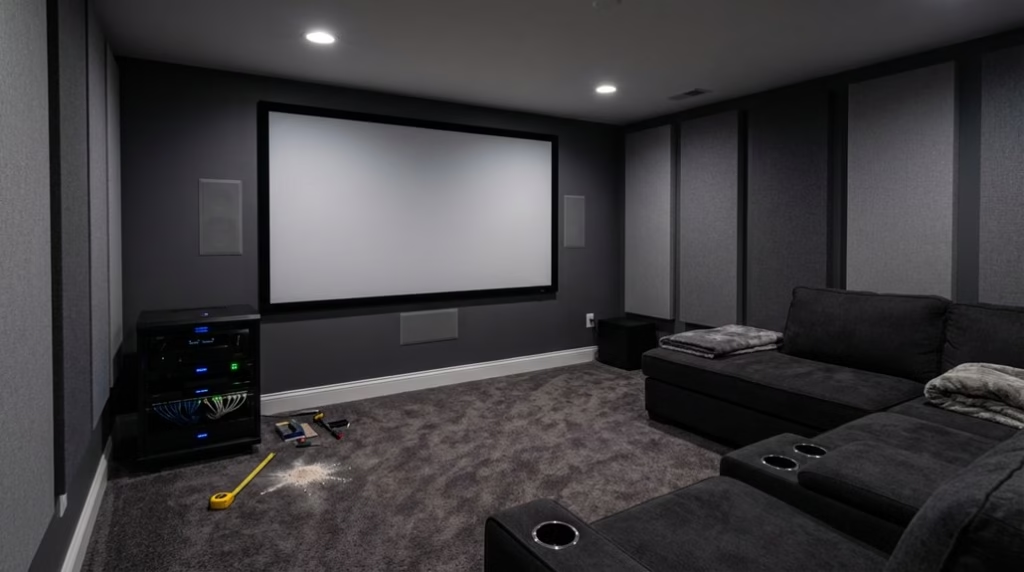
When you’re setting up a home theater, understanding soundproofing is essential to creating a superior audio environment.
You’ll need to focus on sound absorption and sound transmission to achieve effective noise reduction. Aiming for an STC rating of 55-60 guarantees sound isolation, preventing disturbances to other areas.
Use soundproofing materials like Mass Loaded Vinyl to block noise, while insulation for soundproofing, such as fiberglass or mineral wool, effectively absorbs sound.
Don’t forget to use acoustic sealant to close any gaps or cracks, maintaining airtightness for better noise control.
By combining these techniques, you’ll soundproof a home theater efficiently, enhancing the audio experience and keeping the surrounding environment undisturbed.
This tailored approach guarantees optimal sound quality and isolation.
Essential Insulation Materials for Sound Control
While setting up a home theater, it’s crucial to choose the right insulation materials for effective sound control.
Fiberglass insulation is a top choice for soundproofing walls due to its ability to absorb a broad range of frequencies, including low frequencies. It serves as excellent soundproof insulation, effectively reducing impact noise.
Fiberglass insulation effectively absorbs a broad range of frequencies, making it ideal for soundproofing walls.
If you aim to tackle low-end frequencies, consider mineral wool, which excels in this area. For applications not focused on low-frequency control, open-cell acoustic foam can offer sound absorption benefits.
Mass Loaded Vinyl is another option, reducing sound transmission considerably. If you prefer environmentally friendly options, traditional fabrics like wool and cotton can enhance acoustic performance.
Enhancing Sound Blocking With Drywall and Mass-Loaded Vinyl
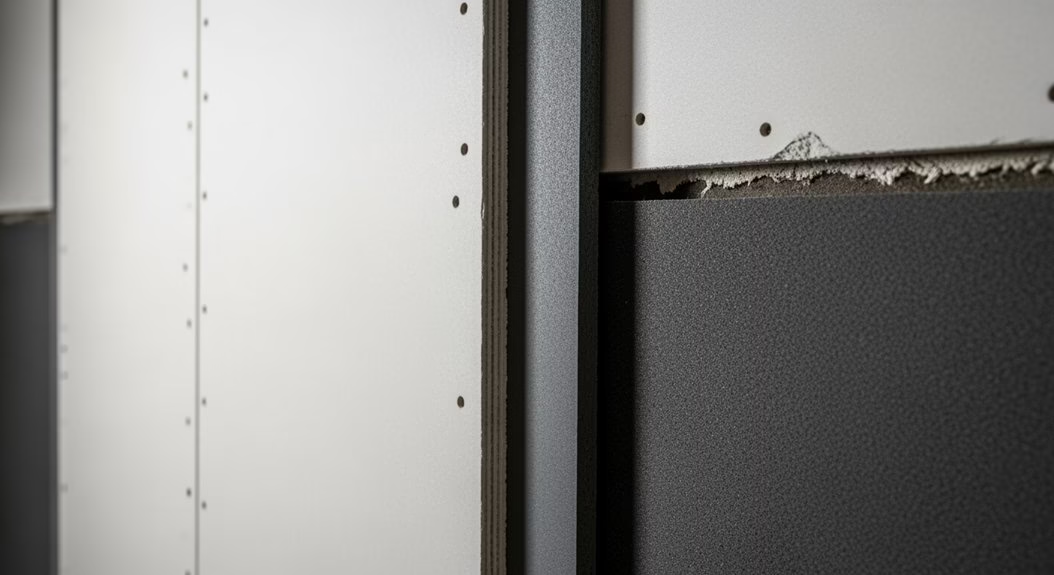
Soundproofing your home theater can be greatly enhanced by beefing up walls with drywall and Mass-Loaded Vinyl (MLV).
Start by adding a second layer of drywall, which can boost the Sound Transmission Class (STC) rating by 5 to 10 points, effectively blocking more sound.
MLV, with an impressive STC rating of up to 32, serves as an effective barrier against low-frequency noise. When you combine MLV with drywall, you markedly increase sound blocking capabilities.
To further enhance soundproofing, apply a damping compound like Green Glue between drywall layers. This setup converts sound energy into heat, reducing noise transmission.
Together, these materials can help you soundproof a room, blocking sound levels typical of loud audio systems exceeding 100 decibels.
The Role of Soft Furnishings in Sound Dampening
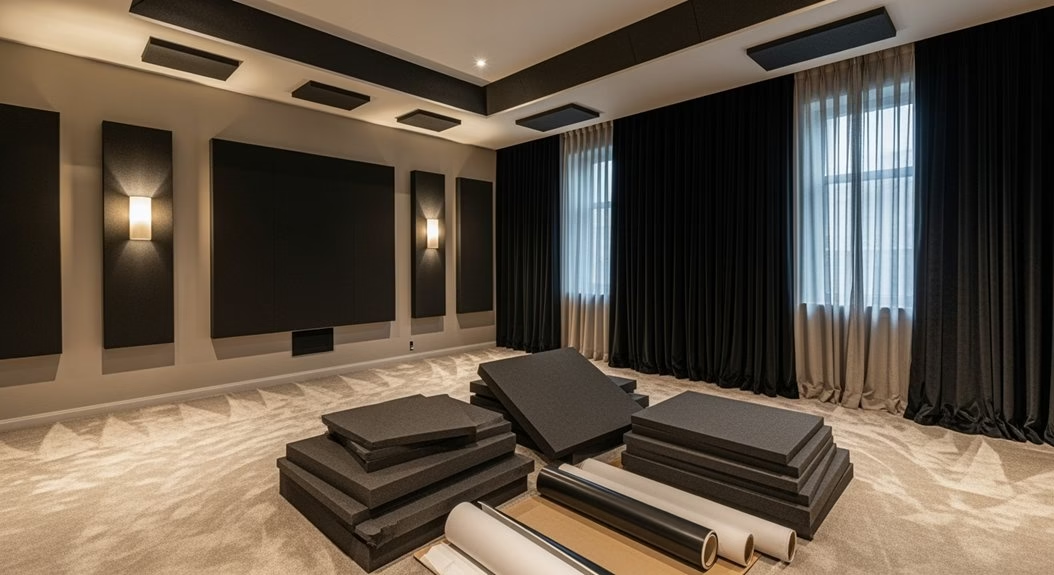
Soft furnishings play an essential role in sound dampening within a home theater. By absorbing sound, these elements reduce sound reflections and echo, enhancing acoustics.
When you incorporate soft furnishings, you can considerably improve your theater’s audio quality. Here’s how:
- Thick curtains: They can cut noise transmission through windows by up to 50%, effectively blocking airborne sound.
- Area rugs: These can dampen impact noise from footsteps, offering a softer surface that absorbs sound.
- Upholstered furniture and cushions: Fabrics like wool and velvet minimize reverberation, trapping sound energy and clarifying audio.
Combining these furnishings with other soundproofing methods maximizes sound dampening, creating an immersive, enjoyable home theater experience.
Innovative Soundproofing Techniques and Products
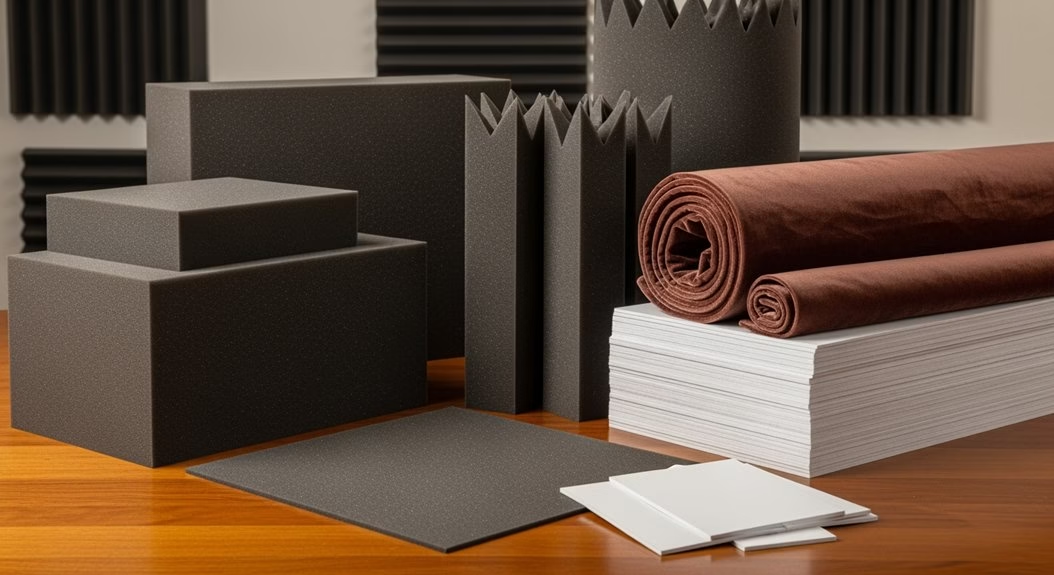
When you’re looking to elevate your home theater’s acoustic performance, consider innovative soundproofing techniques and products that go beyond traditional methods.
Start with decoupling methods, using sound isolation clips and hat channels to separate drywall from structural elements, reducing sound transmission effectively. Mass-loaded vinyl (MLV) is another excellent choice, adding considerable mass to your walls or ceilings for effective sound dampening.
Utilize decoupling techniques and mass-loaded vinyl for exceptional sound transmission reduction in your home theater.
Apply Green Glue between drywall layers to convert sound energy into heat, enhancing sound isolation and possibly boosting your STC rating to over 50.
For controlling echoes, install acoustic panels made from fiberglass or mineral wool. These absorption products considerably improve home theater sound.
You can also use Quiet Quilt noise-reducing blankets for temporary soundproofing solutions.
Achieving Acoustic Balance for an Immersive Experience
To truly transform your home theater into an immersive experience, focus on achieving acoustic balance.
Start by using soundproofing materials like fiberglass panels and acoustic curtains for sound absorption. These elements help reduce echo and reverb, enhancing sound clarity. Aim for an STC rating of 55-60 to guarantee effective sound isolation.
You can achieve this by incorporating:
- Soundproofing techniques such as mass-loaded vinyl and dense insulation to block external noise.
- Bass traps made from mineral wool or foam to control low-frequency sounds and prevent muddled audio.
- Decoupling methods like resilient channels and isolation clips to minimize structure-borne sound.
Regularly adjust your acoustic treatments, like rearranging panels, to maintain a balanced and tailored listening environment.
Frequently Asked Questions
What Is the Best Material for Soundproofing a Home Theater System?
When you’re soundproofing a home theater, focus on combining acoustic panels for enhanced sound isolation, and soundproof curtains to block noise.
Consider basement insulation and wall treatments for effective noise reduction.
Install ceiling tiles and select flooring options that absorb sound.
Don’t forget door seals and window inserts to prevent sound leakage.
Finally, optimize your room layout to minimize reflections and improve overall acoustics, creating an immersive experience.
What Is the Most Effective Soundproofing Material?
You’re wondering about the most effective soundproofing material.
Start with acoustic panels and mass-loaded sound barriers; they’re fantastic for sound isolation.
Add resilient channels and multiple drywall layers with Green Glue for increased effectiveness.
Don’t forget soundproof curtains and foam wedges for extra absorption.
Bass traps help with low frequencies, and together, these create a thorough solution.
With these tools, you’ll effectively improve your soundproofing efforts.
What Material Does Sound Bounce off Best?
Isn’t it interesting how sound seems to always find the perfect surface to bounce off? Reflective surfaces like glass and metal are notorious for this.
While they’re great for bouncing sound waves, they can’t absorb them, which is where acoustic panels come in handy.
By considering your room dimensions and using bass traps, ceiling treatments, and thoughtful wall construction, you can manage sound diffusion and absorption effectively.
Even flooring options contribute to this delicate balance.
What Material Can Sound Not Pass Through?
You’re wondering about materials that sound can’t pass through. For effective sound insulation, think of options like mass-loaded vinyl and soundproof drywall.
These materials excel in blocking sound transmission. Incorporating acoustic panels can enhance this by absorbing sound.
Resilient channels and vibration damping techniques also reduce noise. Don’t forget soundproof curtains and double-glazed windows, as their air gaps serve as excellent sound barriers.
These elements collectively create a quieter environment.
Conclusion
You’ve explored the dynamic world of soundproofing, discovering essential insulation materials and examining enhancements like drywall and mass-loaded vinyl. Soft furnishings subtly support sound dampening, while innovative techniques and products push the boundaries of quietude. By balancing these elements, you’re not just building a home theater; you’re crafting an enchanting cocoon of acoustic excellence. With these tools, you’re set to transform any space into a sanctuary of sound, creating an immersive and impressive audio experience.