What Are Cost-Effective Soundproofing Options?
To soundproof your space cost-effectively, you can use mass-loaded vinyl for walls, ceilings, and floors. Acoustic foam panels help with sound quality and reducing echoes. Weatherstripping tape seals gaps around doors and windows, while thick carpets or rugs reduce impact noise. Soundproof blankets are a versatile, temporary option, especially for renters. Simple DIY techniques, like creating panels with materials like egg crate foam, can also enhance acoustics. Find out how these solutions can elevate your soundproofing endeavors.
Key Takeaways
- Mass-loaded vinyl offers affordable soundproofing for walls, ceilings, and floors.
- Soundproof blankets provide a versatile and temporary noise reduction solution.
- Thick rugs or carpets reduce impact noise effectively and economically.
- DIY soundproof curtains can help block window noise affordably.
- Weatherstripping tape seals gaps around doors and windows to minimize noise.
Understanding the Basics of Soundproofing
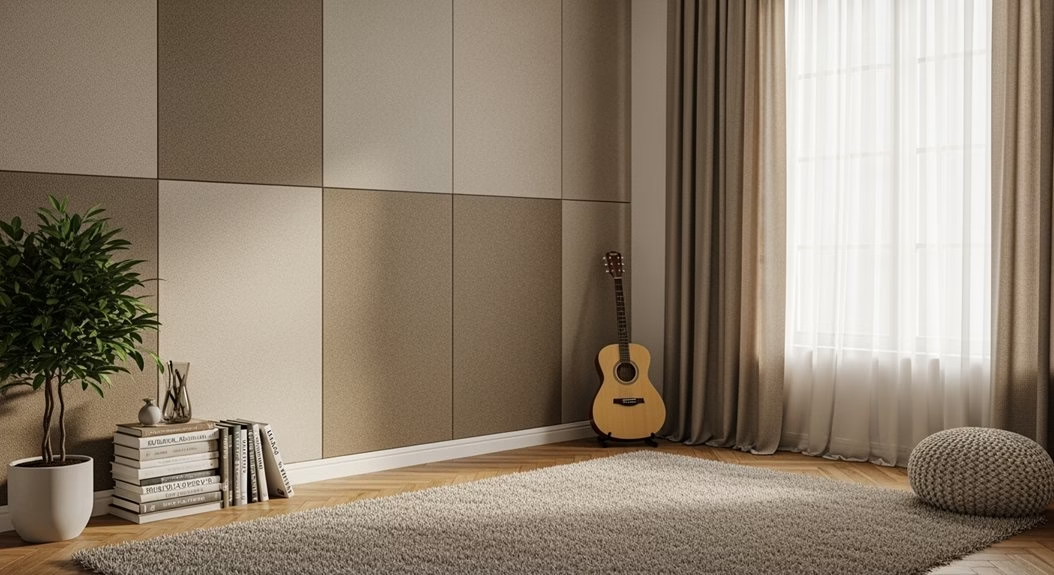
When you’re diving into the world of soundproofing, it’s essential to understand its core principles to achieve the best results.
Soundproofing focuses on noise control by blocking sound transmission and reducing noise through methods like adding mass and decoupling surfaces. You’ll need materials that offer acoustic insulation to effectively block airborne noise.
High-density materials such as mass-loaded vinyl or soundproof blankets are known for their ability to reduce noise, while affordable soundproofing products can still provide decent results if you understand the acoustical properties involved.
It’s vital to look for materials with high Sound Transmission Class (STC) ratings, as these indicate better performance in blocking sound.
Choosing the Right Materials for Your Needs
- Mass Loaded Vinyl: Ideal for walls, ceilings, floors.
- Acoustic Foam Panels: Enhances sound quality.
- Weatherstripping Tape: Seals gaps around doors.
- Thick Carpets/Rugs: Reduces impact noise.
- DIY Soundproof Curtains: Easy window noise solution.
Affordable Solutions With Mass-Loaded Vinyl
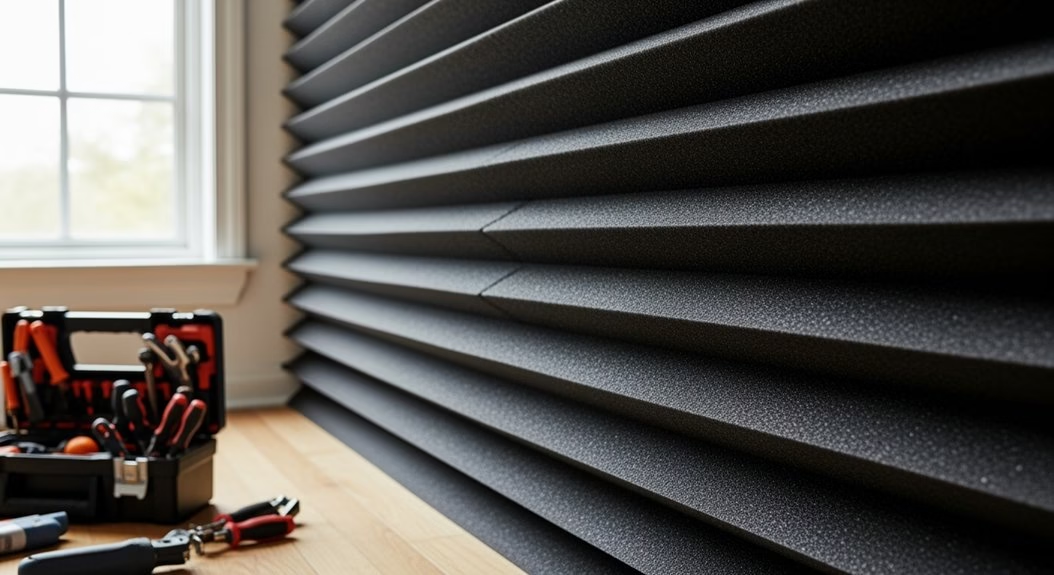
Although creating a quiet and peaceful space may seem intimidating, you’ll find that Mass-Loaded Vinyl (MLV) offers an affordable and effective solution. This thin yet heavy material is designed to block sound, making it a top choice for soundproofing your walls, ceilings, and floors without breaking the bank.
MLV incorporates dense materials such as salt, sand, and metal particles, effectively reducing sound transmission and enhancing the acoustic quality of any space.
Installing MLV between layers of drywall is a straightforward way to achieve significant noise reduction. Its versatile applications mean it can be easily cut to size for residential, commercial, and construction settings.
Temporary Noise Control With Soundproof Blankets
While Mass-Loaded Vinyl offers a long-term solution for soundproofing, soundproof blankets present a versatile and temporary alternative.
They’re perfect for renters or anyone seeking non-permanent noise control. These flexible blankets can be easily hung on walls, doors, or windows, offering a simple way to reduce unwanted noise.
Their dual function of blocking and absorption helps create a quieter environment in homes, offices, or studios. Plus, they’re lightweight, making them easy to install and remove.
Soundproof blankets offer:
- Flexibility: Adapt them to different spaces as needed.
- Affordability: Cost-effective options that don’t break the bank.
- Portability: Easy to move and reuse in various settings.
- Effective Noise Reduction: Noticeable improvement in noise levels.
- Temporary Solution: Ideal for those seeking non-permanent adjustments.
Enhancing Acoustics With Acoustic Foam Panels
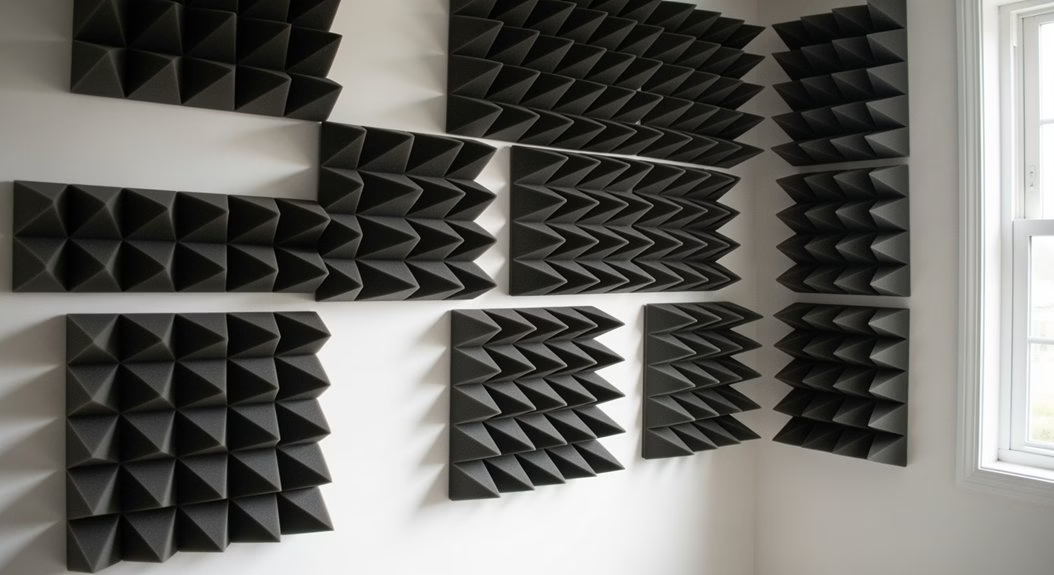
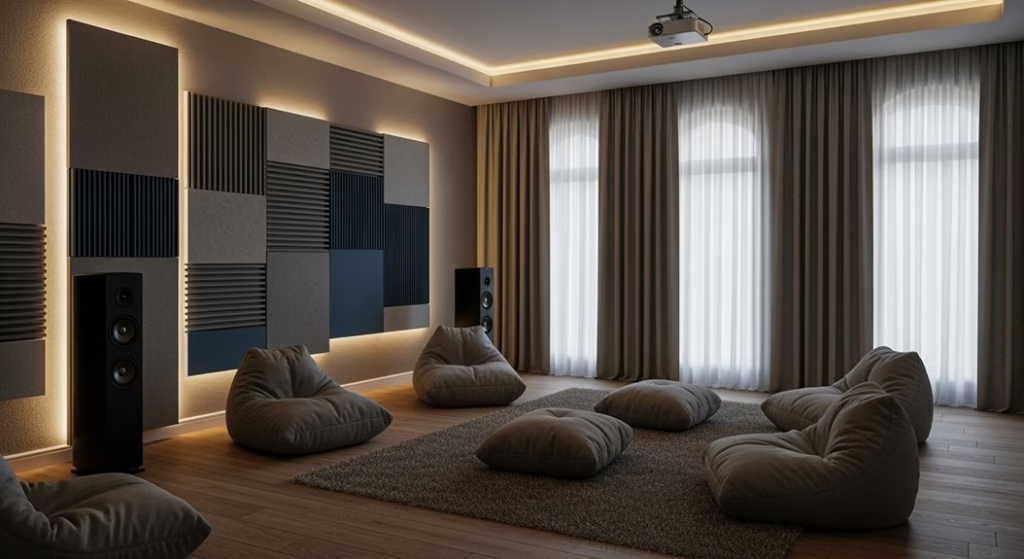
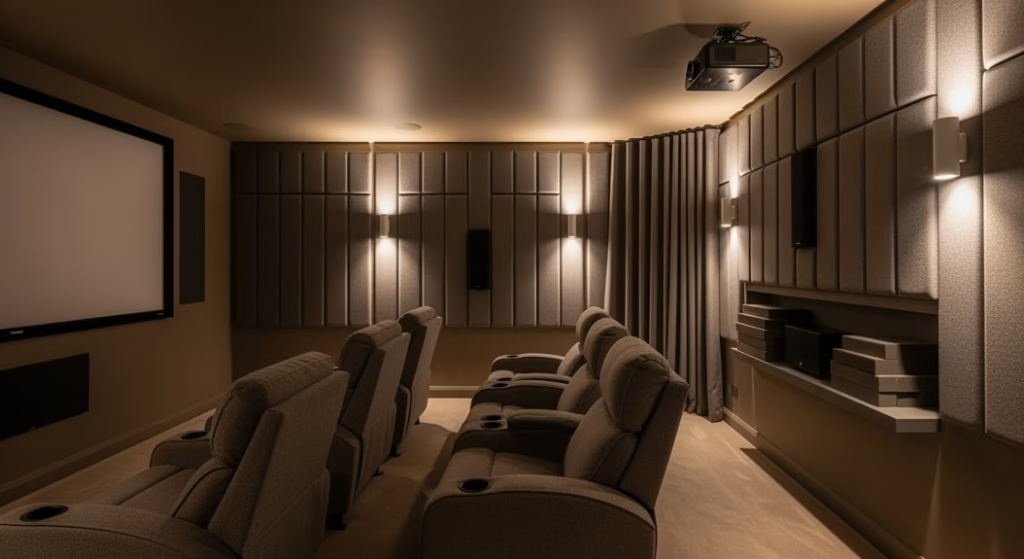
Acoustic foam panels are a smart choice for anyone looking to enhance sound quality and reduce echo in their space.
These acoustic panels are designed to absorb sound energy, greatly improving sound clarity in environments like home offices and recording studios. They’re affordable and offer customization options with various shapes and sizes to fit your aesthetic and acoustic needs.
The installation is straightforward, often requiring just adhesive or mounting hardware, making them perfect for DIY projects. While they primarily target high-frequency sounds, they can enhance acoustics when combined with other soundproofing materials.
By reducing sound reflections, these panels help create a balanced sound environment, crucial in spaces where quality sound is essential.
Consider integrating them into your setup for ideal results.
Sealing Gaps With Weatherstripping Tape
When you’re looking to enhance soundproofing on a budget, sealing gaps with weatherstripping tape is an excellent choice. This inexpensive solution effectively reduces unwanted noise by sealing gaps around doors and windows.
It’s easy to install without needing special tools, making it ideal for budget-conscious individuals aiming to improve soundproofing. Not only does weatherstripping tape block noise, but it also boosts energy efficiency by preventing drafts and air leaks.
Available in foam, rubber, and vinyl, it accommodates various surfaces and soundproofing needs. Regular maintenance guarantees long-term effectiveness, as worn tape can let sound in again.
- Cost-effective: Perfect for tight budgets.
- Easy installation: No special tools required.
- Energy efficient: Reduces drafts.
- Versatile materials: Choose what’s best for you.
- Long-lasting: Regular maintenance prolongs effectiveness.
Utilizing Carpets and Rugs for Impact Noise Reduction
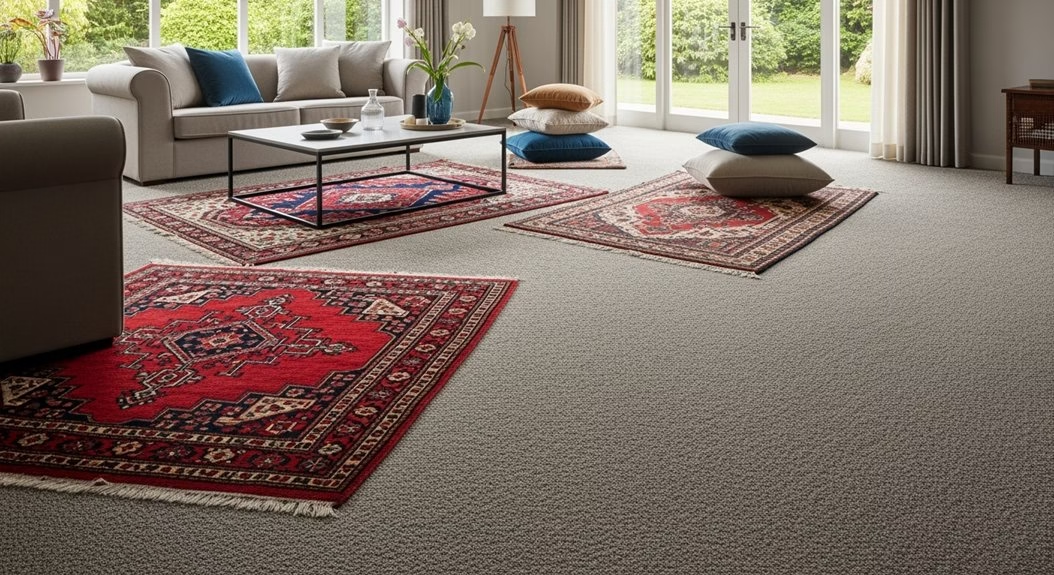
After sealing gaps with weatherstripping tape, another cost-effective way to enhance your space’s soundproofing is by using carpets and rugs.
These dense materials greatly reduce impact noise by absorbing sound waves that would otherwise bounce off hard surfaces. In high-traffic areas, carpets and rugs are particularly effective in achieving noise reduction, creating a quieter environment.
By adding extra padding underneath, you can further boost sound absorption. This is especially beneficial in multi-family dwellings, where minimizing sound transmission between floors is vital.
Beyond reducing disturbances from footsteps and moving furniture, carpets and rugs improve room acoustics by dampening echoes.
Opt for heavy, dense options for maximum effectiveness, ensuring your living space is both serene and acoustically pleasant.
DIY Techniques for Cost-Effective Soundproofing
If you’re looking for affordable ways to soundproof your living space, DIY techniques can be highly effective.
Start by using mass-loaded vinyl (MLV) between drywall layers or on walls, ceilings, and floors for robust noise reduction.
Soundproof blankets or heavy moving blankets are flexible solutions that provide both sound absorption and blocking.
Lay thick rugs or carpets with extra padding to minimize impact noise in high-traffic areas.
Create DIY acoustic panels with egg crate foam or dense materials to reduce echoes and improve room acoustics.
Don’t overlook the simplicity of weatherstripping tape around doors and windows to prevent noise leaks.
- Mass-loaded vinyl (MLV) for blocking noise
- Soundproof blankets for versatility
- Thick rugs to absorb sound
- DIY acoustic panels for better acoustics
- Weatherstripping tape to seal gaps
Frequently Asked Questions
What Is the Cheapest Soundproofing Option?
When you’re looking for the cheapest soundproofing option, start with DIY materials like weather stripping and door sweeps, which seal gaps effectively.
Acoustic panels, while pricier, can be substituted with foam tiles or egg crate foam.
Use thick rugs or carpets to reduce impact noise.
Mass loaded vinyl and green glue offer more professional solutions.
Soundproof curtains made from layered fabrics also help block noise without breaking the bank.
How Can I Soundproof Cheaply?
You can soundproof cheaply by using a few DIY techniques.
Install acoustic panels or soundproof foam on walls for better absorption.
Apply weather stripping and door sweeps to block noise through gaps.
Hang thick curtains and lay down rugs or carpets to dampen sound.
A bookshelf barrier adds mass to walls, reducing noise transmission.
Finally, try soundproofing paint for an extra layer of protection against unwanted sound.
What Is the Cheapest Soundproofing Solution?
When considering the cheapest soundproofing solution, start with DIY soundproof materials like weatherstripping tape, which acts as budget-friendly sealants for gaps.
For low-cost wall treatments, try soundproofing foam options like egg crate foam.
Soundproofing curtains are affordable and effective at noise reduction.
Utilize heavy rugs as sound dampening techniques.
Finally, home insulation solutions, such as full bookshelves, double as acoustic panels on a budget, ensuring effective noise reduction in your space.
How Can I Soundproof an Existing Wall Cheaply?
Imagine you’re a secret agent, and those pesky sounds are enemy spies.
To fortify your wall, start with acoustic panels and soundproof curtains, like your tactical camouflage. Install mass-loaded vinyl between drywall layers for stealthy silence.
Seal gaps with weather stripping and door seals to trap the noise culprits. Add foam insulation and resilient channels as your defensive strategy.
Finally, use soundproof paint as the finishing touch to complete your soundproof fortress.
Conclusion
So, you’ve decided to commence the noble quest of soundproofing your space without breaking the bank. Congratulations! With mass-loaded vinyl, soundproof blankets, and acoustic foam panels, your home will be as quiet as a library—just without the pesky books. Don’t forget to seal those gaps with weatherstripping tape and toss a few carpets around; your floors will thank you. Follow these DIY hacks, and soon, you’ll be the proud owner of a fortress of silence.