7 Best Cost-Effective Soundproofing Ideas for Home Cinema
For cost-effective soundproofing in your home cinema, focus on practical strategies. Use Mass Loaded Vinyl for walls and ceilings, and lay down sound-dampening flooring underlayment. Hang acoustic baffles to cut down on echoes and apply Quiet Batt® insulation for noise reduction. Seal gaps with acoustic caulk, add thick carpets, and install heavy curtains to block and absorb sound. If you’re interested, discover how decoupling techniques enhance isolation even further.
Key Takeaways
- Install Mass Loaded Vinyl between drywall layers to enhance soundproofing by increasing the sound transmission class (STC) rating.
- Use flooring underlayment to reduce impact noise and improve sound insulation between floors.
- Implement acoustic baffles to absorb sound energy and reduce echo in home theaters.
- Apply Quiet Batt® soundproofing insulation for effective noise reduction while maintaining eco-friendly practices.
- Seal gaps with acoustic caulk and use thick carpets and curtains to minimize sound leakage and enhance room acoustics.
Utilize Mass Loaded Vinyl for Walls and Ceilings
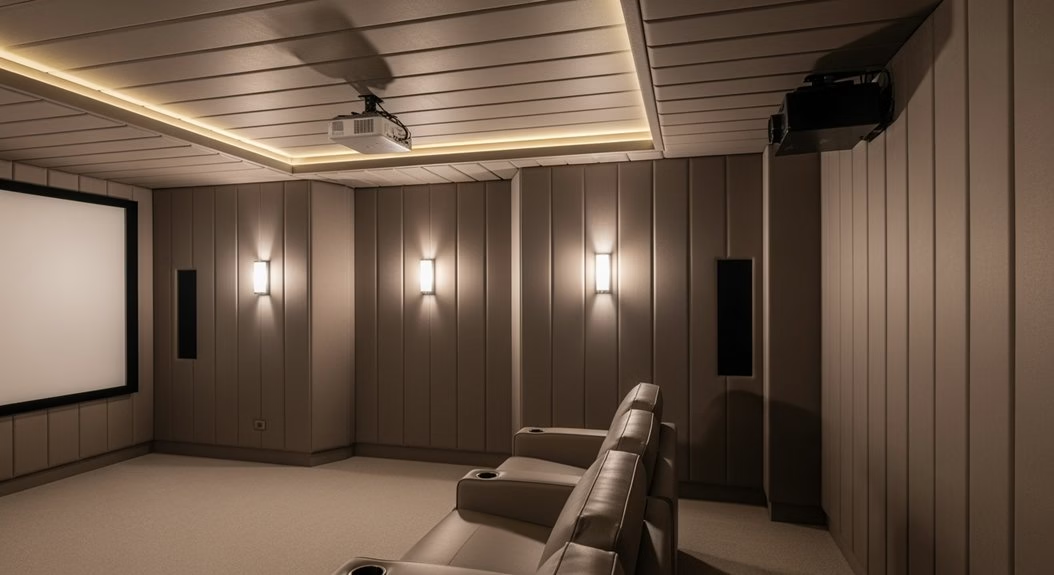
When you’re looking to soundproof your home cinema effectively, Mass Loaded Vinyl (MLV) is a top choice for walls and ceilings.
MLV stands out among soundproofing materials for its ability to absorb sound and reduce sound transmission by adding mass. By applying MLV between layers of drywall, you can greatly enhance the sound transmission class (STC) rating of your walls, achieving the desired quietness for a soundproof home theater.
MLV sheets are easy to cut and install, fitting seamlessly into any space without needing major renovations. With a typical 1/8th inch thickness, MLV adapts to your soundproofing needs, making it a versatile option that targets both airborne and structure-borne sound frequencies effectively.
Install Flooring Underlayment for Sound Dampening
One of the most effective ways to enhance your home cinema’s soundproofing is by installing flooring underlayment. This essential layer acts as a sound barrier between your floor and subfloor, reducing impact noise and vibrations.
By doing so, it greatly improves the sound insulation of your space, minimizing sound transmission and creating a quieter environment for your cinematic experience.
Opt for a dense underlayment with high sound absorption ratings for ideal sound dampening. Whether you’re working with laminate, tile, or carpet, this step guarantees enhanced soundproofing.
Place the underlayment before the flooring installation to achieve the best results. Many options also come with moisture barriers, protecting against potential water damage while bolstering soundproofing benefits—a perfect combination for your home theater.
Hang Acoustic Baffles to Reduce Echo
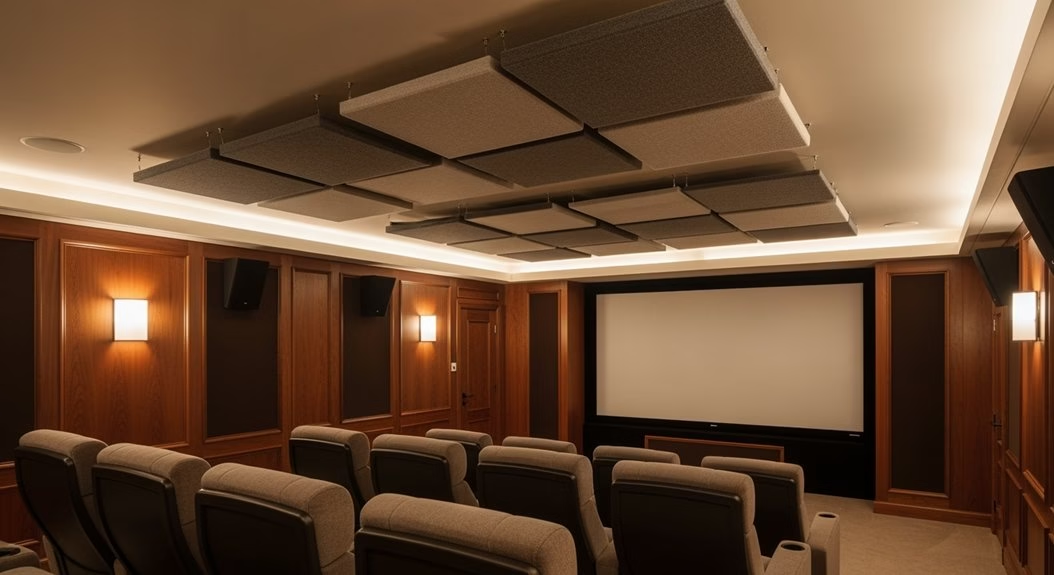
To effectively reduce echo and enhance sound quality in your home cinema, consider hanging acoustic baffles.
These suspended panels are designed to absorb sound energy, making them an excellent choice for your home theater. By increasing the surface area for sound absorption, acoustic baffles minimize reverberation, particularly in high and mid-frequency ranges. This results in improved clarity for dialogue and music, offering a superior audio experience.
You can find baffles made from materials like rockwool or fiberglass, known for their sound absorption capabilities.
They’re a cost-effective solution, ranging from $20 to $50 per panel, and can be tackled as rewarding DIY projects.
Strategically place them to maximize sound quality and transform your home theater into an immersive audio haven.
Apply Quiet Batt® Soundproofing Insulation
For an effective way to enhance your home cinema’s sound quality, consider applying Quiet Batt® Soundproofing Insulation. This soundproofing insulation is crafted to absorb sound energy, reducing noise transmission considerably in your home theater.
Its unique blend of fibers works wonders on walls and ceilings, especially in cutting mid and high-frequency noise, boosting acoustic performance.
Quiet Batt® is eco-friendly, catering to sustainable living while providing excellent sound isolation. It’s designed to fit standard wall cavities, making installation a breeze, and doesn’t require extensive renovations.
Combine it with acoustic panels or mass-loaded vinyl to achieve an impressive STC rating of 55 or higher. Quiet Batt® is your go-to solution for a more immersive and quieter home theater experience.
Seal Gaps and Cracks With Acoustic Caulk

Several overlooked nooks and crannies in your home cinema can undermine your soundproofing efforts. Acoustic caulk is your ally in sealing gaps and reducing sound leakage. It’s designed to remain flexible, creating airtight seals and enhancing the effectiveness of your soundproofing materials.
Acoustic caulk is your soundproofing ally, sealing gaps and reducing sound leakage effectively.
Focus on areas where different building materials meet, like:
- Electrical outlets: Common weak points for sound leakage.
- Light fixtures: Seal around them to prevent sound waves from sneaking through.
- Plumbing entries: A notorious source of sound transmission.
Apply the acoustic caulk generously, smoothing it with a putty knife or your finger to guarantee a snug fit. Its ability to expand and contract with temperature changes means it maintains its seal, blocking those pesky sound waves from sneaking in.
Use Thick Carpets and Heavy Curtains
Thick carpets and heavy curtains transform your home cinema into an acoustic haven. By installing thick carpets, you reduce sound reflections and absorb mid to high-frequency sounds, enhancing the room’s acoustics.
Add dense padding beneath to boost soundproofing effectiveness, creating an extra layer of sound absorption. Rugs placed at strategic reflection points further dampen sound waves, minimizing echoes and sharpening audio clarity.
Heavy curtains are another essential element. When drawn, they block external noise and absorb sound within the room, contributing to a more immersive viewing experience.
Opt for high-quality, thick fabrics to achieve an STC improvement of 5-10 decibels, effectively reducing noise transmission from outside. Together, these elements guarantee a cinema experience that’s rich in sound quality and free from distractions.
Implement Decoupling Techniques for Enhanced Isolation
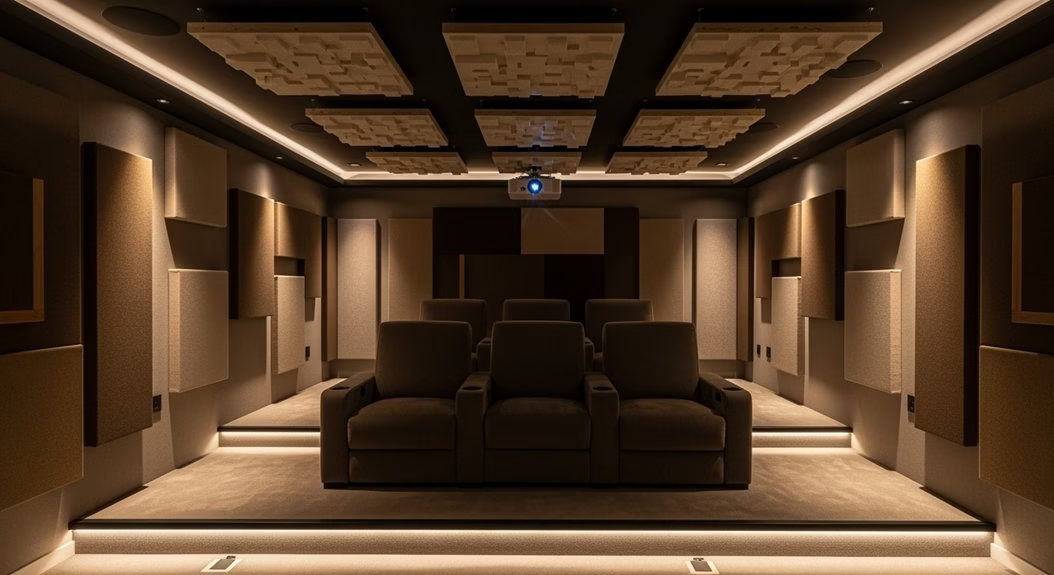
When you want to enhance sound isolation in your home cinema, implementing decoupling techniques can make a significant difference.
Enhancing sound isolation in your home cinema? Decoupling techniques can significantly improve acoustic performance.
Constructing a double wall system or using staggered stud walls effectively separates adjoining surfaces, reducing sound transmission. This setup can achieve higher STC ratings above 60, ensuring superior soundproofing.
Utilizing resilient channels or sound isolation clips to attach drywall to studs minimizes structure-borne sound, blocking unwanted vibrations.
- Double wall systems: Separate surfaces to reduce sound transmission.
- Resilient channels: Minimize structure-borne sound and vibrations.
- Soundproof insulation: Absorb low frequencies for better audio clarity.
Frequently Asked Questions
What Is the Cheapest Soundproofing Option?
You’re wondering about the cheapest soundproofing option.
Start with DIY soundproofing materials like acoustic panels. You can build them using rockwool or fiberglass and cover them with fabric.
For windows, soundproofing curtains offer significant noise reduction benefits and are affordable.
Consider budget-friendly flooring like thick carpets.
Enhance wall insulation techniques with Mass Loaded Vinyl.
Finally, soundproofing door seals, like weatherstripping, are essential noise reduction tips to seal gaps effectively.
What Is the Best Soundproofing for Home Theaters?
When you’re looking for the best soundproofing for home theaters, focus on combining acoustic panels and sound barriers for ideal noise reduction.
Implement wall treatments like Mass Loaded Vinyl for sound absorption and room isolation.
Bass traps are essential for managing low frequencies, while double wall construction enhances isolation.
Don’t forget solid core doors and sealing gaps for thorough soundproofing.
This approach guarantees you experience the best audio quality in your home cinema.
How Can I Soundproof My Home Cinema Room?
To soundproof your home cinema room, you should start by installing acoustic panels to reduce echo.
Use soundproof curtains and window inserts to block external noise and prevent sound leakage.
Add floor underlayment to minimize impact noise.
Make certain wall insulation is effective by using rockwool or fiberglass batts.
Don’t forget to seal doors with door seals for airtightness.
Finally, consider ceiling tiles to further enhance sound isolation.
What Is the Cheapest Soundproofing Solution?
Have you ever wondered if the cheapest soundproofing solutions actually work?
Immerse yourself in DIY solutions like acoustic panels, which you can craft from rockwool for under $20. Mass-loaded vinyl, costing $1-$3 per square foot, effectively dampens sound.
Combine weather stripping and foam tiles to seal gaps, while carpet layers and window plugs reduce noise further. These methods guarantee you don’t break the bank while achieving quieter spaces.
Conclusion
You’re on the brink of transforming your home cinema into a soundproof sanctuary. With Mass Loaded Vinyl, your walls and ceilings will become impenetrable fortresses against noise. Underlayment flooring will silence even the sneakiest sound waves. Acoustic baffles will turn echoes into a thing of the past. Quiet Batt® insulation, acoustic caulk, thick carpets, and heavy curtains will work like magic, and decoupling techniques will elevate your isolation game to legendary status. Enjoy your cinematic paradise!