Why Choose DIY Soundproofing for Home Theaters?
Opting for DIY soundproofing in your home theater saves you money, customizing your audio experience without hefty professional fees. You can tailor solutions to fit your space, using materials like acoustic foam and mass-loaded vinyl to block unwanted noise. Tackling this project also boosts energy efficiency by sealing gaps and minimizing leaks. By doing it yourself, you’re encouraged to get creative and learn the nuances of effective sound isolation. There’s plenty more to discover about optimizing your setup.
Key Takeaways
- DIY soundproofing offers cost savings by using affordable materials and eliminating professional installation fees.
- It allows for customizable solutions tailored to fit specific room dimensions and personal soundproofing preferences.
- Sealing gaps and reducing air leaks improve energy efficiency alongside soundproofing benefits.
- Enhances sound quality by minimizing external noise distractions, creating an immersive home theater experience.
- Encourages creativity in designing personalized soundproofing solutions unique to individual needs.
Understanding the Basics of Soundproofing

Soundproofing is essential for creating an immersive home theater experience by keeping unwanted noise out and guaranteeing the sound within stays crisp and clear.
Ensure an immersive home theater by eliminating noise and maintaining pristine sound quality.
When you tackle DIY soundproofing, understanding the basics is key. You can use two main types of techniques: active, which focuses on sound absorption, and passive, which relies on soundproof materials like soundproof insulation and barriers.
Acoustic foam is great for absorbing sound and can greatly reduce noise, while mass-loaded vinyl helps with sound isolation. Properly sealing gaps and using multiple layers make certain that soundproof materials work effectively.
By implementing these strategies, you’ll improve sound quality and make your home theater a sanctuary for entertainment without external interruptions.
Jump in and transform your space with DIY soundproofing!
Benefits of DIY Soundproofing for Home Theaters
When you take on the task of DIY soundproofing your home theater, you release a world of benefits that enhance both your space and experience. By using soundproofing materials like acoustic foam, you can reduce noise and improve sound quality without breaking the bank.
Here’s why DIY soundproofing is a smart choice:
- Cost Savings: DIY techniques let you source affordable materials and avoid professional installation fees.
- Customizable Solutions: Tailor your soundproofing to fit your room and personal preferences, ensuring ideal sound isolation.
- Energy Efficiency: Sealing gaps and reducing noise pollution also minimizes air leaks, potentially lowering heating and cooling costs.
Embrace your creativity and enjoy a customized, efficient, and cost-effective home theater experience.
Essential Materials for Soundproofing
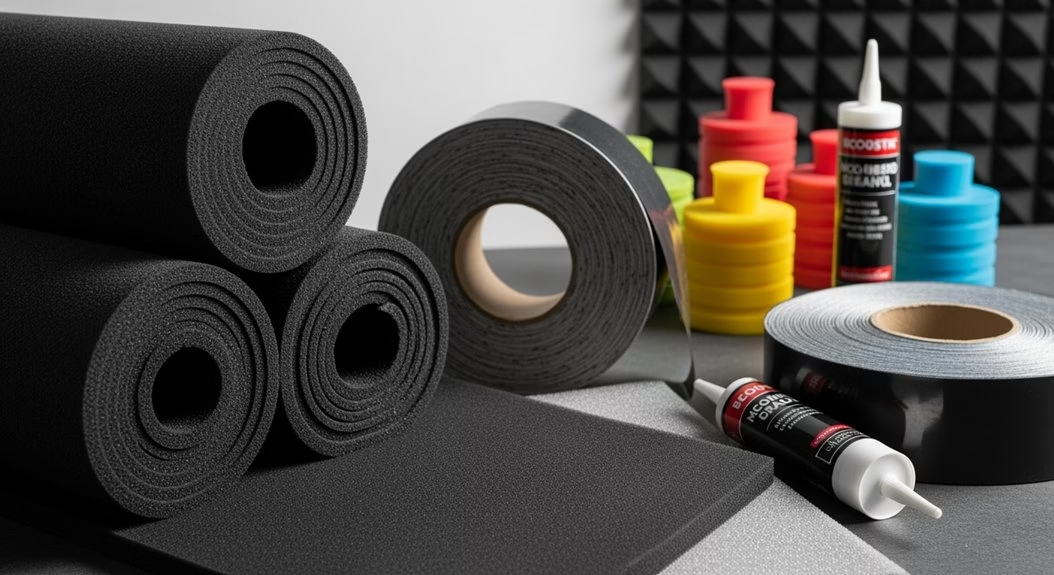
To effectively create a serene, immersive environment in your home theater, you’ll need the right materials to tackle soundproofing.
Start with soundproofing insulation like Quiet Batt®, which traps sound within walls, ceilings, and floors while being eco-friendly.
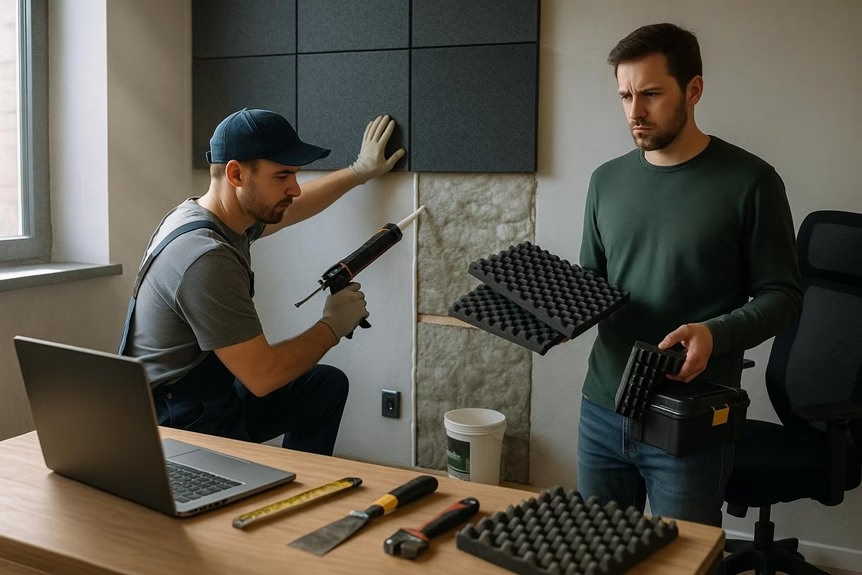
Acoustic foam is a cost-effective choice to dampen sound and reduce echoes, enhancing sound quality within your space.
For blocking external noise, Mass-loaded vinyl acts as a powerful sound barrier.
Green Glue applied between drywall layers greatly improves sound isolation, helping to soundproof a home theater.
Fabric wrapped foam panels offer aesthetic appeal and effective sound absorption.
These soundproofing solutions, combining function and style, guarantee that you create an optimized viewing experience, keeping unwanted noise out and delivering crystal-clear audio.
Techniques for Effective Soundproofing
Although creating a perfectly soundproof home theater may seem challenging, employing the right techniques can make a significant difference.
Here are some DIY soundproofing strategies to contemplate:
- Acoustic Panels and Sealant: Install acoustic panels to reduce sound reflections and seal gaps around doors, windows, and outlets with acoustic sealant to prevent sound leakage.
- Layering Materials: Use multiple layers of soundproofing materials like mass-loaded vinyl or extra drywall to create a robust barrier against noise transmission.
- Sound Absorption: Incorporate rugs or carpets to absorb sound waves and reduce echoes.
For windows, use soundproof curtains to block external noise, enhancing your viewing experience.
Insulating Walls and Ceilings

If you’re aiming for a more immersive home theater experience, insulating walls and ceilings is essential for effective soundproofing.
Utilizing soundproofing materials like Quiet Batt® reduces sound transmission by trapping sound waves, offering a robust soundproofing solution. Acoustic insulation should fit snugly within wall cavities and ceiling joists to minimize sound leakage.
Quiet Batt® effectively traps sound waves, providing a strong soundproofing solution when fitted snugly in wall cavities and ceiling joists.
Consider double wall construction or staggered stud systems to create an air gap, enhancing soundproofing effectiveness by blocking sound vibrations. Increasing mass with two to four layers of 5/8-inch type X drywall helps manage low-frequency sounds.
Additionally, applying mass-loaded vinyl on walls and ceilings serves as a barrier, preventing sound waves from entering or exiting your theater space, ensuring a high-quality audio experience.
Decoupling Techniques for Enhanced Sound Isolation
Once you’ve insulated the walls and ceilings, it’s time to enhance sound isolation with decoupling techniques. These approaches minimize sound transmission by reducing physical connections between surfaces, ensuring your home theater stays quiet.
Consider these options:
- Double Wall Construction: This involves an air gap that absorbs and dissipates sound energy, dramatically improving soundproofing walls and vibrations control.
- Resilient Channels and Acoustic Clips: Attach drywall to studs using these tools to create a break in structure-borne sound waves, boosting STC ratings and enhancing low-frequency sound control.
- Staggered Stud Wall Design: Offset studs prevent direct sound wave travel, offering effective isolation without added space.
Implementing these techniques can achieve STC levels above 60, effectively eliminating troublesome low-frequency sounds.
Acoustic Treatments for Optimal Sound Quality
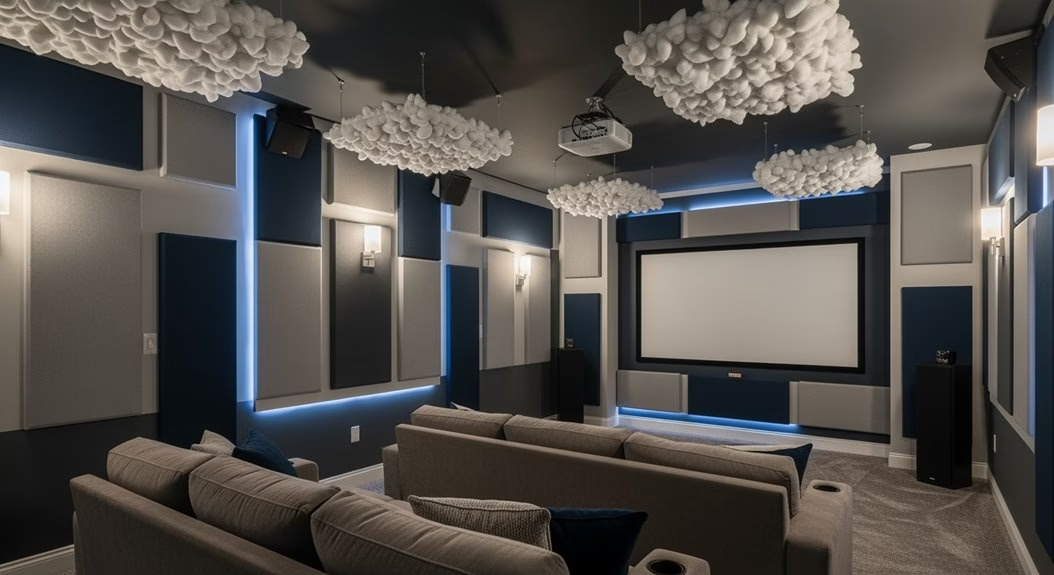
To truly elevate your home theater experience, focus on acoustic treatments to fine-tune sound quality.
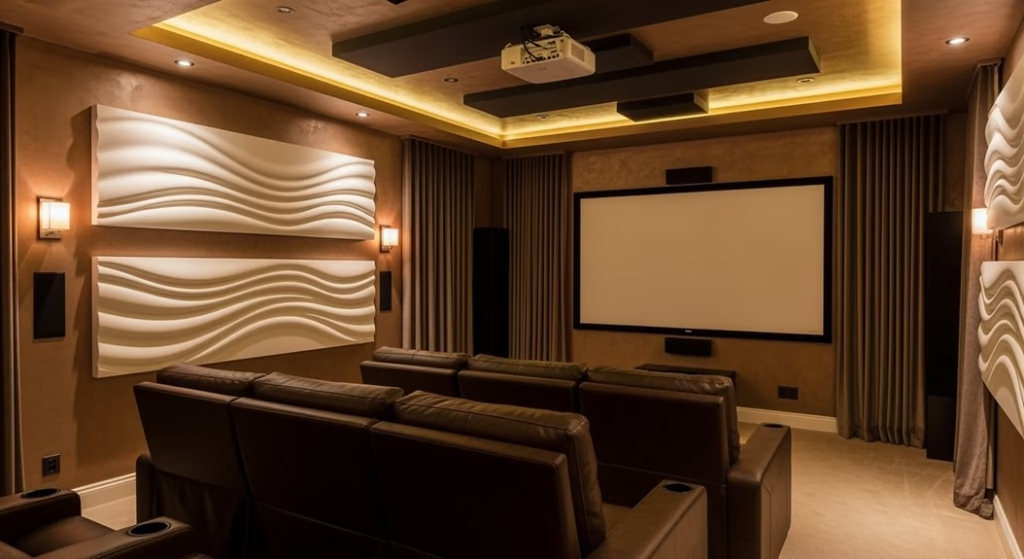
Start by installing acoustic panels to reduce sound reflections and echoes, enhancing your audio playback. Incorporate bass traps in the corners to manage low-frequency sound, preventing muddiness and increasing dialogue clarity. Fabric-wrapped foam panels not only absorb sound but also add a stylish touch to your space.
Strategically place diffusers to scatter sound waves and eliminate hotspots, creating a balanced listening environment. Establish a reflection-free zone by minimizing sound-reflective surfaces to reduce disruptive echoes.
This approach guarantees a cleaner, clearer sound, allowing you to enjoy every detail of your favorite films. By focusing on these elements, you’ll considerably enhance your home theater’s sound quality.
Common Challenges in Soundproofing and How to Overcome Them
Soundproofing a home theater comes with its fair share of challenges, but knowing how to tackle them can make a big difference. Addressing low frequencies is essential, as they’re not easily blocked by standard methods. You’ll need specialized materials like mass-loaded vinyl and acoustic insulation for effective bass control.
Here are some common challenges and solutions:
- Seal Gaps: Identify and seal gaps in walls, ceilings, and floors using acoustic sealant to prevent sound leaks.
- Reduce Vibrations: Use decoupling techniques like resilient channels to minimize structure-borne sound, ensuring careful planning and execution.
- Layering Materials: Achieve better sound isolation by using multiple layers of soundproofing materials. Combine mass-loaded vinyl with acoustic panels to enhance sound absorption.
Embrace DIY solutions like carpets and homemade acoustic panels to overcome budget constraints.
Tips for a Successful DIY Soundproofing Project

When starting on a DIY soundproofing project for your home theater, begin by thoroughly evaluating the specific sound issues you’re facing. Identify whether it’s outside noise intrusion or internal echoes.
Choose soundproofing products like mass-loaded vinyl, acoustic foam, and soundproof insulation to craft a multi-layered barrier that effectively blocks and absorbs sound waves.
Opt for mass-loaded vinyl, acoustic foam, and soundproof insulation to create a robust sound-blocking barrier.
Don’t forget to seal gaps around doors, windows, and electrical outlets with acoustic sealant to enhance noise reduction.
Strategically place acoustic panels and bass traps to absorb excess reverberations and manage low frequencies, enhancing sound quality.
Test your setup by playing audio at various volumes, adjusting materials as needed. This approach guarantees your DIY soundproofing project delivers an immersive, high-quality home theater experience.
Frequently Asked Questions
What Is the Best Soundproofing for Home Theaters?
You want the best soundproofing for your home theater? Start with acoustic panels and bass traps to manage reflections.
Use sound barriers and insulation materials for walls and ceiling design. Opt for thick flooring options that absorb sound.
Wall treatments with mass-loaded vinyl and multiple drywall layers enhance isolation.
Don’t forget door seals and window inserts to block noise.
Finally, soundproof curtains add an extra layer of sound control.
Should You Soundproof a Home Theater?
You should soundproof a home theater to enhance your entertainment experience.
Soundproofing offers benefits like noise reduction and improved room acoustics. By using DIY techniques, you can achieve effective sound isolation with acoustic materials like mass-loaded vinyl and foam, making it cost-effective.
It’s a great home improvement project that tailors to your personal preferences, ensuring sound doesn’t disturb others and providing you with an immersive, uninterrupted viewing experience.
What Do Movie Theaters Use for Soundproofing?
Movie theaters maximize sound isolation using acoustic panels and soundproof doors for noise reduction.
They employ wall treatments with mass-loaded vinyl and double drywall, while ceiling tiles and floor underlayment assist in vibration dampening.
Bass traps and sound curtains enhance acoustics, ensuring echo elimination and audio clarity.
These carefully combined components keep sound contained, creating an immersive experience.
You can replicate these techniques for your own home theater, achieving professional-quality sound.
How to Make Home Theatre Sound Proof DIY?
To make your home theater soundproof, start by sealing gaps with acoustic panels and noise reduction techniques.
Use insulation materials like mass-loaded vinyl as sound barriers on walls.
Install bass traps and wall treatments for better sound control.
Add floor mats and ceiling tiles to minimize echoes.
Create window plugs to block external noise.
Conclusion
Starting on a DIY soundproofing journey is like sculpting silence from chaos. You hold the reins, shaping your home theater into a sanctuary of sound. With each layer of insulation and clever decoupling technique, you’re weaving a cocoon of acoustic bliss. Embrace the challenge, for every obstacle is a stepping stone to mastery. In the end, you’ll not just hear the difference—you’ll feel it, as your space transforms into an auditory oasis.