Budget-Friendly Soundproofing for Home Theaters
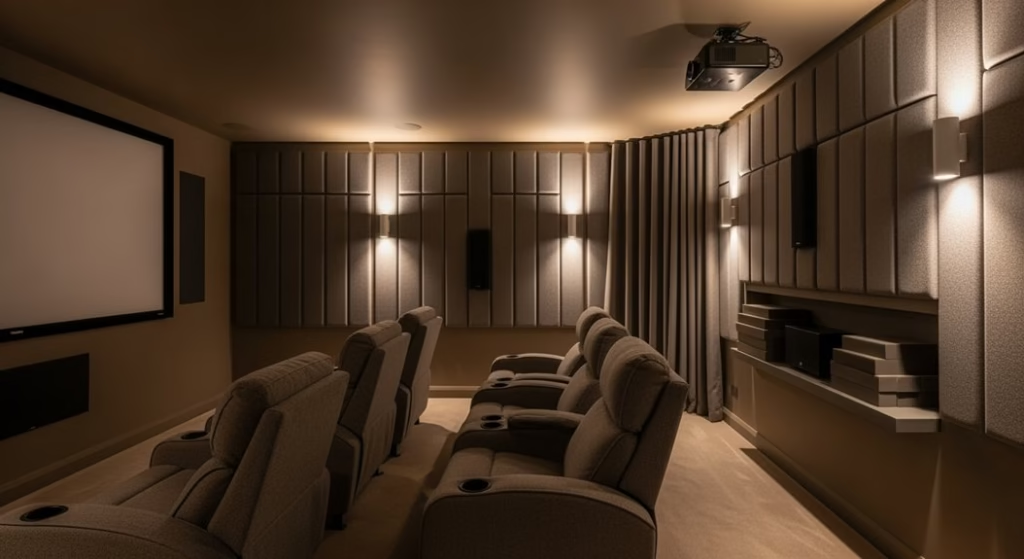
Transforming your home theater on a budget is simple with soundproofing strategies. Use foam panels on walls for effective sound absorption and heavy curtains to dampen window noise. Rugs and carpets lessen sound reflection, while weather stripping seals gaps to cut sound leakage. Strategic furniture placement also blocks sound pathways and enhances acoustics. Even old blankets can be repurposed as temporary sound barriers. Explore how these methods can create an immersive viewing experience without breaking the bank.
Not sure if budget soundproofing will actually be enough?
Tell us about your home theater, the noise you’re dealing with, and your budget. We’ll help you figure out whether DIY soundproofing like foam panels, curtains, and rugs will do the job — or if the room needs professional soundproofing, acoustic treatment, or motorized window treatments to really cut the noise.
Key Takeaways
- Install foam panels covering 20%-30% of wall surface for effective sound absorption.
- Use heavy curtains to dampen noise and block sound leakage.
- Lay thick rugs and carpets to minimize sound reflections and enhance acoustics.
- Apply weather stripping around doors and windows to seal gaps and reduce sound transmission.
- Arrange large furniture strategically to absorb sound and create noise barriers.
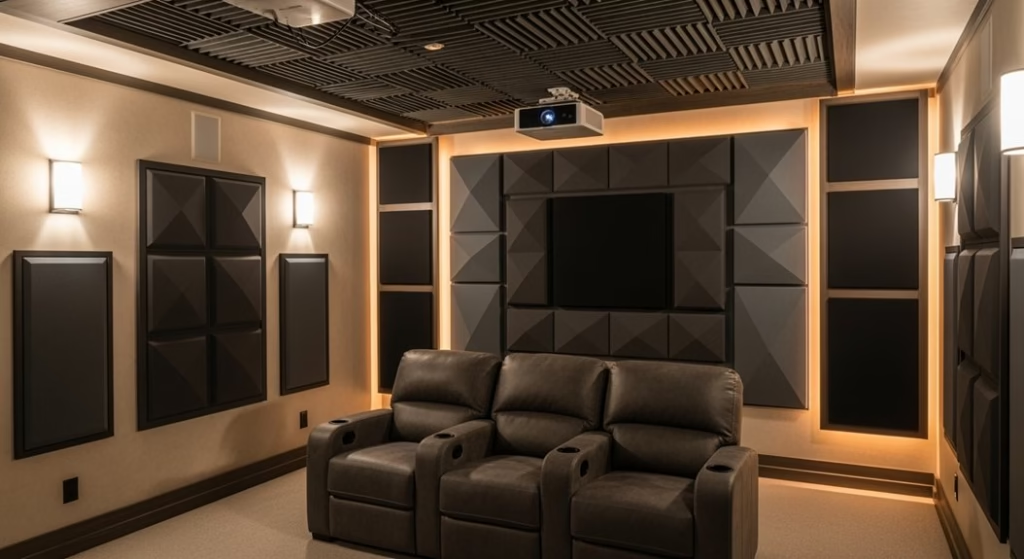
Utilizing Foam Panels for Wall Sound Absorption
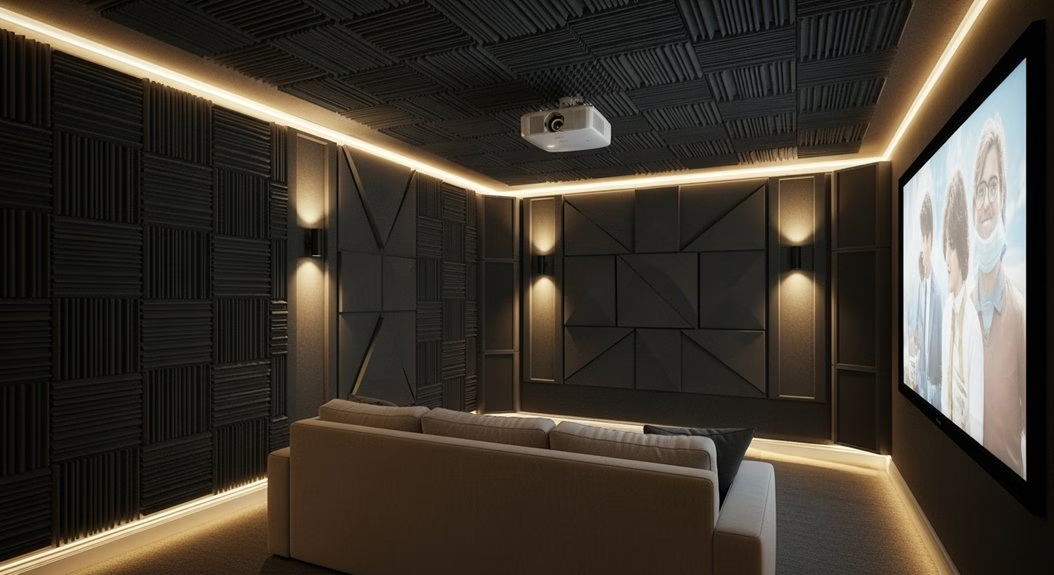
If you’re looking to improve the acoustics of your home theater, utilizing foam panels for wall sound absorption is an effective and budget-friendly solution.
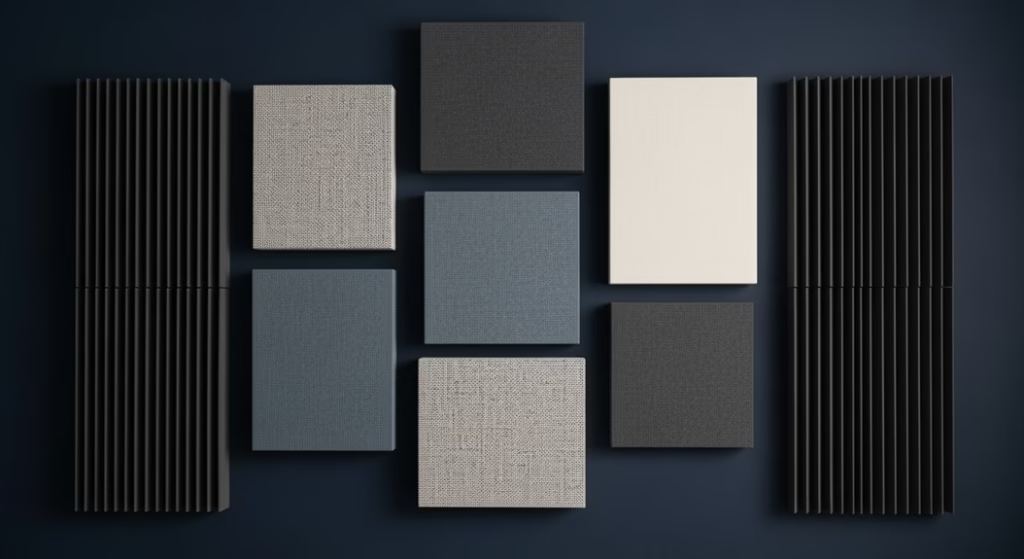
Foam panels, like AlphaSorb® Acoustic Foam Panels, absorb sound reflections, reducing echo and enhancing sound clarity. By strategically placing these acoustic foam panels on your walls, you can greatly improve sound quality within your space.
The Noise Reduction Coefficient (NRC) measures their effectiveness, with higher values indicating superior sound absorption. For ideal results, cover at least 20% to 30% of your wall surface area.
Foam panels are lightweight and easy to install, using adhesive or mounting tape, making them a practical choice for any DIY enthusiast. Enjoy a more immersive audio experience without breaking the bank!
Heavy Curtains for Window Noise Dampening
Enhance your home theater’s soundproofing by incorporating heavy curtains, often known as soundproof curtains, for window noise dampening.
These heavy curtains are crafted from dense materials like polyester or velvet, designed to absorb sound waves and greatly reduce noise infiltration through windows. By blocking external noise, you’ll create a quieter, more immersive viewing experience.
Crafted from dense materials, these curtains diminish noise, creating a serene and immersive home theater experience.
Installing these curtains can cut noise levels by about 50%, making them one of the most affordable soundproofing products available.
To maximize their effectiveness, extend the curtains beyond the window frame, and make certain they reach the floor to prevent sound leakage.
If you’re on a budget, consider DIY options by layering thick fabrics or using acoustic drapes. These alternatives still offer considerable noise reduction benefits.
Rugs and Carpets to Minimize Sound Reflection
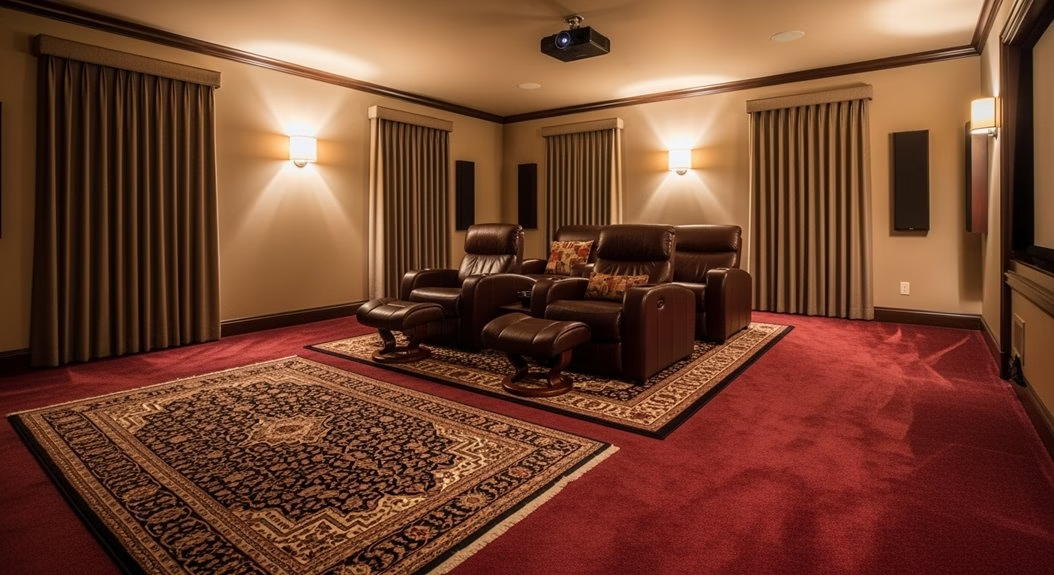
While heavy curtains effectively block window noise, rugs and carpets play an essential role in minimizing sound reflection within your home theater.
Thick rugs excel in sound absorption by trapping sound waves, which helps reduce noise and create a quieter environment. Opt for plush, high-pile carpets, as their density and material greatly enhance their sound-dampening capabilities. You can boost sound absorption by adding extra padding underneath, cutting down on impact noise from footsteps.
Layering rugs is another smart strategy. Using multiple rugs of varying sizes and materials effectively traps sound and reduces echoes, improving the acoustics. As a result, dialogue becomes clearer, enhancing your viewing experience.
Incorporating these elements into your home theater guarantees a more immersive and enjoyable setting without breaking the bank.
Sealing Gaps With Weather Stripping
To effectively soundproof your home theater, sealing gaps with weather stripping is a must. Weather stripping is an inexpensive and effective solution that considerably reduces sound leakage around doors and windows.
By sealing gaps, you can improve air seals and minimize unwanted noise from outside, enhancing your theater’s overall sound quality. The installation process is straightforward and requires minimal tools, making it a simple DIY project perfect for enhancing soundproofing.
With various weather stripping materials like foam, vinyl, and rubber, you can customize the solution based on specific gap sizes and soundproofing needs. Properly applying weather stripping leads to a noticeable reduction in sound transmission, ensuring a more immersive experience.
Don’t overlook this essential step in creating the ideal home theater environment.
Not sure if budget soundproofing will actually be enough?
Tell us about your home theater, the noise you’re dealing with, and your budget. We’ll help you figure out whether DIY soundproofing like foam panels, curtains, and rugs will do the job — or if the room needs professional soundproofing, acoustic treatment, or motorized window treatments to really cut the noise.
Repurposing Old Blankets as Temporary Sound Barriers

As you look for cost-effective ways to soundproof your home theater, consider repurposing old blankets as temporary sound barriers.
By using heavy, thick blankets, you can greatly reduce the amount of noise from neighbors and absorb sound within the room. Hang these blankets securely on walls, doors, or windows to block external noise effectively. Confirm they’re fastened tightly to minimize sound leaks.
For better results, layer multiple blankets, especially in high-traffic areas, to enhance sound absorption and create a more substantial barrier.
This DIY approach not only saves money but also allows for easy removal and adjustment, providing a flexible solution to your temporary soundproofing needs.
With this method, you’ll enjoy improved acoustics without a hefty price tag.
Strategic Furniture Placement to Block Sound Pathways
By strategically placing furniture, you can effectively block sound pathways and enhance your home theater’s acoustics without breaking the bank.
Position large furniture, like bookshelves or couches, against shared walls to create a sound barrier, minimizing sound transmission. Opt for heavy, dense furniture—think solid wood cabinets—to absorb sound and reduce noise traveling through walls and floors.
Arrange seating in a staggered formation to disrupt sound waves and enhance room acoustics, preventing direct sound pathways. Use rugs or carpets under furniture to dampen reflections and vibrations on hard surfaces, contributing to a quieter environment.
Incorporate thick curtains or fabric wall hangings behind furniture to absorb sound, especially near windows, to block sound effectively.
Creating an Immersive Viewing Experience on a Budget
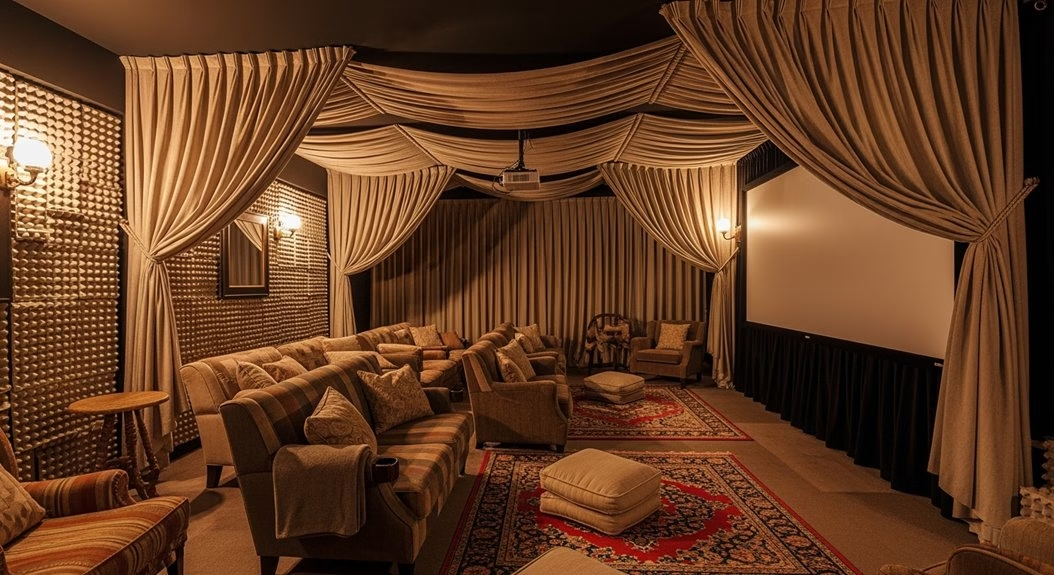
Ever wondered how to create an immersive viewing experience without spending a fortune? Start by using the best soundproofing materials like mass-loaded vinyl (MLV) between drywall layers.
Begin with mass-loaded vinyl (MLV) between drywall layers for cost-effective soundproofing.
It’s an effective soundproofing method that minimizes noise transmission. Add thick carpets or rugs with extra padding to reduce impact noise and improve acoustics.
For windows and walls, hang soundproof blankets or curtains to block external noise and enhance room aesthetics. Acoustic panels are another affordable option; strategically place them to absorb sound reflections, boosting audio clarity.
Don’t forget cheap soundproofing methods like weatherstripping tape around doors and windows to seal gaps and prevent sound leaks.
These steps guarantee a budget-friendly transformation of your home theater into an immersive experience.
Frequently Asked Questions
What Is the Cheapest Soundproofing Option?
You’re probably wondering about the cheapest soundproofing option.
Weatherstripping tape seals gaps around doors and windows efficiently. For floors, thick carpets act as great floor underlayments.
Consider DIY solutions like soundproof curtains made from layered materials. Using moving blankets is another smart insulation technique.
Even egg crate foam serves as an economical alternative to professional acoustic panels.
These methods offer practical ways to reduce noise without breaking the bank.
What Is the Best Soundproofing Material for Home Theaters?
When it comes to soundproofing your home theater, the best material isn’t a single solution but a symphony of choices.
Imagine a fortress of silence using mass loaded vinyl, acoustic panels, and foam tiles to block noise.
Add resilient channels to reduce sound transmission through walls.
Don’t forget soundproof curtains for windows to keep external noise at bay.
Each element plays its part, crafting a perfect auditory sanctuary.
How to Do Soundproofing Cheaply?
You can soundproof cheaply by using DIY soundproof panels with fiberglass insulation; cover them in acoustically transparent fabric for great absorption.
Acoustic curtains offer benefits by dampening noise and improving room acoustics.
Explore various soundproofing foam types to address specific noise issues.
Carpet sound absorption helps reduce impact noise, and wall insulation methods like using thick rugs or blankets can enhance your theater’s sound quality without breaking the bank.
What Is the Cheapest Soundproofing Solution?
Looking for the cheapest soundproofing solution? You can use DIY sound panels with egg crate foam for reducing echoes.
Carpet tiles laid on floors will help absorb impact noise.
Acoustic curtains made from thick, layered fabrics can block outside noise effectively.
Don’t forget weather stripping; it’s great for sealing gaps around doors and windows to prevent sound leakage.
These methods are affordable and can greatly enhance your space’s acoustics.
Conclusion
You’ve got plenty of affordable options to soundproof your home theater without breaking the bank. Did you know that using foam panels can reduce noise by up to 70%? It’s impressive what a few strategic tweaks can do. By combining these methods—like hanging heavy curtains, laying down rugs, and sealing gaps—you’ll create an immersive viewing experience. Get creative with old blankets and furniture placement to block unwanted noise and enjoy your movies in peace!
Not sure if budget soundproofing will actually be enough?
Tell us about your home theater, the noise you’re dealing with, and your budget. We’ll help you figure out whether DIY soundproofing like foam panels, curtains, and rugs will do the job — or if the room needs professional soundproofing, acoustic treatment, or motorized window treatments to really cut the noise.