7 Tips for Choosing Acoustic Panels for Home Theaters
To choose the right acoustic panels for your home theater, start by understanding panel basics and their NRC ratings. Assess your room’s acoustic needs and identify primary reflection points with the mirror technique. Select suitable panel types like foam or fabric-wrapped based on desired sound and aesthetics. Consider material and panel thickness for ideal absorption. Strategically plan placements at ear level, and determine how many panels you’ll need to balance functionality with style. Discover more by exploring further!
Key Takeaways
- Evaluate room dimensions and shape to determine acoustic panel needs effectively.
- Choose panels with high NRC ratings for superior sound absorption in home theaters.
- Identify primary reflection points for strategic panel placement using the mirror technique.
- Select panels that match aesthetic preferences while addressing specific acoustic challenges.
- Use a combination of panel types and thicknesses to cover a broad frequency spectrum.
Understand the Basics of Acoustic Panels
Acoustic panels are your secret weapon for transforming a home theater’s sound quality. They absorb sound waves, converting them into heat to minimize echoes and sound reflections.
To achieve this, consider the panels’ thickness and density; thicker and denser panels typically offer superior absorption across wider frequencies. The Noise Reduction Coefficient (NRC) rating is essential when selecting panels, as a higher NRC rating indicates better performance in reducing sound reflections.
Thicker, denser panels with high NRC ratings excel in absorbing sound and reducing reflections.
Proper placement, especially at primary reflection points, is vital for optimizing the acoustic environment. By integrating well-chosen acoustic panels into your home theater design, you’ll greatly improve sound quality and elevate your audio experience.
Understanding these basics will guide you in making the right choice for your space.
Assess Your Home Theater’s Acoustic Needs
Now that you understand the basics of acoustic panels, it’s time to focus on your home theater’s specific acoustic needs.
Start by evaluating your room’s shape and dimensions. Rectangular rooms with dimensions adhering to The Golden Ratio often provide better acoustics than square ones.
Use the mirror technique to identify reflection points where sound waves bounce off surfaces. These areas are essential for effective panel placement.
Examine existing materials; hard surfaces like concrete may require more acoustic treatment for echo reduction.
Determine your goals, such as enhancing dialogue clarity or minimizing echoes.
Check the NRC ratings of panels—higher ratings mean better sound absorption.
Choose the Right Type of Acoustic Panel
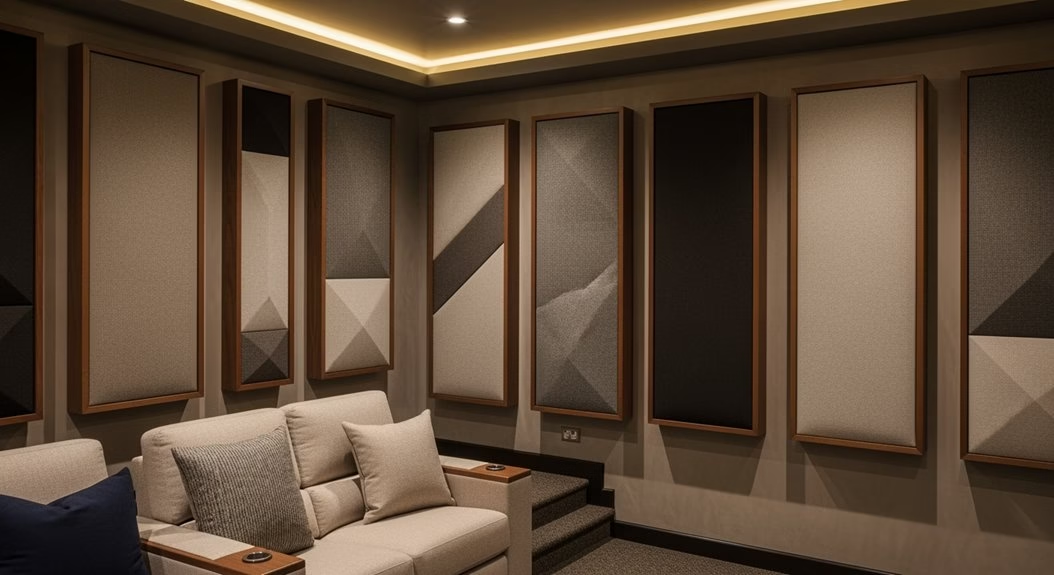
When choosing the right type of acoustic panel for your home theater, understanding each panel’s unique characteristics is key.
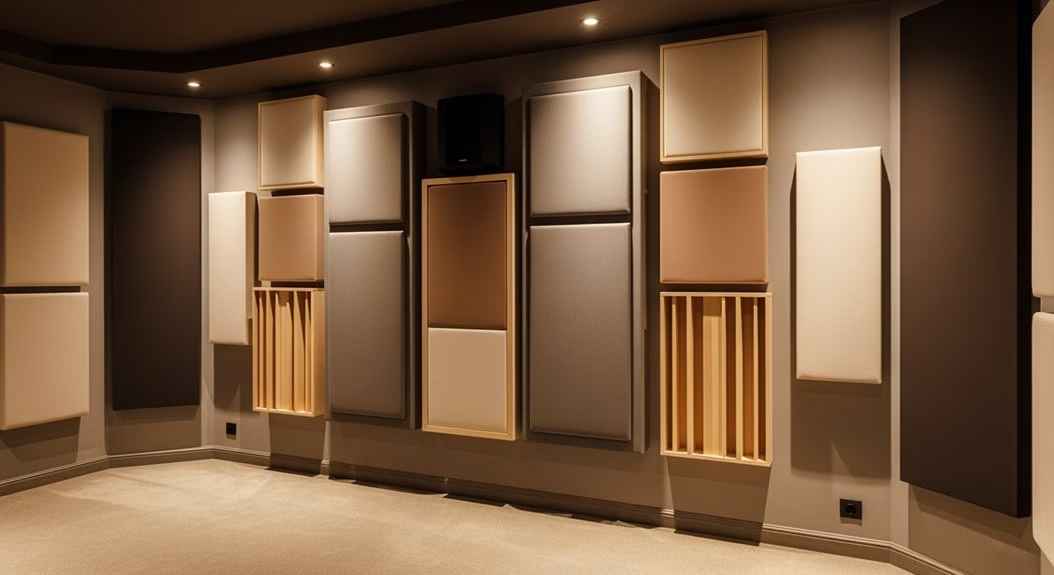
Acoustic panels come in various types, such as foam panels, fabric-wrapped panels, and perforated wood panels. Foam panels are lightweight and great for reducing mid- to high-frequency echoes, perfect for casual setups.
Fabric-wrapped panels not only enhance sound absorption but also add aesthetic appeal with customizable options to match your home theater decor.
Perforated wood panels combine natural wood finishes with effective sound reflection reduction, targeting specific acoustic challenges.
Consider the frequency range that needs attention and the desired aesthetic outcome. Selecting the right acoustic panels guarantees your home theater delivers the best sound experience and complements your decor.
Consider the Material and Thickness
Selecting the right material and thickness for your acoustic panels is essential for optimizing sound absorption in your home theater. Different materials target various frequency ranges, so choose wisely. Here’s how to enhance your setup:
- Material choice: Consider fabric-wrapped for highs, perforated wood for mids, and high-density materials like mineral wool for low frequencies.
- Thickness matters: Panels around 2 to 4 inches are ideal for absorbing low frequencies effectively.
- Noise Reduction Coefficient: Look for panels with a high NRC rating (0.9 or above) for superior sound absorption.
- Balanced acoustic treatment: Combine different materials and thicknesses to address a broad frequency spectrum.
- Sound absorption strategy: Pair foam with fabric-wrapped panels to handle both high and low frequencies.
This approach guarantees an immersive audio experience.
Plan the Placement Strategically
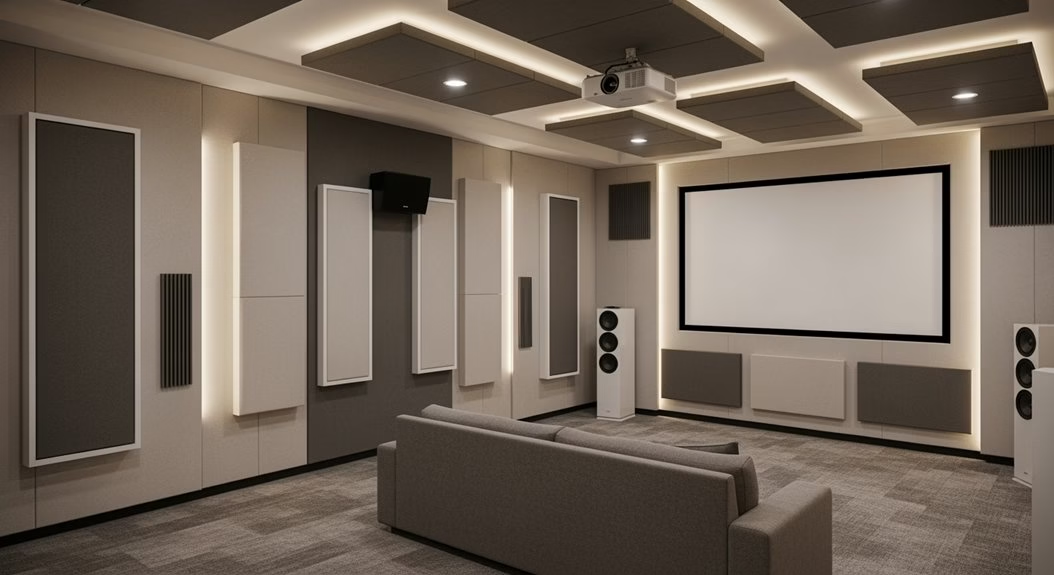
To truly optimize your home theater’s acoustic performance, strategically planning the placement of your panels is essential.
Start by identifying primary reflection points using the mirror technique; this will help you determine where sound waves bounce off surfaces. Mount acoustic panels at ear level on side walls, ideally between the speakers and seating, to enhance sound absorption.
Identify primary reflection points with the mirror technique to optimize sound absorption by placing panels at ear level.
Treat rear walls with panels to boost clarity and intelligibility, improving your overall audio experience. Don’t forget the ceiling—adding panels here controls reflections and minimizes standing waves, creating a balanced sound environment.
Finally, use bass traps in the corners to tackle low-frequency sound waves, preventing bass buildup. By strategically placing these elements, you’ll effectively refine your home theater’s room acoustics.
Determine the Quantity of Panels Required
Determining the right number of acoustic panels is essential for achieving optimal sound quality in your home theater. To tackle this, focus on areas that contribute to echoes and reflections.
Here’s a quick guide to help you:
- Evaluate surface area: Calculate the total surface area of walls and ceilings needing acoustic treatment.
- Use the mirror technique: Identify first reflection points to target echo-prone spots for ideal placement of panels.
- Consider room shape and dimensions: Irregular or square rooms might need more panels for effective absorption.
- Follow general guidelines: Aim to cover 35-40% of side walls with absorptive panels.
- Consult professionals: They can provide tailored advice on the quantity of panels and address specific acoustic challenges.
These steps guarantee your home theater achieves superior sound quality.
Balance Functionality With Aesthetic Appeal
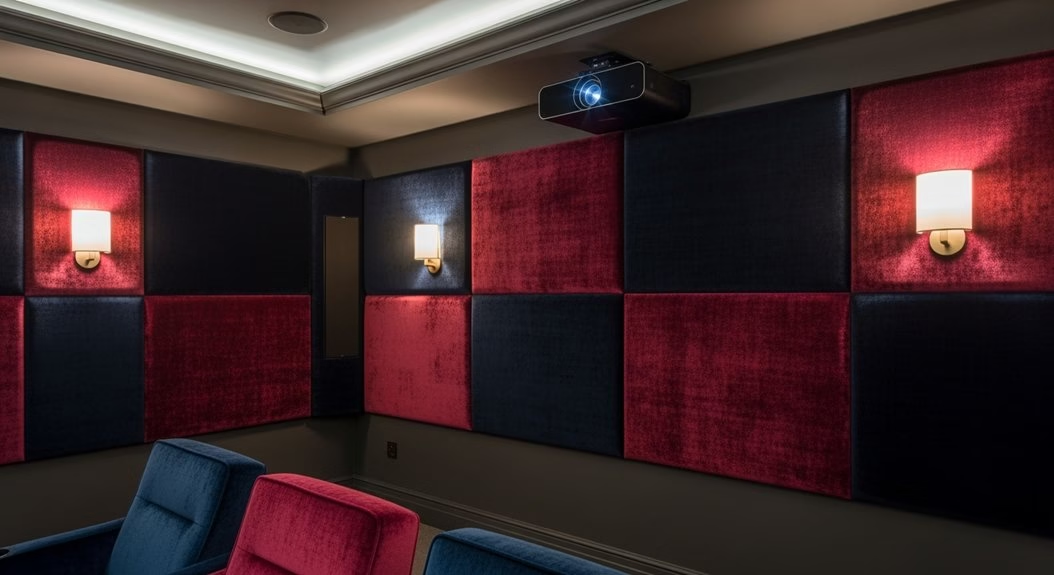
After determining how many acoustic panels your home theater needs, it’s time to think about blending functionality with style.
Consider fabric-wrapped acoustic panels. They enhance sound absorption and offer aesthetic customization with various colors and textures to match your decor.
Fabric-wrapped panels combine effective sound absorption with customizable aesthetics to seamlessly complement your home theater decor.
Look for designs like perforated wood or uniquely shaped foam that improve acoustics and add visual appeal. Panels with higher NRC ratings aren’t only effective for sound absorption but can also elevate your room’s design.
Pair these with diffusers to balance sound absorption and create a lively atmosphere. For a sleek look, try fabric track systems that adapt to room contours, providing both functional and aesthetic value.
Your home theater will be both acoustically sound and visually stunning.
Frequently Asked Questions
Are Acoustic Panels Worth It in Home Theater?
Absolutely, acoustic panels are worth it in a home theater. They enhance sound quality and audio clarity, transforming your space into an immersive experience.
By considering room dimensions and choosing the right panel materials, you can optimize home acoustics. Proper installation techniques and aesthetic appeal guarantee they blend seamlessly into your decor.
Their cost-effectiveness and performance improvement make them a valuable investment for effective acoustic treatment in any home theater.
How to Choose an Acoustic Panel?
When choosing an acoustic panel, consider panel materials and thickness for effective sound absorption.
Explore different color options and panel shapes to guarantee aesthetic integration.
Compare brands and review installation methods to find what suits your space.
Budget considerations are key, so look into DIY options for cost-saving.
Make certain to balance functionality with style to create a harmonious environment tailored to your needs.
Where to Put Acoustic Panels in a Home Theater?
Did you know that proper panel placement can improve sound quality by up to 50%?
To optimize sound reflection, position panels at ear level, considering your room dimensions and wall types. Use corner solutions for bass traps and assess your ceiling height to decide on panel thickness.
Align panel material choices with your seating arrangement and aesthetic considerations. Carefully planning these elements guarantees you maximize acoustic performance in your home theater.
What Is a Good NRC Rating for Acoustic Panels?
When you’re choosing acoustic panels, aim for NRC ratings between 0.7 and 1.0 for excellent panel absorption and sound quality.
Consider material types and panel thickness for better performance. Installation tips can enhance room acoustics, while design aesthetics shouldn’t be overlooked.
Compare costs against performance to make an informed choice. A rating of 0.9 or higher is ideal, ensuring your space benefits from effective sound control.
Conclusion
Choosing acoustic panels for your home theater is like painting a masterpiece—every detail matters. By understanding the basics and evaluating your space’s unique needs, you’ll select the perfect type, material, and thickness. Strategically planning placement and determining the right quantity guarantees ideal sound quality. Remember, it’s all about striking a balance between functionality and aesthetic appeal. With these tips, you’ll create a harmonious auditory experience that resonates with both your ears and your eyes.