Why Choose DIY Soundproofing for Home Cinema?
Opting for DIY soundproofing in your home cinema lets you balance your budget while creating a personalized acoustic setup that meets your unique needs. You’ll gain practical skills and confidence in addressing audio challenges, enhancing the audio quality, and customizing the space. Using affordable materials like mass-loaded vinyl and acoustic panels, you’ll improve sound isolation and clarity. Get ready to transform your cinema experience and discover more on how to achieve a tailored audio environment.
Key Takeaways
- DIY soundproofing is budget-friendly, avoiding expensive professional services and allowing precise adaptations for home cinema needs.
- Customizable solutions enable tailored soundproofing for unique room dimensions and acoustics.
- Enhances audio clarity by absorbing unwanted noise, improving dialogue and music quality in home cinemas.
- Encourages practical skill-building and understanding of acoustics, fostering confidence in managing audio enhancements.
- Provides flexibility to modify and upgrade setups as needs evolve, supporting ongoing improvements in home cinema experience.
Cost-Effective Soundproofing Solutions

Why pay a fortune for professional soundproofing when you can achieve great results on a budget? DIY soundproofing offers cost-effective ways to enhance your home theater experience.
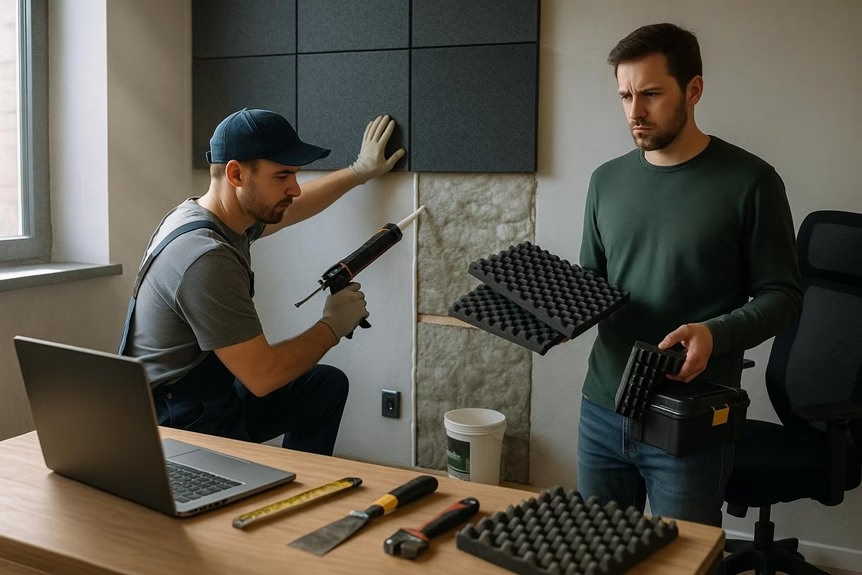
Start with acoustic panels, which can be made for under $20 each, to absorb sound energy effectively. Incorporate soundproofing materials like mass-loaded vinyl or thick carpets to manage noise without breaking the bank.
Building a “room within a room” or adding 5/8 type X drywall increases sound isolation. Don’t overlook sealing gaps with acoustic caulk to maintain soundproofing integrity.
Low frequencies can be tackled with DIY bass traps, ensuring a full audio experience. These solutions allow you to soundproof your home efficiently, creating a superior environment for your cinematic enjoyment.
Customization for Unique Spaces
Having explored cost-effective soundproofing solutions, it’s time to focus on customizing your space to enhance your home cinema experience.
DIY soundproofing lets you tailor solutions to your room’s unique dimensions and acoustic characteristics, ensuring peak sound quality. Here’s how you can customize your home cinema:
- Customizable Materials: Use mass-loaded vinyl and acoustic panels to address specific sound transmission issues.
- Soundproofing Techniques: Adapt methods like decoupling walls or adding insulation to maximize sound isolation.
- Personal Style: Choose finishes and aesthetics that align with your style while maintaining soundproofing efficacy.
- Adjustable Solutions: Modify your setup as needs evolve, staying free from the constraints of professionally installed systems.
Understanding Sound and Its Behavior
Sound, an integral part of our daily lives, behaves in complex ways that can impact your home cinema experience. Sound waves travel through air and materials, leading to airborne sound and structure-borne sound. Understanding this helps you design effective soundproofing systems.
Lower frequency sounds (bass) often penetrate solid materials, challenging sound insulation efforts. To combat this, focus on the frequency response of your space and apply acoustic treatment to reduce noise.
Bass frequencies can penetrate materials; enhance soundproofing by optimizing frequency response and utilizing acoustic treatment.
Consider the Sound Transmission Class (STC) rating when selecting materials for your home cinema. Higher STC ratings mean better sound transmission blocking, essential for minimizing disruptions.
Conventional materials like drywall and insulation can aid in soundproofing, but their effectiveness depends on sound frequency. By mastering these concepts, you’ll enhance your cinematic experience.
Essential Soundproofing Materials
When creating the ideal home cinema, selecting the right soundproofing materials is key to immersing yourself in the cinematic experience without external disturbances.
To achieve this, consider these essential materials:
- Mass-Loaded Vinyl: Its dense composition blocks airborne noise, offering a high Sound Transmission Class (STC) rating.
- Acoustic Panels: Made from foam or fabric-wrapped materials, these absorb mid and high frequencies, enhancing sound clarity.
- Drywall: Use multiple layers of 5/8-inch type X drywall to increase mass and density, improving soundproofing by blocking sound transmission.
- Acoustic Sealant: Seal gaps around doors, windows, and outlets, preventing sound leakage for a controlled acoustic environment.
Additionally, use insulation materials like rockwool or fiberglass to absorb sound energy and minimize structure-borne noise.
Techniques for Effective Noise Reduction
To effectively reduce noise in your home cinema, start by focusing on techniques that target both airborne and structure-borne sound.
Use mass-loaded vinyl as a barrier to block airborne noise, enhancing soundproofing in walls and ceilings. Implement decoupling techniques, like resilient channels or sound isolation clips, to minimize structure-borne sound transfer.
Adding extra layers of drywall with damping compounds, such as Green Glue, increases mass and reduces sound vibrations.
Strategically place acoustic panels at reflection points to absorb mid and high frequencies, cutting down on echoes and improving sound quality.
Lay thick carpets or rugs to dampen sound reflections and prevent noise from traveling between floors.
These methods guarantee effective noise reduction, creating a more immersive cinema experience.
Enhancing Acoustic Quality
Although achieving perfect soundproofing can be challenging, enhancing your home cinema’s acoustic quality is entirely within reach with a few strategic adjustments.
By focusing on sound absorption and strategically using acoustic panels, you can greatly reduce sound reflections. Here’s how:
- Place acoustic foam at reflection points to absorb mid and high frequencies, improving dialogue clarity.
- Add bass traps in corners to manage bass frequencies, reducing sound muddiness.
- Use sound-damping curtains and carpets to soften hard surfaces and minimize sound reflections, enhancing overall sound quality.
- Customize your design by strategically placing DIY soundproofing materials to create a tailored acoustic environment, perfectly suited for your listening preferences.
These steps will help you in creating a soundproof home cinema experience that’s immersive and clear.
Addressing Common Acoustic Challenges
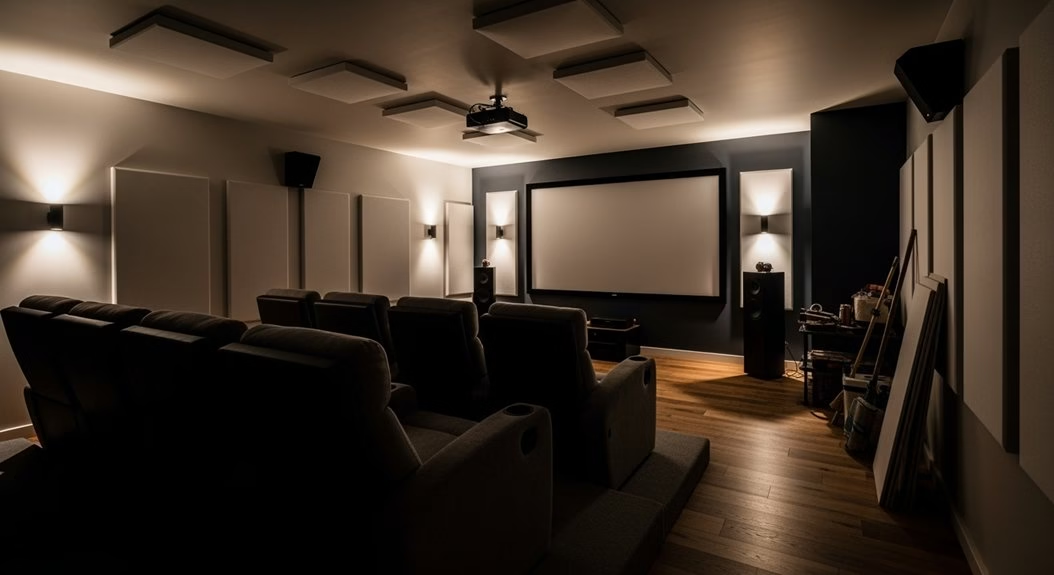
Tackling common acoustic challenges in your home cinema doesn’t have to be intimidating. With some DIY soundproof solutions, you can effectively reduce noise and manage sound energy.
Start by strategically placing acoustic panels at primary reflection points to diminish echo and reverberation. For blocking airborne noise, consider using mass-loaded vinyl or adding extra drywall layers. These materials are excellent for minimizing sound leakage.
To combat structure-borne sound, employ decoupling techniques like constructing a room within a room or using resilient channels.
Enhance audio clarity by adding bass traps in corners, which help control low-frequency sound waves. Cost-effective materials like acoustic foam, heavy curtains, and soft furnishings can be tailored to meet your specific acoustic needs, turning your home theater into an immersive experience.
Step-by-Step DIY Soundproofing Guide
Start your DIY soundproofing journey by evaluating the weak points in your home cinema, such as walls, doors, and windows, where sound leakage is most likely.
To effectively soundproof a home theater, follow these steps:
- Reinforce Walls: Use additional drywall layers and mass-loaded vinyl to block airborne sounds and minimize high-pitched buzzing.
- Install Soundproof Doors: Replace standard doors with heavier, soundproof doors to seal off sound entry points.
- Apply Sound Isolation Clips: Attach them to walls and ceilings to reduce impact noise and structure-borne sound transmission.
- Enhance Acoustic Treatment: Mount acoustic panels at reflection points and use thick flooring materials to absorb sound waves and improve clarity.
Benefits of a Personalized Audio Environment
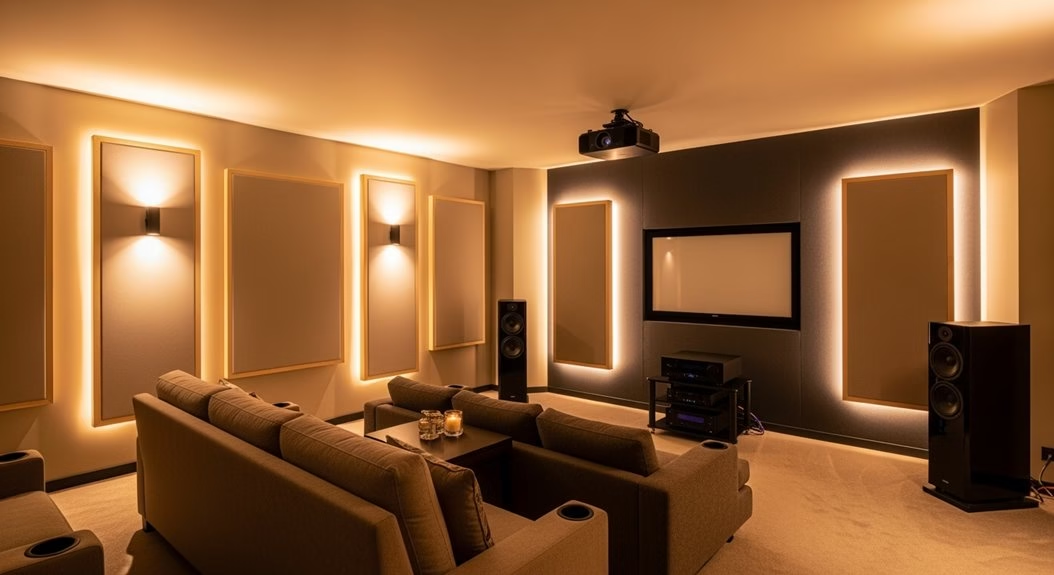
Once you’ve completed the process of soundproofing your home cinema, you’ll discover the numerous benefits of crafting a personalized audio environment.
DIY soundproofing lets you tailor your space to your specific needs, enhancing sound quality and noise control. By opting for materials and techniques suited to your room’s unique characteristics, you’ll achieve more effective sound isolation. This personalization improves dialogue clarity and music, enhancing your overall experience.
Engaging in DIY projects also empowers you to make informed decisions about future audio enhancements. You’ll understand acoustics better and can strategically implement solutions that fit your specific requirements.
Plus, you’ll enjoy cost savings by bypassing professional services, allowing you to address your soundproofing needs with precision and efficiency.
Frequently Asked Questions
What Is the Best Soundproofing for Home Theaters?
When tackling the best soundproofing for home theaters, you should focus on acoustic panels and soundproof curtains to enhance noise reduction.
Consider sound isolation techniques like wall insulation and ceiling treatments. Install soundproof flooring and solid soundproof doors to minimize sound leakage.
Use bass traps for better low-frequency control.
DIY materials can be your friend here, offering effective and affordable solutions for personalizing your setup while achieving excellent soundproofing.
Should You Soundproof a Home Theater?
Should you soundproof a home theater? Imagine watching your favorite movie without interruptions.
Soundproofing transforms your space into an immersive sanctuary. It’s not just about sound quality; it’s about reducing noise with acoustic panels and sound barriers, optimizing room layout for your audio equipment, and enhancing family enjoyment.
DIY projects offer cost effectiveness, letting you create a customized environment that elevates your viewing experience. Your home cinema deserves this upgrade.
How to Soundproof a Home Cinema?
To soundproof your home cinema, start with acoustic panels for sound absorbing and use insulation materials for effective noise barriers.
Enhance wall treatments with multiple drywall layers. Choose flooring options like carpets to minimize sound transmission.
Optimize ceiling design with resilient channels. Install door seals and window solutions to block external noise.
These budget solutions guarantee a quiet environment, letting you enjoy movies without disturbance.
How to Make Home Theatre Sound Proof DIY?
Imagine settling into your home theater, where the only sound is the movie itself.
You can achieve this by installing acoustic panels to absorb echoes, hanging soundproof curtains, and laying floor underlay for impact noise.
Add wall insulation and ceiling tiles to block external noise.
Seal doors with door seals and apply window film to prevent sound leakage.
Use soundproofing mats and bass traps for enhanced acoustics, employing DIY techniques for a custom soundproofing solution.
Conclusion
By choosing DIY soundproofing for your home cinema, you’re taking control of both your budget and your space. Isn’t it satisfying to tailor your environment to your specific needs? With the right materials and techniques, you’ll reduce unwanted noise while enhancing acoustic quality. You’ll also gain valuable insights into sound behavior and overcome common challenges. Ultimately, creating a personalized audio environment offers an immersive experience that professional setups often can’t match. Enjoy your cinema, your way.