Why Choose Optimal Materials for Theater Soundproofing?
When you choose superior materials for theater soundproofing, you’re investing in a high-quality viewing experience. High-quality materials like acoustic panels and mass-loaded vinyl improve sound absorption and clarity, minimizing noise transmission. Techniques like using resilient channels and sealing gaps with acoustical caulk guarantee a peaceful environment. This not only enhances your theater’s acoustics but also boosts home value. Discover the intricacies of soundproofing to transform your home theater experience.
Key Takeaways
- Optimal materials enhance sound absorption, reducing echoes and improving clarity.
- High-quality soundproofing materials effectively block external noise intrusion.
- Durable materials reduce maintenance costs and increase longevity.
- Proper materials improve a theater’s sound transmission class (STC) rating significantly.
- Using optimal materials increases home value and appeal to potential buyers.
Understanding the Role of Soundproofing in Home Theaters
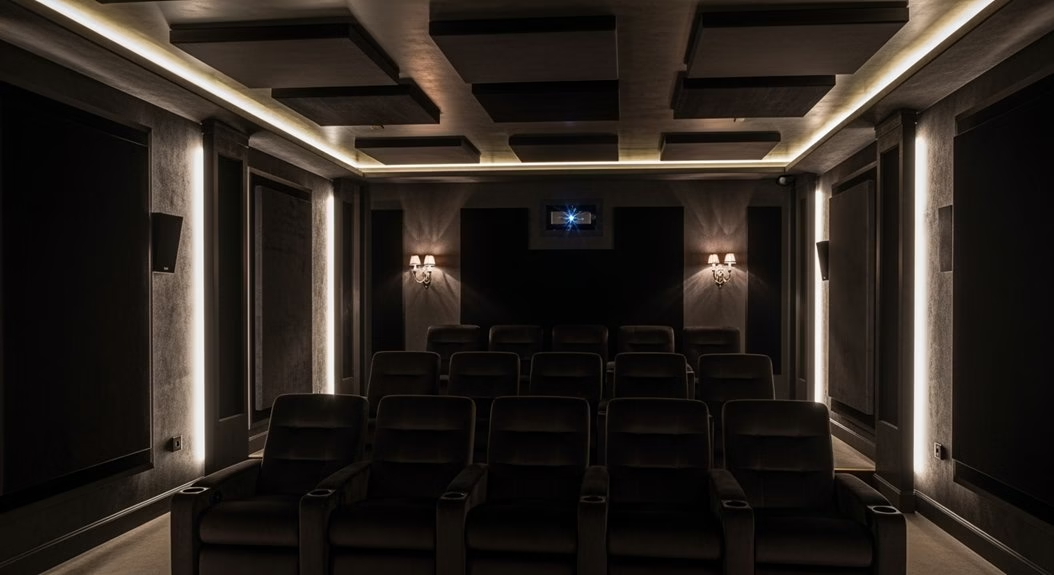
When designing a home theater, soundproofing plays an essential role in creating an immersive experience. You want to keep loud sounds contained and prevent external noise from sneaking in.
Using quality soundproofing materials like acoustic panels and soundproof insulation guarantees that sound transmission is minimized. These materials absorb sound waves, enhancing audio clarity to match your high-definition visuals.
Quality soundproofing materials absorb sound waves, ensuring minimized transmission and enhanced audio clarity for your high-definition viewing experience.
To boost sound isolation, consider employing decoupling techniques and resilient channels, which can help achieve a Sound Transmission Class (STC) rating above 60. This way, you’ll effectively trap sound, providing a serene environment free from interruptions.
Identifying sound issues and addressing them with specific solutions guarantees your home theater offers ideal acoustics, making every viewing experience as immersive as possible.
Key Soundproofing Materials for Optimal Acoustic Performance
To achieve ideal acoustic performance in your home theater, selecting the right soundproofing materials is essential.
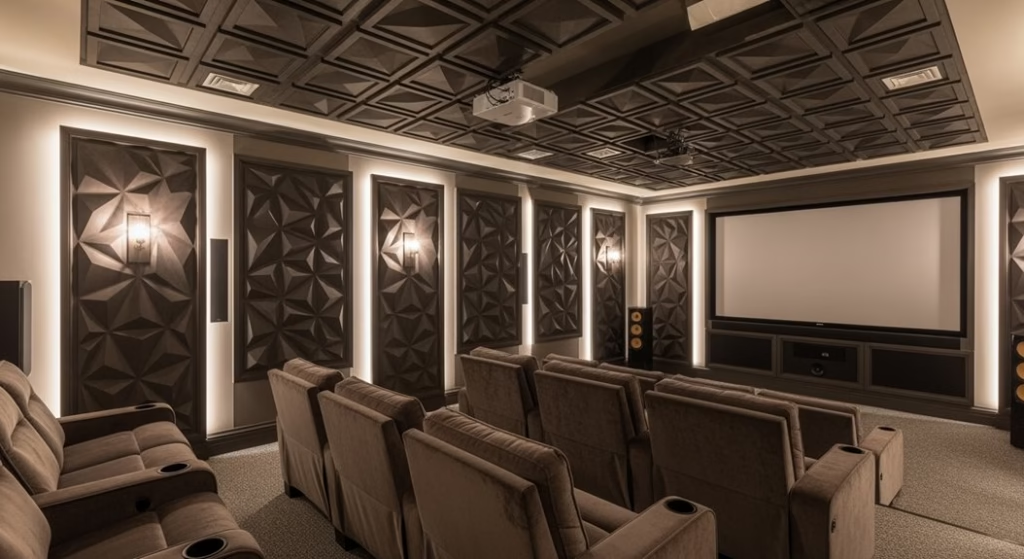
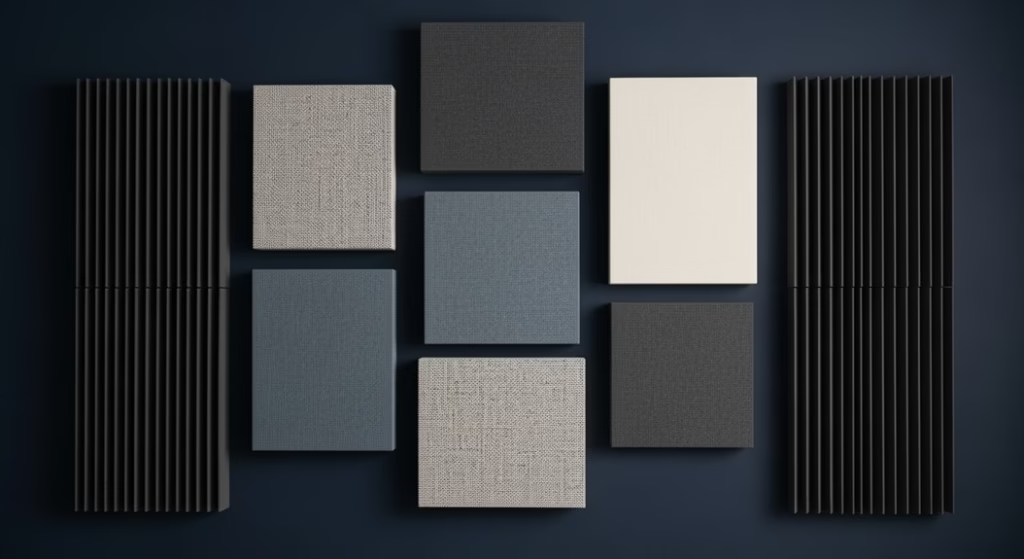
You should consider high-density acoustic panels for effective sound absorption across various frequencies. These panels improve sound quality and minimize echo better than lightweight foam.
Mass-loaded vinyl (MLV) acts as a robust sound barrier, blocking noise through walls, ceilings, and floors.
Incorporate resilient channels and sound isolation clips to decouple drywall from studs, reducing structure-borne sound.
Fiberglass insulation is superior for soundproofing, offering high noise reduction through effective sound wave trapping.
Damped drywall sandwiches, combining drywall with a viscoelastic layer, convert vibrational energy into heat, enhancing sound isolation.
Choosing these materials will elevate your theater’s acoustic performance.
Techniques to Minimize Sound Transfer in Home Theaters
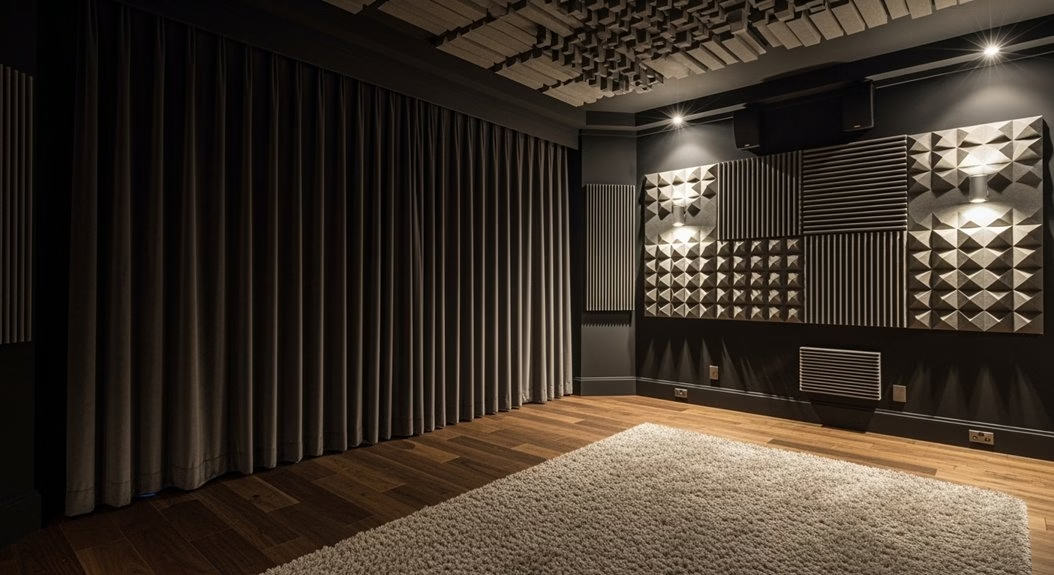
Although creating a high-quality home theater involves many factors, minimizing sound transfer is essential for an immersive experience.
Start by using mass-loaded vinyl on walls, ceilings, and floors to block sound transmission effectively. Implementing a decoupled wall design with double-stud construction prevents vibrations from traveling through shared structures.
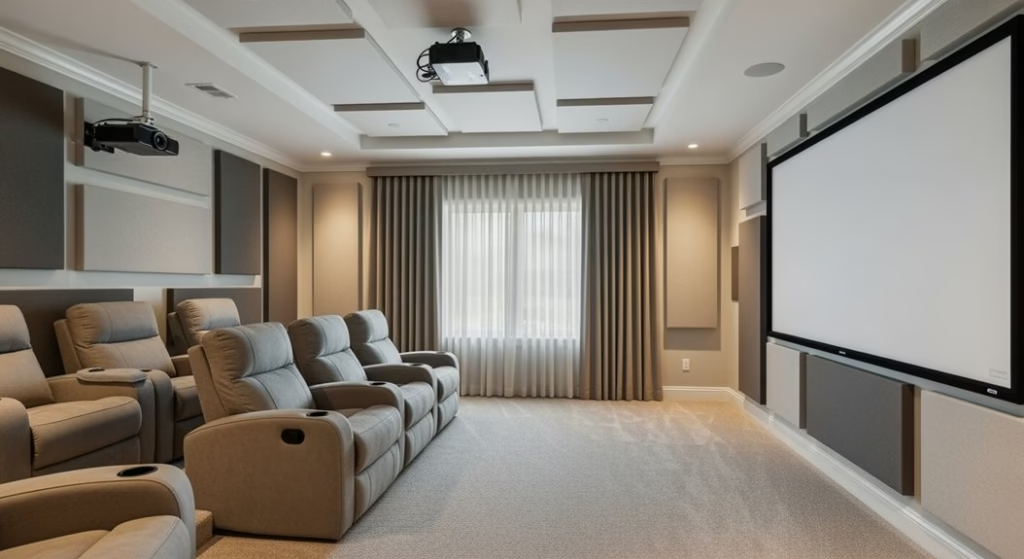
Install resilient channels to break the direct sound path between drywall and studs, enhancing soundproofing. Acoustic panels made from absorptive materials reduce echoes and improve sound clarity by absorbing mid to high frequencies.
Don’t forget to seal gaps and cracks with acoustical caulk to prevent sound leakage. These techniques will help you soundproof a home theater, ensuring that your audio experience remains undisturbed by external noise and maintains ideal acoustic quality.
Benefits of Investing in High-Quality Soundproofing Materials
Investing in high-quality soundproofing materials offers significant advantages for your home theater’s acoustic performance.
By using materials like mass-loaded vinyl and acoustic panels, you can dramatically improve your theater’s STC rating, often boosting it from STC 33 to STC 50 or higher, ensuring superior sound isolation.
Boost your theater’s STC rating from 33 to 50+ with mass-loaded vinyl and acoustic panels.
These exceptional materials excel in sound absorption, particularly at lower frequencies, which cheaper alternatives frequently miss. Their durability reduces the need for frequent replacements, saving you money over time.
Proper installation minimizes sound leakage, maintaining a calm environment in the rest of your home. Plus, a well-soundproofed theater can enhance your home’s value.
High-quality soundproofing materials promise a premium entertainment experience, making your home theater more appealing to potential buyers.
Common Mistakes to Avoid When Soundproofing a Home Theater
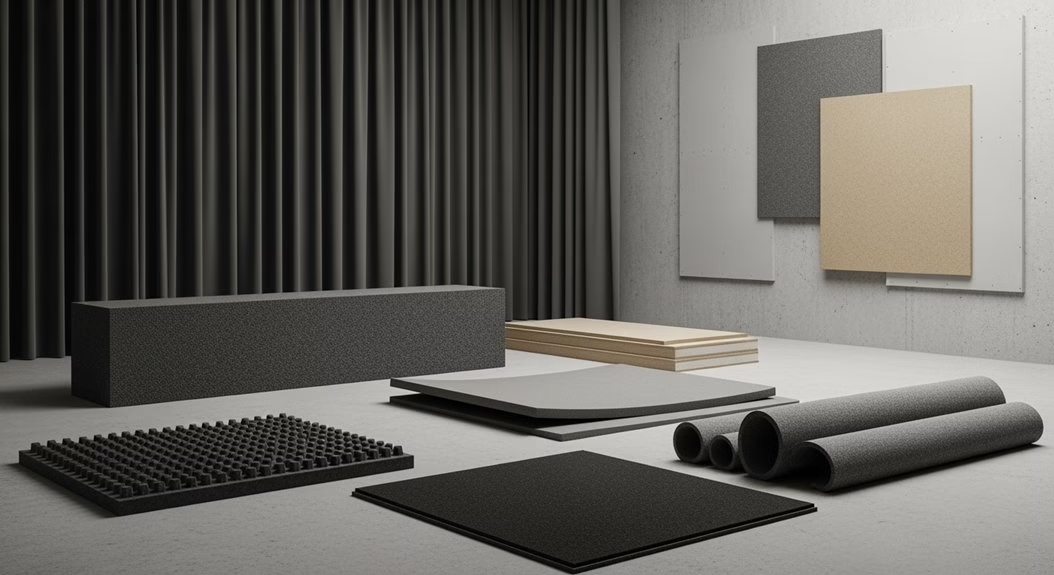
While high-quality soundproofing materials can transform your home theater experience, avoiding common mistakes is essential to maximizing their benefits.
In your soundproofing project, don’t rely solely on acoustic foam. It can lead to inadequate performance by only addressing high frequencies, leaving low-frequency sound issues unresolved.
Underestimating decoupling surfaces can also compromise effectiveness, as vibrations easily travel through walls and ceilings.
Using subpar materials for homemade sound panels results in poor sound absorption.
Additionally, failing to seal gaps with acoustical caulk lets sound leak through, undermining your efforts.
Overlooked reflective surfaces and empty spaces can cause unwanted reverberation, echoing and distorting sound.
Pay attention to these details, and your soundproofing endeavors will greatly enhance your home theater experience.
Frequently Asked Questions
Why Are Some Materials Better at Absorbing Sound?
You’re wondering why some materials perform better at sound absorption.
Materials like acoustic foam and porous materials work wonders as they trap sound waves and convert them into heat.
High-density materials, such as mass-loaded vinyl, provide excellent sound isolation by blocking transmission.
Acoustic panels enhance resonance control and frequency response due to their thickness and texture.
Combining dense and porous materials effectively manages sound waves across various frequencies, ensuring superior sound absorption.
What Is the Best Material for Soundproofing a Home Theater System?
Imagine your home theater as the quietest place on Earth, where the world outside simply disappears. To achieve this, use acoustic panels and soundproof curtains to absorb noise.
Foam insulation and mass-loaded vinyl work wonders at blocking sound. Resilient channels and green glue help isolate vibrations.
Soundproof drywall and acoustic caulk seal gaps, while carpet tiles and bass traps manage low frequencies. Together, these materials transform your space into an acoustic haven.
What Type of Material Is Best for Soundproofing?
When you’re tackling soundproofing, consider acoustic panels and foam tiles for absorbing sound.
Mass-loaded vinyl and resilient channels serve as robust sound barriers.
Soundproof curtains and heavy drapes can add extra layers of noise reduction.
Incorporate isolation clips and cork boards for enhanced sound isolation.
Each material targets specific sound frequencies, so mix and match them to cover all bases effectively.
Your choice should depend on the specific needs of your space.
What Material Reflects Sound the Best?
You might think acoustic panels can’t reflect sound, but they can when designed with reflective surfaces.
Hard surfaces like concrete and brick excel at sound reflection due to their material density. The texture and angle of these surfaces impact how sound waves bounce, affecting soundproofing effectiveness.
Smooth, dense materials control reverberation and enhance frequency response, ensuring ideal acoustics.
Consider how these elements create a balanced auditory experience in your space.
Conclusion
By choosing the right soundproofing materials for your home theater, you’re not just improving acoustics—you’re creating an experience so immersive that it feels like the actors are performing in your living room. Don’t skimp on quality; investing in high-quality soundproofing is the golden ticket to transforming your space into an audio paradise. Avoid common pitfalls and you’ll enjoy movie nights without any outside disturbances, making your theater the envy of the neighborhood.