Top Materials for Custom Home Theater Soundproofing
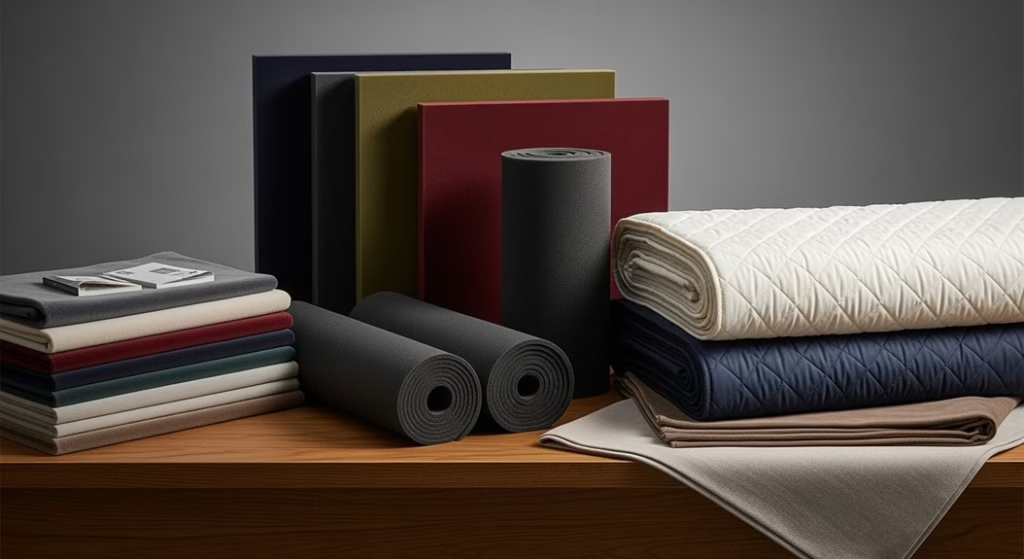
For high-quality soundproofing in your custom home theater, prioritize materials like Mass Loaded Vinyl, which superbly blocks airborne noise, and Green Glue, a powerful dampening compound for drywall layers. Couple these with resilient channels to reduce sound vibration and acoustic panels for sound absorption. Not to forget, thick carpeting and soundproof insulation wonderfully combat impact noise. By considering these essential elements, you’re setting the stage for an immersive audio experience beyond expectations. Explore further to uncover more insights.
Key Takeaways
- Mass-loaded vinyl increases sound isolation for walls, ceilings, and floors.
- Acoustic foam panels absorb sound energy and reduce echo within the theater room.
- Green Glue compound enhances soundproofing when applied between drywall layers.
- Resilient channels decouple drywall, minimizing sound transmission through structures.
- Heavy acoustic curtains block external noise and reduce sound reflection.
Understanding Sound and Its Impact on Home Theaters

When setting up a home theater, understanding sound is key to creating an immersive experience. Sound travels in waves, and managing both airborne sounds and structure-borne sound transfer is essential.
Effective soundproofing helps block these sound waves, ensuring vibrations don’t disrupt your audio experience. Low frequency sounds, like bass, are particularly tricky, resonating through building materials. This necessitates specialized soundproofing materials like mass-loaded vinyl to enhance Sound Transmission Class (STC) ratings.
Remember, soundproofing stops sound transfer, while acoustics deals with controlling sound within the space. Sound absorption and sound blocking are critical components in this process.
Key Principles of Effective Soundproofing
Creating an exceptional home theater experience hinges on understanding the principles of effective soundproofing.
First, consider mass; adding mass to walls can greatly block sound waves, improving soundproofing insulation. The mass law states that doubling a material’s weight enhances its Sound Transmission Class (STC) rating by about 5 points.
Doubling wall mass increases its STC rating by approximately 5 points, significantly enhancing soundproofing.
Use decoupling methods, such as resilient channels, to break mechanical links, reducing sound vibrations. Sound absorption materials, like acoustic panels, help improve sound quality by preventing sound waves from bouncing.
Airtightness is vital; seal gaps and penetrations with acoustical sealants to prevent sound leakage.
Employing these principles, from mass to decoupling methods, will guarantee your home theater remains a sanctuary of clear, immersive sound without unwanted noise disturbances.
Essential Soundproofing Materials and Techniques
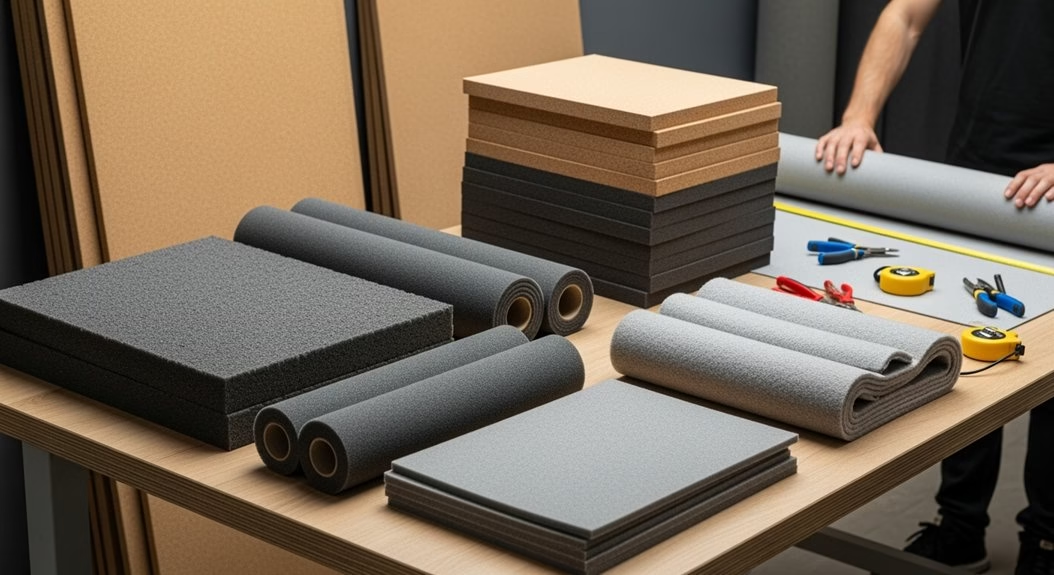
Soundproofing your home theater doesn’t need to be an intimidating task when you have the right materials and techniques at your disposal.
Start with mass loaded vinyl to block airborne noise, ideal for soundproofing walls, ceilings, and floors. Pair it with acoustic foam to absorb sound energy and reduce echo.
For effective soundproofing doors and walls, apply Green Glue between drywall layers. Resilient channels can decouple drywall from framing, minimizing sound transmission.
Enhance your setup with soundproof insulation and sound isolation clips to further isolate sound, ensuring a truly soundproof home theater experience.
With these materials and techniques, you’ll create a space where audio excellence thrives, free from unwanted noise intrusions.
Advanced Soundproofing Solutions for Walls, Ceilings, and Floors
While achieving a soundproof home theater might seem complex, focusing on advanced solutions for walls, ceilings, and floors can make a significant difference.
Start by using Mass Loaded Vinyl, a soundproofing material with high-density blocking capabilities, essential for sound isolation similar to recording studios.
Mass Loaded Vinyl offers high-density sound isolation, crucial for creating a recording studio-like environment at home.
Enhance your walls by applying drywall with Green Glue, which helps with sound dampening and potentially increases STC ratings above 50.
Resilient channels can be installed to decouple drywall from framing, reducing sound transmission.
For additional soundproofing, use acoustic panels to absorb sound and control reverberation.
Finally, to combat impact noise, consider thick, plush carpeting or specialized acoustic flooring that decouples the main floor from the subfloor, ensuring your home theater remains an audio haven.
Enhancing Acoustic Quality With Interior Design Elements

When designing a home theater, enhancing acoustic quality with interior design elements is essential for an immersive experience.
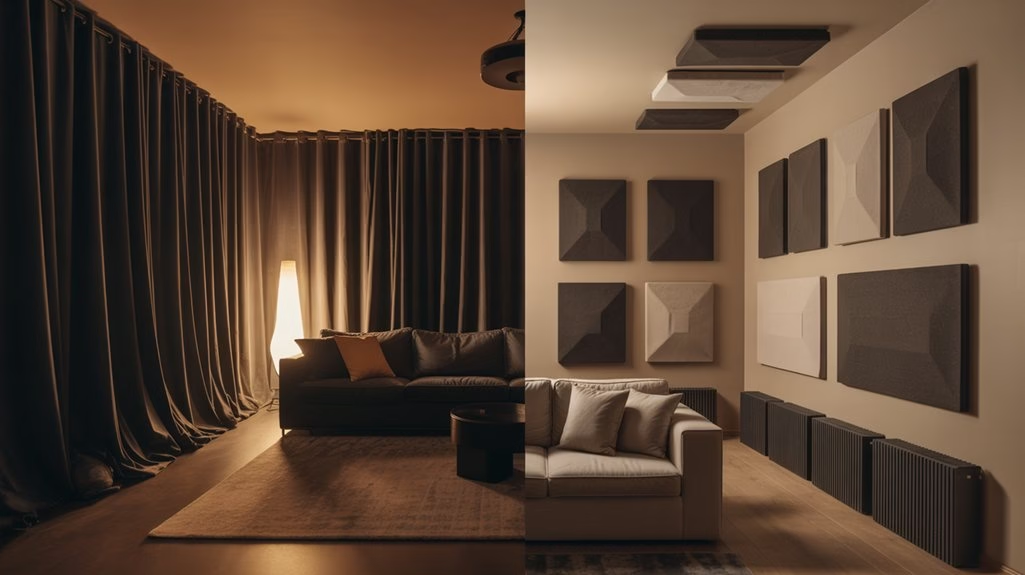
Start by incorporating acoustic panels made from sound-absorbing materials like melamine foam or fiberglass. These panels reduce echo and reverberation, improving sound quality.
Lay thick, plush carpets or rugs on the floor to absorb sound energy and minimize noise transmission. Heavy, dense acoustic curtains are perfect for blocking external noise and reducing sound reflection within the theater.
For resilient sound isolation, use clips and channels to decouple drywall from framing, effectively minimizing sound transmission.
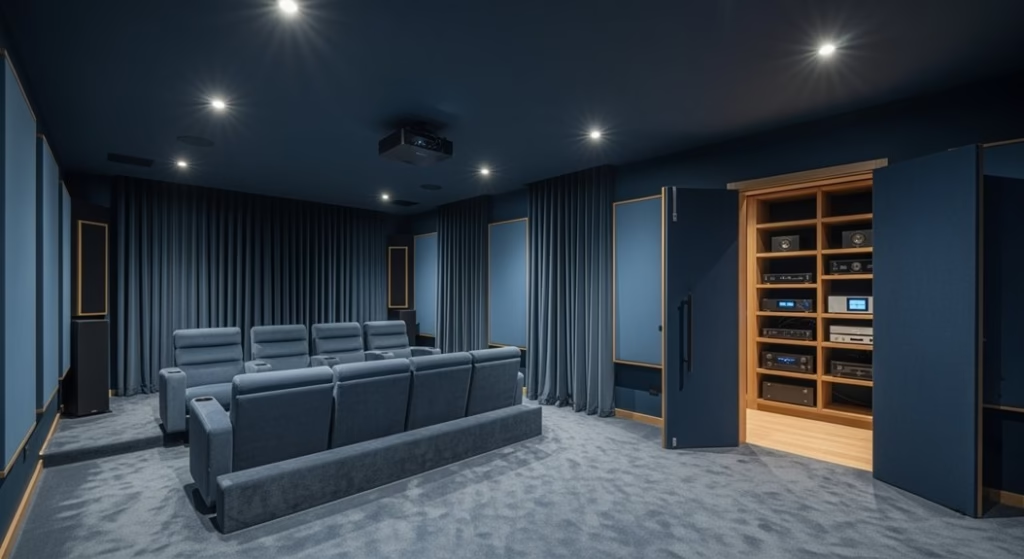
Consider a room-in-room design to isolate your theater, managing bass frequencies and preventing sound leakage.
These elements will create a superior soundproofing environment, enhancing your home theater experience.
Frequently Asked Questions
What Is the Best Soundproofing Material for Home Theaters?
You’re wondering about the best soundproofing material for home theaters.
Acoustic panels and foam wedges are great for reducing echo. Mass loaded vinyl and soundproof curtains help block sound.
Resilient channels and isolation clips decouple surfaces, minimizing noise transfer. Green glue works wonders between drywall layers.
Bass traps enhance low-frequency sound control. Soundproof doors and carpet underlay further prevent noise escape.
Mix these elements for ideal soundproofing success.
What Is the Most Effective Soundproofing Material?
Imagine soundproofing as a fortress for your ears. You’ll find mass loaded vinyl acts as a robust wall, while acoustic panels and soundproof curtains create a silent moat.
Resilient channels, double drywall, and soundproof foam are your castle’s foundation, offering sound isolation and vibration dampening.
Incorporate sound barriers and soundproof flooring to complete your fortress. Each material plays an essential role in ensuring your space remains a sanctuary of silence.
What Material Can Sound Not Pass Through?
You’ve probably wondered what material sound can’t pass through.
While no material is entirely impervious, combining several can create effective sound barriers. Use dense foam and mass loaded vinyl for high-density blocking.
Acoustic panels and double drywall with resilient channels help isolate sound. Enhance this by sealing gaps with acoustic caulk and green glue.
Soundproof curtains add an extra layer, ensuring sound isolation is maximized for quiet environments.
How Can I Make My Theater Room Soundproof?
To soundproof your theater room, start by installing acoustic panels and soundproof curtains to absorb noise.
Choose insulation types suitable for your walls and consider flooring options like carpet for sound absorption.
Enhance wall treatments and ceiling designs to block sound.
Add door seals and window inserts to prevent sound leakage.
Use bass traps in corners to manage low frequencies.
Employ effective soundproofing techniques, ensuring a quiet, immersive theater experience.
Conclusion
Imagine your home theater as a fortress of solitude, where the outside world’s noise can’t intrude. By understanding sound’s nature and employing key soundproofing principles, you’ll create a space akin to a concert hall. Using essential materials and advanced techniques, you can soundproof walls, ceilings, and floors, achieving pure acoustic bliss. Like Da Vinci’s masterful strokes, thoughtful interior design will enhance sound quality, ensuring your theater becomes the ultimate haven for cinematic adventures.