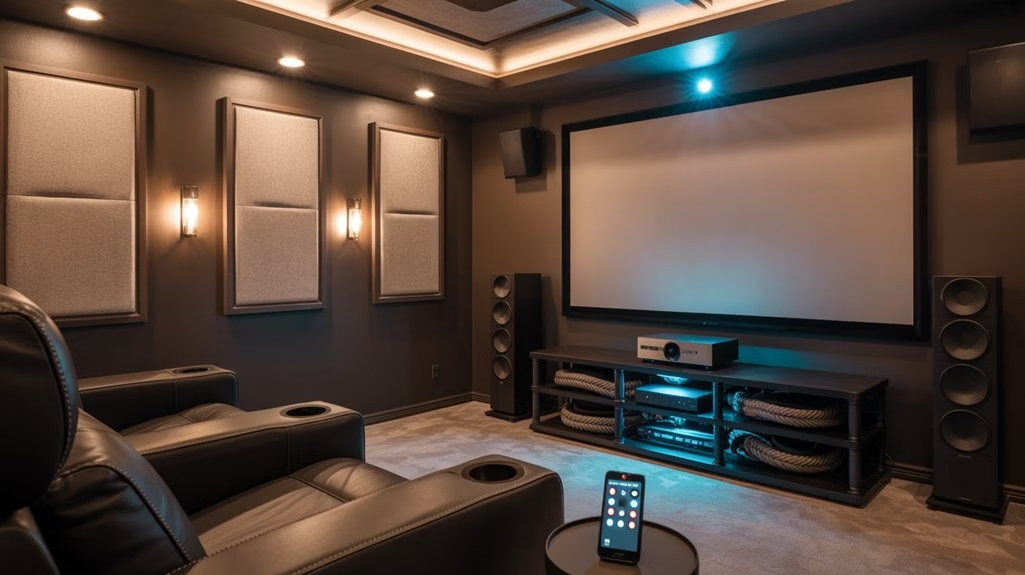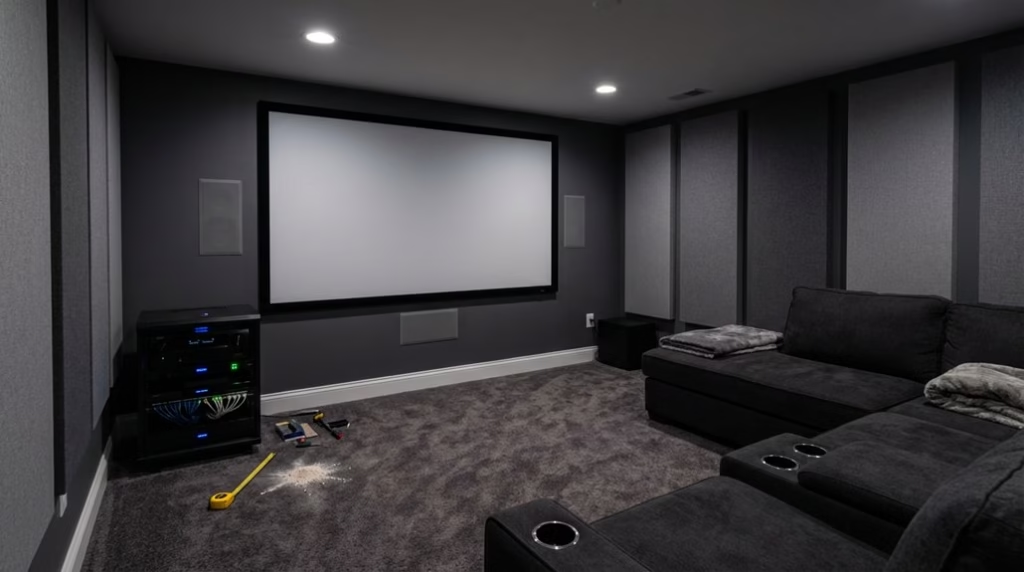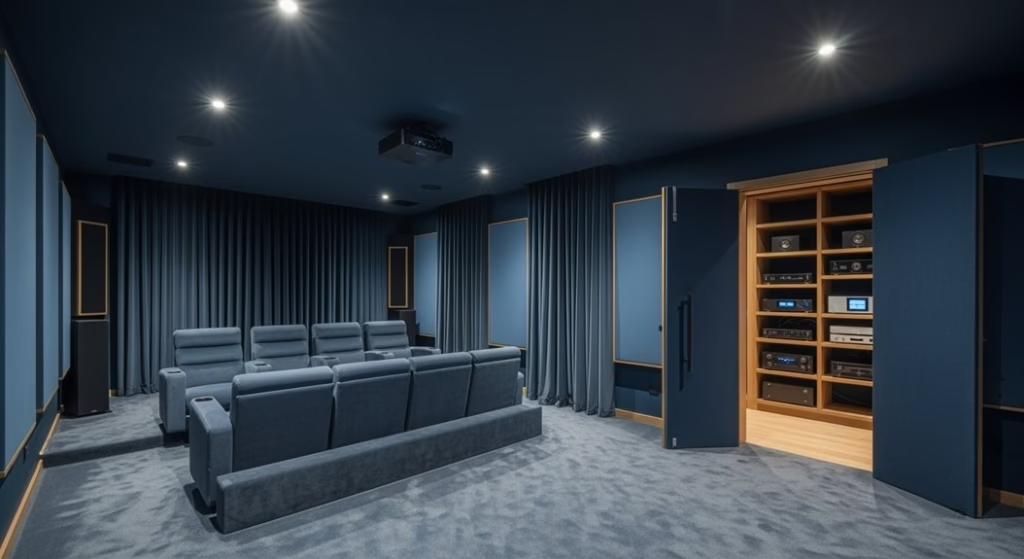
Top 10 Tips for Soundproofing Your Home Theater
Achieve ultimate soundproofing in your home theater by following these top tips: decouple walls and ceilings to enhance isolation, use multiple drywall layers for added mass, and seal doors and windows tightly. Incorporate thick, dense flooring materials like rubber or cork. Install acoustic panels and bass traps to manage sound energy and prevent echoes. Avoid placing speakers against walls and balance soundproofing with acoustic control. Discover how each tip elevates your theater experience.
Key Takeaways
- Decouple walls and ceilings using resilient channels or sound isolation clips for enhanced sound isolation.
- Install multiple drywall layers with Mass-Loaded Vinyl to increase mass and block low-frequency sounds.
- Use solid-core doors with airtight seals and automatic door bottoms to prevent noise leakage.
- Apply thick carpets and dense underlayment like rubber or cork for effective floor soundproofing.
- Use acoustic panels and bass traps for sound absorption and control of low-frequency sound buildup.
Decouple Walls and Ceilings for Effective Sound Isolation

When you’re looking to achieve effective sound isolation, decoupling your walls and ceilings is an essential step. This process creates a separation between the framing and drywall, markedly reducing sound transmission and boosting the Sound Transmission Class (STC) rating above 60.
Use resilient channels or sound isolation clips to let the drywall float independently from the studs, minimizing structure-borne sound. This prevents vibrations from traveling through your home theater’s framework.
Let drywall float with resilient channels to minimize structure-borne sound and vibration transmission.
Enhance sound isolation further with a staggered stud wall design, which offsets the studs between two walls.
Don’t forget to apply acoustic sealant around gaps and seams in decoupled walls and ceilings. This guarantees even small openings don’t compromise sound isolation, effectively blocking sound waves for peak soundproofing.
Utilize Multiple Layers of Material for Added Mass
To effectively block sound transmission in your home theater, adding multiple layers of material is key. Start by installing 2-4 layers of 5/8-inch type X drywall, which greatly increases the added mass, boosting transmission loss and improving soundproofing.
You can incorporate mass-loaded vinyl (MLV) between these layers to target low-frequency sounds that standard drywall might miss. Utilize a double wall system with two separate 2×4 walls and a 1-inch air gap to prevent direct sound paths and enhance isolation.
To further reduce structure-borne sound, install resilient channels between the drywall layers. Additionally, fill the spaces with thick insulation like rockwool or fiberglass for superior sound absorption, effectively managing high and mid-range frequencies.
This multi-layered approach guarantees your home theater stays serene.
Ensure Doors and Windows Are Well-Sealed
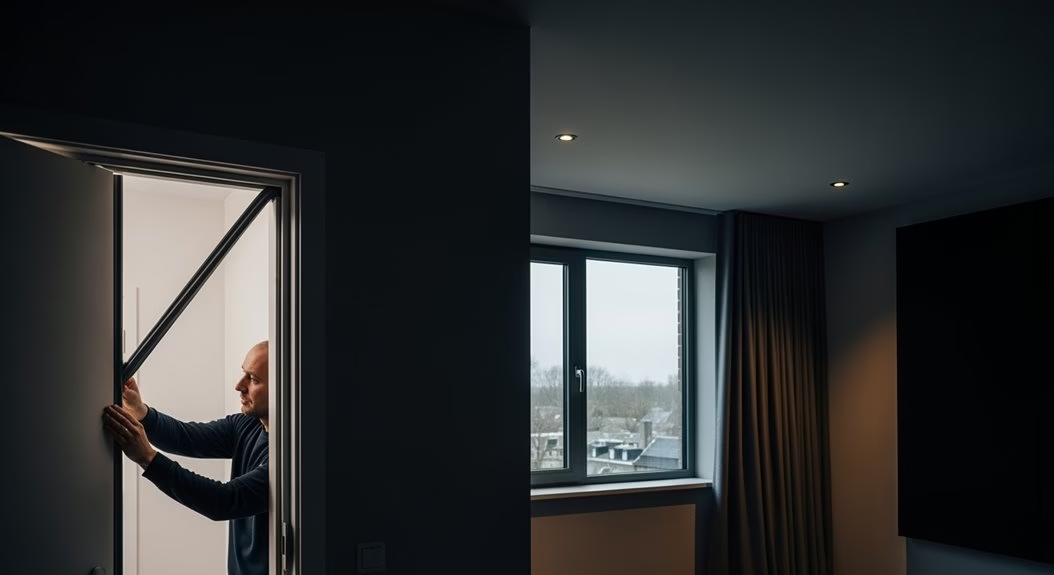
Although soundproofing your home theater requires attention to various elements, ensuring doors and windows are well-sealed is essential for ideal acoustic performance.
Opt for soundproof doors and windows by using solid-core doors, which offer better mass and density to reduce noise transmission. Install airtight seals and automatic door bottoms to eliminate gaps and prevent noise leakage.
For windows, double-pane glass creates an air gap that effectively dampens sound vibrations, considerably reducing noise. Apply weather stripping around frames to seal openings and further prevent sound leakage.
Additionally, hang heavy, sound-dampening curtains over windows to absorb high-frequency sounds. These steps will enhance the acoustic quality of your space, ensuring you get the most immersive experience from your home theater.
Use Thick, Dense Materials for Flooring to Reduce Vibrations
Flooring plays an essential role in soundproofing your home theater. Installing thick carpets with dense underlayment like rubber or cork greatly absorbs sound and reduces vibrations. This combination enhances sound isolation and sound absorption, effectively minimizing noise leakage into and out of your theater space.
For multi-level homes, using a soundproof underlayment can reduce sound transmission between floors, providing an extra layer of soundproofing. Adding Mass-Loaded Vinyl (MLV) beneath flooring materials blocks low-frequency sounds, such as bass from audio systems, offering substantial sound isolation.
Incorporate Acoustic Panels and Bass Traps
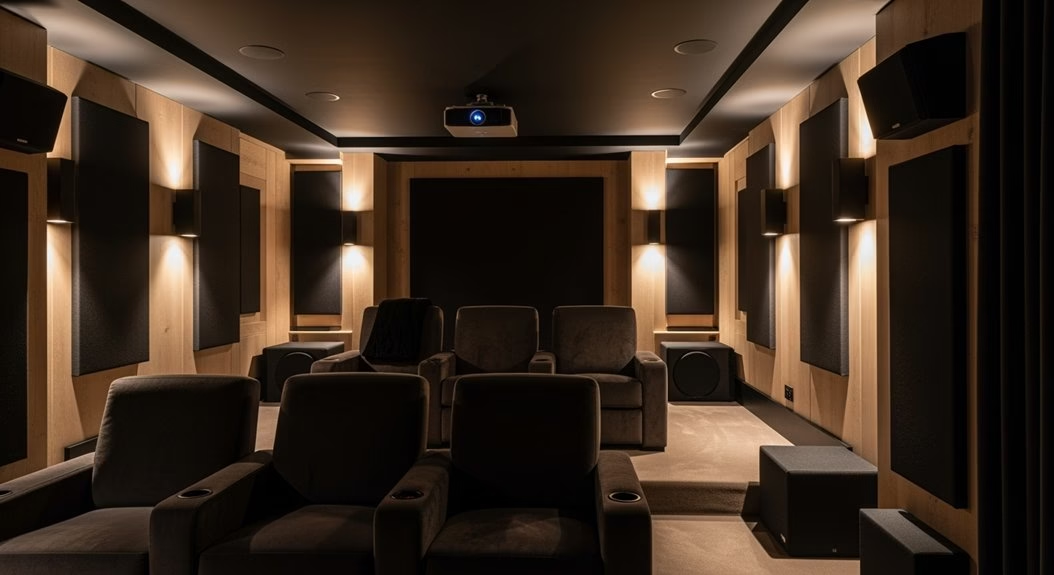
While thick, dense flooring materials lay the groundwork for soundproofing your home theater, you shouldn’t overlook the importance of acoustic panels and bass traps.
Acoustic panels are vital for sound absorption, reducing echoes, and managing sound energy. Place them strategically at first reflection points on walls and ceilings to enhance sound quality.
Meanwhile, bass traps are essential for controlling low-frequency sounds. By installing them in the corners of the room, you prevent bass buildup, improving sound clarity and balance.
Mixing foam and fabric-wrapped panels can optimize sound absorption across various frequencies, creating a more immersive audio experience.
Together, these elements greatly elevate your home theater’s listening experience by reducing unwanted reflections and enhancing overall sound quality.
Optimize Room Layout for Sound Management
When optimizing your home theater’s room layout for sound management, careful planning is key to achieving the best audio experience.
Start by arranging seating at least 2-3 feet away from walls to minimize sound reflections. This helps create a reflection-free zone, enhancing audio clarity.
Arrange seating 2-3 feet from walls to minimize reflections and enhance audio clarity.
You should also utilize the Sepmeyer Ratios to determine ideal room dimensions, which can enhance acoustics and reduce standing waves.
Install bass traps in the room’s corners to manage low frequencies and prevent bass buildup, improving overall sound quality.
Make sure your speakers are positioned at ear level and equidistant from walls to reduce room modes and promote even sound distribution.
Finally, incorporate a staggered stud wall system to effectively soundproof your home theater, preventing unwanted sound transmission.
Avoid Placing Speakers Directly Against Walls
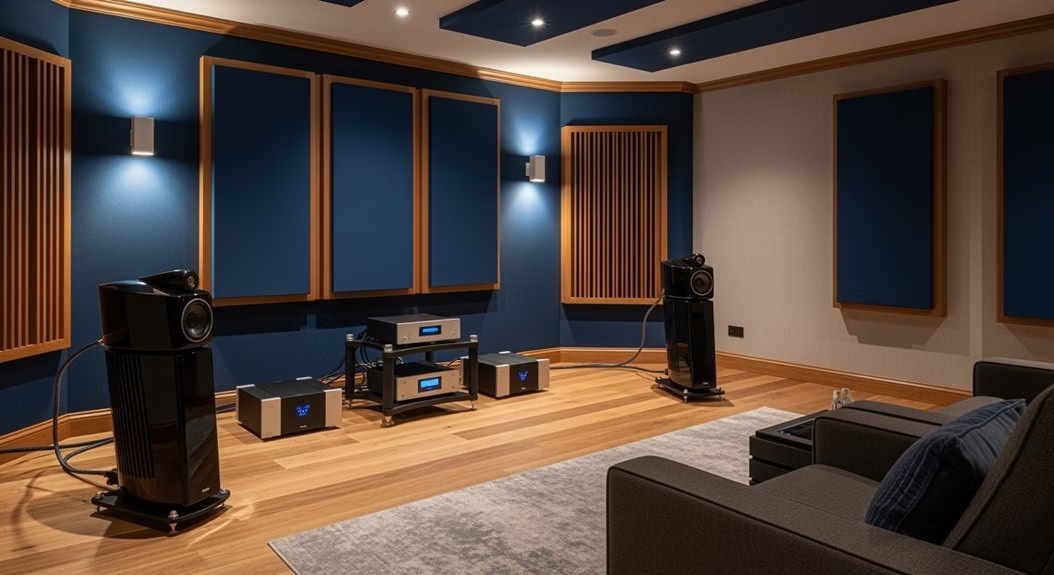
Positioning your speakers directly against walls can compromise the audio quality of your home theater. When sound travels, it can reflect off surfaces, causing muddied audio and diminished clarity.
To prevent noise issues like impact noise and excessive bass, keep your speakers at least 1 to 2 feet from walls. This distance helps block sound reflections and reduces boundary interference, guaranteeing a soundproof atmosphere.
Using speaker stands or wall mounts can further optimize your setup by achieving the correct height and positioning. This adjustment not only enhances the soundstage and imaging but also guarantees a balanced stereo experience.
Proper placement allows for a more immersive surround sound, elevating your theater’s performance to new heights.
Balance Soundproofing and Acoustic Control
Understanding the importance of speaker placement sets the stage for a deeper look into balancing soundproofing and acoustic control in your home theater. Achieving the perfect harmony involves minimizing external noise while enhancing internal sound quality.
Balancing soundproofing and acoustic control is key to minimizing noise and enhancing sound quality in your home theater.
Start by soundproofing your ceiling to prevent upstairs noise interference. Use a double wall system and add mass for maximum noise reduction. Focus on acoustic control by addressing high, mid-range, and low-frequency sounds. Create a “room within a room” effect for superior sound isolation.
Consider these elements:
- Decoupled walls and resilient channels for superior soundproofing.
- Bass traps in corners to manage low frequencies.
- Absorption panels for high and mid-range clarity.
- Multi-layered underlayment and heavy carpets for impact noise reduction.
- A balanced acoustic environment for immersive audio experiences.
Install Soundproof Drywall and Use Acoustic Sealant

Although soundproofing may seem challenging, installing soundproof drywall is an essential step in creating an effective barrier against unwanted noise in your home theater.
Soundproof drywall, like QuietRock, offers superior sound isolation, achieving impressive STC ratings up to 70. It’s highly recommended to add an extra layer or two, as multiple layers enhance the wall’s ability to stop noise, particularly low frequencies, which are tougher to block.
To maximize your efforts, use acoustic sealant liberally along all seams, joints, and around outlets. Products like Green Glue remain flexible, preventing sound leakage through tiny gaps.
Combining soundproof drywall with resilient channels or sound isolation clips further reduces the amount of sound transmission, ensuring a quieter, more immersive theater experience.
Implement Mass-Loaded Vinyl for Enhanced Sound Blocking
If you’re aiming to enhance sound blocking in your home theater, Mass-Loaded Vinyl (MLV) is a game-changer. This dense material effectively reduces sound transmission, especially low-frequency noises, making it perfect for your space.
MLV is easy to install; just adhere it to walls, ceilings, or floors. It can be discreetly hidden behind drywall or within door cores, no major renovations needed. Opt for peel-and-stick versions for a hassle-free setup, and pair MLV with acoustic panels and resilient channels for superior soundproofing.
Imagine your transformed home theater with these benefits:
- Reduced noise leakage for an immersive experience
- Effective sound isolation that keeps distractions out
- Hidden installation maintaining your room’s aesthetics
- Minimal effort with a peel-and-stick option
- Enhanced soundproofing when combined with other materials
Frequently Asked Questions
What Is the Best Soundproofing for Home Theaters?
To achieve the best soundproofing for your home theater, focus on using acoustic panels and soundproof curtains to absorb sound reflections.
Add floor underlayment and wall insulation to dampen noise.
Install ceiling tiles and guarantee door seals are tight to prevent sound leakage.
Proper speaker placement enhances sound quality.
Utilize various soundproofing materials to create an effective barrier, guaranteeing an immersive cinematic experience without disturbing the rest of your home.
What Absorbs Sound Really Well?
Isn’t it uncanny how acoustic panels, soundproof curtains, and foam tiles just happen to absorb sound so effectively?
You’ll find heavy rugs work wonders too, soaking up unwanted noise while wall insulation keeps sound from bouncing around.
Ceiling clouds and bass traps are perfect for handling those tricky frequencies.
Don’t forget door seals; they keep sound where it belongs.
Each element plays an essential role in crafting that quiet, immersive environment you desire.
How to Make Home Theatre Sound Proof DIY?
To make your home theater soundproof DIY-style, start with acoustic panels and sound barriers for walls.
Choose insulation types like fiberglass or cellulose to fill gaps.
Floor treatments are essential; opt for thick carpets with underlayment.
Ceiling solutions might include soundproof tiles.
Don’t forget door seals and window inserts to block external noise.
Use heavy fabric choices for curtains to absorb sound, creating a cozy, quiet environment for your entertainment.
How to Make a Room 100% Soundproof?
Did you know achieving true 100% soundproofing is nearly impossible, but you can greatly reduce noise with smart choices?
Start by installing acoustic panels and soundproof curtains to absorb and block sound. Use high-quality insulation materials and carefully plan your room layout to minimize leaks.
Add noise barriers and choose flooring options that dampen sound. Ceiling treatment and door seals are essential, preventing sound from escaping or entering your space.
Conclusion
You’ve transformed your home theater into an acoustic fortress with these soundproofing tips! By decoupling walls and ceilings, sealing doors and windows, and layering materials, you’ve created a sanctuary where outside noise doesn’t stand a chance. Thick flooring, acoustic panels, and strategic speaker placement guarantee your sound is as pure as a symphony in an echo-free chamber. Your efforts will pay off, making movie nights an experience that rivals cinemas, minus the popcorn rustle!