What Are the Best Soundproofing Techniques for Home Theaters?
For soundproofing your home theater, focus on insulation, adding mass, and decoupling techniques. Use a double wall system with air gaps, Owens Corning insulation, and multiple drywall layers. Install acoustic panels, soundproof ceilings with resilient channels, and apply door sweeps and heavy curtains to windows. These strategies help block noise and guarantee clear audio. There’s more to discover about perfecting your home theater’s sound environment if you explore further.
Key Takeaways
- Use double wall systems with air gaps and multiple drywall layers for effective sound isolation.
- Incorporate acoustic panels and resilient channels to minimize echo and reverberation.
- Install solid, heavy doors with acoustic seals and door sweeps to reduce sound leakage.
- Apply decoupling techniques for ceilings and walls to prevent direct sound transmission.
- Utilize soundproof underlay for carpets to enhance floor sound isolation affordably.
Understanding Sound Transmission in Home Theaters
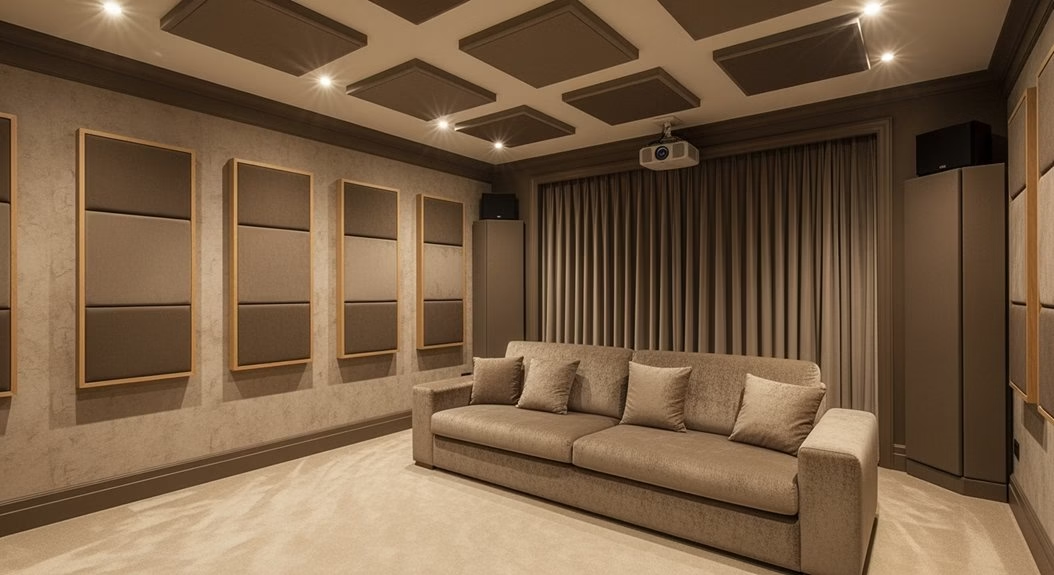
When setting up a home theater, understanding how sound transmission works is essential for creating an ideal listening experience. Sound travels as airborne noise and structure-borne noise, with lower frequency sound waves more likely to penetrate barriers.
To effectively block sound and reduce noise, you’ll want to focus on soundproofing strategies. Sealing open windows, doors, and construction gaps is vital to prevent sound transfer. Soundproof insulation and achieving a high Sound Transmission Class (STC) rating, ideally 55-60, can help you manage this.
Pay attention to common sound transmission paths like outlets, HVAC ducting, and door gaps. Effective soundproofing combines damping, mass, and decoupling techniques, minimizing vibrations and enhancing sound isolation in your home theater.
Importance of Soundproofing for an Enhanced Experience
A well-soundproofed home theater is essential for elevating your movie-watching experience. By soundproofing a home theater, you isolate sound, preventing loud scenes from disrupting family or neighbors.
Soundproofing your home theater elevates your movie experience by preventing disruptions to family or neighbors.
This setup enhances sound quality by reducing echo and reverberation, ensuring dialogue and sound effects are crisp and clear, perfectly complementing your home theater systems’ high-quality visuals. Acoustic panels and soundproof walls play vital roles in this process, blocking noise from entering or leaving the space.
Utilizing materials with an STC rating of 55-60, like Mass Loaded Vinyl, helps reduce sound transmission considerably. Effective techniques such as damping, decoupling, and adding mass can decrease sound transfer by up to 50%.
Proper soundproofing not only enriches your entertainment experience but also improves energy efficiency.
Key Soundproofing Techniques for Walls
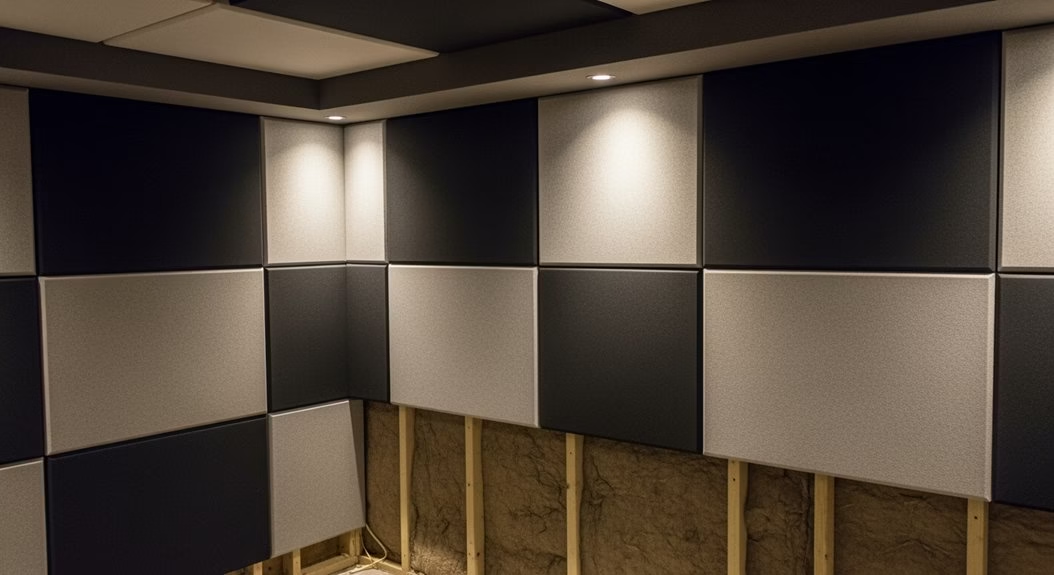
To effectively soundproof your home theater walls, consider employing a double wall system. This involves building two 2×4 walls with a 1-inch air gap, minimizing sound transmission.
Here’s how to further enhance soundproofing:
- Insulation and Mass: Use Owens Corning pink insulation and apply multiple layers of 5/8 type X drywall to increase mass and reduce vibrations.
- Sound Barriers: Incorporate mass-loaded vinyl within wall assemblies. Its high density acts as a sound barrier, blocking unwanted noise effectively.
- Decoupling and Sealing: Utilize resilient channels to decouple drywall from studs, preventing vibrations. Seal all gaps with acoustic caulk to avoid sound leaks, guaranteeing a soundproof home theater.
These techniques guarantee thorough sound dampening, creating the ideal theater experience.
Effective Ceiling Soundproofing Strategies
Although soundproofing your home theater ceilings can seem challenging, employing the right strategies guarantees peak acoustic performance.
Start by decoupling the ceiling from existing ceiling joists using acoustic clips to reduce sound transmission and improve isolation. This method effectively manages low-frequency control essential for good acoustics.
Next, install multiple layers of 5/8-inch type X drywall on furring channels attached to resilient clips. This setup enhances mass and damping, minimizing sound leakage.
For additional soundproofing, add insulation like rockwool or fiberglass between the ceiling joists, as they’re effective at absorbing sound waves.
Consider suspended acoustic ceilings for an extra sound buffer.
Finally, incorporate soundproofing materials like Mass Loaded Vinyl (MLV) to further enhance sound isolation and soundproof a home theater effectively.
Soundproofing Solutions for Doors and Windows
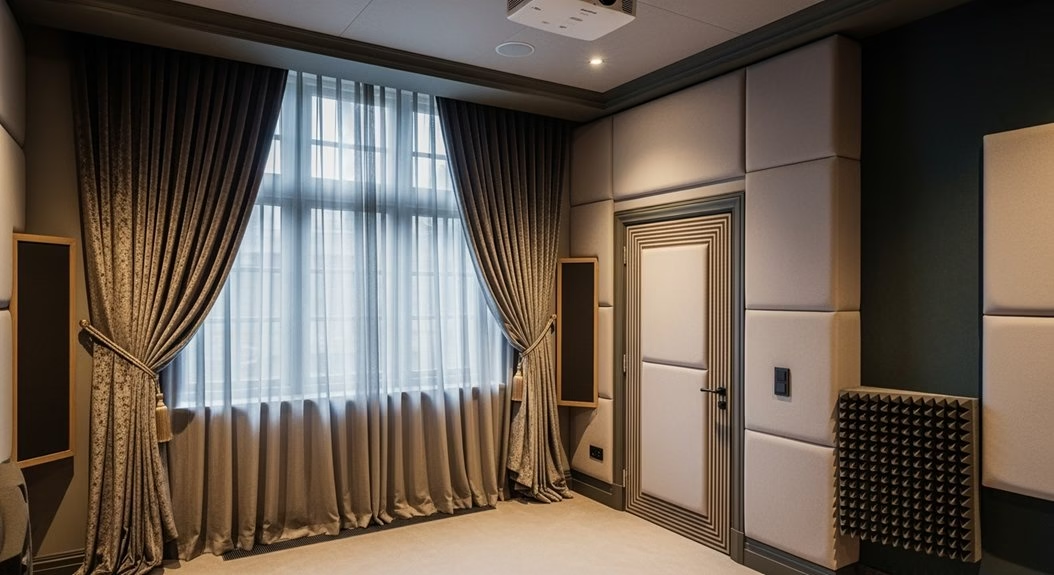
When enhancing your home theater’s soundproofing, don’t overlook the impact of doors and windows. Soundproofing these areas effectively can greatly reduce noise transmission.
Consider the soundproofing of doors and windows to significantly minimize noise in your home theater.
For doors, choose solid, heavy doors equipped with acoustic seals on all sides. Add door sweeps to fill gaps at the bottom, minimizing sound leakage.
For windows, consider these key solutions:
- Double-pane glass: Reduces noise transmission considerably.
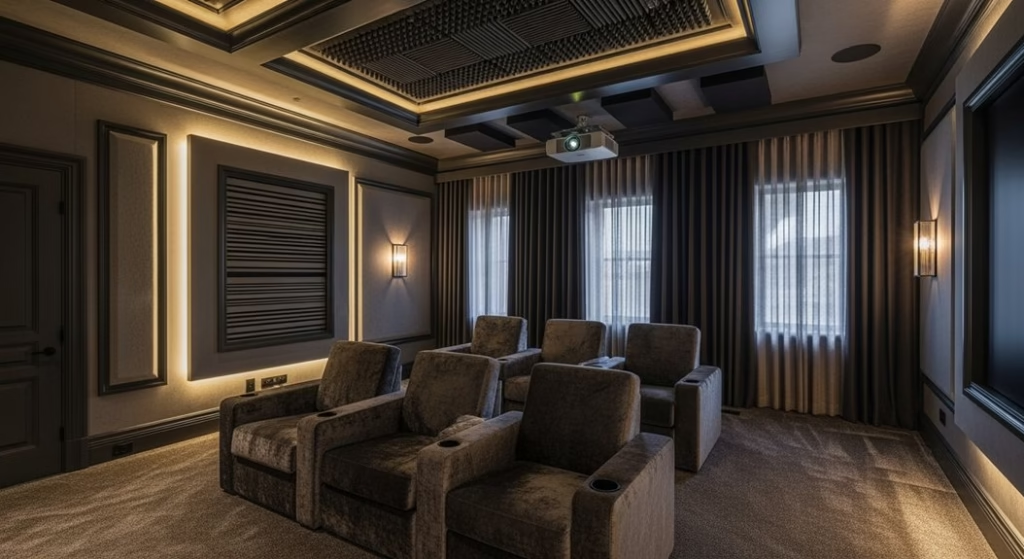
- Sound-damping curtains: Hang these heavy fabrics over windows to absorb sound and lessen external noise.
- Airtight seals: Confirm window frames are airtight to prevent noise infiltration.
Additionally, window plugs with sound-absorbing mass enhance soundproofing further.
Best Flooring Options for Sound Isolation
Enhancing your home theater’s sound isolation starts from the ground up. Carpeting is one of the best flooring options, as it dampens sound reflections and reduces impact noise more effectively than hard surfaces.
To boost its benefits, consider adding a thick soundproof underlay beneath your carpet, minimizing sound transmission through the floor. Strategically placed area rugs can also absorb sound waves, enhancing your room’s acoustics.
If carpeting isn’t your style, soft rubber floor mats offer a sound-dampening alternative that’s easy to clean and maintain.
For multi-level homes, installing floating floors is a fantastic option. These consist of a soundproofing layer beneath your flooring, greatly reducing sound transmission between floors, ensuring that your home theater experience remains immersive and undisturbed.
Role of Acoustic Panels and Curtains

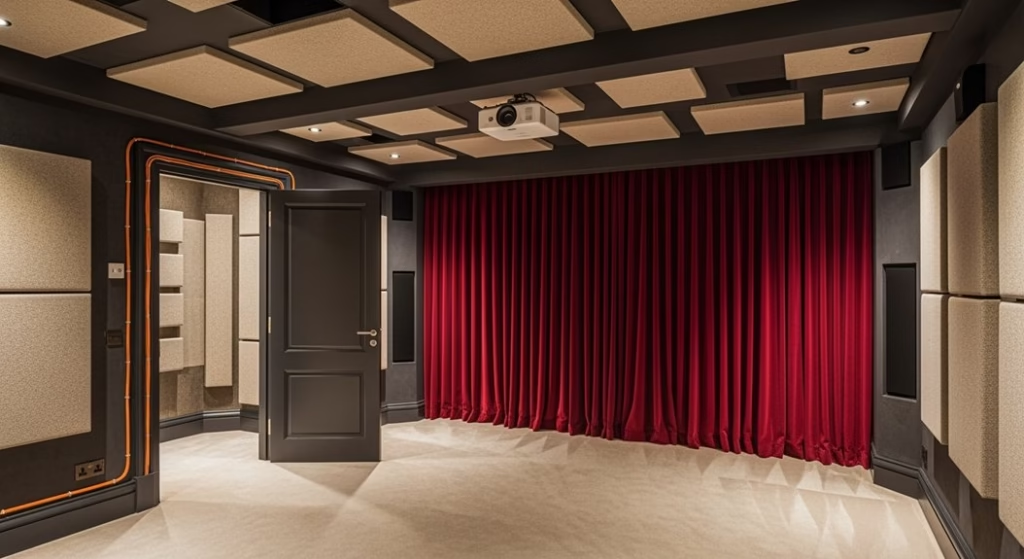
Acoustic panels and curtains play an essential role in transforming a home theater’s audio dynamics. They enhance sound clarity by absorbing sound waves, reducing echo, and creating an immersive audio experience.
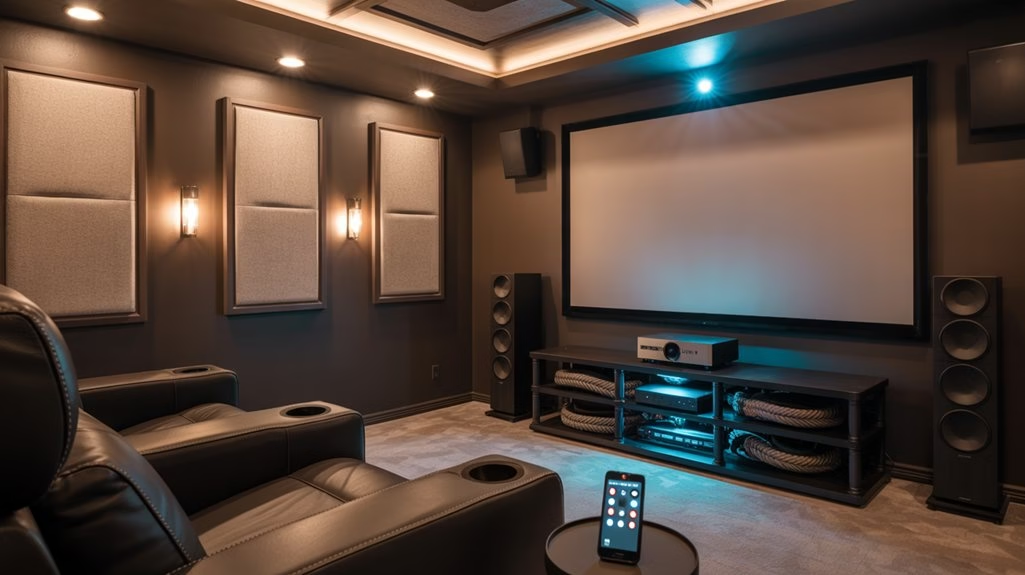
Fabric-wrapped acoustic panels not only provide excellent sound absorption but also add aesthetic appeal to your home theater setup.
For an effective soundproofing solution, consider these steps:
- Install acoustic panels: Place them along walls and ceilings, especially at reflection points, to manage high and mid-range frequencies.
- Use soundproof curtains: Hang dense, heavy fabric curtains over windows and doorways to block external noise and minimize sound leakage.
- Combine both elements: Together, they create a versatile and visually pleasing environment, ideal for maintaining an immersive audio experience.
Managing Low Frequencies With Bass Traps
While acoustic panels and curtains greatly improve sound clarity by tackling mid and high-range frequencies, managing low frequencies requires a specialized approach.
Bass traps are essential for absorbing low-frequency sounds in your home theater room. These sounds often accumulate in corners, muddying your audio experience.
By placing bass traps made from dense, porous materials like mineral wool or foam in the corners, you can greatly enhance the acoustics by reducing muddiness and achieving a clearer sound.
Make sure the traps are at least 4 inches thick for ideal absorption. Bass traps absorb sound waves below 200 Hz, providing a more balanced audio experience.
Combine them with other acoustic treatments to create a thorough soundproofing solution for your home theater.
Optimal Room Design for Acoustic Performance
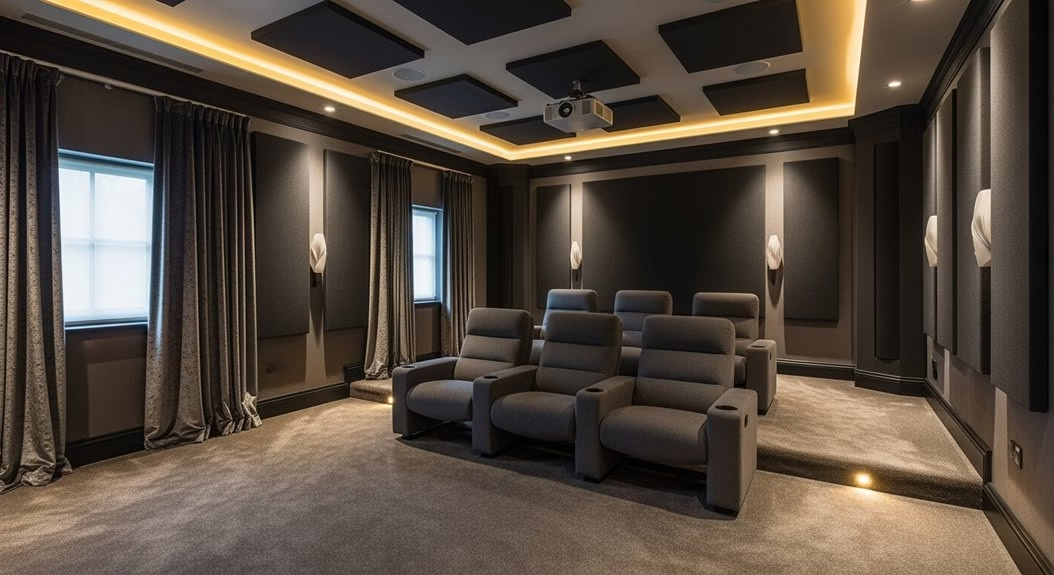
Creating an ideal room design for acoustic performance starts with understanding the importance of room dimensions. Using Sepmeyer Ratios enhances room design, ensuring better sound distribution and clarity.
Understanding room dimensions is crucial for optimizing acoustic performance and achieving superior sound distribution and clarity.
Paying attention to wall construction is essential—staggered studs enhance sound isolation by reducing direct sound transmission. Also, consider ceiling height and techniques like decoupling drywall from joists to manage sound isolation effectively, particularly with low frequencies.
To achieve best acoustic performance, follow these steps:
- Utilize Tools: Use the AMROC tool to determine ideal room dimensions and reduce problematic room modes.
- Reflection-Free Zone: Position speakers and seating to minimize sound reflections from walls.
- Select Soundproofing Materials: Choose materials that complement your design to enhance sound isolation and control.
Cost Considerations and Budget-Friendly Solutions
When planning a home theater, cost considerations often play an essential role in decision-making. You want to manage budget constraints while achieving effective soundproofing.
Start with cost-effective solutions like acoustic panels, which you can find for under $20 each. They enhance sound absorption without a hefty price tag. Door seal kits are another budget-friendly choice, important for preventing sound leakage.
For a more thorough approach, consider installing soundproof materials within your wall system. This can range from $500 to $3,000, offering flexibility based on room size.
Don’t overlook soundproof underlay for carpets and affordable insulation options like loose-fill or fiberglass. These improve sound isolation considerably, aligning with various budgets without compromising on quality.
Frequently Asked Questions
What Is the Best Soundproofing for Home Theaters?
You want the best soundproofing for your home theater, so start with acoustic panels for absorbing sound.
Add soundproof curtains to block outside noise.
Use noise barriers and insulation materials in walls to prevent sound leakage.
Install floor underlayment to reduce vibrations.
Ceiling tiles can enhance sound isolation.
Effective wall treatments offer additional sound control.
Combine these techniques to create an immersive experience free from distractions, elevating your home theater’s quality.
How to Make Home Theatre Sound Proof DIY?
So, you think you can soundproof a home theater DIY style? Let’s see.
Start by crafting your own DIY acoustic panels and hanging soundproof curtains—easy, right?
Add mass-loaded vinyl and give resilient channel installation a shot.
Don’t forget the soundproofing foam and double drywall technique; it’s just a minor home renovation!
Finally, install door sweeps for that professional touch.
Who needs an expert when you’ve got this all figured out?
What Do Movie Theaters Use for Soundproofing?
Movie theaters use several soundproofing techniques to enhance your viewing experience.
They install acoustic panels to reduce echo and improve sound clarity.
Sound barriers like double drywall layers and mass-loaded vinyl block external noise.
Noise reduction is achieved with studio insulation and bass traps to manage low frequencies.
Soundproof doors with airtight seals prevent sound leakage, and wall treatments like decoupled constructions stop vibrations from traveling between rooms.
What Blocks Out Sound the Best?
Picture yourself in a speak-easy, curious about what blocks out sound the best.
Immerse yourself in soundproof materials like acoustic panels and noise barriers to achieve stellar sound isolation. Installing heavy curtains and soundproof flooring can also keep sound at bay.
Don’t forget resilient channels for decoupling walls. These techniques will have you enjoying silence like an old-timey radio enthusiast, making external noise nothing but a distant memory.
Conclusion
To truly elevate your home theater experience, prioritize soundproofing. Imagine watching your favorite action movie without the booming bass disturbing your neighbors. Implement techniques like installing acoustic panels and bass traps, and you’ll notice the difference. Consider Jane, who transformed her basement into a theater using budget-friendly curtains and DIY wall treatments. Her family now enjoys movie nights with immersive sound and no complaints from next door. Embrace these strategies, and you’ll enjoy crystal-clear audio bliss.