Why Choose Cost-Effective Home Cinema Soundproofing?
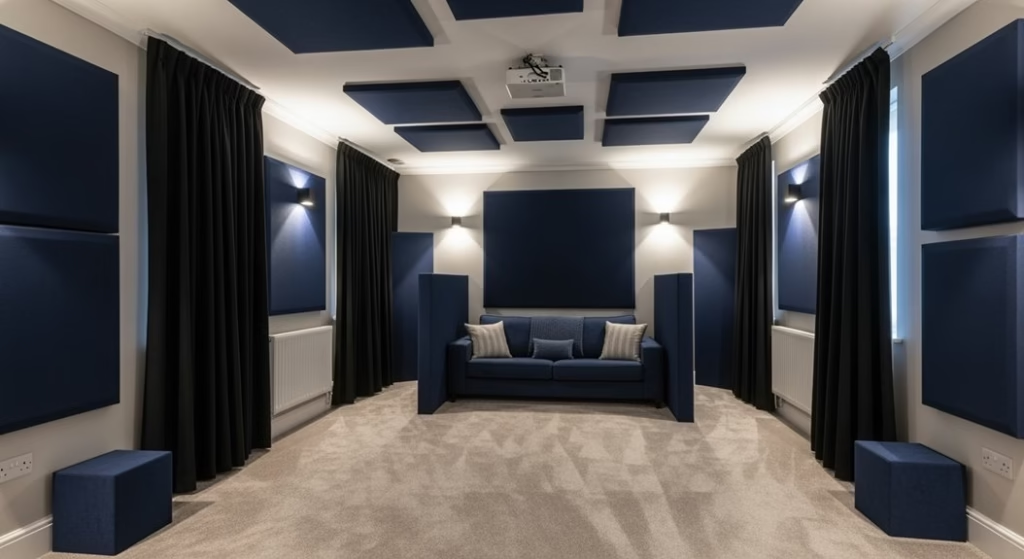
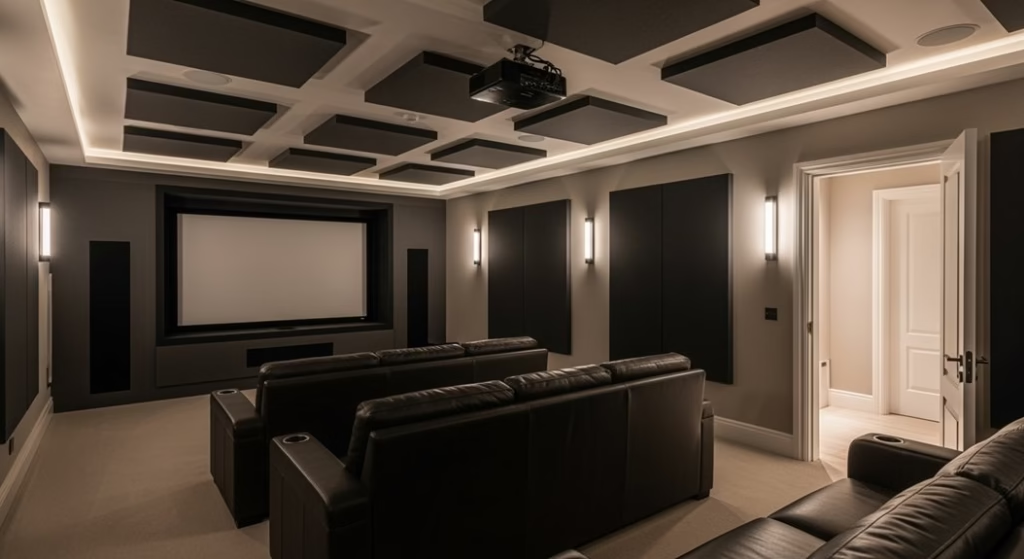
Opting for cost-effective home cinema soundproofing allows you to enjoy an enhanced auditory experience without overspending. Implement dense insulation and acoustic panels to easily manage sound waves and reduce noise. Employ techniques like weather-stripping and using mass-loaded vinyl to achieve a good STC rating, ultimately boosting property value. Smart investments in soundproofing not only improve your cinema experience but also minimize noise complaints. Discover more ways to maximize your home cinema setup efficiently.
Key Takeaways
- Cost-effective soundproofing reduces noise effectively without exceeding budget constraints.
- It enhances the home cinema experience by minimizing external sound interference.
- Affordable solutions like acoustic panels and carpets improve sound isolation and room aesthetics.
- DIY soundproofing projects save on professional installation costs while being customizable.
- Proper soundproofing increases home value by reducing potential noise complaints.
Understanding Soundproofing Basics
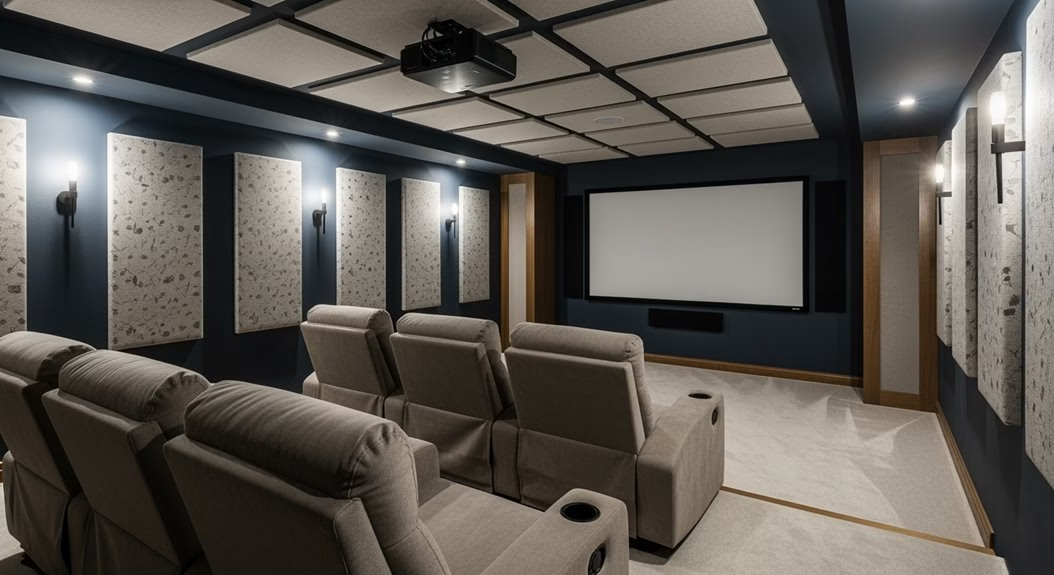
When setting up a home cinema, understanding soundproofing basics is essential for achieving the best audio experience.
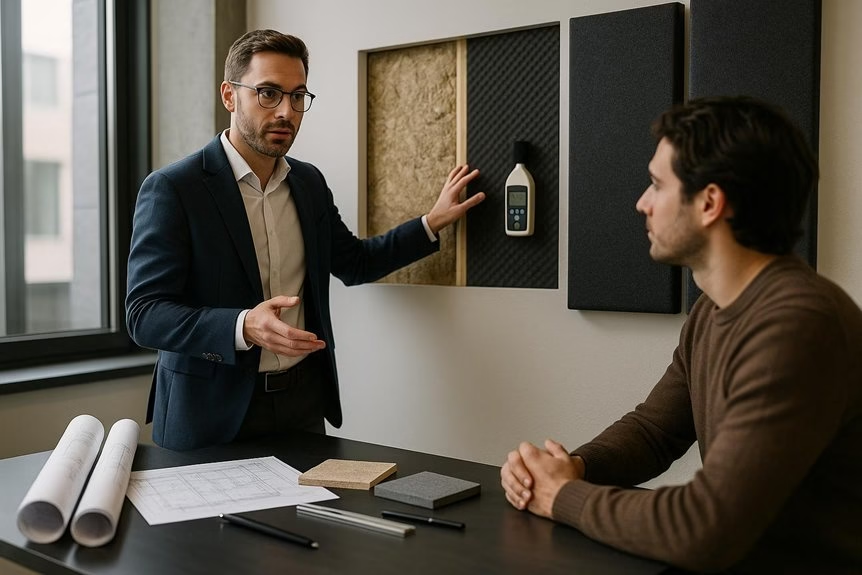
You’ll need to manage sound waves effectively to soundproof a home theater. Sound isolation hinges on using the right soundproofing materials, like dense insulation and acoustic panels, to absorb and block unwanted frequencies.
The goal is to reduce noise from both airborne and structure-borne sources. Aim for an STC rating of 55-60, ensuring effective sound isolation and minimal noise disruption.
By employing construction techniques such as absorption, blocking, damping, and decoupling, you can tackle sound transmission head-on. These methods help manage sound waves and frequency sounds, creating an immersive environment.
Proper soundproofing makes all the difference in enhancing your home cinema experience.
Benefits of Cost-Effective Soundproofing
Although setting up a home cinema can be an expensive endeavor, cost-effective soundproofing solutions offer an affordable way to enhance your audio experience.
By using acoustic panels and thick carpets, you can greatly reduce sound transmission, improving sound quality without emptying your wallet. Implementing weather-stripping and plastic door sweeps enhances air seals around doors, minimizing sound leakage affordably.
Utilize loose-fill insulation or fiberglass in walls for effective sound dampening at a lower cost than specialized materials.
Engage in DIY projects, like crafting homemade acoustic panels, to achieve great results without professional installation costs.
These measures not only enrich your home theater experience but also boost property value by reducing noise complaints, ensuring uninterrupted enjoyment of your favorite movies.
Techniques for Effective Sound Isolation
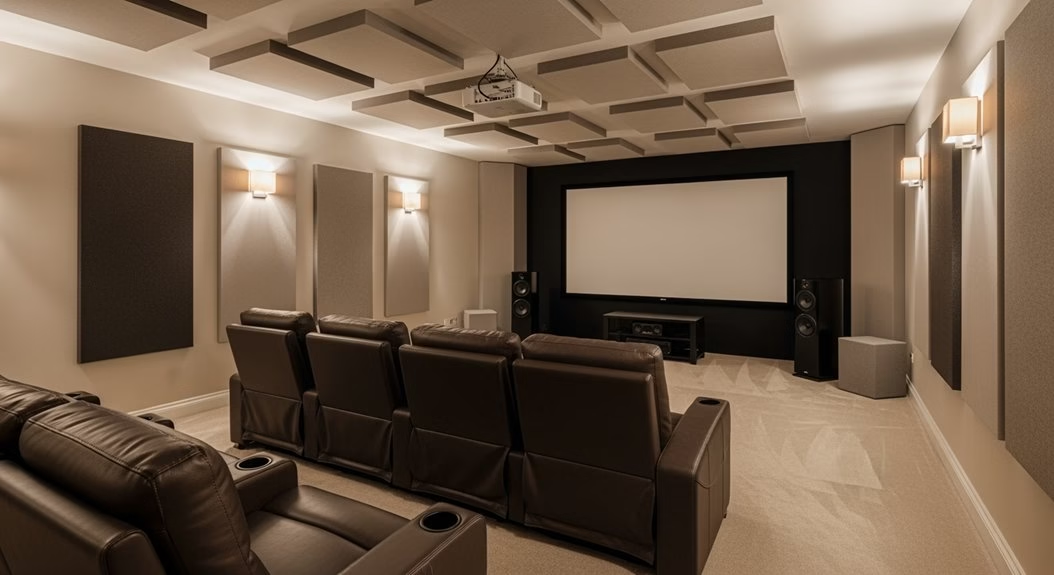
To achieve effective sound isolation in your home cinema, it’s crucial to understand and apply various techniques like absorption, blocking, damping, and decoupling.
Start by using acoustic insulation materials such as fiberglass or mineral wool to fill cavities, enhancing soundproofing by converting vibrations into heat.
Fill cavities with fiberglass or mineral wool to enhance soundproofing by converting vibrations into heat.
Implementing double-layer drywall with mass-loaded vinyl or green glue can boost the Sound Transmission Class (STC), effectively blocking unwanted noise.
For decoupling, use resilient channels or sound isolation clips to stop vibrations from traveling through structural elements.
Combat sound leakage by sealing gaps around windows and doors with acoustic caulk and installing solid-core doors.
Each of these steps enhances your sound isolation efforts, ensuring an immersive home cinema experience with minimal external noise interference.
Selecting Quality Materials on a Budget
Creating an effective soundproofing strategy for your home cinema doesn’t have to drain your wallet. Start by investing in high-quality yet affordable soundproofing materials. Dense acoustic panels and resilient insulation can enhance sound quality without breaking the bank.
Mass Loaded Vinyl (MLV) serves as a cost-efficient barrier, blocking sound transmission effectively. For walls, combine thicker drywall layers with green glue to boost their Sound Transmission Class (STC) rating, offering better soundproofing.
Consider DIY solutions like homemade acoustic panels using porous, dense materials for budget-friendly sound absorption. Regularly sealing gaps around windows and doors with acoustic caulk or weather stripping can also improve soundproofing.
These strategies guarantee you achieve effective soundproofing while staying within budget.
Long-Term Satisfaction With Smart Investments
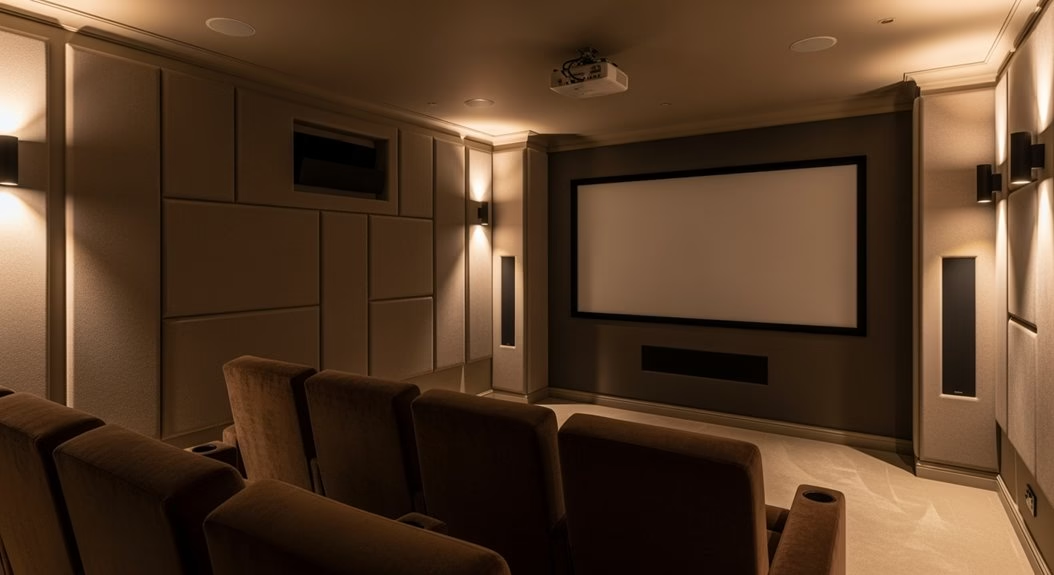
After selecting budget-friendly materials for your home cinema soundproofing, it’s important to focus on smart investments that offer long-term satisfaction.
Quality soundproofing materials like acoustic panels and mass-loaded vinyl provide soundproofing worth by enhancing sound isolation and reducing sound. These choices not only enhance your home cinema experience but also increase your home’s value.
Acoustic panels and mass-loaded vinyl boost sound isolation, enriching your cinema and raising home value.
Prioritizing investments based on STC ratings guarantees effective sound isolation, leading to fewer disturbances and a more enjoyable experience.
Decoupling techniques and sealing gaps boost energy efficiency, cutting heating and cooling costs over time.
Frequently Asked Questions
What Is the Best Soundproofing for Home Theaters?
When planning your home theater, focus on soundproofing to enhance the experience.
Start with acoustic panels and bass traps for effective room design. Install soundproof curtains to block external noise.
Consider ceiling solutions and wall treatments for sound isolation. Floor underlay can reduce sound transmission.
Use DIY techniques for minor tweaks or opt for professional installation for complex tasks.
Combining these elements guarantees peak sound quality and minimizes disturbances.
What Is the Most Cost-Effective Soundproofing Material?
Oh, you’re looking for cost-effective soundproofing? Isn’t it ironic how spending less can actually lead to better peace and quiet?
Start with acoustic panels and soundproof curtains, which are wallet-friendly. Mass loaded vinyl can work wonders without breaking the bank.
Combine foam insulation with clever drywall installation, and don’t forget weather stripping and door seals.
Explore budget flooring options and ceiling treatments to complete your soundproofing on a sensible budget.
How Much Does It Cost to Soundproof a Home Theater?
When you’re soundproofing your home theater, costs can range from $500 to $3,000.
Consider soundproofing options like acoustic panels, which are budget-friendly and effective.
Installation costs vary, especially if you choose DIY methods over professional services.
Prioritize noise reduction and material effectiveness to enhance sound isolation.
Your budget considerations will guide you through deciding between different materials and methods.
Ultimately, achieving the best sound experience in your theater is worth the investment.
How Much of a Difference Does Soundproofing Make?
You might wonder how much of a difference soundproofing makes in your home cinema.
By employing noise reduction techniques and acoustic paneling options, you can notably improve sound isolation benefits and audio clarity.
DIY soundproofing methods can tackle sound leakage solutions, while understanding room acoustics importance helps debunk common soundproofing myths.
Unlike basic insulation, proper soundproofing enhances the home cinema experience, ensuring a quieter space and elevating your overall movie enjoyment.
Conclusion
When you’re soundproofing your home cinema, remember that investing wisely can pay off. Did you know that effective soundproofing can improve your home’s energy efficiency by up to 30%? By choosing cost-effective techniques and materials, you’re not only enhancing your viewing experience but also making a smart investment for the future. Prioritize quality even on a budget, and you’ll enjoy long-term satisfaction and a more immersive cinematic experience without breaking the bank.