Home Theater Soundproofing: Designing Immersive Entertainment Spaces
To design an immersive home theater, focus on soundproofing techniques that block external noise and enhance audio clarity. Use thick materials like 5/8″ drywall, insulation, and seal gaps with acoustic caulk. Consider double-wall construction and floating walls to trap sound. Optimize room acoustics with acoustic paneling for absorption and diffusion elements for clarity. Enhance isolation with soundproof doors and resilient ceiling channels. By exploring further, you’ll find a balance that transforms your home cinema experience.

Key Takeaways
- Use floating wall systems to decouple drywall from studs, creating effective sound traps for immersive theater experiences.
- Install double wall construction with a 1-inch air gap and insulation to significantly reduce sound transmission.
- Apply acoustic paneling to absorb mid and high frequencies, reducing echoes and enhancing sound clarity.
- Seal gaps around outlets and fixtures with acoustic caulk to prevent sound leakage and maintain theater sound isolation.
- Utilize soundproof doors with specialized seals to prevent sound leakage, ensuring uninterrupted movie or music enjoyment.
Principles of Soundproofing
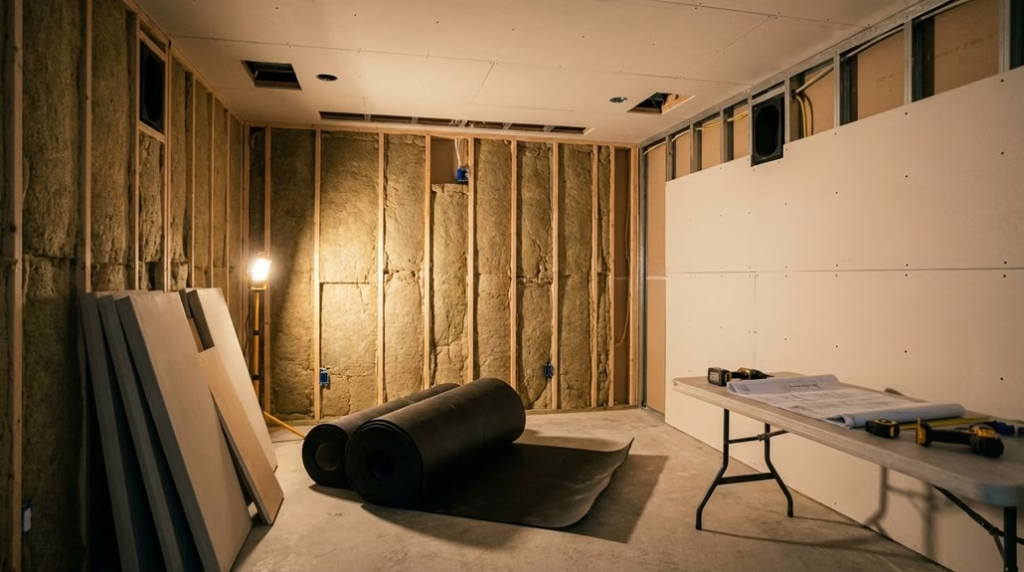
Soundproofing is an art that hinges on several core principles to effectively block and absorb noise. Increasing mass density by using thicker materials like 5/8″ drywall is essential. This approach blocks both airborne and low-frequency sounds. For sound absorption, install insulation within cavities to reduce mid and high-frequency noise, though mechanical decoupling is needed for low frequencies. Decouple elements by separating wall layers with air gaps, which prevents conduction paths that transmit sound through solid structures. Mechanical decoupling involves detaching wall components from surrounding structures to minimize sound transmission. Seal gaps with acoustic sealant and use flexible ducts to disrupt noise transfer. Furthermore, controlling resonance is critical; add dense materials and damping compounds to reduce unwanted vibrations. These principles guarantee your home theater minimizes noise escape and enhances audio clarity.
Walls and Ceiling Soundproofing Techniques
After understanding the core principles of soundproofing, let’s explore specific techniques for walls and ceilings that bring those principles to life.
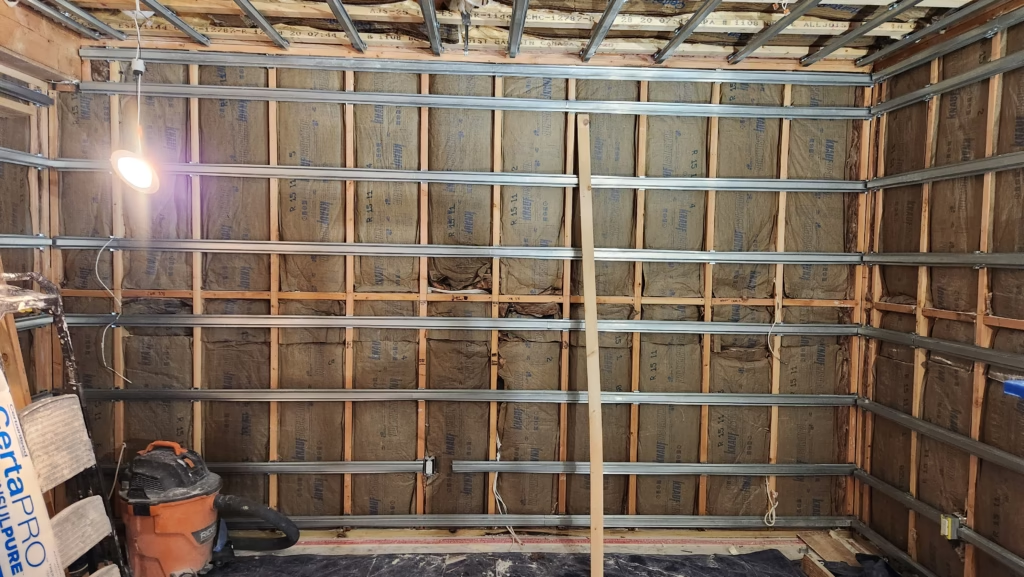
Floating wall systems are vital for reducing sound vibrations, as they decouple drywall from studs, creating an air gap that traps sound.
Double wall construction, involving two walls with a 1-inch air gap filled with insulation, greatly reduces sound transmission.
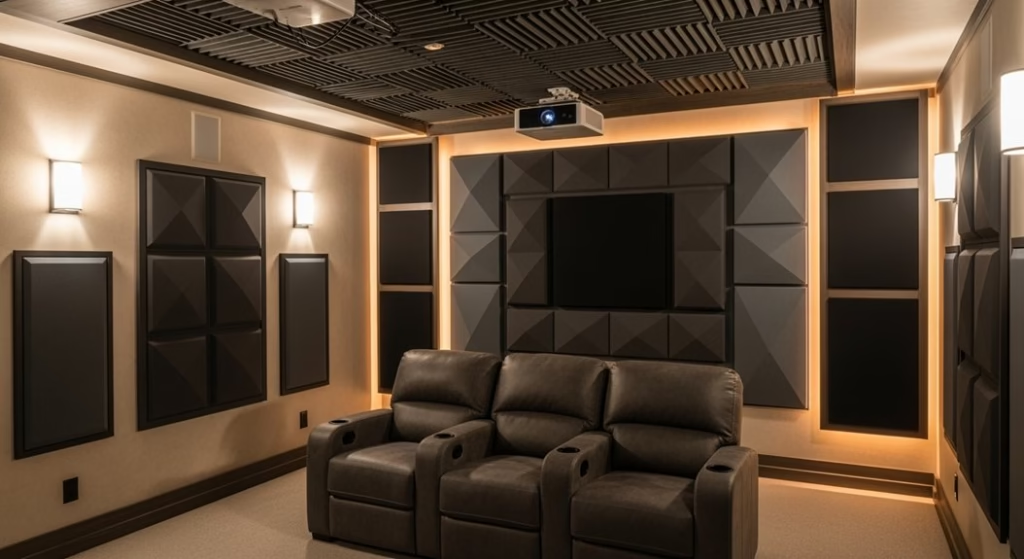
For added sound absorption, consider acoustic paneling on surfaces, which helps reduce echo and reverberation without structural changes.
Soundproofing not only enhances the home theater experience but also maintains a peaceful environment in the rest of the house, ensuring that loud sounds do not disturb other family members or neighbors.
Finally, sealing gaps is essential to prevent sound leakage. Use acoustic caulk around outlets and fixtures to maintain a sealed environment.
Insulation and Material Choices
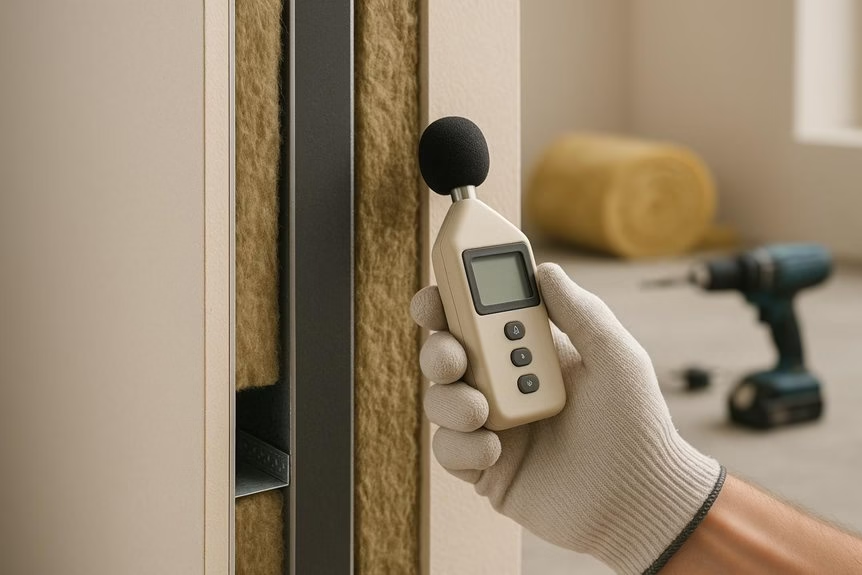
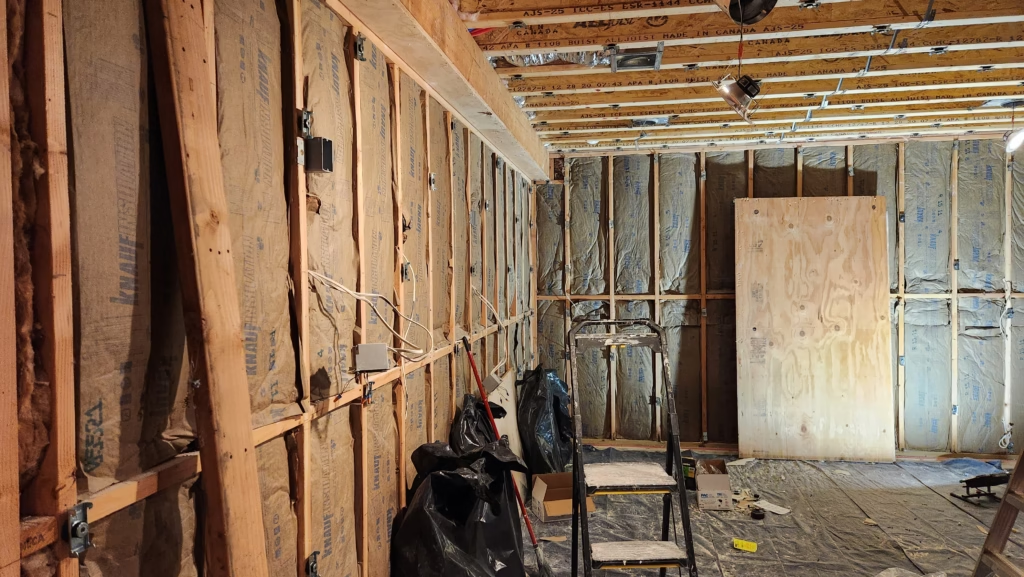
When you’re considering insulation for soundproofing your home theater, selecting the right materials is essential to achieving ideal acoustic performance. Standard fiberglass insulation is effective at absorbing mid- and high-frequency sounds, while mineral wool offers superior acoustic performance due to its higher density. Open-cell foam insulation is another option, especially for medium to high frequencies, as it converts sound energy into heat. Although closed-cell foam is less effective, eco-friendly insulation blends like cellulose can match fiberglass’s sound absorption capabilities. Look for materials with a high noise reduction coefficient (NRC) to reduce sound transmission effectively. To further enhance soundproofing, consider adding mass to surfaces as it helps reduce vibrations and sound transmission. Guarantee proper installation by fully filling wall cavities and sealing insulation boundaries to prevent sound leaks and maximize acoustic performance.
Acoustic Treatment and Room Acoustics
With the right insulation in place, it’s time to enhance your home theater’s acoustic environment through strategic treatment. Start by installing acoustic paneling made of foam, fiberglass, or fabric on walls, ceilings, and corners. These panels absorb mid and high frequencies, reducing echoes and reverberations, but don’t overdo it—too much absorption can lead to an overly “dead” sound. Balance is key. Incorporate sound diffusion to maintain a lively ambiance. Diffusers, with their irregular 3D surfaces, scatter sound waves evenly, preventing harsh echoes and keeping the room’s natural character. Place them on back walls or strategic points to complement absorption, ensuring your theater sounds clear yet immersive. Remember that room dimensions affect how sound waves behave, so tailor your approach accordingly to maximize effectiveness. This combination enhances your surround sound experience without compromising clarity.
Structural Considerations
Although soundproofing your home theater might seem intimidating, understanding the structural considerations simplifies the process considerably.
Start by focusing on floor isolation. If possible, build your theater on a concrete slab to naturally minimize sound transmission. For wood floors, use floor isolation pads to limit vibrations.
Door sealing is another critical aspect. Install soundproof doors with specialized seals to prevent sound leakage. Regular hollow-core doors just won’t cut it here.
Consider these tips:
- Room Dimensions: Use Sepmeyer Ratios for best acoustics and reduce unwanted reflections. Additionally, incorporate mass-loaded vinyl as an effective noise reduction material in your wall and ceiling construction.
- Ceiling Design: Decouple ceilings with resilient channels to block vibrations.
- Wall Construction: Double wall systems and soundproof insulation enhance sound isolation.

Cost and Practical Implementation
Understanding the structural considerations lays a strong foundation for your home theater, but grasping the costs and practical aspects of implementation is just as important. Budget constraints often dictate material choices, like opting for basic damped drywall and acoustic sealants for effective soundproofing. Installation challenges arise when room size impacts treatment needs, potentially increasing costs. Soundproofing a typical room can cost from $500 to $3,000, but extensive treatments may exceed $10,000. Materials like QuietRock or THX-approved panels offer superior performance yet strain budgets. Efficient sound isolation hinges on proper sealing and strategic panel placement. Labor costs further complicate budget management, especially with complex designs. Consider these factors carefully to balance cost and performance in your immersive entertainment space. A combination of soundproofing techniques such as absorption, blocking, damping, and decoupling can enhance sound isolation for a more immersive experience.
Frequently Asked Questions
What Are the Best Color Schemes for a Home Theater?
When choosing the best color schemes for a home theater, focus on color psychology and mood enhancement.
Opt for dark hues like black or navy blue to minimize light reflection and enhance immersion. These colors create a tranquil, focused atmosphere, perfect for movie nights.
Add deep reds or earth tones for warmth and a classic cinema vibe.
Coordinate seating with wall colors to maintain harmony and guarantee a cohesive, immersive experience.
How Can I Integrate Smart Home Technology in My Theater Setup?
Integrate smart home technology in your theater setup by using smart speakers for voice commands and automated controls.
Connect your TV, audio system, and lighting to a central hub for seamless operation.
Set up automated presets for different activities, ensuring your environment adjusts automatically for movie nights or gaming.
With smart technology, you’ll enjoy hands-free control and a personalized entertainment experience, enhancing convenience and immersiveness in your home theater.
What Are the Best Seating Arrangements for Optimal Viewing?
For the best seating arrangements, consider seating styles that enhance comfort and viewing angles.
Arrange seats in an arc or subtle curve, especially in multi-row setups, to guarantee equal viewing angles and reduce distortion. Angling seats slightly inward optimizes sightlines and audio immersion.
Confirm that each row maintains a minimum of six feet distance for comfort.
These strategies create an immersive experience for everyone, keeping the viewing enjoyable and strain-free.
How Do I Choose the Right Screen Size for My Room?
To choose the right screen size for your room, first measure your room dimensions.
Confirm the screen aspect matches your viewing needs—16:9 for HDTV or 2.35:1 for a cinematic feel.
Don’t let the screen width exceed wall space, and consider seating distance; aim for 1.5 to 2 times the screen’s diagonal.
Check your projector’s throw ratio to confirm compatibility.
This approach balances immersion and comfort, enhancing your viewing experience.
What Lighting Solutions Enhance the Theater Experience Without Causing Glare?
To enhance your theater experience without causing glare, focus on ambient lighting and glare reduction.
Position lights to avoid direct reflections on the screen. Use indirect lighting, like LED strips or cove lighting, to create a soft glow.
Install light diffusers and black reflectors to minimize harsh shadows. Dimmable lights and smart controls let you adjust brightness easily, ensuring a comfortable viewing environment with minimal distractions.
Conclusion
You’ve now laid the groundwork for a truly immersive home theater experience. By mastering soundproofing techniques and choosing the right materials, your room will be like a sanctuary, isolating you from the outside world. Remember, focusing on acoustics and structural elements is essential for achieving cinema-quality sound. With careful planning and attention to detail, your dream entertainment space is just a few steps away, ready to transport you to new worlds with every movie you watch.