The Managing Noise in Multi-Unit Buildings: Sound Solutions
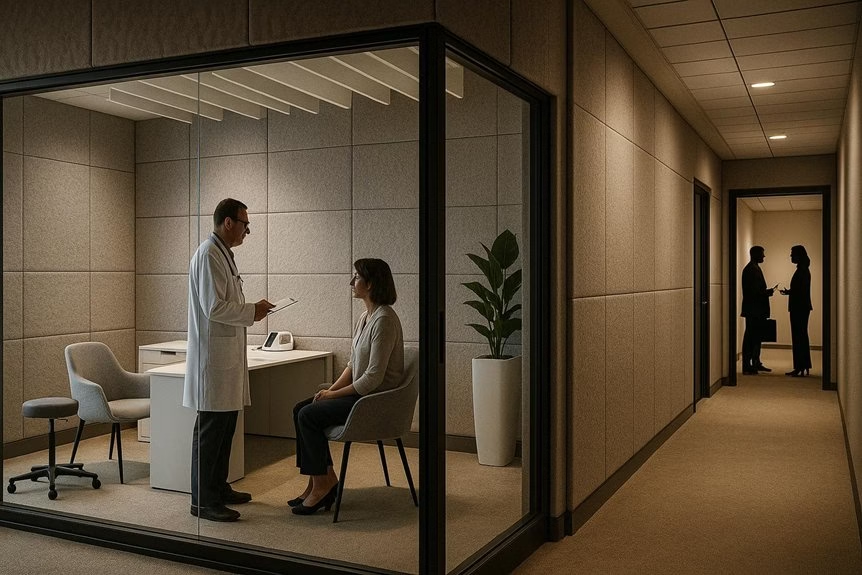
Managing noise in multi-unit buildings like condos and townhomes involves improving soundproofing techniques. Use acoustic materials such as rubberized membranes and cork underlayments to reduce impact noise. Enhance sound isolation with sound transmission control strategies like adding gypsum board or using resilient channels. Follow building code standards to manage noise effectively. Common noise complaints include footsteps and voices, so addressing these with proper soundproofing solutions is key. Learn about effective strategies to guarantee a peaceful living environment.
Key Takeaways
- Utilize resilient channels and flexible fasteners to reduce airborne and impact noises in walls and ceilings.
- Implement decoupling methods like staggered and double-stud walls for enhanced sound isolation between units.
- Add layers of gypsum board and fill cavities with glass fiber insulation to increase STC ratings.
- Apply acoustic materials such as rubberized membranes or cork underlayments to minimize impact noise from flooring.
- Install Mass Loaded Vinyl barriers to block airborne noise and improve sound isolation in shared walls.
Understanding Noise Levels and Variations in Urban Apartments
Understanding noise levels and variations in urban apartments is essential for managing comfort and health. As you navigate apartment living, you’ll notice how floor height affects noise perception.
Typically, noise levels increase from lower to mid-level floors and may decrease at upper floors. During the day, noise variations can be about 3 dB across floors, while nighttime differences might reach up to 5 dB. Wind effects also play a role, altering noise distribution vertically.
If you’re on higher floors, especially between the 11th and 20th, expect higher maximum noise levels compared to floors 4 through 10. These variations can distinctly impact how you perceive comfort in your home. Noise is classified as an unseen pollutant with significant health impacts, which highlights the importance of understanding and adapting to urban soundscapes effectively.
Sound Transmission Control in Wood-Frame Buildings
While traversing the complexities of noise levels in urban apartments, it’s important to address how sound transmission can be managed in wood-frame buildings. Sound isolation techniques and the right wall assembly design play vital roles in minimizing noise. Adding layers of gypsum board to walls increases their sound transmission class (STC) ratings, but to truly block sound, decoupling methods are necessary. Staggered and double-stud walls greatly enhance sound isolation by reducing direct sound pathways. Additionally, using resilient channels and flexible fasteners helps decouple wall layers, cutting down both airborne and impact noises. Proper installation is essential, as channels often fail if not correctly installed. Filling wall cavities with glass fiber insulation further absorbs sound, improving acoustic privacy. Addressing acoustical deficiencies during the design phase is critical for tenant/owner satisfaction, ensuring that noise issues are mitigated before construction begins.
Building Code Standards for Effective Noise Management
When managing noise in multi-unit buildings, adhering to building code standards is essential for effective sound control.
You need to incorporate noise insulation techniques like enhanced insulation and barrier systems to meet these standards. Regulatory compliance challenges arise when noise levels exceed 65 decibels, as additional sound attenuation becomes necessary. For zones with 65–70 Ldn, guarantee an extra 5 decibels of attenuation, while 70–75 Ldn zones require 10 decibels beyond standard construction. Building codes may also require central air conditioning to keep windows closed and reduce noise infiltration. Clearly outlining noise policies in lease agreements helps set clear expectations for tenants and landlords, ensuring compliance with noise management standards.
Verify that walls, floors, and ceilings meet minimum sound transmission class (STC) ratings. Following these standards guarantees noise management compliance and enhances resident comfort.
Common Sources of Noise Complaints in Multi-Unit Residences
Managing noise in multi-unit buildings not only involves adhering to building codes but also addressing common sources of noise complaints from residents. Neighbor disturbances frequently arise from daily activities like voices, TVs, and music, affecting 13.2% of residents. Impact noise, such as footsteps and furniture scraping, disturbs 16.5% of occupants. Building regulations have introduced sound insulation requirements to mitigate the effects of neighbour noise, but often existing buildings do not comply due to age and construction errors. Children’s running and jumping can be especially disruptive, prompting expectations for quiet throughout the day. Building installations, like ventilation systems and plumbing, also contribute to noise issues, affecting 4.5% to 8.9% of residents. Stairwells and elevators can disturb 10.5% of occupants. Flooring choices, like hard surfaces, amplify impact noise, especially from high heels or boots. Addressing these common noise complaints is essential for maintaining a peaceful living environment.
Implementing Physical Soundproofing Solutions
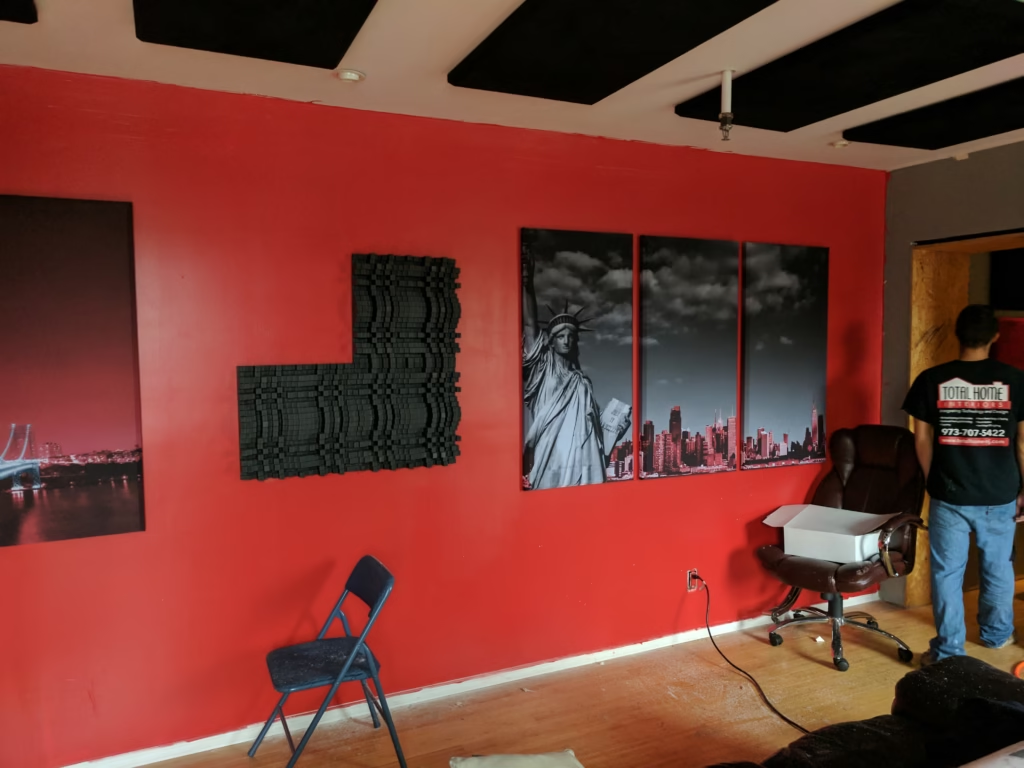
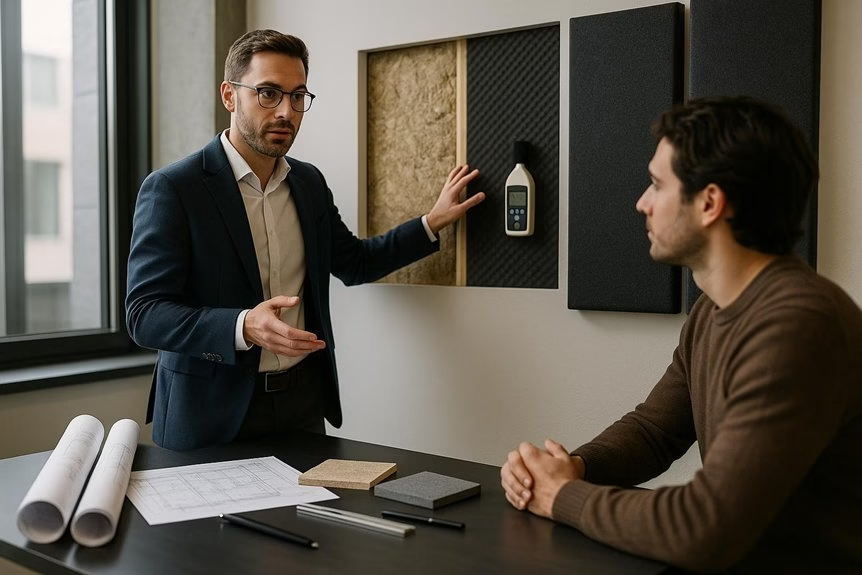
To effectively manage noise in multi-unit buildings, implementing physical soundproofing solutions is key. Start with acoustic materials like rubberized membranes or cork underlayments beneath flooring to reduce impact noise. High-performance products such as floorMuffler® UltraSeal offer noise reduction and moisture protection, suitable for various flooring types. For walls, integrate Mass Loaded Vinyl barriers to block airborne noise, and use double-stud construction for better isolation. Enhance ceilings by adding mass with layers of drywall and employ structural techniques like resilient channels to minimize vibration transfer. Structural isolation techniques, such as floor joist isolators and lightweight gypsum toppings, prevent noise transmission through the building. Soundproofing is crucial for creating a productive and comfortable living environment by reducing distractions and stress caused by excess noise. These strategies, combined thoughtfully, create a quieter and more comfortable living environment for all residents.

Frequently Asked Questions
Can Noise-Canceling Headphones Effectively Reduce Noise in Multi-Unit Buildings?
You can effectively reduce noise in multi-unit buildings with noise-canceling headphones, particularly for steady, low-frequency sounds like HVAC hums or distant traffic.
The effectiveness hinges on achieving a proper seal around your ears to prevent sound leakage. They excel in noise reduction for continuous ambient noise but struggle with sudden, irregular sounds.
These headphones provide a targeted solution for improving your auditory environment without requiring structural changes to your living space.
How Does Natural Soundscaping Impact Noise Management in Condos?
Did you know that strategic landscaping can reduce noise levels by up to 50%?
When you incorporate natural barriers like dense foliage and outdoor elements such as bamboo walls, you effectively manage noise in condos. These natural barriers disrupt sound waves and absorb vibrations, enhancing acoustic comfort.
What Role Does White Noise Play in Reducing Perceived Noise Disturbances?
You might find white noise machines useful in reducing perceived noise disturbances.
They create a consistent background sound, which masks sudden noises and speech, making them less noticeable. This helps your brain relax by minimizing its response to unexpected sounds.
When you use a white noise machine, it can improve your sleep quality and reduce anxiety by providing a stable auditory environment, so you’re less disturbed by external noises.
Are There Cost-Effective Smart Home Solutions for Noise Monitoring?
Imagine having a vigilant guardian listening to the whispers of your home.
Yes, cost-effective solutions exist, integrating noise sensors with smart apps to monitor sound like a hawk.
You can cut through the chaos with low-power devices and data-efficient methods that won’t burn a hole in your pocket.
These smart systems provide real-time insights and automated alerts, so you’re always one step ahead in maintaining tranquility without breaking the bank.
How Can Community Events Help Address Noise Concerns Among Tenants?
You can address noise concerns by organizing community events that enhance community engagement and tenant collaboration.
These events provide a platform for open discussions about noise issues, fostering understanding and empathy among residents. By participating in such gatherings, you build personal relationships that encourage tolerance and cooperative problem-solving.
Additionally, you can learn about noise reduction strategies through workshops and demonstrations, empowering everyone to contribute to a quieter, more harmonious living environment.
Conclusion
You’ve grasped the chaos of urban noise and its relentless assault on your peace. Yet, armed with soundproofing strategies, you’re not just surviving; you’re thriving! With each decibel tamed, your sanctuary becomes a fortress of tranquility. Wood-frame buildings and building code standards? You’ve mastered them all! No more mysterious thumps or phantom footsteps to disturb your zen. In this battle against noise, you’re the undefeated champion, turning cacophony into a symphony of silence.