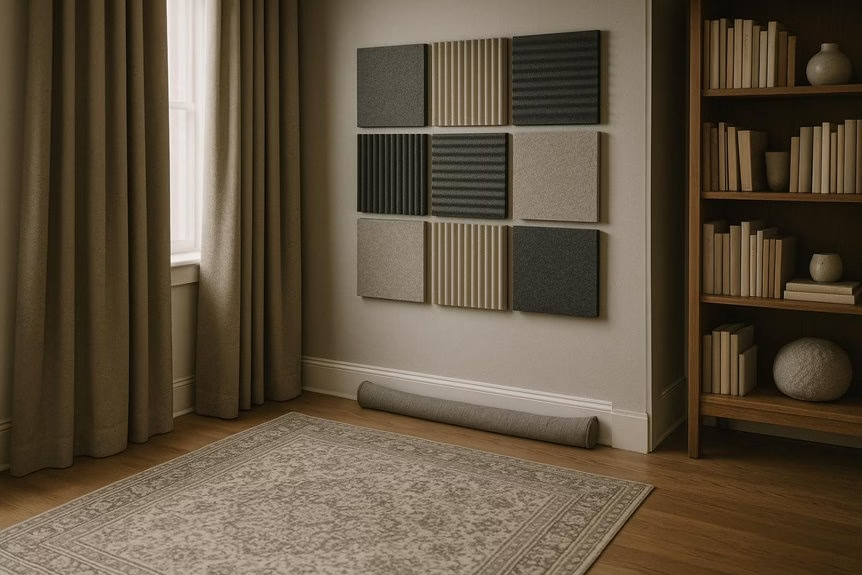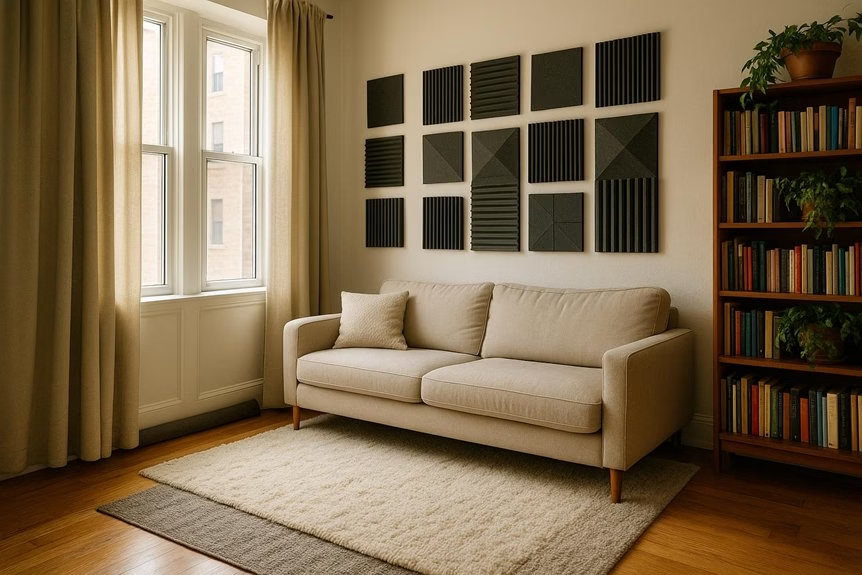
For renter-friendly noise reduction, the biggest gains usually come from sealing air gaps around outlets, trim, pipes, and HVAC penetrations, then improving windows and doors with better perimeter sealing and door sweeps. But when noise problems persist—especially through shared walls, ceilings, or exterior windows—professional soundproofing solutions make the real difference. At Total Home Interiors, we help clients across West Orange, NJ, Jersey City, Hoboken, and NYC identify where sound is entering and recommend proven solutions such as mass-loaded vinyl, upgraded wall assemblies, acoustic drywall, and custom acoustic treatments. Acoustic panels can reduce echo and improve comfort within a room, but they do not stop neighbor noise on their own. For homeowners and apartment residents who want meaningful, lasting results, expert design and installation are often the most effective path.
Key Takeaways
- Seal outlets, baseboards, trim, and utility penetrations with acoustical sealant or putty to reduce the sound leaks many renters overlook, but understand that meaningful soundproofing typically requires a professionally planned system.
- Weatherstrip windows and doors, add door sweeps, and consider acoustic window inserts to help limit street, hallway, and neighboring unit noise where full window replacement is not possible.
- Increase sound control on shared walls with renter-friendly mass-loaded vinyl solutions or substantial furnishings, though stronger results usually come from professionally designed wall assemblies that add mass and reduce vibration transfer.
- Use thick rugs with dense pads to help soften impact noise from above, and add sound masking such as white or brown noise to make remaining disturbances less noticeable.
- Install acoustic panels at reflection points to reduce echo and improve comfort inside the apartment, keeping in mind that acoustics treatments improve sound quality but do not fully stop sound transmission.
Seal the Biggest Apartment Sound Leaks
Before adding rugs or acoustic panels, start by sealing the most common sound leaks: small gaps around outlets, baseboards, window and door trim, and utility penetrations. Even minor openings can let in more sound than expected.
Check outlet bypasses, inspect the edges of baseboards, and seal areas where trim meets drywall with the appropriate acoustical products.
Also look closely at HVAC penetrations, wire openings, and pipe paths through walls or ceilings. These weak points can allow both airborne noise and vibration to pass through, especially around sleeves and escutcheon plates.
Basic foam is rarely enough for meaningful noise control. For better long-term performance, flexible acoustical sealants and putty are typically more effective because they maintain an airtight seal over time.
Because traffic noise often enters through window and door gaps, improving these seals can also support thermal resistance and reduce drafts.
While these small improvements can help reduce noise, they rarely solve apartment sound problems on their own. In condos, apartments, and attached homes throughout Jersey City, Hoboken, and NYC, the biggest results usually come from a professional soundproofing strategy that addresses the full assembly of the wall, ceiling, floor, or window—not just the visible gaps.
Total Home Interiors designs and installs custom soundproofing solutions that target the true source of noise transfer for a quieter, more comfortable home.
Soundproof Apartment Windows and Doors
Once the obvious air gaps are addressed, the biggest weak points are usually your windows and doors. In apartments and condos throughout Jersey City, Hoboken, and NYC, these openings are often the main path for street noise, hallway sound, and neighboring units.
For windows, true sound reduction typically requires more than a basic DIY fix. Professionally installed acoustic window inserts can significantly reduce outside noise, especially on older or single-pane windows, while maintaining natural light and the look of the room. Acrylic inserts work well because acrylic flexing helps absorb sound energy better than standard glass in many window applications. Proper perimeter sealing is also critical—if the frame isn’t sealed correctly with the right acoustic materials, even a high-quality insert will underperform.
For homeowners dealing with persistent traffic, construction, or city noise, Total Home Interiors designs custom soundproofing solutions that address the full window assembly rather than relying on temporary add-ons.
Doors are another common source of sound leakage, particularly hollow-core interior doors and apartment entry doors with unsealed edges. Adding a door sweep and perimeter seals can help limit noise transfer, but lasting performance depends on choosing the right materials and ensuring a precise fit.
In more demanding environments, a custom soundproof door treatment or upgraded door assembly may be the better solution. Total Home Interiors helps clients throughout West Orange and the Tri-State area identify where noise is entering and recommend professional-grade treatments that deliver better privacy, comfort, and day-to-day quiet.
Add Wall Mass With MLV and Furniture
If noise is still coming through a shared wall, adding mass is often the next step—but the biggest improvements usually come from a professionally planned soundproofing system, not piecemeal DIY fixes.
Temporary measures can help reduce some audible spill, but performance depends heavily on coverage, sealing, and the wall’s existing construction.
Mass-loaded vinyl can improve wall density when installed as a continuous layer, and placement details matter.
Because low-frequency sounds are often missed in standard tests, wall upgrades that only address mid and high frequencies may still leave bass-heavy noise noticeable.
Small gaps, exposed seams, and incomplete edge coverage can all reduce effectiveness.
A full bookshelf loaded with books or décor can also add some mass along the same wall and may help slightly with resonance compared to a light, empty unit.
For homeowners and apartment residents in West Orange, Hoboken, Jersey City, and NYC dealing with neighbor noise, TV bleed, or conversation transfer, Total Home Interiors designs custom wall soundproofing solutions using proven materials like MLV, acoustic drywall, and advanced wall assemblies for more reliable results than temporary surface treatments alone.
Reduce Upstairs Noise With Rugs and White Noise
When upstairs footsteps keep interrupting your sleep or focus, rugs and white noise can help reduce how noticeable the disturbance feels—but they’re only partial measures.
Thick area rugs with dense rug pads may soften some impact noise from above, and white or brown noise can mask part of the remaining sound in your room.
These rental-friendly steps are often worth trying, but they don’t stop structure-borne noise at its source.
Adding soundproof underlay beneath rugs can further help absorb vibrations and reduce some impact noise between floors.
For a more meaningful reduction, impact noise typically requires a professional soundproofing approach at the ceiling or floor assembly.
Total Home Interiors designs custom solutions for homes and apartments throughout West Orange, Jersey City, Hoboken, and the greater NYC area, using proven materials and construction methods to limit noise transfer between levels.
If upstairs footsteps are a constant issue, the most effective path is a professionally planned soundproofing system rather than relying on soft furnishings alone.
Use Acoustic Panels to Cut Echo
Acoustic panels can make an apartment or condo sound noticeably calmer by reducing echo and harsh reverberation that exaggerate everyday noise. While panels are designed to improve acoustics rather than fully soundproof against neighbors, they can make speech clearer, media more enjoyable, and the room feel more comfortable overall.
For the best results, professional placement matters. Panels are often installed at first reflection points on side walls, and ceiling treatments can further soften the sharpness of footsteps, voices, or music reflecting through the space. In many interiors, a distributed treatment plan with multiple properly positioned panels delivers a more balanced result than relying on a single large panel. Choosing panels with a high NRC rating can also improve sound absorption and help control reflections more effectively.
At Total Home Interiors, we design and install premium acoustic solutions for homes and apartments throughout West Orange, NJ, Jersey City, Hoboken, and the NYC area. Our fabric-wrapped acoustic panels and ceiling treatments are selected for both performance and aesthetics, helping clients reduce echo, improve speech clarity, and create a quieter, more refined environment.
When noise problems go beyond echo, we can also recommend true soundproofing solutions for walls, ceilings, floors, and windows.
Frequently Asked Questions
Can Renters Soundproof Without Risking Their Security Deposit?
If you’re renting, low-risk noise reduction options can help, but true soundproofing without deposit concerns usually means avoiding DIY products that may damage walls, windows, or trim.
Removable weatherstripping, rugs, curtains, and other temporary measures may reduce some noise, but results are often limited.
For meaningful improvement—especially in apartments and condos dealing with street noise, neighbor noise, or privacy issues—it’s best to consult an acoustic professional before making changes.
Total Home Interiors helps clients across West Orange, NJ, Hoboken, Jersey City, and NYC evaluate lease-friendly solutions and identify when professional soundproofing or acoustic treatment is the smarter long-term investment.
How Much Does Apartment Soundproofing Usually Cost?
Apartment soundproofing costs typically start around a few hundred dollars for basic DIY fixes, but professionally designed solutions are a very different investment.
For many apartments, simple add-ons like panels and rugs may fall in the $300–$500 range, while true soundproofing—addressing walls, ceilings, windows, and doors to reduce neighbor or street noise—often ranges from about $500 to $2,500+ per room depending on construction, materials, and labor.
Because apartment size, noise source, and building conditions all affect pricing, room-by-room costs can vary significantly.
At Total Home Interiors, we help homeowners in West Orange, Hoboken, Jersey City, and NYC evaluate the most effective approach, using premium materials and professional installation to deliver better long-term noise control, privacy, and overall ROI than temporary DIY measures.
Which Sounds Are Easiest Versus Hardest to Block in Apartments?
High-frequency sounds like voices, TV chatter, and clinking dishes are typically the easiest to reduce in apartments because they respond well to the right acoustic materials and insulation strategies.
The more difficult noises are low-frequency and impact sounds, such as bass, footsteps, slamming doors, and plumbing vibration, because they travel through the building structure itself.
Controlling those sounds usually requires professional soundproofing methods like added mass, airtight sealing, decoupled wall or ceiling assemblies, and dense underlayments rather than basic foam products alone.
Do Landlord Permissions Matter for Removable Soundproofing Products?
Yes—landlord permission can matter, even for removable soundproofing products.
Before adding anything that adheres to walls, mounts to ceilings, or changes doors, windows, or other surfaces, review your lease and get rental consent when needed.
Some temporary products may be considered lease-friendly, but building rules often vary.
For apartments and condos in places like NYC, Hoboken, and Jersey City, it’s smart to choose flexible, non-invasive options carefully—and for more effective, long-term noise control, consult a professional soundproofing specialist like Total Home Interiors to avoid fees, disputes, or lost deposits.
How Long Does It Take to Notice Soundproofing Improvements?
You’ll often notice some soundproofing improvement quickly, but the full result depends on the solution installed. Soft furnishings like rugs or heavier drapery may make a room feel calmer within a day, while professionally installed upgrades such as door seals, acoustic panels, upgraded wall assemblies, or window soundproofing typically become more noticeable as soon as installation is complete.
In many homes and apartments across West Orange, Hoboken, Jersey City, and NYC, the clearest difference shows up during quiet evening or early morning hours, when background noise drops and remaining sound transfer is easier to identify.
Layered, professionally designed soundproofing solutions usually deliver the fastest and most consistent improvement, especially for street noise, neighbor noise, and work-from-home privacy.
Conclusion
You don’t have to live with constant apartment noise—but the most effective results usually go beyond temporary DIY fixes. While sealing gaps, improving doors and windows, and adding soft furnishings can help reduce everyday sound, lasting noise control often requires a professional soundproofing strategy built for the way sound actually travels through walls, ceilings, floors, and window systems. At Total Home Interiors, we design custom acoustic and soundproofing solutions for apartments, condos, and urban homes throughout West Orange, Jersey City, Hoboken, and the greater NYC area—helping homeowners improve sleep, privacy, and work-from-home focus with high-performance materials and expert installation. If noise is affecting your comfort and productivity, the right solution can make your space feel dramatically more private and peaceful.