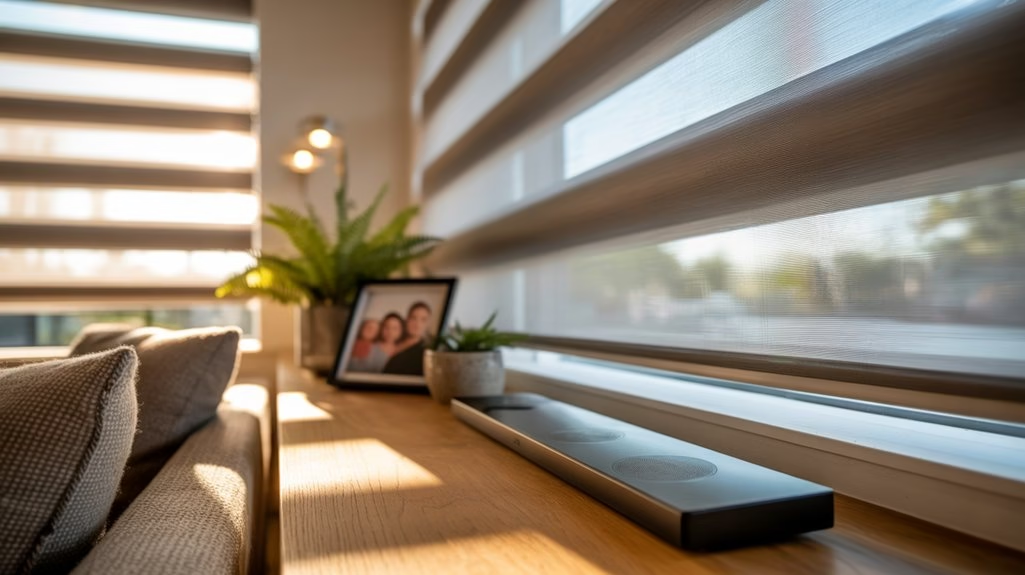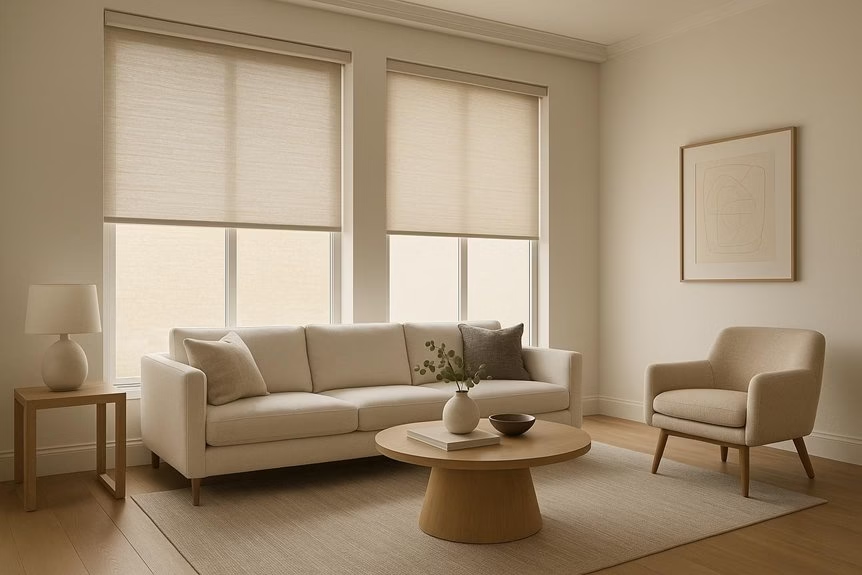
Battery-powered motorized shades are usually the better choice for existing homes, condos, and apartments in NYC, Hoboken, Jersey City, and throughout North Jersey because they deliver clean installation without opening walls for new wiring—an ideal solution when you want better privacy, light control, and smart convenience with minimal disruption. Hardwired motorized shades are typically the better fit for new construction, major renovations, large-scale window treatment projects, and oversized or floor-to-ceiling windows, where long-term reliability and seamless integration with a whole-home automation system matter most. The simplest way to think about it: battery shades are best for easy retrofits, while hardwired shades are best for performance, scale, and fully integrated smart home control.
Key Takeaways
- Battery-powered motorized shades are often the better choice for retrofits, condos, apartments, and brownstones across NYC, Hoboken, and Jersey City, where opening walls or adding concealed wiring may be disruptive, restricted, or impractical.
- Hardwired motorized shades are typically the preferred solution for new construction, full-home renovations, and luxury projects where wiring can be planned early for a cleaner, more integrated installation.
- Hardwired shades provide constant power, dependable performance, and less ongoing maintenance since there is no need to manage charging schedules or replace batteries over time.
- Battery-powered shades can continue operating during many power outages, while standard hardwired systems usually require backup power to maintain functionality.
- For larger smart home environments, hardwired systems often deliver stronger centralized control, more consistent synchronization, and better performance for multiple shade groups or oversized window treatments—especially when integrated with premium platforms like Lutron, Somfy, or Hunter Douglas PowerView.
Battery vs Hardwired Shades: Which Fits Your Home?
While both battery-powered and hardwired shades can deliver elegant automated light control, the best fit depends on your home’s infrastructure, window scale, and long-term performance goals.
In many existing homes, condos, and apartments throughout West Orange, Hoboken, Jersey City, and NYC, battery-powered shades are often the most practical solution because they avoid opening walls for concealed low-voltage wiring.
Battery shades can work well when homeowners want a cleaner retrofit process with minimal disruption.
However, for larger or heavier shades—especially expansive windows or floor-to-ceiling applications—hardwired systems are typically the more robust choice.
Constant power supports smoother operation, stronger performance, and greater reliability over time.
Maintenance is another important consideration: battery-powered shades require periodic recharging or battery replacement, while hardwired systems eliminate that ongoing upkeep.
For whole-home privacy, light control, and smart home integration, professionally designed hardwired systems also tend to offer more seamless synchronization across multiple windows.
They can also make energy-saving automation easier by supporting programmed scenes such as summertime mode that close shades during the hottest parts of the day.
At Total Home Interiors, we help homeowners choose the right motorized shade solution based on window conditions, control goals, and the level of convenience they expect from a premium automated window treatment system.
How Battery Motorized Shades Work
Battery motorized shades offer a clean, wire-free way to add privacy, light control, and smart home convenience without opening walls for electrical work. These systems use a rechargeable lithium-ion battery, typically concealed within the headrail or a motorized wand, helping preserve a polished look while simplifying installation. Similar to smart sensors used in modern home systems, some automated window treatment setups can be integrated into broader smart home routines for more responsive daily control.
Once the mounting brackets and headrail are in place, the shades operate wirelessly by remote, app, or smart home integration, depending on the system. Premium solutions from brands like Lutron, Somfy, and Hunter Douglas PowerView can also control multiple shades at once, making them ideal for bedrooms, living spaces, and apartments where convenience and privacy matter.
Battery-powered shades offer wireless control and seamless privacy, with premium systems capable of operating multiple windows at once.
For most homes, the battery only needs recharging a few times per year, depending on shade size, daily use, and window placement. Battery-powered operation also allows the shades to continue working during a power outage, which adds reliability many homeowners appreciate.
While battery shades are easier to install than hardwired systems, professional planning still matters—especially when selecting the right product for large windows, frequent use, or full smart home integration. Total Home Interiors helps homeowners across West Orange, NJ and the Tri-State area choose and install automated window treatments that balance performance, aesthetics, and long-term convenience.
How Hardwired Motorized Shades Work
Hardwired motorized shades connect directly to your home’s electrical system, so each shade has constant power instead of depending on a rechargeable battery. In everyday use, that means reliable operation, consistent performance, and seamless control through wall keypads, remotes, or integrated smart home systems. They can also support centralized control, making it easier to coordinate shades with lighting and other connected electronics throughout the home.
Because these shades require low-voltage wiring at each window, they’re typically the best fit for new construction, major renovations, or projects where walls are already open. With dedicated power, hardwired systems often deliver smoother movement and are especially well suited for larger or heavier window treatments. They also eliminate the ongoing hassle of charging or replacing batteries.
For homeowners investing in a clean, fully integrated window treatment solution, hardwired shades offer a polished, long-term option. The main consideration is planning: proper wiring should be coordinated early with a professional installer. And like most powered systems, they’ll not operate during a home power outage unless backed by additional power solutions.
What Do Battery vs Hardwired Shades Cost to Install?
How much you’ll spend depends largely on whether you choose battery-powered or hardwired motorized shades. In most homes and apartments across West Orange, Hoboken, Jersey City, and NYC, battery-powered shades cost less to install because they typically don’t require new low-voltage wiring or electrical work.
Installation is usually faster as well, often taking about 15–20 minutes per window, making battery systems a practical choice for existing spaces where preserving finished walls is important. You’ll simply need to recharge the built-in batteries a few times per year.
Hardwired motorized shades usually involve a higher upfront investment. These systems often require a dedicated power connection and, depending on the home, an electrician may be needed to install the proper outlet or wiring point.
Labor can also increase when wires must be concealed for a clean, design-forward finish. That said, hardwired shades are often preferred in larger homes, new construction, and premium smart home projects because they offer continuous power and reduce the need for ongoing battery maintenance.
At Total Home Interiors, we help clients throughout the Tri-State area choose the right automated window treatment solution based on layout, wiring access, privacy needs, and long-term convenience. Like other smart home upgrades, cost-effective planning can improve long-term satisfaction, especially when energy efficiency and maintenance needs are part of the decision.
Which Motorized Shades Work Best for Large Windows?
When you move from installation cost to everyday performance, window size becomes one of the biggest factors.
For large windows, floor-to-ceiling glass, or heavier shade fabrics, hardwired or low-voltage motorized shades typically deliver the most reliable results.
Continuous power helps the motor operate more smoothly, which is especially important when covering oversized openings or when you want multiple shades to raise and lower in perfect alignment.
Continuous power delivers smoother motor performance, especially on oversized windows or when multiple shades must stay perfectly aligned.
Battery-powered shades can still be a good option, but only when the shade stays within the manufacturer’s size and weight limits.
On wider windows, that may mean dividing the opening into multiple shade panels rather than forcing a single oversized treatment.
For homeowners in NYC, Hoboken, Jersey City, and across Northern New Jersey, this is often the difference between a system that simply works and one that feels truly seamless every day.
Hardwired systems are often the better long-term choice when clients want dependable operation, clean integration, and coordinated movement across expansive glass.
Battery models can simplify installation, but larger-window applications usually benefit from professional planning—especially when integrating premium systems like Lutron, Somfy, or Hunter Douglas PowerView for convenient control, privacy, and light management.
For homes with expansive glass in noisy areas, adding acrylic window inserts can also help reduce outside sound while preserving privacy and comfort.
Which Motorized Shades Need Less Maintenance?
If minimizing upkeep is your priority, hardwired motorized shades are typically the lower-maintenance option. Once professionally installed, they run from your home’s electrical system, so you won’t need to manage charging schedules, replace batteries, or keep backup power supplies on hand.
For homeowners in West Orange, Hoboken, Jersey City, and NYC who want dependable privacy and light control with the least day-to-day attention, hardwired shades often provide the simplest long-term ownership experience.
Like choosing durable optimal materials in home theater soundproofing to reduce long-term maintenance, hardwired shades can help minimize ongoing upkeep over time.
Battery-powered shades can still be a good fit, especially where wiring access is limited, but they do require ongoing maintenance. That may include:
- Recharging battery packs about 2–3 times per year with moderate use
- Replacing batteries roughly every 1–2 years, depending on shade size and usage
- Making sure batteries start fully charged or at maximum capacity for best performance
Even when battery-powered shades include emergency backup options, they still need recurring attention over time.
If your goal is a cleaner, more seamless smart home experience with less routine maintenance, professionally installed hardwired shades are usually the better choice.
What Happens During a Power Outage?
During a power outage, battery-powered motorized shades typically continue operating, while standard hardwired shades usually stop until household power is restored.
For homeowners in West Orange, Hoboken, Jersey City, and NYC who rely on automated window treatments for privacy, light control, and daily convenience, that difference can matter.
Battery-powered shades use an internal rechargeable battery, so a utility outage doesn’t immediately interrupt operation.
Battery-powered shades keep working through outages because their internal rechargeable battery continues powering operation.
Hardwired shades, by contrast, depend on your home’s electrical system, which means they generally become unavailable during an outage.
The tradeoff is that hardwired systems eliminate routine charging during normal use, while battery models depend on the amount of charge available when the outage begins.
In areas affected by heavy traffic noise, pairing shades with double-pane windows can also improve comfort by helping reduce outside sound and drafts.
If dependable shade control during outages is a priority, battery-powered shades are often the better fit.
At Total Home Interiors, we help clients choose the right motorized shade solution based on performance, reliability, and smart home integration—not just convenience on paper.
How Motorized Shades Work With Smart Homes
Smart home compatibility is one of the biggest differences between battery-powered and hardwired motorized shades. Battery shades typically connect through wireless pairing using a remote, bridge, or hub, which can make them a practical option when you want smart control without opening walls. Hardwired shades, by contrast, tie into low-voltage infrastructure for more consistent centralized performance across the home.
- Both battery and hardwired systems can integrate with platforms like Alexa, Google Home, Siri Shortcuts, SmartThings, Control4, and IFTTT, depending on the shade brand and control system.
- Battery-powered shades may require more maintenance over time, especially in larger windows or homes running frequent schedules, scenes, and daily automations.
- Hardwired shades stay on constant power, which typically supports more dependable operation for synchronized scenes, wall keypads, touch panels, and whole-home shade control.
Much like choosing between DIY and professional upgrades, NJ homeowners often weigh convenience and long-term reliability against upfront cost, especially when professional installation can reduce errors and improve performance. For homeowners investing in smart home convenience across multiple rooms, hardwired motorized shades often provide the smoothest long-term experience. At Total Home Interiors, we help clients throughout West Orange, NJ and the Tri-State area select and integrate premium shading solutions that balance privacy, light control, and reliable smart home performance.
When Battery Motorized Shades Make Sense
Battery-powered motorized shades are often the best fit when you want automated privacy and light control without opening finished walls or running new electrical wiring.
For many retrofit projects in existing homes, condos, and apartments throughout the Tri-State area, they provide a cleaner installation path while still delivering the convenience of professional shade automation.
They’re especially useful in spaces where wiring access is limited, such as tall windows, stairwells, and certain skylight applications.
In these situations, professionally specified battery shades can preserve the design of the room while avoiding unnecessary disruption.
For rooms with several openings, a single remote or smart control setup can operate multiple shades together, making daily use simple and consistent.
With proper system design and usage planning, battery-powered shades typically require only occasional recharging.
Performance can vary based on shade size, daily use, and fabric selection, so choosing the right solution matters.
Like other budget-friendly projects that improve home comfort, battery-powered shades can be a practical solution for households seeking convenience without major renovation.
At Total Home Interiors, we help homeowners select and integrate premium motorized window treatments from trusted brands like Lutron, Somfy, and Hunter Douglas PowerView—ensuring reliable operation, polished installation, and seamless smart home convenience without the compromises of a DIY approach.
When Hardwired Motorized Shades Are Better
If you’re planning large, heavy, or floor-to-ceiling window treatments, hardwired motorized shades often provide the most reliable long-term performance.
For oversized shades and multi-shade installations, hardwired power delivers consistent torque, smoother movement, and better synchronization—especially important when you want several shades to rise and lower evenly across wide windows.
- You get true low-maintenance convenience, without worrying about battery changes or charging routines.
- You gain cleaner smart home integration with wall keypads, app control, touch panels, and systems like Lutron, Somfy, or Hunter Douglas PowerView.
- You get the most value from hardwired shades during new construction or major renovations, when low-voltage wiring can be planned properly from the start.
Like planning soundproofing during construction, wiring for hardwired shades early helps avoid costly retrofits and delivers a cleaner final result.
For homeowners in West Orange, NJ, and throughout the Tri-State area, hardwired motorized shades are often the better fit when privacy, light control, and seamless automation matter just as much as appearance.
They can also support specialized applications such as outdoor installations and code-conscious projects requiring dependable performance.
If you want refined operation, minimal maintenance, and a professionally integrated solution that works beautifully every day, hardwired shades are often the smarter investment.
Frequently Asked Questions
Can Motorized Shades Be Installed Without Replacing Existing Window Treatments?
Yes—motorized shades can often be installed without replacing your existing window treatments. Depending on the setup, retrofit motorization may be available for your current blinds, or new automated shades can be layered with drapes, valances, or shutters to preserve your existing design.
The right solution depends on window size, mounting clearance, and access to power or battery options, which is why a professional assessment is important.
Total Home Interiors helps homeowners across West Orange, NJ, and the Tri-State area add convenient, integrated shade automation with brands like Lutron, Somfy, and Hunter Douglas PowerView—without sacrificing style, privacy, or performance.
Are Motorized Shades Noisy When Opening or Closing?
Motorized shades are generally very quiet when opening or closing, especially with premium systems from brands like Lutron, Somfy, and Hunter Douglas PowerView. Most homeowners hear only a soft, low hum rather than anything disruptive.
Lower-quality or aging motors can be louder, but professionally specified and installed shades are designed to preserve comfort, privacy, and a calm indoor environment.
For homeowners in West Orange, Hoboken, Jersey City, and NYC, quiet performance matters just as much as light control. At Total Home Interiors, we help clients select automated window treatments that deliver smooth operation, smart home convenience, energy efficiency, and privacy—without adding unwanted noise to the room.
Do Motorized Shades Block as Much Light as Blackout Curtains?
Yes—motorized shades can block nearly as much light as blackout curtains when they’re specified with true blackout fabric and professionally fit to the window.
For the best room-darkening performance, details like side channels, precise measurements, and proper installation matter, since small perimeter gaps can still allow a slight glow.
In many homes across West Orange, Hoboken, Jersey City, and NYC, automated blackout shades deliver the darkness clients want along with cleaner lines, smart control, and a more refined look than traditional curtains alone.
Can I Schedule Shades Differently for Weekdays and Weekends?
Yes—automated shades can be scheduled differently for weekdays and weekends. At Total Home Interiors, we program custom window treatment schedules that match how you actually live, whether that means opening shades to morning light during the workweek, closing them for daytime privacy, or creating a later, more relaxed weekend routine.
Systems from Lutron, Somfy, and Hunter Douglas PowerView allow separate day-based scheduling, scene creation, and easy adjustments through an app, remote, or voice control. It’s a simple way to improve privacy, comfort, and convenience with professionally integrated smart shading.
Are Motorized Shades Safe for Homes With Small Children or Pets?
Yes—motorized shades are a safer choice for homes with small children or pets, especially when professionally installed and configured with cordless operation.
By eliminating dangling cords, they significantly reduce common entanglement and choking hazards associated with traditional window treatments.
Premium systems from brands like Lutron, Somfy, and Hunter Douglas PowerView also offer convenient control through remotes, wall keypads, timers, and smart home integration, helping limit unnecessary handling.
For the best results, controls, batteries, and accessories should still be kept out of reach, and installation should be completed by an experienced professional to ensure safe, reliable operation.
Conclusion
Choosing between battery-powered and hardwired motorized shades depends on your home, your priorities, and how you want your system to perform long term. For existing homes, condos, and apartments in places like Jersey City, Hoboken, and NYC, battery shades are often the simplest path to upgraded privacy, light control, and smart home convenience with minimal disruption. For new construction, major renovations, or larger window walls, hardwired shades typically offer a cleaner, lower-maintenance solution with consistent performance and seamless integration.
At Total Home Interiors, we help homeowners select the right automated window treatment system based on the space, wiring access, window size, and desired level of control. Whether you want flexible retrofitting or a fully integrated Lutron, Somfy, or Hunter Douglas PowerView solution, the best choice is the one that fits your lifestyle and is designed correctly from the start.