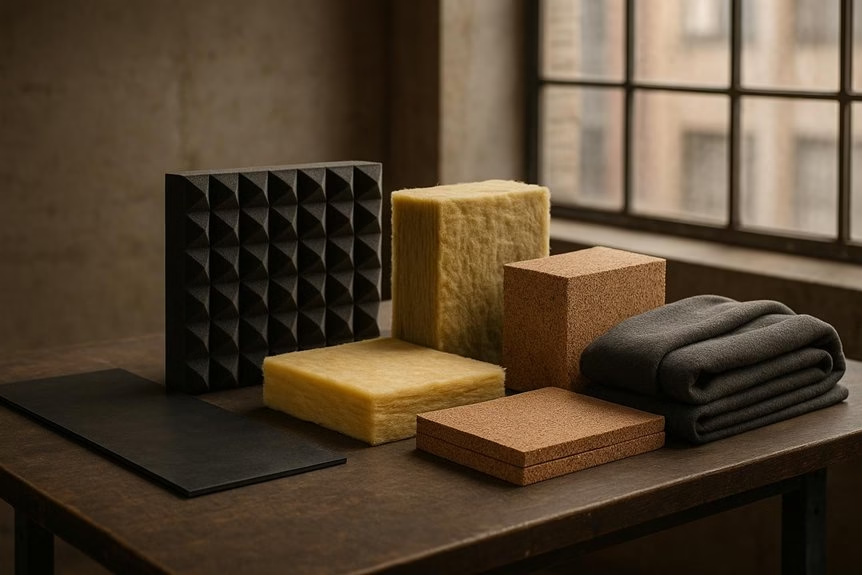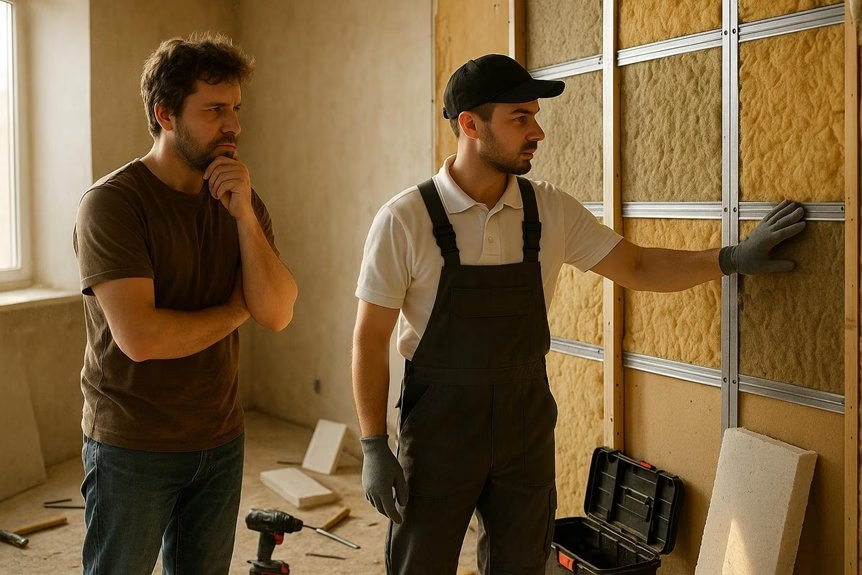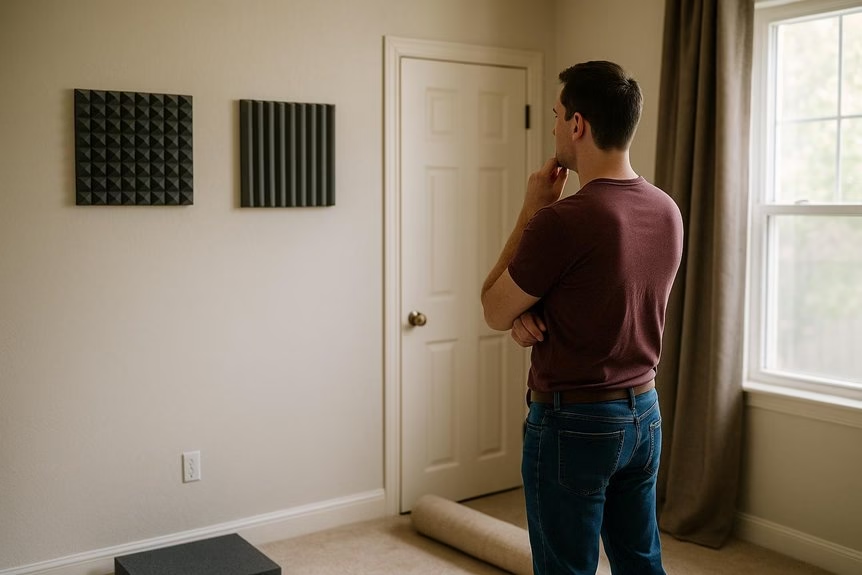
DIY soundproofing can be a reasonable first step when the problem is limited to light airborne noise and the main issue is small air leaks around doors, windows, outlets, and trim. A simple light test can reveal those gaps, and weatherstripping, acoustic caulk, and a properly fitted door sweep may deliver modest improvement. But foam panels will not stop neighbor noise, bass, traffic rumble, or footsteps—those problems typically require professional soundproofing strategies like added mass, damping, or decoupled wall and ceiling assemblies. If you’re weighing what’s realistic to try yourself versus what calls for an expert, the next sections explain where DIY ends and where Total Home Interiors can make a meaningful difference.
Key Takeaways
- DIY soundproofing can help with light airborne noise, especially if you start by sealing gaps around doors, windows, outlets, and other visible openings, but it rarely delivers the level of quiet most homeowners want from street, neighbor, or hallway noise.
- A simple light test around door and window perimeters can reveal air leaks before you invest in more materials, since even small gaps can undermine sound control.
- Foam panels are often misunderstood: they can reduce echo inside a room, but they do very little to block outside noise, shared-wall noise, or low-frequency bass transfer.
- More effective soundproofing usually requires professional-grade strategies such as added mass, airtight construction, damping compounds, and assembly upgrades using materials like 5/8-inch drywall, mass-loaded vinyl, and Green Glue.
- DIY methods often fall short when sound travels through the building structure, including studs, joists, ceilings, floors, plumbing lines, and shared walls, which is where custom soundproofing solutions from an experienced integrator like Total Home Interiors can make a measurable difference.
Which Noise Problem Do You Have?
Next, evaluate how airborne noise is getting into the room. The wall isn’t always the main culprit. In many cases, sound enters through weak points around doors, windows, frames, and other small openings. Pay close attention to door and window seals, especially if you notice higher-frequency street noise or hallway sound. In attached housing, checking for these leaks first can help you decide whether simple sealing will help or whether you may need more advanced assemblies designed to improve STC ratings.
A simple way to check is with a light test: turn the lights on outside the room, turn the room lights off, and inspect the perimeter of the door, including the bottom gap. Even narrow lines of light often indicate air gaps that can allow a surprising amount of sound to pass through.
At Total Home Interiors, we help homeowners and commercial clients across West Orange, Hoboken, Jersey City, and the greater NYC area diagnose these problems correctly before recommending premium soundproofing solutions. Proper identification is the first step toward creating a quieter, more private, and more comfortable space.
Is DIY Soundproofing Worth Trying?
Once you know whether the problem is airborne noise or impact noise, it becomes easier to see where DIY can help—and where professional soundproofing is the better investment. For lighter airborne noise, small DIY improvements may reduce some sound, but results are often limited without the right materials, construction methods, and installation details.
In most homes and apartments, the biggest gains come from adding mass, sealing air gaps, and, when needed, using decoupling techniques that DIY approaches usually can’t achieve effectively. Materials like 5/8-inch acoustic drywall and mass-loaded vinyl can help, but performance depends on how the full wall, ceiling, or floor assembly is built. Using Green Glue between drywall layers can also improve damping and increase overall sound isolation.
Foam panels, by contrast, mainly reduce echo inside a room rather than blocking noise transfer from neighbors or the street.
That’s why many homeowners in West Orange, Hoboken, Jersey City, and NYC turn to a professional acoustic specialist when noise is affecting sleep, privacy, or work-from-home comfort. At Total Home Interiors, we design custom soundproofing solutions for walls, ceilings, floors, and windows—helping clients get meaningful noise reduction instead of trial-and-error DIY results.
If impact noise like footsteps or structure-borne vibration is the issue, professional decoupling and construction strategies are typically essential.
Find Air Leaks Before Blaming Walls
Before blaming the walls, it’s important to identify where noise is actually entering the room. In many homes and apartments, airborne sound travels through small gaps around doors and windows long before the wall assembly is the main issue. That’s why visible seam leaks should be checked first.
A simple light test can help reveal problem areas. Turn off the room lights, leave the hallway or exterior light on, close the door, and look for light around the perimeter or at the threshold. If light is visible, sound is typically passing through as well. The same principle applies to window edges and frame-to-wall joints, where small cracks can significantly reduce privacy and comfort. Installing acoustic caulking and weatherstripping around these gaps can help reduce both drafts and incoming traffic noise.
While basic sealing products may offer limited improvement, lasting results usually require a more comprehensive approach. At Total Home Interiors, we evaluate whether the issue is caused by airborne noise, structural vibration, or a combination of both, then recommend the right solution—whether that involves sealing weak points, upgrading door assemblies, improving window performance, or integrating full soundproofing strategies for walls and ceilings.
For homeowners in West Orange, Jersey City, Hoboken, and throughout the Tri-State area, professional diagnosis often delivers better results than trial-and-error DIY fixes—especially when better sleep, privacy, and everyday quiet are the goal.
DIY Soundproofing Starts With Doors
Although many people assume the walls are the main issue, unwanted noise often enters through the door first. Small gaps around the frame and threshold can allow a surprising amount of airborne sound to pass, which is why door sealing is often the first step in improving room-to-room noise control.
That said, effective soundproofing rarely stops at DIY fixes alone. If noise from neighbors, hallways, or shared living spaces is a recurring problem, professional soundproofing solutions can address the full assembly—not just the visible gaps.
Effective soundproofing goes beyond DIY fixes when recurring noise calls for whole-assembly solutions, not just sealing visible gaps.
Total Home Interiors designs and installs custom noise-control systems for homes and apartments throughout West Orange, Hoboken, Jersey City, and the greater NYC area.
- A simple light test can reveal leakage points: turn off the room lights and leave the hallway lights on. If light shows at the sides or bottom of the door, sound is passing through those same openings.
- Sealing the perimeter with a flexible acoustic sealant and quality weather stripping can help reduce minor sound leaks around the frame.
- At the bottom of the door, a properly fitted door sweep can improve performance by closing the threshold gap more effectively than foam alone.
For the best results, the top, sides, and bottom of the door should all be sealed as part of a larger sound-control strategy. In more difficult cases, acoustic sealant around perimeters can also help prevent noise from spreading into adjacent walls and ceilings.
When noise issues are more severe, Total Home Interiors can recommend professional soundproofing options such as upgraded wall assemblies, acoustic drywall, decoupling methods, and other proven solutions designed for lasting privacy and comfort.
Reduce Window Noise With Seals and Covers
If outside noise is disrupting your sleep, work, or privacy, the first step is identifying where sound is getting in.
Even small gaps around a window frame can allow noticeable airborne noise to pass through, especially in apartments, condos, and homes near traffic-heavy streets.
Applying weatherstripping tape around window gaps can help reduce these noise leaks as a budget-friendly first step.
While basic sealing may offer a modest improvement, it rarely solves the full problem when noise is persistent.
At Total Home Interiors, we take a more effective, professional approach to window noise reduction.
Depending on the source and severity of the sound, solutions may include upgraded sound-isolating window assemblies, perimeter air-sealing, and custom-fit treatments designed to reduce noise transfer without compromising the look of your space.
For clients in West Orange, Hoboken, Jersey City, NYC, and across the Tri-State area, we design window-related soundproofing strategies that are tailored to the room, the building type, and the level of quiet you want to achieve.
Temporary covers or heavy curtains can slightly soften ambient noise, but they should be viewed as secondary comfort measures—not true soundproofing.
For meaningful results, professional evaluation and properly specified materials make the difference.
Total Home Interiors provides expert soundproofing solutions that help create quieter, more comfortable interiors with a premium finish.
Add Mass Where Foam Won’t Help
Acoustic foam may soften echo inside a room, but it does very little to stop noise transfer through walls, ceilings, and other shared surfaces. Real soundproofing depends on added mass, airtight construction, and vibration control.
Where DIY foam falls short, professional soundproofing makes the difference:
- Add density with upgraded wall assemblies, such as an additional layer of 5/8-inch drywall, to reduce airborne noise and limit vibration.
- Seal sound leaks around outlets, penetrations, and perimeter gaps with acoustical sealant, since even small openings can weaken overall wall performance.
- Incorporate high-mass barriers like mass loaded vinyl to improve noise blocking beyond what lightweight foam products can achieve.
Layering materials with mass-loaded vinyl and double drywall can further improve sound isolation by adding density and reducing vibration transfer.
If you want quieter interiors, the solution isn’t softer materials—it’s heavier, tighter, and better engineered construction.
Total Home Interiors designs and installs professional soundproofing systems for homes and commercial spaces across West Orange, NJ and the Tri-State area, helping clients reduce neighbor noise, street noise, and privacy issues with proven acoustic solutions.
When DIY Soundproofing Will Not Work
Even with the right materials in mind, DIY soundproofing has real limits. Acoustic foam, blankets, and curtains may reduce echo inside a room, but they do very little against sound traveling through walls, ceilings, and floors.
If you’re dealing with footsteps, plumbing noise, street traffic, bass, or loud neighbors, the issue is often structural sound transmission, not surface reflection.
That is where many DIY approaches fall short. Lightweight add-ons and basic sealing can’t stop noise moving through studs, joists, or shared building assemblies.
In these situations, effective soundproofing typically requires professional construction methods such as decoupled wall systems, acoustic drywall, mass-loaded vinyl, and specialized ceiling or floor assemblies designed to reduce vibration transfer. In particular, resilient channels can help decouple drywall from framing to limit structure-borne vibration.
Weather stripping and acoustic caulk can help address smaller gaps around doors, windows, and outlets, but they aren’t complete solutions when the building shell itself is carrying the noise.
For homeowners and apartment residents in West Orange, Hoboken, Jersey City, and NYC, lasting results usually come from a custom soundproofing strategy built around the specific source of the noise.
Budget for Small but Noticeable Gains
While low-cost DIY steps can reduce some noise at obvious leak points, they rarely address the construction issues that cause the biggest sound problems. For homeowners and apartment residents dealing with street noise, neighbor noise, or limited privacy, the most effective approach is to identify weak points first, then combine targeted sealing with professionally designed soundproofing solutions.
Start with doors and windows, since even small perimeter gaps can let in a surprising amount of sound. Basic weatherstripping, door sweeps, and careful sealing around frames may offer modest improvement. Heavy curtains and carpets can also provide sound absorption while helping reduce reflections and some outside noise at a relatively low cost.
Outlet and switch box gaps can also be sealed carefully, but these measures should be viewed as minor upgrades, not complete soundproofing.
If you want meaningful results, added mass and proper assembly matter far more than foam products or quick fixes. Professional solutions such as 5/8-inch acoustic drywall, mass-loaded vinyl, decoupled wall systems, and upgraded window treatments are designed to reduce noise transfer much more effectively than surface-level DIY materials.
It is also important to keep expectations realistic: sound control gains are cumulative, and noticeable improvement usually comes from a layered strategy rather than a single product.
At Total Home Interiors, we help clients across West Orange, NJ, Hoboken, Jersey City, and the greater NYC area create quieter, more private interiors with custom soundproofing, acoustic treatments, and integrated privacy solutions tailored to the space.
Frequently Asked Questions
Can I Soundproof a Room Myself?
Some DIY steps can help reduce noise, but true soundproofing usually requires more than basic sealants or foam panels. Homeowners dealing with street noise, neighbor noise, or thin walls often start by sealing gaps around doors, windows, and outlets with weather stripping, door sweeps, and acoustic sealant.
That can improve comfort, but it typically won’t solve serious noise transfer on its own.
For meaningful results, professional soundproofing strategies such as added drywall, mass-loaded vinyl, decoupled wall construction, and upgraded window solutions are far more effective. Foam panels are often misunderstood—they help control echo inside a room, not block outside noise.
At Total Home Interiors, we design custom soundproofing and acoustic solutions for homes and commercial spaces across West Orange, Hoboken, Jersey City, NYC, and the Tri-State area, helping clients achieve quieter, more private interiors with the right materials and expert installation.
Conclusion
You can improve comfort with a few basic DIY steps, but real soundproofing depends on solving the right problem with the right materials. Sealing air leaks around doors and windows may help reduce some outside noise, while meaningful results usually require added mass, isolation, and professionally designed assemblies. For homeowners and apartment residents in West Orange, NJ and across the Tri-State area, Total Home Interiors delivers custom soundproofing solutions that go far beyond foam panels—helping create quieter rooms, better sleep, improved focus, and lasting privacy.