To soundproof a nursery for better sleep, start by identifying where noise is entering most—typically at doors, windows, HVAC penetrations, and shared walls. While simple measures like weatherstripping, door sweeps, rugs, and heavier window coverings can help reduce minor sound intrusion, meaningful soundproofing usually requires a more comprehensive approach. Professionally designed solutions such as upgraded wall assemblies, acoustic insulation, mass-loaded vinyl, decoupling methods, and higher-performance window treatments can dramatically improve quiet and comfort. In nurseries, it’s also important to select baby-safe, low-VOC materials and solutions that support both acoustics and healthy indoor air quality. For families in West Orange, NJ and across the Tri-State area dealing with street noise, neighbor noise, or privacy concerns, expert guidance can make all the difference.
Key Takeaways
- Address the largest noise entry points first—typically the nursery door, windows, HVAC penetrations, and small utility gaps—since effective soundproofing starts with identifying where sound is actually traveling.
- Upgrade nursery windows with dense, full-coverage drapery or professionally fitted acrylic window inserts to help reduce street and neighborhood noise while preserving comfort and light control.
- Improve door performance with perimeter seals, weatherstripping, and a quality door sweep to limit sound leakage through the sides and undercut.
- Refine the room’s acoustics with rugs, premium underlayment, and high-performance acoustic wall panels to reduce echo, soften footfall noise, and create a calmer sleep environment.
- Use gentle white or brown noise as a supportive masking layer, but for persistent sleep-disrupting noise, combine sound masking with professionally designed structural soundproofing solutions.
Find the Biggest Nursery Noise Leaks First
Before investing in nursery soundproofing products, identify the room’s biggest noise leak paths first. In many homes, the most significant weakness is around the door and frame. Even small perimeter gaps can allow a surprising amount of sound to pass, which is why professional-grade sealing is often one of the first steps in an effective soundproofing plan.
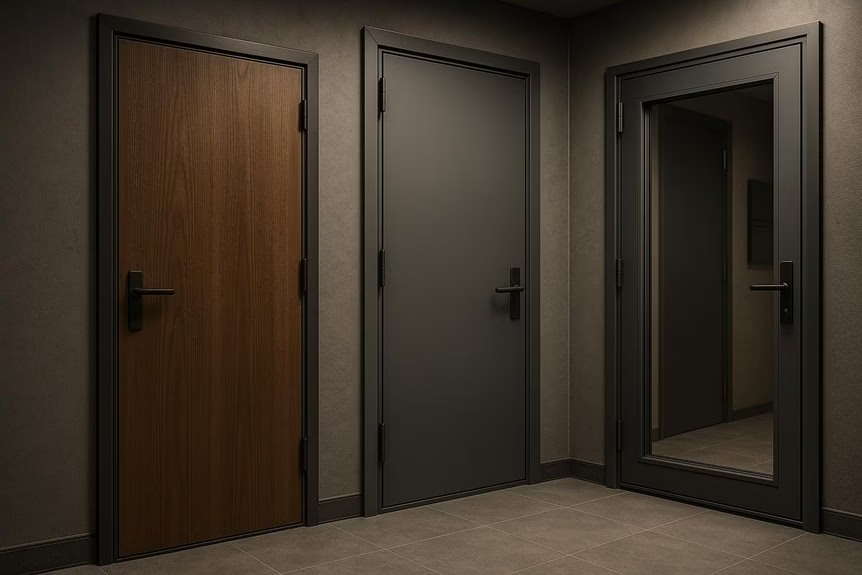
Start with the door: even tiny frame gaps can be one of a nursery’s biggest sound leak points.
Next, evaluate the windows, since exterior noise from traffic, neighbors, or nearby common areas often enters there first. For stronger window performance, laminated glass or acoustic inserts can help reduce outside noise while improving the airtight seal.
Then listen for sound transfer through the floor, ceiling, and shared structural areas, especially in multi-level homes, apartments, and condos. Shared walls, utility penetrations, and HVAC pathways can also carry more noise than homeowners expect.
A simple listening test can help reveal the worst problem areas, but lasting results usually require more than DIY fixes. At Total Home Interiors, we design custom soundproofing solutions for nurseries and other living spaces throughout West Orange, NJ, and the Tri-State area—addressing doors, walls, ceilings, windows, and structural sound transfer with professional materials and construction methods that deliver meaningful noise reduction.
Soundproof Nursery Windows With Heavy Curtains
After identifying the main noise leak paths in a nursery, windows deserve special attention because they’re often one of the biggest sources of outside sound. While heavy curtains can help soften some traffic, conversation, and neighborhood noise, they offer only limited sound reduction on their own.
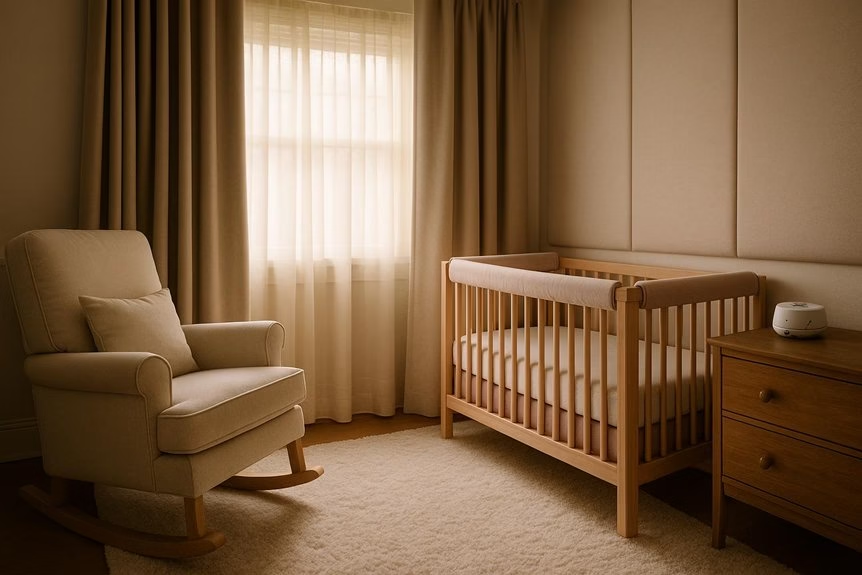
For better results, focus on full window coverage with dense, well-fitted drapery or blackout treatments that also improve sleep by reducing light and outside stimulation. Ceiling-to-floor installation and extending past the window frame can help minimize gaps and improve privacy. Acrylic window inserts can further reduce window-conducted sound by flexing and absorbing sound energy more effectively than curtains alone.
However, if noise is a recurring issue, professionally designed window soundproofing solutions provide a far more effective upgrade than curtains alone.
At Total Home Interiors, we design integrated nursery and bedroom solutions that combine sound control, privacy, and comfort with premium window treatments and expert acoustic strategies.
For homeowners in West Orange, Hoboken, Jersey City, and the greater NYC area, professional guidance can make the difference between simply dampening sound and meaningfully reducing it.
Seal the Nursery Door to Block Noise
Because sound escapes through even small gaps, sealing the nursery door is an important first step in reducing noise transfer. Check the full perimeter of the door and the gap at the floor, since minor openings can undermine overall performance. In many homes, air leaks are also sound leaks, which is why proper sealing makes a noticeable difference.
A quality seal kit can improve the fit around the frame, while a door sweep or threshold helps close the gap along the bottom edge. Door type matters as well: hollow-core doors typically block less sound than solid-core doors. Acoustic sealants can further improve airtightness around door frames and nearby penetrations, helping reduce sound leakage. While these upgrades can help, meaningful nursery soundproofing often requires a more comprehensive approach that looks beyond the door alone.
For families in West Orange, Hoboken, Jersey City, and across the Tri-State area, Total Home Interiors designs professional soundproofing solutions that address noise at the source—whether that includes doors, walls, ceilings, or windows. Rather than relying on piecemeal fixes, our team creates tailored systems that support quieter spaces, better sleep, and greater comfort throughout the home.
Add Rugs and Wall Panels to Cut Echo
If the nursery still sounds overly “live” after basic sealing, the next step is improving the room’s acoustics with professionally selected soft finishes.
Area rugs can help reduce reflected sound on hard flooring, especially when paired with an appropriate underlayment to limit vibration and footfall noise.
This can make the space feel calmer, but rugs alone typically won’t solve persistent echo issues.
For stronger results, acoustic wall treatments are far more effective than basic foam products.
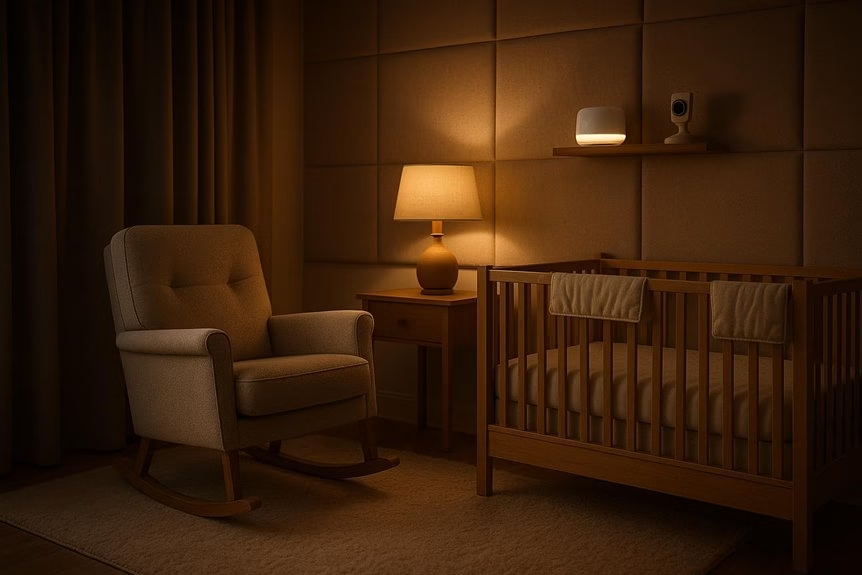
Professionally installed acoustic panels or fabric wall systems absorb sound reflections before they build up in the room, helping create a quieter, more comfortable environment for sleep.
Choosing panels with a high NRC rating can significantly improve sound absorption and reduce lingering reflections.
The most effective placement depends on the room layout, but bare walls near or across from the crib are often key problem areas.
The best results come from layering solutions, not relying on a single quick fix.
At Total Home Interiors, we design custom acoustic treatments for nurseries, bedrooms, and family spaces throughout West Orange, NJ and the Tri-State area, combining performance, safety, and clean interior design.
Arrange Nursery Furniture Away From Shared Walls
Another way to improve nursery quiet is to be intentional about furniture placement. Position the crib on a wall that doesn’t adjoin a bedroom, living room, hallway, or other active space, since shared walls often carry more conversation, TV, and impact noise.
The same applies to dressers, changing areas, and play zones—keeping these away from noise-prone partitions can help create a calmer environment.
That said, furniture layout can only do so much when sound is traveling through the wall assembly itself. Adding soundproof insulation such as fiberglass or mineral wool inside walls can help reduce noise transfer from adjoining rooms and common areas.
When nursery noise passes through the wall itself, the problem is often construction—not simply furniture placement or room layout.
In many apartments, townhomes, and closely built homes throughout Northern New Jersey and the Tri-State area, persistent nursery noise is often a construction issue, not simply a layout issue.
If noise from neighbors, common areas, or adjoining rooms continues to disrupt sleep, professional soundproofing may be the better long-term solution. Total Home Interiors designs and installs custom soundproofing systems for walls, ceilings, floors, and windows using proven materials and construction methods to reduce noise transfer and create quieter, more comfortable spaces.
Use White Noise to Mask Sudden Sounds
For many families, white noise can help soften the impact of sudden sounds that might wake a sleeping baby. It creates a steadier background so isolated noises—like a door slam, hallway activity, or street sounds—feel less disruptive during lighter sleep cycles.
- Use sound masking consistently to help reduce startle-triggering noise changes in the nursery.
- Keep volume at a gentle, calming level so the sound remains supportive rather than overstimulating.
- Choose steady, neutral sound sources such as white noise or brown noise instead of music, conversation, or unpredictable audio.
- Remember that masking is only part of the solution—when outside noise, neighbor noise, or household sound is a recurring problem, professional soundproofing and acoustic improvements can make a much bigger difference in creating a truly restful environment.
Unlike a basic noise machine, sound masking is designed to make distracting noises less noticeable by blending them into a consistent background sound.
At Total Home Interiors, we help homeowners across West Orange, NJ, and the Tri-State area create quieter, more comfortable interiors through expert soundproofing and acoustic solutions designed for real-world noise challenges.
Pick Baby-Safe Soundproofing Materials
In a nursery, material selection is just as important as the soundproofing strategy itself. At Total Home Interiors, we recommend baby-safe, low-odor, low-VOC acoustic materials that support healthier indoor air quality while improving comfort and reducing unwanted noise.
In a nursery, baby-safe, low-odor, low-VOC acoustic materials help create a quieter, healthier, more comfortable space.
For nursery acoustics, premium options such as wool acoustic panels, cork, and select PET felt products can help absorb echo and soften the space without introducing harsh odors or unnecessary irritants. Many sustainable options made from recycled polyester felt also offer design flexibility and environmental benefits for family homes.
Look for professionally specified materials with verified acoustic performance and appropriate fire ratings, including ASTM E84 Class A where applicable.
In baby rooms, avoiding questionable foam products and low-grade materials is especially important.
The best results come from choosing safe, high-quality products as part of a professionally designed acoustic plan.
Rather than relying on generic DIY treatments, Total Home Interiors helps homeowners in West Orange, Hoboken, Jersey City, and across the Tri-State area select and install acoustic solutions that balance sound control, safety, and design.
Frequently Asked Questions
Can Soundproofing a Nursery Reduce Sounds From Upstairs Footsteps?
Yes—soundproofing a nursery can reduce noise from upstairs footsteps, although impact noise is rarely eliminated completely without professional construction.
The most effective first step is treating the floor above with area rugs and dense rug pads to help soften footfall noise at the source.
In the nursery below, sealing air gaps, improving door performance, and adding acoustic treatments can help reduce overall sound transfer, but footsteps traveling through the structure often require a more advanced ceiling soundproofing solution.
For the best results, Total Home Interiors typically recommends a professionally designed assembly using insulation, acoustic drywall, and decoupling methods such as resilient channel to significantly improve comfort and quiet.
How Much Does Nursery Soundproofing Typically Cost?
Nursery soundproofing typically ranges from about $200 for basic noise-reduction measures to $2,500+ for more effective, construction-based solutions.
In our experience, the biggest cost factor isn’t the nursery itself, but how sound is traveling through the walls, ceiling, floor, windows, and door.
Simple steps like weatherstripping, area rugs, and heavier blackout curtains may stay under $300, while acoustic panels, upgraded door seals, or other mid-level treatments often bring the total closer to $800.
For families dealing with persistent street noise, neighbor noise, or shared-wall sound transfer, professional upgrades such as added insulation, acoustic drywall, mass-loaded vinyl, or decoupled wall assemblies can push costs beyond $2,500.
The final investment depends on room size, building construction, and the level of quiet you want to achieve.
Will Soundproofing Make It Harder to Hear My Baby Cry?
Not necessarily. Well-designed nursery soundproofing is meant to reduce disruptive outside noise, not prevent you from hearing your baby. The goal is to limit sound transfer from traffic, neighbors, or other rooms while maintaining awareness inside the home.
Many families pair professional soundproofing with a reliable baby monitor for added peace of mind.
At Total Home Interiors, we focus on balanced acoustic solutions that create a calmer, quieter nursery without sacrificing safety or responsiveness.
Can I Soundproof a Nursery in a Rental Apartment?
Yes—noise control in a nursery is possible in a rental apartment, but the most effective results typically come from professional acoustic planning rather than temporary DIY fixes alone.
Soft furnishings like rugs, drapery, and upholstered pieces can help reduce echo within the room, while window treatments may also improve privacy and limit some exterior noise.
However, if you’re dealing with persistent street noise, neighboring units, or thin walls, true soundproofing usually requires specialized materials and construction techniques such as acoustic wall assemblies, upgraded window treatments, and expert installation.
For families in West Orange, NJ and the greater Tri-State area, Total Home Interiors provides customized soundproofing, acoustics, and automated window treatment solutions designed to create quieter, more comfortable spaces—including nurseries—while aligning with the needs of apartment and condo living.
When Should I Start Soundproofing Before the Baby Arrives?
It’s best to start nursery soundproofing in your second trimester, ideally 8–12 weeks before your baby arrives.
This gives you enough time to complete any professional soundproofing work, allow materials like paint or adhesives to fully air out, and make sure the space is safe, quiet, and comfortable before your due date.
Starting early also helps avoid last-minute stress and gives you flexibility if custom acoustic treatments, window solutions, or installation scheduling are involved.
Conclusion
A quieter nursery doesn’t have to start with guesswork. When outside noise, neighboring rooms, or hard interior surfaces disrupt sleep, professionally designed soundproofing and acoustic treatments can transform the space into one that feels calm, protected, and consistent. The difference is significant: while the world outside may remain busy and unpredictable, your baby’s room can be carefully engineered for better rest, greater privacy, and fewer interruptions. With the right combination of noise control, acoustic treatment, and smart shading, Total Home Interiors helps Tri-State homeowners create nurseries that support better sleep for children—and more peace of mind for parents.