DIY vs. Professional Soundproofing: What’s Best for NJ Residents?
When deciding between DIY and professional soundproofing in New Jersey, consider your priorities. Would you prefer the customizability and potential cost savings of DIY, despite the risk of variable quality and lack of warranties? Or do you value professional expertise, ensuring effective and durable soundproofing, albeit at a higher price? Assess your DIY skills, time availability, and budget. To better navigate this decision and avoid pitfalls like local compliance issues, explore further insights.

Key Takeaways
- Professional soundproofing offers warranties, ensuring protection against defects and compliance with New Jersey’s noise regulations.
- DIY soundproofing allows for personalized material choices, helping address specific noise issues effectively.
- Professionals provide high-quality materials and precise installation, guaranteeing optimal and long-lasting noise reduction.
- DIY methods might save money, but professional services ensure faster installation and minimize errors.
- Professional services entail higher costs, but DIY projects risk potential structural issues and lack warranty coverage.
Cost Analysis: DIY vs. Professional Options
When you’re deciding between DIY and professional soundproofing, it’s crucial to evaluate the cost implications of each option. With budget constraints, DIY methods can seem appealing since you avoid hourly labor rates, but material availability and costs can add up. Textured wall panels, foam insulation, and soundproof curtains are budget-friendly DIY choices. However, professional-grade materials like soundproof drywall and mass-loaded vinyl are pricier but more effective, often requiring expert installation. Professional labor costs range from $200 to $500 per hour, reflecting their specialized expertise. In New Jersey, standard tradesperson rates are $50 to $100 per hour, aligning with national averages. Soundproofing Material options like acoustic tiles and foam insulation can significantly influence overall costs, making it essential to carefully consider the material choice when planning a soundproofing project.
Evaluating Effectiveness and Quality of Soundproofing
Choosing between DIY and professional soundproofing doesn’t just hinge on cost; the effectiveness and quality of the materials and installation play a pivotal role.
Professional soundproofing uses high-performance materials like fiberglass and specialized acoustic foam, ensuring superior noise reduction. Their material selection allows for a more thorough performance assessment, absorbing a wider frequency range, including challenging low frequencies. Additionally, professionals ensure high-quality materials and optimal placement, which is crucial for maximizing noise reduction effectiveness.
Utilizing high-performance materials, professional soundproofing effectively absorbs a wide frequency range, including difficult low frequencies.
DIY options often rely on rockwool and wood frames, which vary in effectiveness due to inconsistent material quality.
Professionals employ precision in placement and sealing, maximizing sound absorption and minimizing leakage. This strategic approach surpasses DIY methods, which depend on trial and error.
Durable professional systems promise long-term performance, whereas DIY projects may falter due to degradation or improper craftsmanship.
Installation Complexity and Time Considerations
Although starting a DIY soundproofing project might initially seem like a cost-saving venture, the installation complexity and time required can quickly become overwhelming.
DIY tasks demand extensive research and effort, especially if your skill level is limited. Installation speed is typically slower for novices, as they face learning curves and trial-and-error processes.
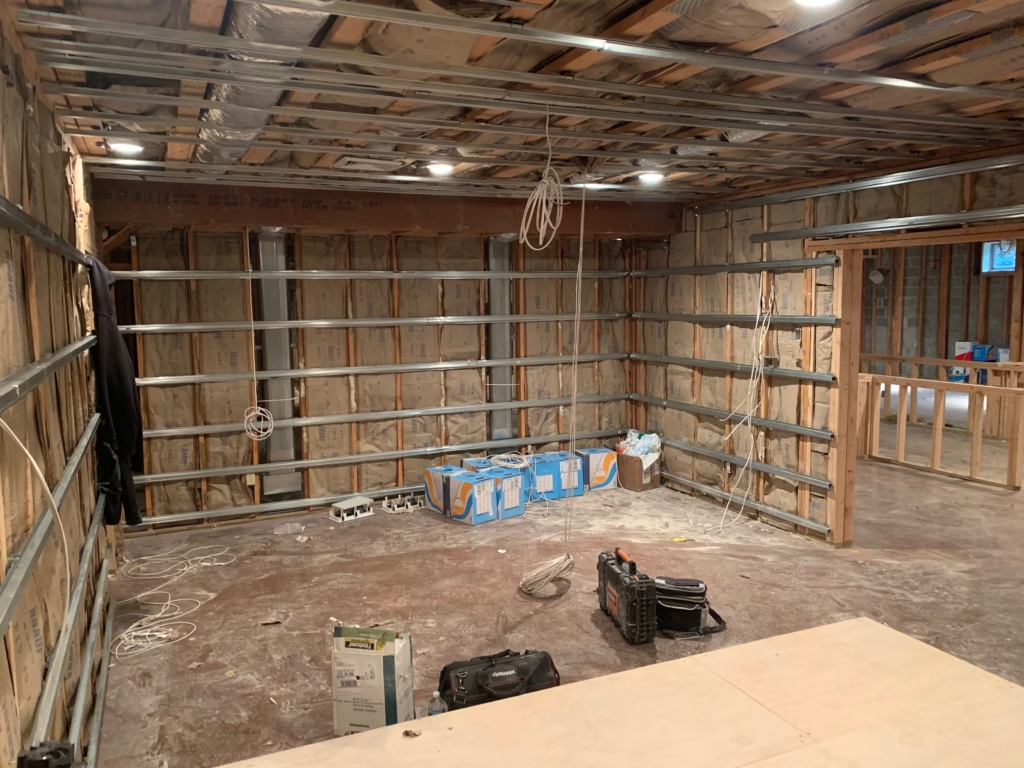
Professional installers bring experience and specialized tools, ensuring faster and more accurate results. They handle complex materials like resilient channels and mass loaded vinyl with precision, often beyond a DIYer’s capabilities.
DIY projects may stretch over days or weeks, leading to fatigue and compromised quality. Professionals manage all phases efficiently, saving you time and reducing the risk of errors or incomplete installations.

Customizability and Flexibility in Soundproofing
Taking on a DIY soundproofing project can be a rewarding experience, offering a high degree of customizability and flexibility tailored to your specific needs.
You get to choose from a variety of materials like rockwool, Owens Corning 703, foam panels, or mass loaded vinyl, allowing you to target specific noise issues effectively. The freedom in material selection means you can experiment with different combinations to suit your acoustic goals. DIY soundproofing projects can also help you understand the basics of acoustics and sound treatment, which can be beneficial in making informed decisions about your space.
Additionally, DIY projects let you indulge in aesthetic customization, picking panel fabric colors and frame styles that blend seamlessly with your home décor.
Embrace aesthetic customization by selecting panel colors and frame styles that harmonize with your home décor.
Unlike professional solutions, this approach adapts to unconventional spaces and unique architectural features, giving you full control over both functionality and appearance.
Warranty, Risks, and Regional Factors for NJ Residents
When considering soundproofing in New Jersey, understanding the implications of warranties and regional factors is vital.
Professional soundproofing offers peace of mind with coverage for workmanship and materials. DIY projects, however, lack warranty protections, increasing risks if something goes wrong. In NJ, compliance with local noise regulations is critical. Here’s what you face:
- Risk of fines if soundproofing fails to meet NJ noise ordinances.
- Exposure to hazards from non-compliant materials without professional guidance.
- Potential structural damage due to improper installation.
- Professional warranties may be voided if standards aren’t met.
- Higher costs if DIY efforts require professional remediation.
Users may encounter issues with outdated browsers, and this could affect access to important updates like local noise regulation changes. Your risk assessments should weigh these factors to guarantee a soundproofing solution that meets New Jersey’s stringent requirements.

Frequently Asked Questions
How Can Soundproofing Improve My Home’S Resale Value?
Soundproofing can greatly boost your home’s resale value by reducing noise pollution, which is a major concern for buyers.
It enhances your property’s appeal by promoting peace and privacy, making it more attractive in the market.
Features like double-glazed windows and advanced acoustic insulation can create a quiet, comfortable environment.
These improvements not only increase your home value but also make it stand out in competitive real estate markets, enhancing resale impact.
Are There Eco-Friendly Soundproofing Options Available?
Finding eco-friendly soundproofing options is like discovering a hidden treasure chest of sustainability.
You can choose sustainable materials like recycled polyester fiber acoustic panels, which are as effective as they’re eco-conscious.
Natural fibers such as hemp and sheep’s wool offer excellent soundproofing while keeping your home green.
Cork insulation provides both acoustic and thermal benefits.
Can Soundproofing Help With Energy Efficiency?
When you consider soundproofing, you’ll find it offers significant energy-saving benefits.
By reducing heat transfer and maintaining stable indoor temperatures, soundproofing materials like rock wool and spray foam enhance energy efficiency. They help you cut down on heating and cooling costs by 5-20%.
Integrating airtightness with soundproofing prevents air leaks, boosting both acoustic comfort and energy savings.
Ultimately, soundproofing supports long-term utility cost reductions and improves your home’s overall sustainability.
Are There Tax Incentives for Soundproofing Improvements in NJ?
Imagine you’ve just installed soundproofing insulation in your home. You’d qualify for tax credits if the materials also boost energy efficiency.
New Jersey offers soundproofing grants through programs like the NJ Whole Home Energy Efficiency Program, which could reimburse you up to $6,000.
To claim these benefits, confirm your improvements align with federal standards and keep detailed documentation.
Partnering with knowledgeable professionals can enhance your chances of maximizing these incentives.
What Are the Best Practices for Maintaining Soundproofed Spaces?
To maintain your soundproofed space, inspect soundproofing materials often for wear.
Use maintenance tips like cleaning acoustic panels with a soft brush to prevent dirt buildup. Check adhesives to keep treatments secure and replace damaged items promptly.
Regularly measure sound levels and adjust treatments as needed. Follow a maintenance schedule, using manufacturer-recommended methods, and monitor structural elements for integrity to guarantee your soundproofing remains effective over time.
Conclusion
In the epic battle of DIY vs. professional soundproofing, you’re the mastermind of your sonic sanctuary. DIY might save you a mountain of cash, but it could turn into a wild goose chase of trial and error. Meanwhile, pros swoop in like superheroes, ensuring exceptional results with zero hassle. For NJ residents, it’s about balancing cost, quality, and convenience. Choose wisely, and your home will become the acoustic fortress of your dreams!