DIY Soundproof Hacks for Home Theater
For DIY soundproofing your home theater, start by adding mass with materials like soundproofing insulation and mass-loaded vinyl. Install resilient channels and layer type X drywall to block sound transmission. Complement with acoustic foam panels and bass traps for clarity. Heavy velvet curtains and layered rugs help dampen noise, while sealing gaps with acoustical caulk prevents leakage. Craft decorative panels for personalized acoustic improvements. Immerse yourself in these strategies to discover how to elevate your theater experience further.
Key Takeaways
- Use mass-loaded vinyl on walls to block sound transmission effectively.
- Install 5/8-inch type X drywall in a double layer system for superior insulation.
- Place acoustic foam panels strategically to absorb echoes and improve audio clarity.
- Seal all gaps with acoustical caulk to prevent sound leakage.
- Hang heavy curtains and layer rugs to absorb and dampen sound.
Understanding Soundproofing Basics
Soundproofing might seem complex, but understanding its basics can make it more approachable. To achieve effective sound isolation, you need to focus on adding mass to surfaces. This means using soundproofing insulation like fiberglass or rockwool.
Incorporate multiple layers of dense materials, such as 5/8-inch type X drywall, to reduce sound transmission. For DIY soundproofing, consider installing soundproof doors and using resilient channels to decouple walls, minimizing structure-borne noise.
Acoustic panels are essential for managing sound within the room, while sealing gaps with acoustic caulk prevents sound leakage. Even small openings can drastically affect your results.
Ultimately, strategically place bass traps in corners to handle low frequencies, ensuring your home theater delivers clear, immersive sound.
Materials and Tools for DIY Soundproofing
As you begin your soundproofing journey, focusing on the right materials and tools is key to achieving the best results.
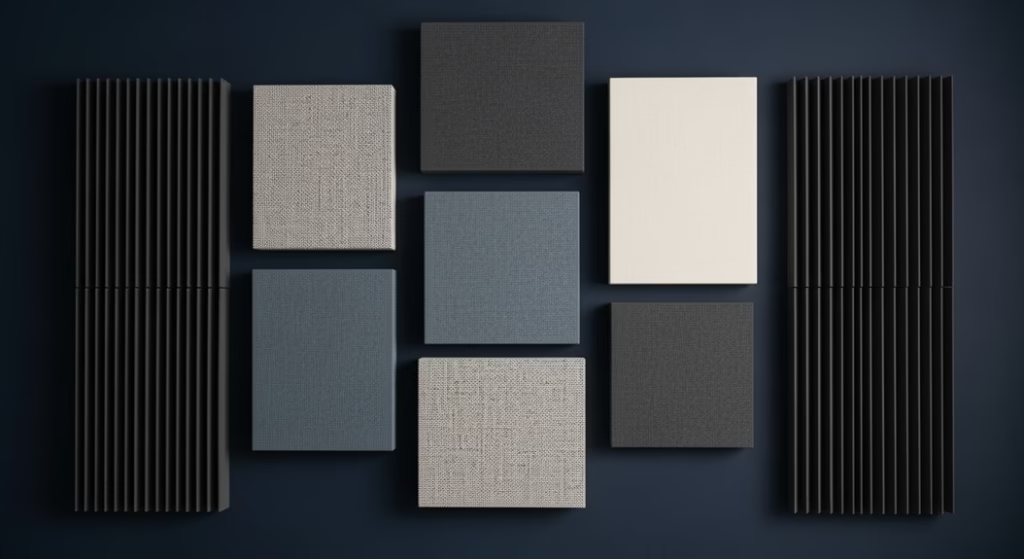
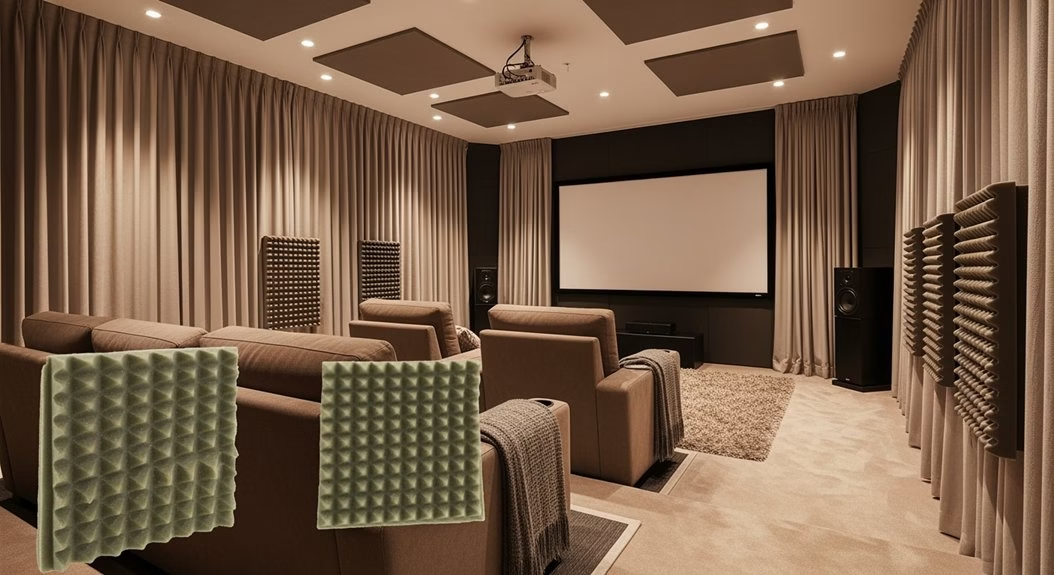
To effectively block sound transmission, mass-loaded vinyl is indispensable due to its density and flexibility. It’s perfect for walls and ceilings. Incorporate acoustic foam panels to absorb sound waves and reduce echoes, strategically placing them on walls and corners.
Mass-loaded vinyl and acoustic foam panels are essential for effective soundproofing, perfect for walls and ceilings.
Consider these essential steps:
- Layer 5/8-inch type X drywall: This soundproofing material adds mass, enhancing sound insulation when used in a double wall system.
- Insulate with rockwool or fiberglass: Their porous structure offers superior sound dampening, minimizing sound transfer.
- Seal gaps with acoustic caulk: Small openings around windows, doors, and outlets can leak sound, affecting your setup’s effectiveness.
Crafting Decorative Sound Absorbing Panels

Transform your space into an acoustic haven with decorative sound absorbing panels.
To soundproof a home theater, start by using 1.5-inch deep art canvases and 2×2 sheets of 1.5-inch thick sound-absorbing foam. Secure the foam inside the canvas with paper backing and a staple gun, ensuring a snug fit to prevent bulging.
Painting the canvases with acrylic paint allows for customizable, decorative designs without affecting their sound absorbing capabilities.
Mount each panel with two picture hangers at the top corners for balanced support.
Strategically place the panels around the room to greatly improve your home’s audio clarity, absorbing high-frequency ringing and reducing muddy bass sounds.
These panels not only enhance aesthetics but also elevate your theater’s sound quality.
Enhancing Sound Insulation With Rugs and Curtains
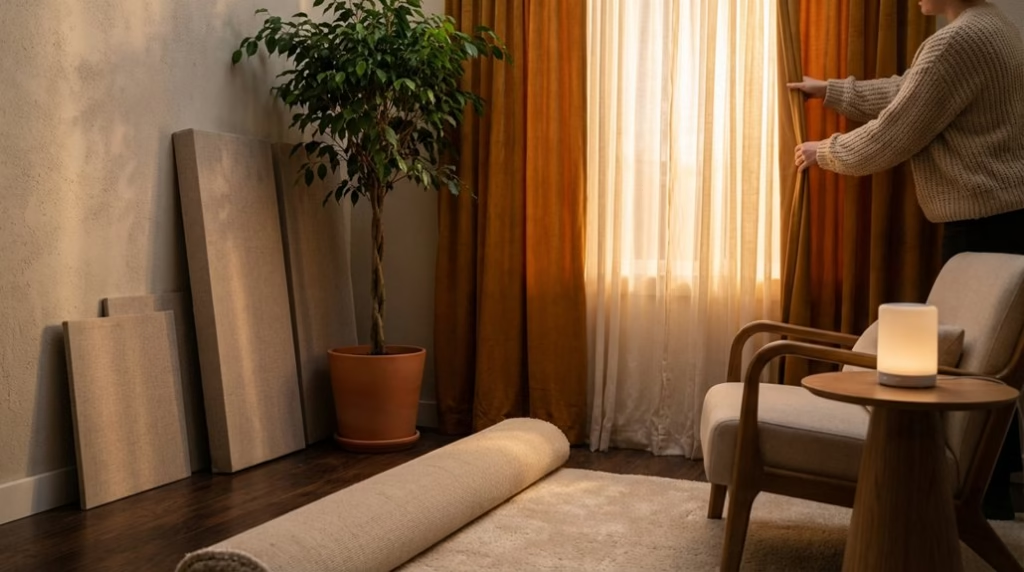
To enhance sound insulation in your home theater, consider integrating heavy curtains and layered rugs.
Opt for heavy drapes weighing between 12 oz to 18 oz/yd, ensuring 100% fullness for maximum sound absorption. Velvet drapes, like those from Homerilla, balance weight and affordability, perfect for creating a soundproof home.
Use curtain rods extending 3 to 4 inches from the wall to improve sound dampening. Layering rugs with dense pads reduces sound transmission greatly, with vintage handwoven rugs being particularly effective.
Here’s how to amp up your soundproofing:
- Install heavy drapes: Choose those that offer both sound blocking and aesthetic appeal.
- Layer rugs: Combine them with dense pads for superior sound absorption.
- Utilize thick blankets: Drape them over furniture to absorb extra sound.
Sealing Gaps to Prevent Sound Leakage
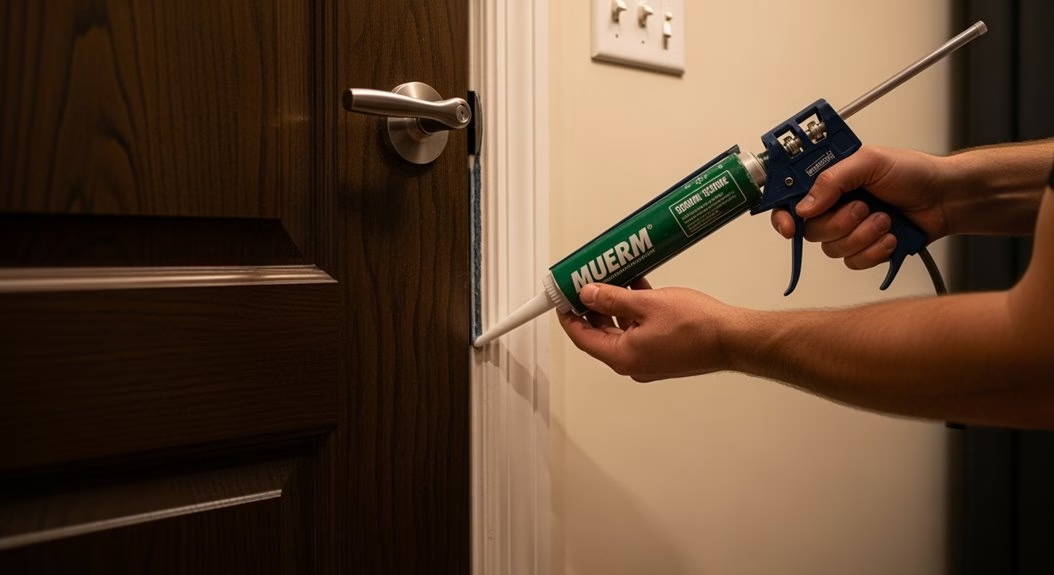
While you might’ve focused on adding heavy curtains and rugs, don’t overlook the importance of sealing gaps to prevent sound leakage.
Even a tiny 1% gap can let 30% of sound slip through, so sealing gaps is essential for effective soundproofing. Use acoustical caulk to fill cracks around windows and doors; its flexible seal minimizes sound transmission.
For door gaps, particularly those facing noise sources, draft stoppers are a practical solution. They’re easy to install and remove as needed.
Also, consider replacing hollow-core doors with solid-core ones. These denser doors greatly reduce sound leakage.
Regularly inspect your home for new gaps, especially if it’s older, as wear and tear can compromise your soundproofing efforts over time.
Utilizing Acoustic Panels for Improved Acoustics
When you want to elevate the acoustics in your space, acoustic panels offer an effective solution. They absorb sound waves, reducing reflections and echoes, which enhances dialogue clarity in home theaters.
Here’s how you can optimize their use:
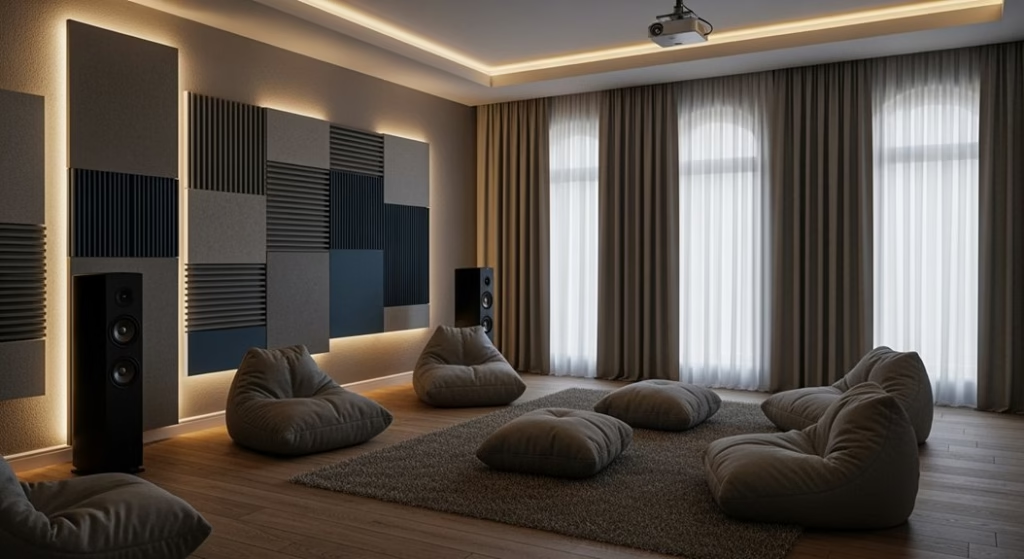
Strategically position panels and ensure at least 20% wall coverage for effective sound absorption and room soundproofing.
- Strategic Placement: Position panels in corners and on walls to considerably reduce high-frequency ringing and improve bass response. This creates a balanced sound profile.
- DIY Construction: Use 1.5-inch thick sound-absorbing foam inside art canvases. Decorate them to match your room’s aesthetics while maintaining functionality.
- Coverage Area: Verify panels cover at least 20% of your wall surface. This optimizes control over sound reflections and helps soundproof a room.
Pairing panels with bass traps manages low frequencies, enhancing your immersive experience.
Layering Elements for Maximum Soundproofing Efficiency
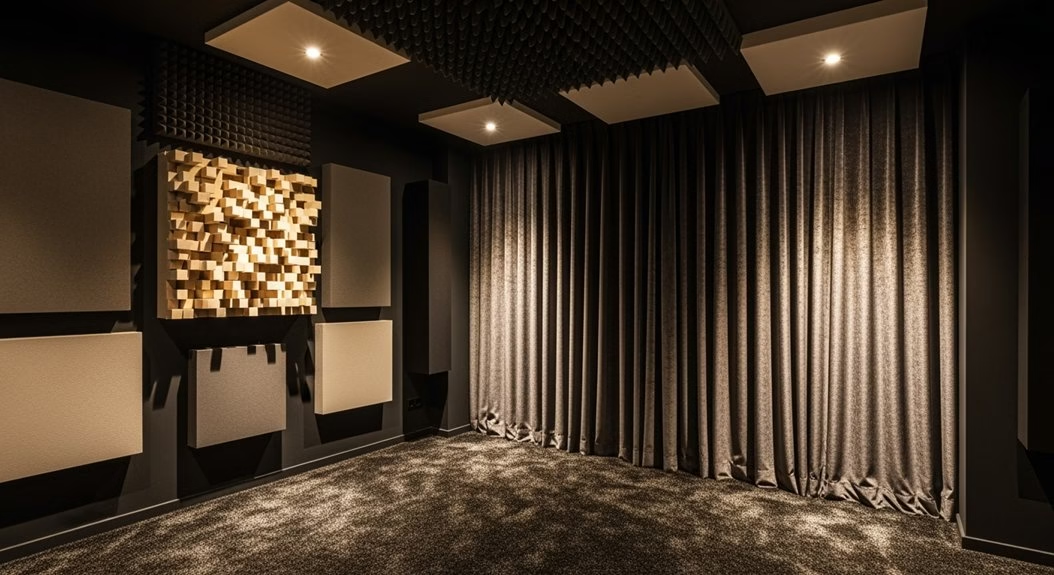
Even though soundproofing can seem like a challenging task, layering elements offers an efficient strategy to achieve peak sound isolation.
Start by layering soundproofing materials like 5/8-inch type X drywall with mass-loaded vinyl to add mass and reduce vibrations. This dramatically enhances your home’s sound isolation.
Adding a double wall system with a 1-inch air gap between two 2×4 walls further decouples sound transmission. Incorporate sound-absorbing materials such as rockwool insulation to dampen sound and improve thermal comfort.
For ideal acoustic quality, strategically install acoustic panels and bass traps to manage reflections and low-frequency noise.
Finally, seal gaps with acoustic caulk to prevent leaks, ensuring your layered soundproofing approach effectively soundproofs your home theater.
Frequently Asked Questions
How to Make Home Theatre Sound Proof DIY?
To make your home theater soundproof, start by installing acoustic panels on the walls to absorb sound.
Hang soundproof curtains over the windows for added noise reduction.
Use foam insulation to seal any gaps and enhance sound isolation.
Consider double glazing for windows to block external noise.
Add floor underlayment to reduce sound transmission through the floor.
Install door sweeps to prevent sound leakage under doors effectively.
What Material Absorbs Sound the Most?
Imagine sound as a relentless tide, and your room as a fortress. To shield it, you’ll need the right materials.
Acoustic panels and soundproof curtains act like sentinels, guarding against noise. Carpet padding and foam tiles soften the clamor underfoot. Mass loaded vinyl is your fortress wall, dense and impenetrable.
Finally, sound absorbing insulation forms the core, muffling every storm. These elements work in harmony, transforming chaos into tranquility.
How Can I Soundproof Cheaply?
To cheaply soundproof your space, start by sealing gaps with weather stripping and door sweeps.
Use acoustic panels made from foam tiles for walls, which you can create yourself.
Repurpose thick floor rugs to absorb sound, and hang soundproof curtains to dampen noise and reduce echo.
These solutions are cost-effective and easy to implement, giving you a quieter environment without breaking the bank.
You’ll notice a significant difference quickly!
What Is the Best DIY Wall Soundproofing?
To achieve the best DIY wall soundproofing, focus on several key elements.
Install acoustic panels and foam tiles to absorb sound waves. Hang soundproof curtains for added noise reduction.
Enhance wall insulation with high-quality materials. Make certain door seals are tight to prevent sound leakage.
Utilize floor rugs to dampen sound transmission through floors. Each of these strategies works together to create a more soundproof environment effectively.
Conclusion
You’ve got the tools and know-how to create a soundproof haven in your home theater. Some might think DIY isn’t as effective as professional solutions, but remember: your efforts give you control over costs and customization. By layering materials and sealing gaps, you enhance your space’s acoustics without breaking the bank. Embrace these hacks, and you’ll enjoy immersive sound experiences that rival any commercial theater. So, go ahead, make your home theater truly yours.