What Are Effective Soundproofing Techniques for Home Theater?
To soundproof your home theater effectively, focus on blocking, absorbing, and decoupling sound. Use mass-loaded vinyl on walls and ceilings, install acoustic panels and bass traps for better sound absorption, and seal gaps with acoustic sealant. Incorporate double wall construction with isolation clips for ideal results. Sound-damping curtains, thick carpets, and soft furnishings further help manage noise. Discover more about achieving the perfect sound environment and transforming your space into an audio haven.
Key Takeaways
- Use heavy soundproof curtains to block external noise and enhance theater acoustics.
- Install acoustic panels and bass traps to absorb sound reflections and manage low frequencies.
- Apply Mass Loaded Vinyl within walls and ceilings to block sound transmission.
- Incorporate Green Glue between drywall layers to absorb vibrations and reduce noise.
- Utilize double wall construction with insulation for effective sound isolation.
Understanding Soundproofing Principles
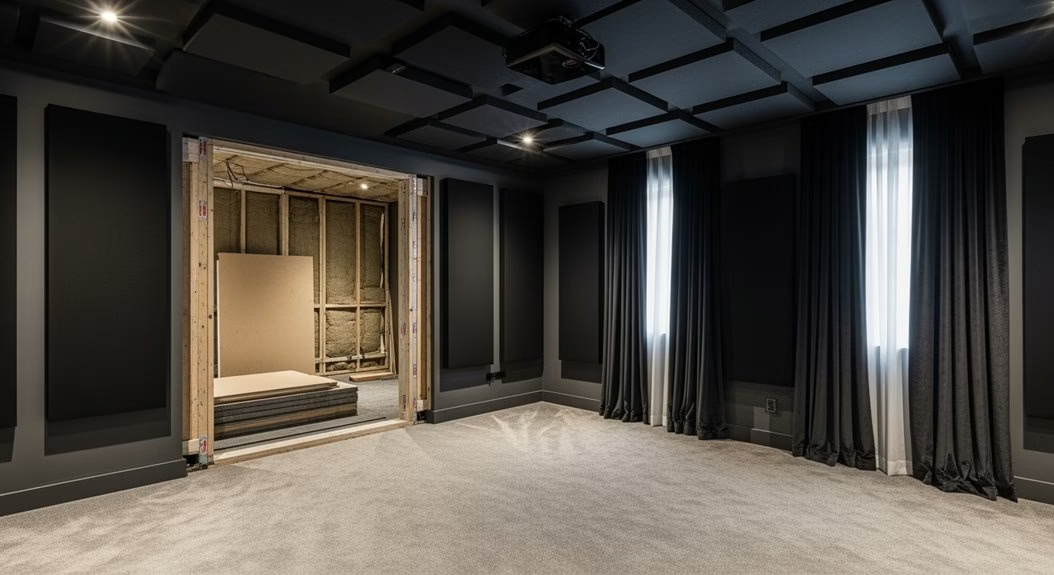
Soundproofing your home theater effectively starts with understanding the basic principles involved. You need to manage both airborne and structure-borne sounds using techniques like blocking, absorption, and decoupling.
The Sound Transmission Class (STC) rating is essential; aim for a rating of 55-60 for effective sound isolation.
To tackle low-frequency sounds, use soundproof materials that add mass and block sound. Mass-loaded barriers are important for blocking those persistent bass frequencies.
Acoustic panels and insulation materials like fiberglass and mineral wool are great for absorbing sound.
Decoupling surfaces can greatly reduce vibration transfer, preventing sound from traveling through walls.
Pre-Construction Soundproofing Strategies
When planning your home theater, consider implementing pre-construction soundproofing strategies to maximize your sound isolation.
Start by using a double wall system with two 2×4 walls separated by a 1-inch air gap to prevent sound transmission. Incorporate Isolation Clips to decouple drywall from ceiling joists, reducing structure-borne sound.
Add Mass Loaded Vinyl within walls or ceilings as soundproofing materials to block sound waves. Applying Green Glue between drywall layers absorbs vibrations, further minimizing sound transmission.
Opt for insulated concrete forms in construction to leverage the mass of concrete for superior soundproof walls.
Don’t forget to use acoustic sealant to seal gaps and guarantee your theater is as soundproof as possible, creating an ideal environment for your cinematic experience.
Post-Construction Soundproofing Solutions
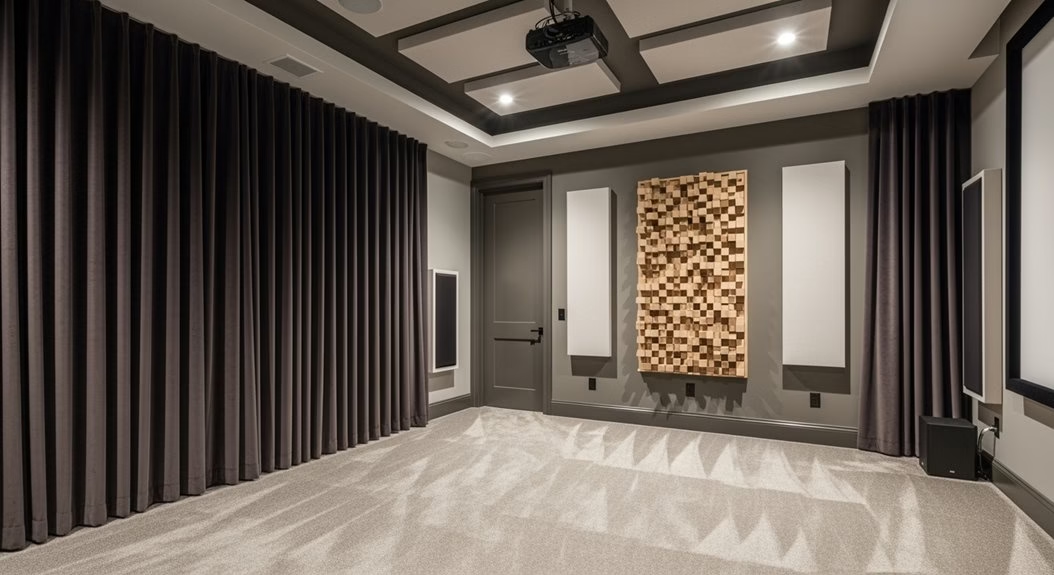
While pre-construction strategies lay the groundwork for effective sound isolation, post-construction solutions can greatly enhance your home theater’s acoustic environment.
Start by soundproofing a home theater room with Door Seal Kits to limit sound energy escaping through door gaps. Even small openings can let significant sound through, so sealing is essential.
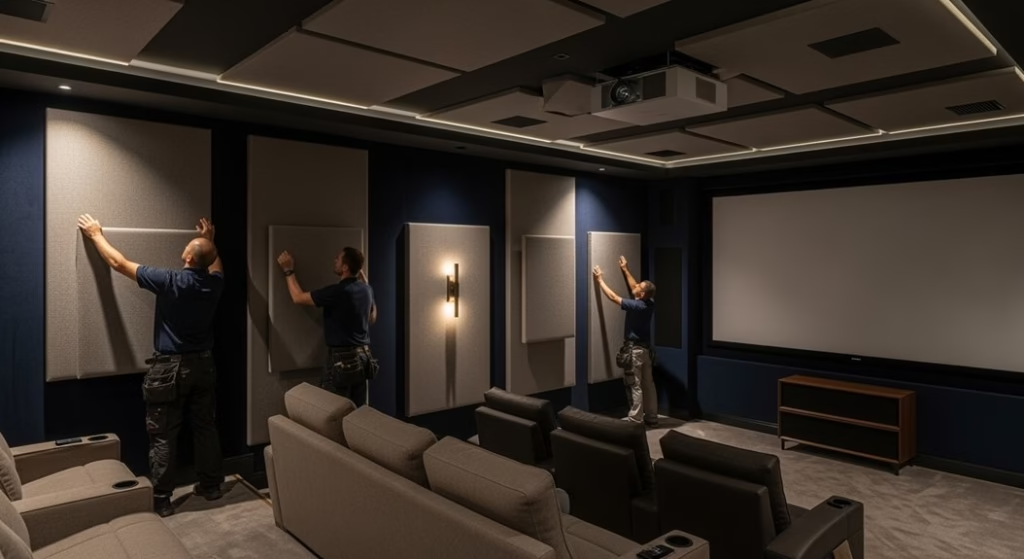
Install acoustic panels and bass traps to absorb sound reflections and manage low frequency sounds, improving audio clarity. Use putty pads around electrical outlets to prevent sound leakage, ensuring soundproof doors and walls work efficiently.
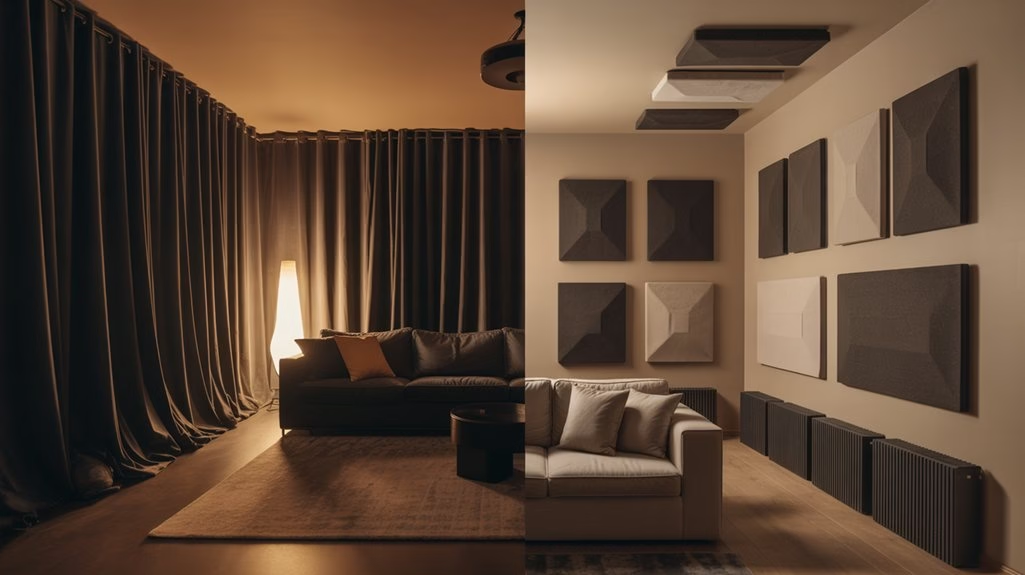
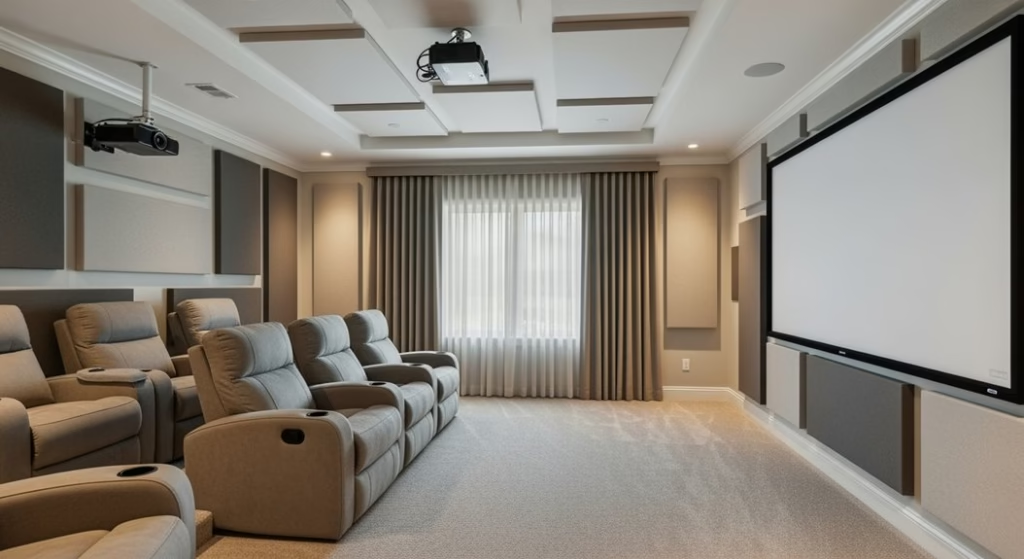
Heavy sound-damping curtains over windows will block external noise, adding another layer of soundproofing. Additionally, Absorber/Barrier Combination Blankets can be added to walls to further reduce sound transmission.
Key Soundproofing Materials and Techniques
Ever wondered how to create the perfect acoustic haven for your home theater? Start by using key soundproofing materials and techniques to guarantee ideal sound isolation.
Install mass-loaded vinyl on walls, ceilings, or floors to block sound transmission effectively. Acoustic panels absorb sound waves, reducing echo and enhancing audio quality—perfect for strategic placement on walls.
Consider these soundproofing strategies:
- Resilient isolation clips: Decouple drywall to minimize structure-borne sound, boosting Sound Transmission Class.
- Sound-damping curtains: Reduce external noise infiltration while maintaining aesthetics.
- Thick carpets with soundproof underlay: Dampen sound reflections, minimizing noise through floors.
- Acoustic panels: Absorb sound waves and reduce sound reflections.
With these techniques, you can greatly reduce sound interference and enjoy a cinematic experience in your home theater.
Enhancing Acoustics in Your Home Theater
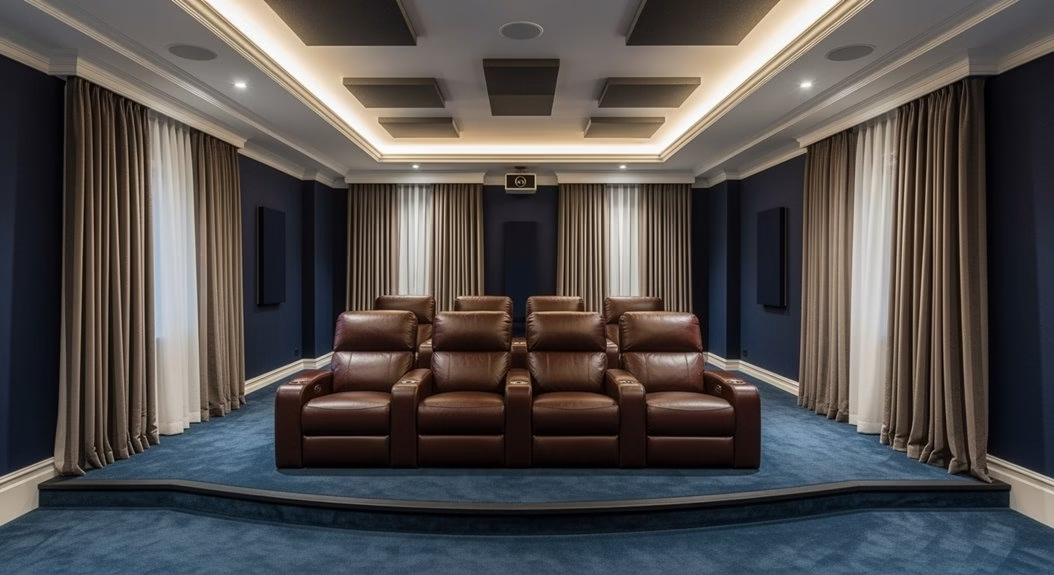
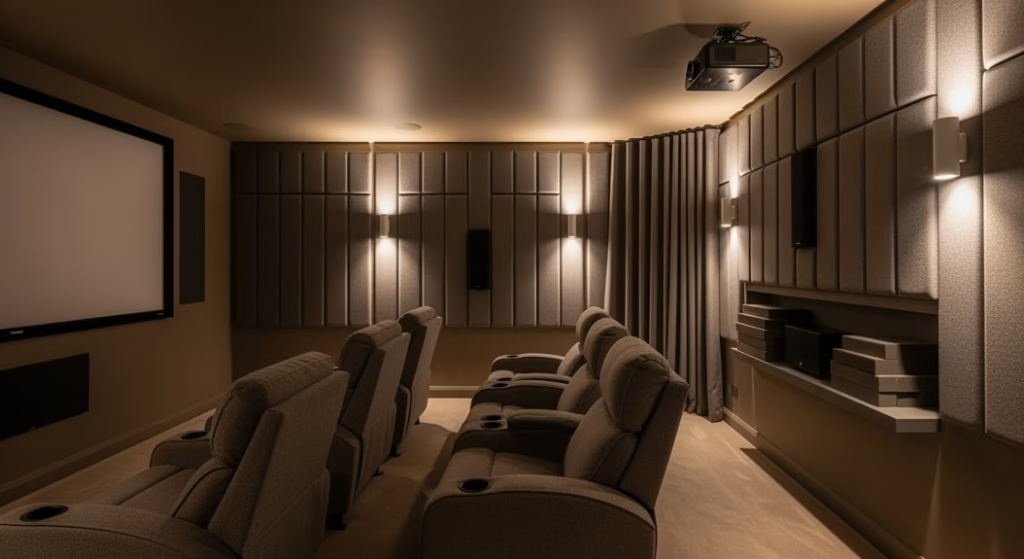
Creating an exceptional audio environment in your home theater hinges on enhancing acoustics. Start by installing acoustic panels and bass traps to manage low frequencies and reduce reverberation, which greatly improves sound clarity.
To further enhance dialogue clarity, strategically place sound-absorbing materials and soft furnishings, creating a reflection-free zone that minimizes echo. Use the AMROC tool to optimize room dimensions for even sound distribution, making your soundproof home theater even more balanced.
For structural improvements, consider decoupled wall construction with staggered studs or double walls packed with insulation to isolate sound and prevent vibrations.
Finally, add thick carpets or soundproof underlay to dampen reflections from hard surfaces, ensuring an immersive audio experience every time you enjoy your home theater.
Frequently Asked Questions
What Is the Best Soundproofing for Home Theaters?
For the best soundproofing in home theaters, start with acoustic panels and soundproof curtains to dampen sound.
Use resilient channels and mass loaded vinyl to block transmission through walls.
Install isolation pads under your flooring and soundproof doors to minimize vibrations and noise leakage.
Enhance your space with floor underlayment, wall insulation, and ceiling tiles.
Finally, opt for soundproof windows to keep external noise out and create a perfect audio environment.
How to Make Home Theatre Sound Proof DIY?
Imagine your DIY home theater as a fortress against noise.
Start with acoustic panels for wall treatments and ceiling insulation, which will guard your space from unwanted sound. Use floor underlay to cushion your steps.
Seal windows and add door sweeps for extra sound isolation. Choose thick, absorbent fabric for curtains to enhance noise reduction.
These DIY solutions will transform your theater into a sanctuary of sound, free from distractions.
How to Make a Room 100% Soundproof?
You can’t make a room 100% soundproof, but you can markedly reduce noise with the right soundproofing techniques.
Use soundproofing materials like acoustic panels for walls and ceilings. Install wall insulation and floor underlayment for noise reduction and sound isolation.
Enhance door seals and choose effective window treatments. Ceiling treatments can help, too.
A combination of these strategies will help create a quiet space, although complete soundproofing is unattainable.
What Is the Most Effective Material for Soundproofing?
What’s the most effective material for soundproofing your space?
It often depends on the specific needs, but combining materials is key.
Acoustic panels enhance sound isolation by reducing reflections, while sound barriers like Mass Loaded Vinyl block noise.
For noise reduction and vibration damping, consider ceiling tiles and floor underlayment.
Window inserts and door seals prevent sound leaks.
Wall insulation, like fiberglass or mineral wool, completes an efficient soundproofing strategy.
Conclusion
In your quest to create an immersive home theater, understanding soundproofing is essential. Whether you’re planning from scratch or retrofitting an existing space, you’ve got options. Using materials like mass-loaded vinyl and acoustic panels can make a world of difference. Don’t overlook the importance of good acoustics, which can turn your space from ordinary to extraordinary. So, roll up your sleeves, put on your Walkman, and start transforming your home theater into a sonic haven.