Top Materials for Custom Home Theater Soundproofing
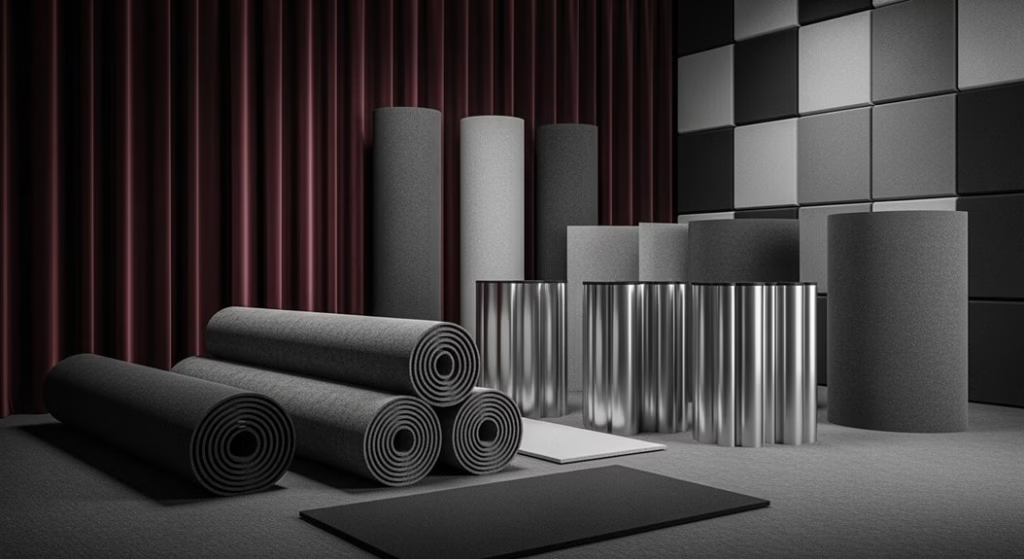
For high-quality home theater soundproofing, consider mass-loaded vinyl to effectively block sound, while acoustic panels minimize echoes. Use double layers of 5/8″ drywall with Green Glue for improved sound isolation and Quiet Batt® insulation to absorb noise in wall cavities. For floors, opt for acoustic underlayment, and choose solid core doors with soundproof seals. Each material enhances your audio experience, and you might discover how these components transform your home theater into an auditory paradise.
Key Takeaways
- Mass-loaded vinyl (MLV) effectively blocks sound when applied to walls and ceilings.
- Green Glue damping compound transforms sound energy into heat, reducing noise transmission between drywall layers.
- Acoustic panels and foam absorb sound waves, minimizing echo and reverberation.
- Resilient channels decouple drywall from structures, preventing sound vibrations from traveling through walls and ceilings.
- Quiet Batt® soundproof insulation fills wall cavities, enhancing sound absorption and reducing noise transfer.
Understanding Sound and Its Impact on Home Theater Design
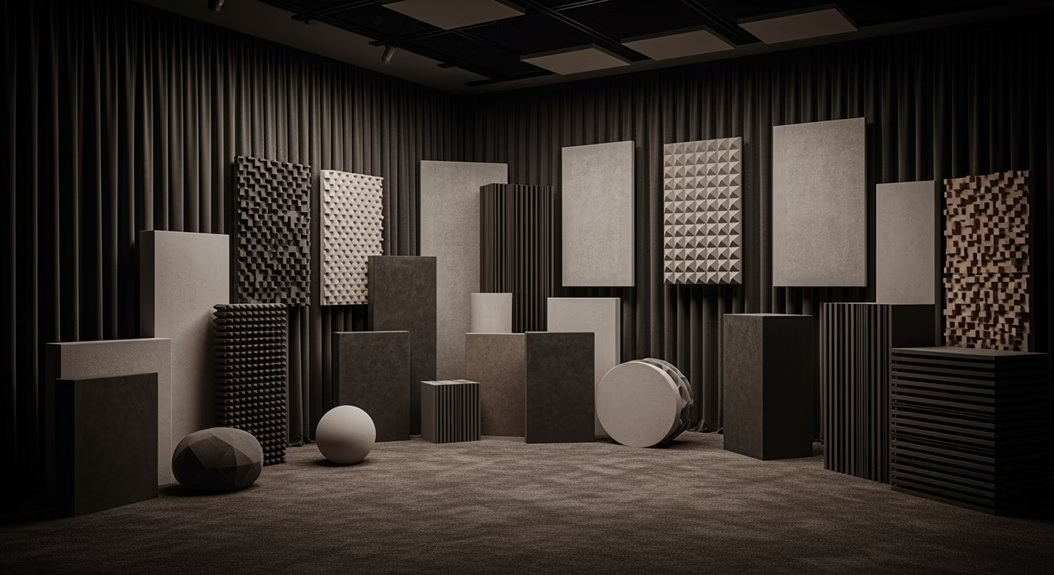
When designing a home theater, understanding sound is essential because it involves more than just hearing; it’s about creating an immersive experience.
Sound travels in waves, and both airborne sound and structure-borne components influence how you experience noise in your theater. To enhance this, soundproofing becomes crucial. You’ll want to use soundproofing materials like mass-loaded vinyl to reduce sound transfer and improve sound isolation.
Sound absorption is also key, and acoustic panels can help minimize unwanted noise by capturing stray sound waves. Effective soundproofing tackles low-frequency sounds often ignored in standard tests, ensuring a richer auditory environment.
Key Principles of Soundproofing for Home Theaters
Although soundproofing a home theater might seem challenging, understanding the key principles can simplify the process and enhance your audio experience.
Start by increasing the mass with materials like mass loaded vinyl to improve the Sound Transmission Class (STC) rating. Decoupling is essential, using resilient channels to prevent sound vibrations from traveling through structures.
Incorporate sound absorption materials, such as acoustic foam and fiberglass insulation, to reduce resonance and echo, enhancing audio clarity. Thermal conversion techniques, like Acoustiblok Isolation Membrane, transform sound energy into heat, further boosting soundproofing effectiveness.
Essential Soundproofing Materials for Walls, Ceilings, and Floors
To effectively soundproof your home theater, focus on the essential materials for walls, ceilings, and floors.
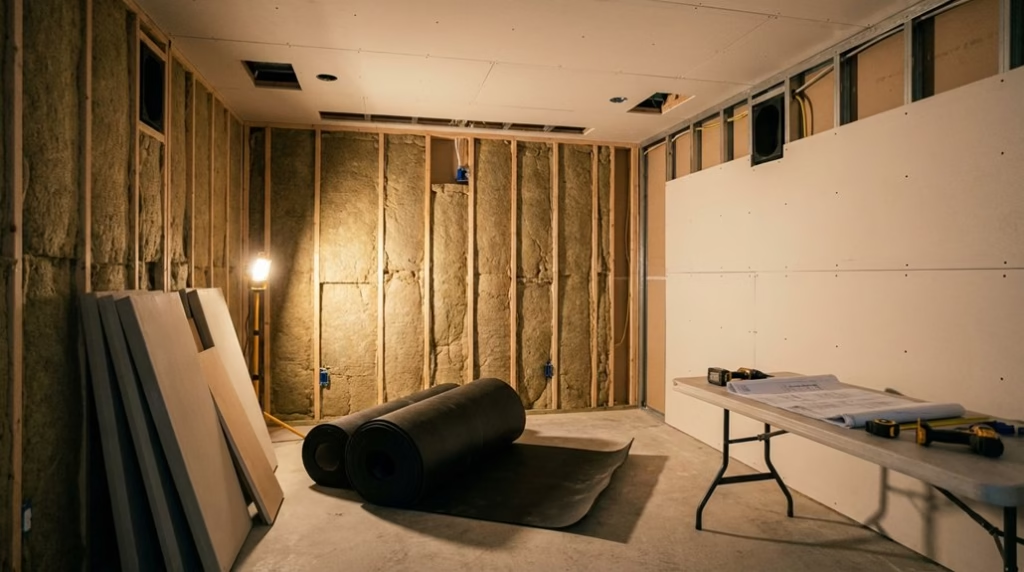
Start with soundproofing materials like double layers of 5/8″ drywall with Green Glue in between to boost the Sound Transmission Class (STC) rating considerably. Fill wall cavities with soundproof insulation such as Quiet Batt® for better sound absorption.
Double layers of 5/8″ drywall with Green Glue significantly boost soundproofing, paired with Quiet Batt® insulation for added sound absorption.
For ceilings, install resilient channels to decouple drywall and reduce sound transmission. Floors benefit from acoustic underlayment, which dampens sound and stops vibrations from moving to lower levels.
Don’t overlook solid core doors fitted with soundproof door seals; they’re vital in cutting noise leakage, often achieving an impressive STC rating of up to 51.
Use sound isolation clips for added efficiency in creating a quiet space.
Advanced Techniques for Effective Sound Isolation
Achieving effective sound isolation in your custom home theater calls for advanced techniques that go beyond basic soundproofing. By utilizing these strategies, you can create a truly immersive experience.
- Decoupling techniques: Use resilient channels and sound isolation clips to break the mechanical link between drywall and framing, improving Sound Transmission Class (STC) ratings.
- Mass-loaded vinyl (MLV): Add this dense, flexible soundproofing material to walls or ceilings for effective sound blocking.
- Green Glue damping compound: Apply between drywall layers to convert sound energy into heat, greatly enhancing sound isolation.
- Room-in-room construction: Build an isolated structure within the room to minimize flanking paths and contain bass frequencies.
- Acoustic treatments: Place panels or bass traps strategically to manage reflections and improve sound quality alongside structural soundproofing walls.
Enhancing Acoustics for Optimal Audio Experience
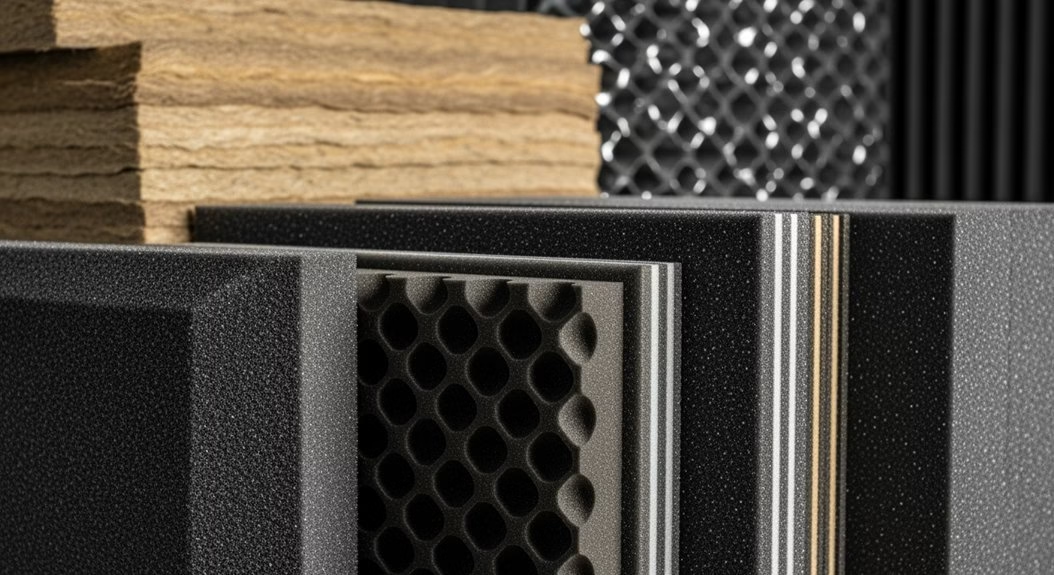
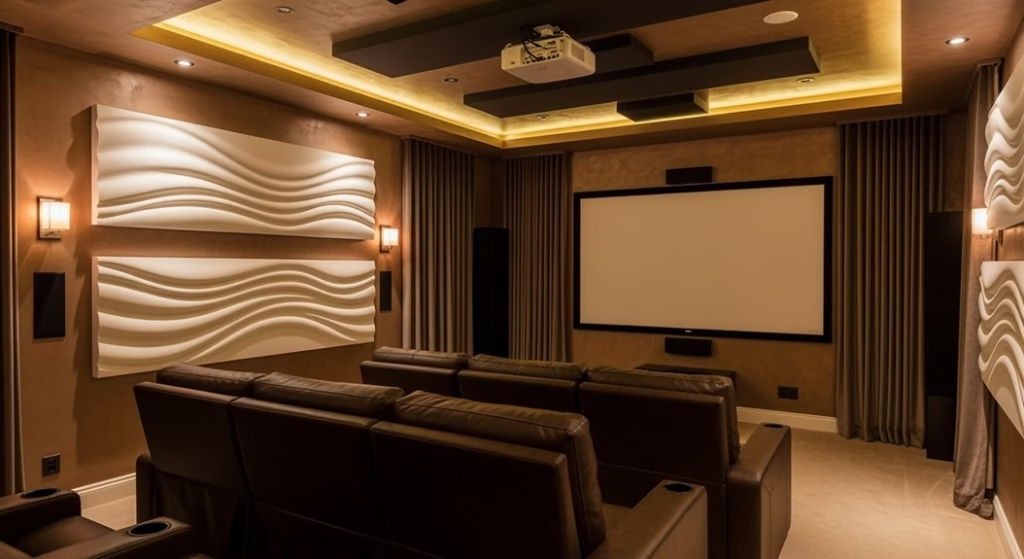
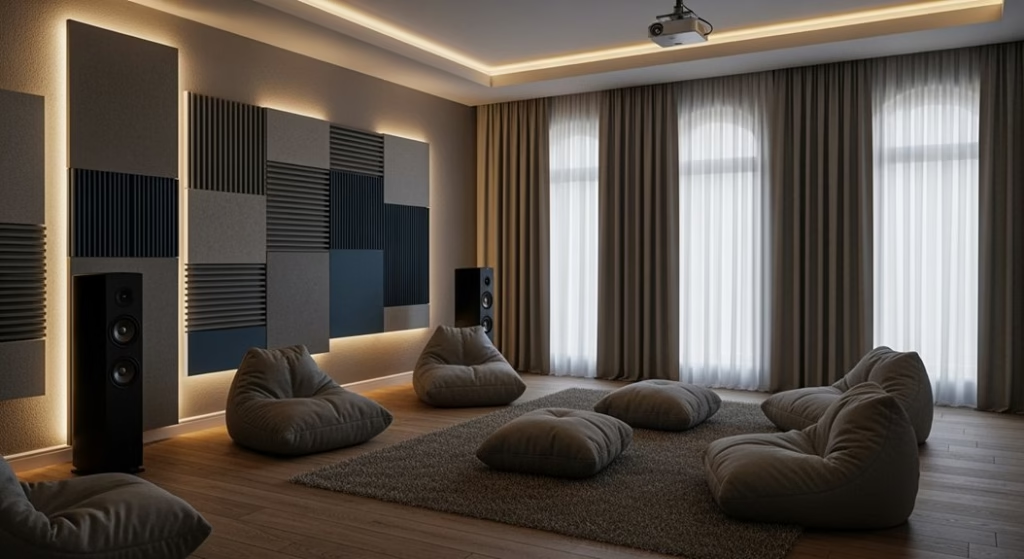
When you’re designing a custom home theater, enhancing acoustics is key to achieving an ideal audio experience. Start by installing acoustic panels to absorb sound waves, reducing echo and reverberation for clearer audio.
For superior sound isolation, use mass-loaded vinyl and Green Glue damping compound between drywall layers to block unwanted frequencies effectively. Lay down plush carpets or acoustic flooring to absorb sound and minimize impact noise, ensuring peace in adjacent areas.
Optimize speaker placement and use backer boxes for in-wall speakers to balance audio distribution and prevent sound leakage. Don’t forget about bass traps in corners; they manage low-frequency sounds, resulting in controlled bass response.
Finally, incorporate soundproofing insulation for a truly immersive, sound-absorbing environment.
Frequently Asked Questions
What Is the Best Soundproofing Material for Home Theaters?
When you’re soundproofing your home theater, choosing the best materials matters.
Consider using acoustic panels and mass loaded vinyl for effective sound barriers. Resilient channels and isolation clips help reduce sound transmission.
Adding foam tiles and soundproof curtains can enhance sound absorption. Double drywall paired with acoustic caulk seals gaps, while sound absorbing materials improve acoustics.
Each element plays a role in creating an immersive, noise-controlled environment for your theater.
What Is the Most Effective Soundproofing Material?
Imagine sound waves as sneaky thieves; you’ve got to stop them with the right defenses.
Acoustic panels and sound isolation methods act as your fortress, offering robust noise barriers. For effective sound absorption, invest in quality wall treatments, ceiling solutions, and floor underlayment.
Mass loaded vinyl is your secret weapon for blocking noise, while soundproof doors and window seals guarantee no sound escapes. Together, these elements create an impenetrable soundproof system.
What Material Can Sound Not Pass Through?
You can’t let sound pass through dense materials like concrete, mass-loaded vinyl, and soundproof drywall.
These noise barriers rely on sound blocking properties due to their high mass and density.
By using decoupling techniques and resilient channels, you can enhance their effectiveness.
Combine them with acoustic panels and soundproof curtains to absorb sound.
Vibration isolation also plays a role in preventing sound transmission, making your space quieter and more peaceful.
How Can I Make My Theater Room Soundproof?
So, you want to create a theater room where even your neighbor’s dog can’t hear a thing?
Ironically, it’s easier than it seems with the right soundproofing techniques. Start with acoustic paneling and isolation clips for your walls. Use mass-loaded materials and soundproof curtains.
Consider dense flooring options and strategic wall construction. Ceiling treatments and door sealing are essential, while ventilation solutions guarantee you can breathe easy in your soundproof haven.
Conclusion
Imagine your home theater as a sanctuary, where sound waves dance gracefully through the air, undisturbed by the chaos outside. By mastering the art of soundproofing, you’re not just building walls; you’re weaving a cocoon of acoustic bliss. With the right materials and techniques, you’ll transform your space into an audio haven. So, embrace these principles and let your custom home theater become a symphony of serenity, where every note resonates with perfection.