Window Soundproofing Solutions: Beyond Just Closing the Blinds
Want real window soundproofing beyond closing the blinds? Start by sealing leaks with weatherstripping and acoustic caulk. Add interior window inserts to cut noise by up to 70%. Layer heavy acoustic curtains, cellular shades, or plantation shutters to absorb vibrations. For bigger upgrades, consider double-paned or impact windows, and combine them with inserts for maximum quiet. Choose options that fit your budget and style, from DIY fixes to premium replacements. You’ll see how to build a quieter home step by step.
Key Takeaways
- Seal window gaps with weatherstripping and acoustic caulk to stop noise leaks at the source.
- Add window inserts to create a sealed air layer that cuts noise dramatically without replacing windows.
- Layer heavy acoustic curtains or cellular shades to absorb sound and reduce vibrations.
- Consider double-paned or impact windows for maximum long-term noise reduction and energy benefits.
- Combine sealing, inserts, and dense window treatments for the most noticeable acoustic improvement.
Why Acoustic Comfort Matters at Home
Quiet isn’t a luxury; it’s a foundation for well-being at home. When you prioritize acoustic comfort, you protect your sleep, focus, and mood. Constant street clatter elevates stress; quiet lowers it, helping regulate blood pressure and supporting mental health.
Quiet isn’t a luxury; it’s essential for sleep, focus, mood, and overall well-being.
You feel the difference in every room—voices soften, spaces feel welcoming, and your home becomes a refuge.
Windows are your frontline. With soundproof windows, you reduce outside noise at its most common entry point, improving acoustic comfort without reshaping your entire interior. Better glazing and tight seals also boost energy efficiency, cutting drafts and stabilizing temperatures, which supports sustainability and lowers bills.
Treat sound control as core design, not an afterthought, and you’ll elevate daily living, from restful nights to calmer mornings.
In suburban New Jersey, where traffic noise and dense development make it one of the nation’s loudest states, upgrading window glazing and seals can meaningfully cut exposure and improve daily comfort.
Simple DIY Upgrades to Reduce Window Noise
Even without a full window replacement, you can cut street noise fast with smart DIY tweaks.
Start by sealing leaks: apply weatherstripping to sash edges and use acoustic caulk around frames to block airflow and reduce noise.
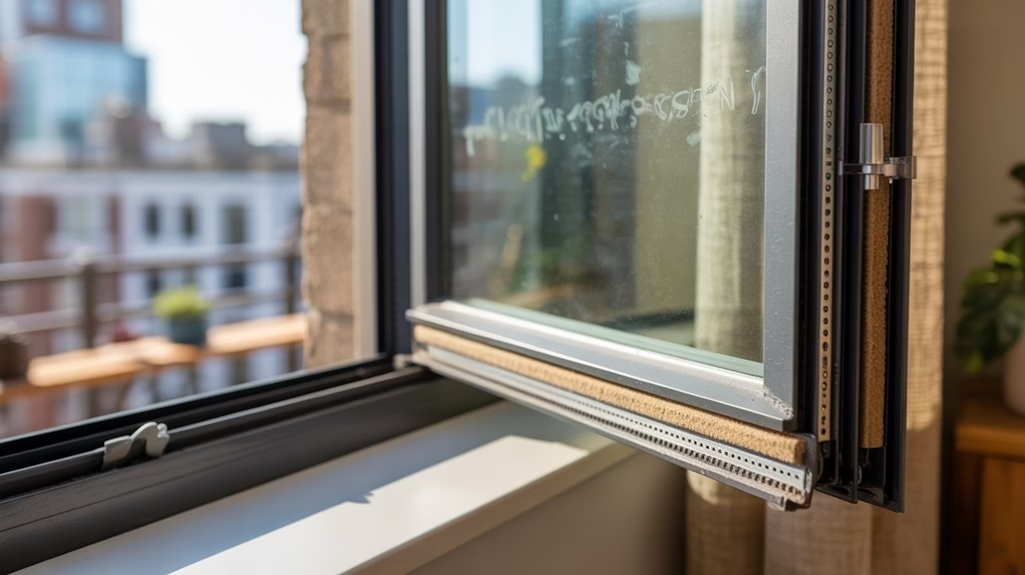
Next, add window inserts; their tight seals and insulating layers deliver serious sound reduction, often up to 70%.
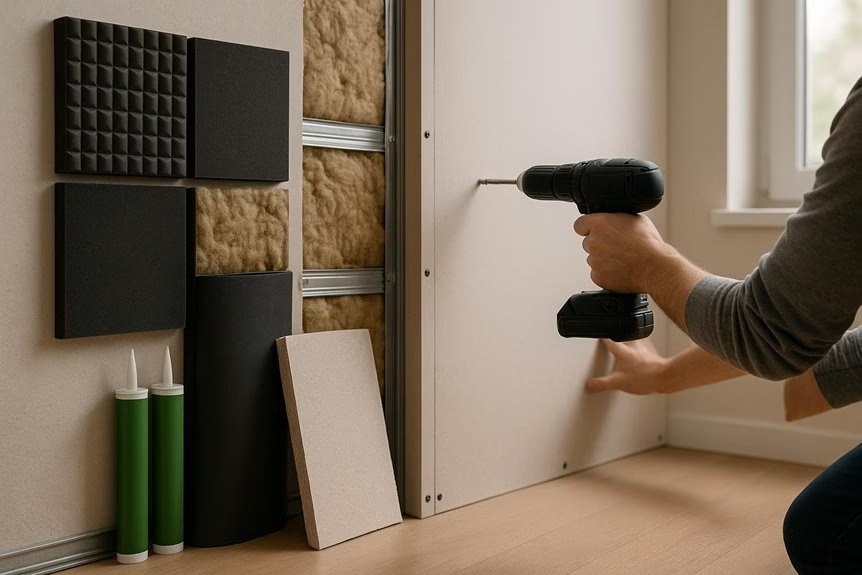
For quick gains, attach sound-absorbing panels around the reveal or mount a removable soundproofing film to the glass.
Choose practical window treatments that add mass and layers. Heavy thermal curtains or interior shutters help reduce noise by absorbing and disrupting vibrations.
Tightly woven cellular shades trap sound in their air pockets and improve insulation.
Combine sealing, inserts, and layered treatments for a noticeable, low-cost improvement.
For even better results, consider acrylic window inserts that flex to absorb sound energy, a key benefit of acrylic inserts highlighted in professional soundproofing methods.
Window Treatments That Actually Dampen Sound
After sealing leaks and adding inserts, you can squeeze out more noise reduction with the right window treatments.
Acoustic or soundproof curtains use dense, multi‑layer fabrics to absorb and block sound, delivering noticeable noise reduction without construction.
Dense, multi-layer curtains absorb and block sound, delivering noticeable noise reduction without construction.
Cellular shades dampen sound with honeycomb cells that trap air, and they boost insulation for year‑round comfort.
Layered drapes pair blackout and decorative panels, adding mass and sealing gaps for better sound control and energy efficiency.
Plantation shutters help too. Their rigid panels and tight frame contact create a solid barrier that reduces sound while preserving light control and privacy.
For a sleeker look, roller shades made from thick, tightly woven fabric offer moderate noise reduction.
Combine treatments—like cellular shades plus drapes—to tighten seals and maximize performance.
Inserts, Double-Pane, and Impact Windows Compared
Looking to cut street noise without a full remodel? Start with window inserts. They add a sealed air layer behind your existing sash, trimming outside noise noticeably while preserving trim and historic profiles.
You’ll feel quieter rooms without demolition.
Double-paned windows use two glass layers with insulating gas between. That extra path forces sound to lose energy, so you hear less traffic hiss than with single panes.
They’re a solid upgrade when you’re already replacing windows.
Impact windows go further. Their extra‑thick laminated glass and reinforced frames resist storms and can block up to 65% of outside noise by dampening vibrations.
Want the quietest result? Combine solutions. Pair window inserts with double-paned windows—or even with impact windows—to stack barriers and boost acoustic comfort.
Choosing the Best Path: Budget, Aesthetics, and Performance
While every home and budget differ, the smartest path to quieter windows starts by weighing cost, look, and results side by side.
Start with your budget: decide what you can invest now and what can wait. If you need maximum performance, double-paned units, Indow inserts, or impact-resistant windows can cut outside noise dramatically—impact models block up to 65%—but they cost more.
Balance aesthetics with function. Acoustic curtains, custom shutters, and layered treatments come in styles and colors that match your decor. For mid-range gains, pair weatherstripping with heavy thermal curtains to boost performance without overspending.
Don’t ignore installation and upkeep. Some solutions are plug-and-play; others need pro fitting or frequent maintenance.
Choose the path that meets your budget, preserves aesthetics, and delivers reliable performance.
Frequently Asked Questions
How to Soundproof an Existing Window?
You soundproof an existing window by sealing gaps with caulk or weatherstripping, then layering window insulation techniques.
Add acoustic window treatments like heavy curtains or drapes to absorb noise. Fit window inserts for extra isolation without remodeling.
For DIY, mount sound-absorbing panels on a board and press it into the frame. Upgrade to double-pane or laminated glass for best results.
Compare soundproofing materials options to balance cost, performance, and ease of installation.
How to Block Sound Coming Through Windows?
You block window noise by fortifying the gate: seal gaps with weatherstripping and acoustic caulk, then hang acoustic window treatments like heavy thermal curtains or interior shutters.
Next, deploy noise reduction techniques—add window inserts for a snug, removable shield.
Upgrade panes to double or triple glazing to build an air moat.
Layer soundproofing materials: dense drapes, thick rugs nearby, even bookshelves.
Test, listen, and patch any hiss until the fortress holds.
How Do You Temporarily Soundproof Your Windows?
You temporarily soundproof your windows by sealing gaps and adding dense layers.
Start with window inserts for a quick, removable noise shield. Hang acoustic curtains or heavy thermal drapes, and layer them over thick blinds.
Apply weatherstripping or acoustic caulk around frames to block leaks. For DIY solutions, press a plywood board lined with rubber sealing tape and sound-absorbing foam against the frame.
Combine methods for better results, and open up when you need ventilation.
How to Fully Block Out Sound From the Window?
You fully block out window noise by combining mass, decoupling, and airtightness.
Trade silence for hustle: install multi-pane, varying-thickness soundproof windows or airtight inserts.
Add acoustic window treatments—heavy thermal or acoustic curtains—over soundproof window films to tame high frequencies.
Seal every crack with acoustic caulk and choose weather stripping options that compress tightly.
Maintain frames and seals regularly, because tiny gaps undo big investments.
Layer solutions; don’t rely on one fix.
Conclusion
You’re the captain of a small ship in a noisy harbor. At first, you pull the blinds like thin sails, but the wind still howls. You add ropes and patches—seals, caulk, rugs—then hoist heavier canvas with layered drapes. Next, you fit a sturdy inner hull—window inserts—and consider stronger timbers: double-pane or impact glass. Every choice balances cost, style, and silence. Steer deliberately, and your home becomes calm water, a harbor where the waves murmur instead of roar.