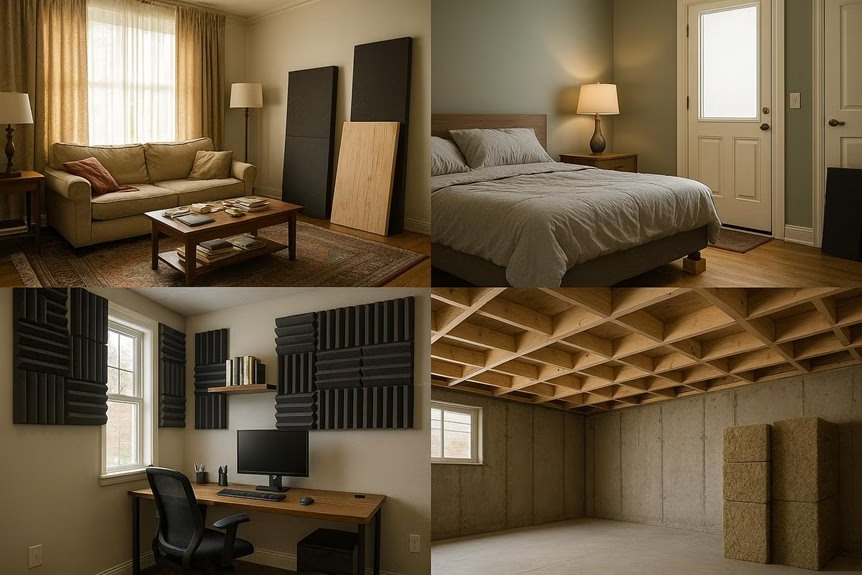
Professional soundproofing typically costs about $1,000 to $12,000+ for a single room, or roughly $10 to $30 per square foot for many standard projects, depending on the construction details and level of noise reduction required. Smaller rooms may fall in the $1,000 to $2,500 range, while mid-size spaces often run $2,500 to $5,500 and larger or more complex rooms can exceed $6,000. Bedrooms, home offices, media rooms, basements, and garages all vary based on wall and ceiling conditions, window weak points, material selections like mass-loaded vinyl or acoustic drywall, and your target STC performance. For homeowners in West Orange, NJ and across the Tri-State area dealing with street noise, neighbor noise, or privacy concerns, a room-by-room breakdown makes it easier to understand where the investment goes and why professional design matters.
Key Takeaways
- Professional soundproofing typically costs about $1,000–$12,000+ per room, with most projects averaging roughly $10–$30 per square foot installed depending on construction type, materials, and performance goals.
- Smaller spaces like bedrooms or home offices often fall between $1,000 and $2,500, while medium-sized rooms may range from $2,500 to $5,500 and larger living spaces can reach $6,000–$12,000 or more.
- For urban homeowners dealing with neighbor noise, street noise, or thin walls, bedrooms and offices commonly range from $1,000–$5,400, while living rooms and dedicated home theaters often run $2,000–$10,500 based on the level of isolation required.
- Garages, basements, and home gyms vary more widely—usually around $1,500–$17,400—because retrofit conditions, ceiling and floor assemblies, and acoustic goals can significantly affect the scope.
- Costs increase when projects call for higher-performance assemblies such as decoupled walls, mass-loaded vinyl, acoustic drywall, upgraded window treatments, or other premium soundproofing strategies designed to deliver stronger noise control and privacy.
How Much Does Professional Soundproofing Cost?
If you hire a professional soundproofing contractor in West Orange, NJ or the Tri-State area, a full-room project typically ranges from about $1,000 to $12,000, while advanced isolation systems often cost $30 to $65 per square foot installed. At Total Home Interiors, pricing depends on the size of the space, the surfaces being treated, and the level of noise control required, with many mid-level assemblies averaging $10 to $30 per square foot.
For practical budgeting, small rooms around 100 to 200 square feet often cost $1,000 to $2,500. Medium rooms from 200 to 400 square feet usually fall between $2,500 and $5,500.
Larger rooms over 400 square feet can reach $6,000 to $12,000 or more, especially when stronger isolation is needed for street noise, neighbor noise, or work-from-home privacy. Professionally designed packages may include layered drywall, mass-loaded vinyl, decoupled wall systems, clips, and acoustic sealants to deliver more reliable, long-term results than typical DIY approaches. Choosing higher-quality materials can also improve a room’s STC rating significantly, helping reduce both sound transfer and echo over time.
What Factors Increase Soundproofing Costs?
Several factors can raise soundproofing costs beyond average ranges, especially in retrofit projects common throughout West Orange, Hoboken, Jersey City, and NYC. When soundproofing is added to an existing home, apartment, office, or commercial space, costs are typically higher than new construction because surfaces often need to be opened, cavities prepared, isolation materials installed, and finishes restored.
Retrofit soundproofing often costs more because existing walls and ceilings require opening, preparation, isolation upgrades, and finish restoration.
Labor is also a major factor, particularly in Tri-State area projects where access limitations, building rules, and scheduling constraints can increase installation time.
Project size also affects investment, since pricing often scales with the total wall, ceiling, or floor area being treated. System design matters as well.
Higher-performance assemblies using mass-loaded vinyl, acoustic drywall, decoupled wall construction, or other premium materials will naturally cost more than basic upgrades, but they also deliver stronger noise-control results. Professional installations also often include warranty coverage, which can add value by protecting workmanship and material performance over time.
Windows and doors are another common cost driver, as they’re often the weakest points for sound transfer and may require specialized sound-rated solutions.
Finally, more advanced scopes increase pricing quickly. If a project requires ceiling isolation, floor treatments, detailed gap sealing, or coordination with acoustic and finish trades, costs move well beyond simple per-square-foot estimates.
At Total Home Interiors, we help clients invest in the right soundproofing strategy from the start, so the solution is tailored to the space, the noise problem, and the level of performance they expect.
How Much Does Soundproofing Cost by Room Type?
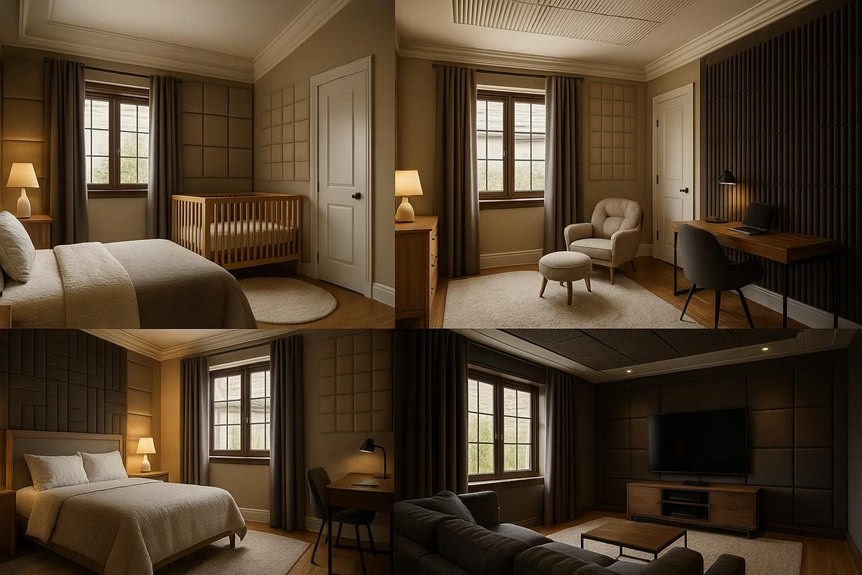
How much soundproofing costs by room type depends on the room’s size, construction, and the type of noise you need to reduce. In homes across West Orange, NJ, Hoboken, Jersey City, and NYC, bedrooms and home offices typically range from $1,000–$5,400, while larger living rooms often fall between $2,500–$10,500 due to more open square footage, shared walls, and additional sound entry points.
For a dedicated home theater, expect soundproofing and acoustic work to range from $2,000–$9,000, especially when the project includes premium solutions like double-layer drywall, mass-loaded vinyl, and isolation methods designed to contain sound and improve audio performance. Budget-conscious projects may lower costs by starting with 5/8-inch type X drywall and upgraded door seals before moving to more advanced isolation upgrades.
Garages can cost $2,800–$17,400, basements usually range from $1,800–$9,000, and home gyms average $1,500–$7,500 when impact noise and vibration control are priorities.
The best way to evaluate value is to compare your noise-reduction and privacy goals with how the room is used every day. Professional installation, window and door upgrades, construction complexity, and timeline requirements all affect final pricing.
For homeowners dealing with street noise, neighbor noise, or work-from-home distractions, professionally designed soundproofing solutions often deliver stronger long-term results than piecemeal DIY fixes.
How Much Do Walls, Ceilings, and Floors Cost to Soundproof?
Beyond room type, soundproofing cost also depends on which surfaces need treatment, since walls, ceilings, and floors each require different assemblies to control noise transfer effectively.
Walls typically range from about $100–$2,000 per treatment area, depending on whether the solution involves acoustic panels, mass-loaded vinyl, soundproof drywall, or more advanced construction methods.
Ceilings often fall between $150–$1,200, with pricing influenced by access, material choice, and whether the goal is reducing impact noise from above or limiting sound transfer between floors.
Floors generally range from $100–$1,500, with options such as acoustic underlayment, carpet systems, or interlocking sound-control materials.
For whole-room soundproofing, most projects land around $10–$30 per square foot, while higher-performance assemblies can reach $30–$65 per square foot.
Assemblies designed to reach an STC rating of 55–60 often cost more because they use added mass, insulation, and decoupling to better control airborne and structure-borne noise.
In homes and apartments throughout West Orange, Hoboken, Jersey City, and NYC, retrofit work often increases labor costs because existing surfaces must be carefully opened, treated, and restored.
That’s why professionally designed soundproofing systems are often the most effective path for homeowners who want meaningful relief from neighbor noise, street noise, and privacy issues.
Which Soundproofing Upgrades Are Worth It?
If you want the best return on your soundproofing budget, start by identifying the biggest noise path instead of trying to treat every surface at once. In many Tri-State homes and apartments, that means beginning with a professional assessment, then air sealing, gap sealing, and upgrading one problem wall or ceiling first—often in the $1,000–$2,500 range depending on construction.
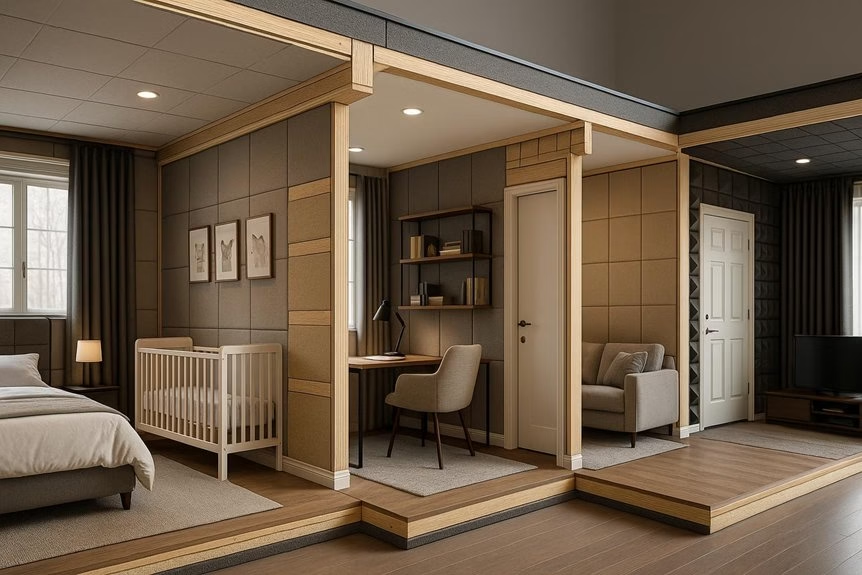
For meaningful airborne-noise reduction, skip inexpensive foam products that do little to stop sound transfer. Higher-performing upgrades like mass-loaded vinyl, acoustic drywall, and decoupled wall assemblies are typically far more effective. Effective sound isolation usually comes from combining mass, decoupling, and sound absorption rather than relying on a single material alone.
MLV often runs about $3–$5 per square foot, while specialty acoustic panels are commonly $40–$60 each for sound-quality control, not true sound blocking.
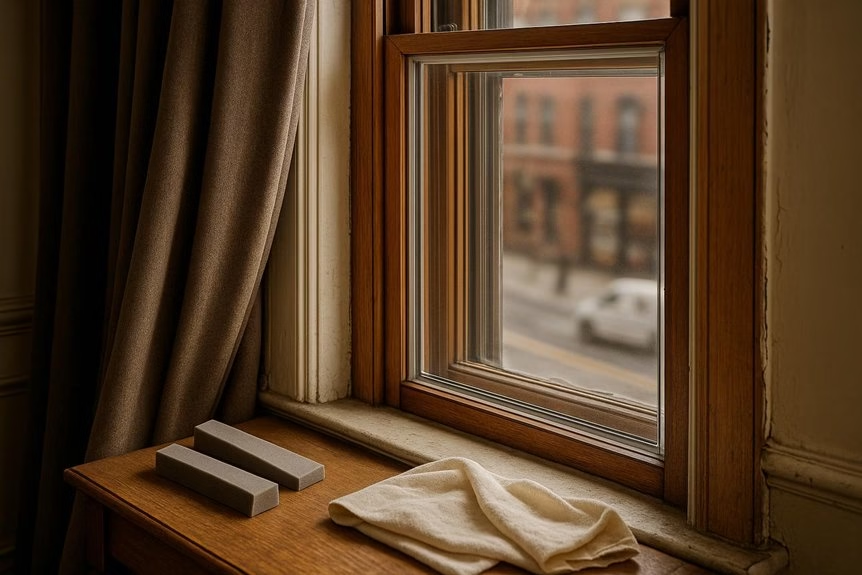
If noise is entering through glass, upgraded window soundproofing can deliver one of the biggest payoffs, with installed costs often around $550–$2,000 per window.
For better privacy, sleep, and low-frequency control, layered wall systems with two 5/8-inch drywall layers, acoustic sealant, and Green Glue are often worth the investment; Green Glue typically costs about $12–$20 per tube.
For impact noise between floors, resilient underlayments or channel systems can make a noticeable difference.
The most cost-effective solution is usually the one designed around your specific space, noise source, and goals—especially in condos, brownstones, and urban homes where professional soundproofing strategy matters more than one-size-fits-all products.
Frequently Asked Questions
How Long Does Professional Soundproofing Installation Usually Take?
Most professional soundproofing installations take about 1 to 5 days, with many single-room projects completed in as little as two days. The exact timeline depends on the construction details of the space, including wall type, ceiling access, the soundproofing system being installed, and required curing times for premium materials.
Larger crews can often shorten the schedule, while more advanced solutions—such as decoupled wall assemblies, mass-loaded vinyl, acoustic drywall, or multi-room soundproofing—may extend the project to a full week.
At Total Home Interiors, we provide clear scheduling expectations upfront so homeowners and businesses across West Orange, NJ and the Tri-State area know exactly what to expect from a professional soundproofing installation.
Can I Stay Home During Soundproofing Work?
Yes, in many cases you can stay home during soundproofing work, but expect construction noise, dust, and temporary loss of access to certain rooms while installation is underway.
At Total Home Interiors, we help homeowners throughout West Orange, NJ, Hoboken, Jersey City, and NYC plan projects carefully so daily routines stay as manageable as possible.
Before work begins, confirm the installation schedule, discuss how crews will protect furniture and finishes, and identify any spaces you’ll need access to during the day, such as bedrooms, bathrooms, or home offices.
If you have pets, children, or work-from-home needs, it’s especially important to coordinate in advance.
Professional soundproofing often involves specialized materials like mass-loaded vinyl, acoustic drywall, and decoupled wall assemblies, so clear communication about ventilation, dust control, and work hours helps ensure a smoother, more comfortable experience.
Will Soundproofing Increase My Home’s Resale Value?
Yes—professional soundproofing can increase your home’s resale value, especially in noisy neighborhoods where peace and privacy stand out to buyers.
Quieter interiors can make a home feel more comfortable, more refined, and better suited for sleep, remote work, and everyday living.
While resale return varies by location and scope, well-executed soundproofing upgrades often improve buyer appeal and help your property compete more effectively.
For homeowners in West Orange, NJ and across the Tri-State area, investing in expert noise control can be a smart way to enhance both livability and marketability.
Does Soundproofing Require Permits or HOA Approval?
Yes—soundproofing may require permits or HOA approval, depending on the scope of work.
In many NJ and NYC-area homes, simple acoustic treatments like surface-mounted panels may be exempt, but projects involving new walls, ceilings, electrical work, window modifications, or structural changes typically require permits and inspections.
If you live in a condo, townhouse, or managed community, HOA or building management approval is often required before installation begins.
At Total Home Interiors, we recommend reviewing local building codes, community rules, and noise-related requirements early—especially for professional soundproofing projects designed to reduce neighbor noise, street noise, and privacy issues without costly delays.
How Do I Choose a Qualified Soundproofing Contractor?
Choose a qualified soundproofing contractor by looking for proven expertise, not just a low price.
Start by confirming licensing and insurance, then ask for references, detailed written estimates, and a realistic project timeline.
A reputable contractor should perform a thorough site assessment, identify how noise is entering the space, and recommend solutions tailored to your room, budget, and goals—not a one-size-fits-all fix.
Ask about the materials they use, such as mass-loaded vinyl, decoupled wall systems, and acoustic drywall, and request clear explanations of their installation methods, warranty coverage, and compliance documentation.
In noise-sensitive homes and commercial spaces across West Orange, NJ, Hoboken, Jersey City, and NYC, professional evaluation is what separates lasting soundproofing results from temporary improvements.
Conclusion
Professional soundproofing costs can vary significantly by room, construction type, and the level of noise control you need. Whether you’re trying to reduce street noise in a Jersey City condo, block neighbor noise in a Hoboken apartment, improve focus in a home office, or create a more isolated media room, the right professionally designed solution can make a measurable difference in comfort, privacy, and daily quality of life. At Total Home Interiors, we emphasize tailored soundproofing strategies using proven materials and construction methods—not guesswork or temporary DIY fixes. While higher-performance systems often require a greater upfront investment, quality design and installation typically deliver better long-term results and fewer frustrations. By understanding your options room by room, you can make a more informed investment in a quieter, more comfortable home.