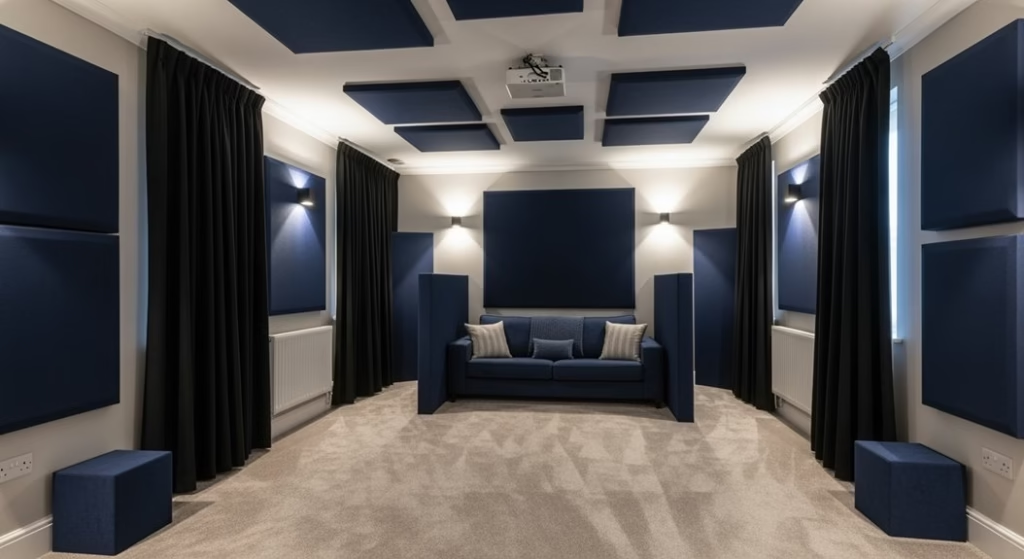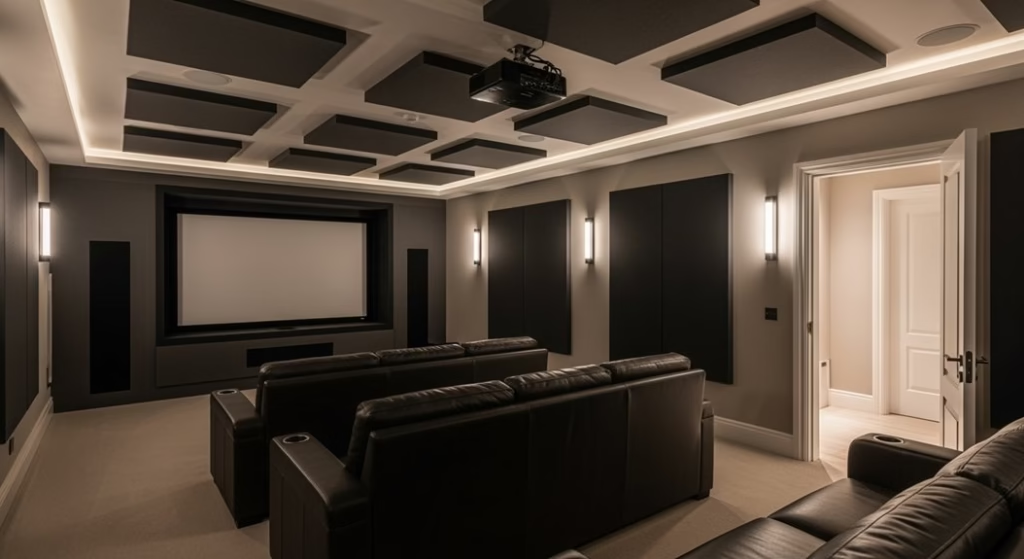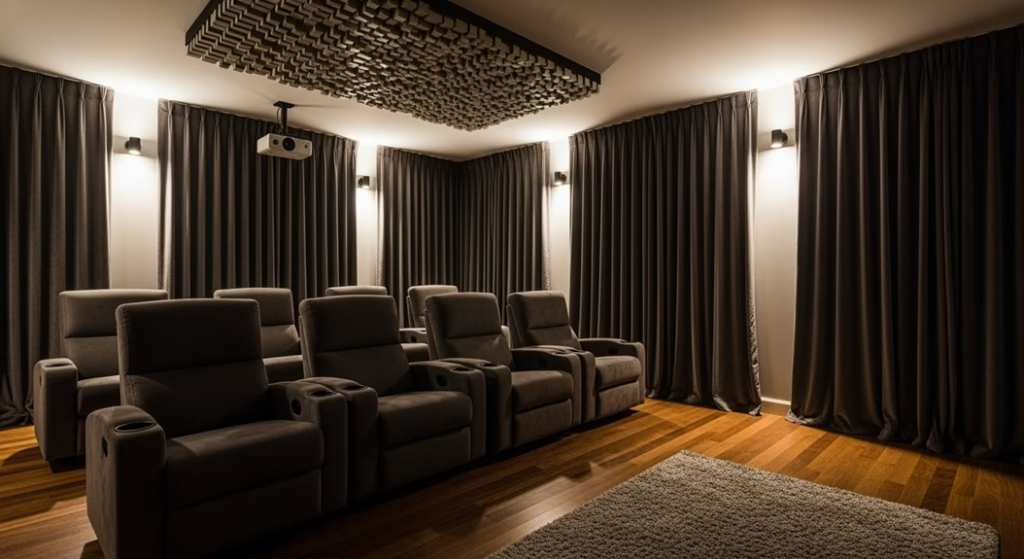
Top Tips for Budget Home Cinema Soundproofing
Boost your home cinema soundproofing on a budget by enhancing wall mass with an extra 5/8-inch type X drywall layer or MLV. Replace hollow doors with solid core ones, and seal gaps with acoustic caulk. Lay thick carpets and rugs with dense underlays for absorbing sound. Decouple drywall using resilient channels or isolation clips, and insulate with fiberglass or mineral wool. Arrange furniture strategically for better acoustics, and there’s more to explore for a high-quality experience.
Key Takeaways
- Add an extra layer of 5/8-inch type X drywall to improve soundproofing on a budget.
- Apply weather-stripping foam tape and door sweeps to seal doors and windows effectively.
- Use thick carpets and area rugs with dense underlays for enhanced sound absorption.
- Construct a double wall system with an air gap to reduce sound transmission efficiently.
- Use fiberglass or mineral wool insulation to absorb high and mid-range frequencies affordably.
Enhancing Wall Mass

When it comes to soundproofing your home cinema, enhancing wall mass is key to minimizing sound transmission. You can start by adding an extra layer of 5/8-inch type X drywall to improve the Sound Transmission Class (STC) rating considerably.
Adding mass is essential, and using soundproofing materials like mass-loaded vinyl (MLV) between drywall layers effectively blocks low frequency sounds. Incorporate a green glue damping compound between these layers to absorb vibrations and further reduce sound energy transfer.
Reinforce your walls with solid wood panels or heavy MDF for added mass, as denser materials absorb more sound. Don’t forget to seal all seams and edges with acoustic caulk to prevent sound leakage, maximizing your wall’s soundproofing potential.
Sealing Doors and Windows
While enhancing wall mass plays a crucial role in soundproofing your home cinema, don’t overlook sealing doors and windows to further improve sound isolation.
Start by replacing hollow doors with solid core doors, which offer better soundproofing due to their density. To achieve airtight seals around doors and windows, apply weather-stripping foam tape.
Install door sweeps at the bottom of doors to minimize sound leakage through gaps. For windows, consider using double-pane glass or window plugs made from sound-absorbing materials to dampen external noise.
Finally, seal any gaps around window frames and door frames with acoustic caulk. By implementing these measures, you’ll markedly reduce sound transmission, enhancing your home cinema experience without breaking the bank.
Using Rugs and Carpets for Sound Absorption

Though often overlooked, rugs and carpets can play a pivotal role in soundproofing your home cinema. They excel at sound absorption, particularly for high and mid-range frequencies, resulting in reduced room reverberation.
Here’s how to make the most of them:
- Choose Thick Carpets and Area Rugs: Opt for those made from soft fibrous materials like wool or polyester to effectively reduce noise and improve soundproofing.
- Use Dense Underlays: Place these beneath carpets to enhance sound absorption and limit sound leakage through the floor.
- Strategic Placement: Position rugs at reflective points, such as under seating or in front of speakers, to minimize sound leakage and elevate your listening experience.
Incorporating these strategies, you’ll greatly improve your home cinema’s acoustics.
Implementing Decoupling Techniques
After you’ve laid down rugs and carpets to absorb sound, it’s time to contemplate decoupling techniques for more robust soundproofing in your home cinema.
A double wall system with an air gap can drastically reduce sound transmission, achieving an impressive STC rating above 60. This setup is ideal for keeping your movie experience isolated.
By using resilient channels to suspend drywall, you minimize structure-borne sound, as they separate the drywall from the wall studs, dampening vibrations effectively. Incorporating sound isolation clips further enhances soundproofing by connecting drywall to studs without direct contact, reducing vibration transmission.
For low-frequency sound isolation, consider larger decoupling spaces. Though they might consume some space, the soundproofing benefits make it worthwhile.
Prioritizing Insulation in Walls and Ceilings

To effectively enhance your home cinema’s soundproofing, prioritize insulating the walls and ceilings. Proper insulation greatly boosts sound absorption and achieves a better STC rating. Here’s how you can do it:
Insulate walls and ceilings for optimal sound absorption and improved STC in your home cinema.
- Insulating Walls: Use fiberglass or mineral wool to absorb high and mid-range frequencies, aiming for an STC rating of 55-60. These materials also improve energy efficiency.
- Increase Mass: Apply multiple layers of 5/8-inch type X drywall on walls and ceilings. This effectively blocks low frequencies, especially bass sounds.
- Sound Isolation: Construct double 2×4 walls with a 1-inch air gap, and use sound isolation clips to decouple drywall from studs, minimizing vibrations and improving soundproofing.
These steps will create a more immersive cinema experience.
Strategic Furniture Arrangement for Acoustic Improvement
When setting up a home cinema, arranging your furniture strategically can greatly improve acoustics. Start by placing couches and chairs near walls to absorb sound and create a reflection-free zone, minimizing audio distortion.
Use soft fabrics in upholstery and curtains to further absorb sound waves and enhance soundproofing. Large bookshelves filled with books along the walls help diffuse sound, reducing echo and enhancing room acoustics.
Area rugs or carpets on hard floors also absorb sound, preventing it from bouncing around. Keep seating away from walls to reduce sound reflections, ensuring ideal speaker placement for your home theater.
With thoughtful furniture arrangement, you can considerably enhance acoustic improvement, making your viewing experience quieter and more enjoyable.
Frequently Asked Questions
How to Soundproof a Home Cinema?
To soundproof a home cinema, you’ve got to focus on using soundproof materials effectively.
Start with wall insulation and ceiling treatment to block sound. Lay thick carpets or rugs as flooring options to absorb noise.
Install acoustic panels and bass traps to tackle mid and low frequencies. Use soundproof curtains and door seals for noise reduction.
Finally, plan your home theater layout to maximize the effectiveness of these elements.
What Is the Best Soundproofing for Home Theaters?
Imagine transforming your spare room into a home theater oasis.
You’d start with acoustic panels and soundproof curtains to control reflections. Add floor underlay and wall insulation for extra sound dampening.
Ceiling tiles and door seals keep sounds contained, while window treatments block outside noise.
Bass traps absorb low frequencies, and soundproof foam enhances overall quality.
These sound absorbing materials create an immersive audio experience, making your theater truly exceptional.
How to Do Soundproofing Cheaply?
To soundproof cheaply, you’ll want to focus on using budget materials and creative solutions.
Start by applying weather stripping to create airtight door seals. Add DIY insulation with foam tiles and construct acoustic panels from cardboard and fabric.
Rearrange your room layout strategically to maximize noise reduction. Install soundproof curtains as sound barriers, and consider thick rugs or carpets.
These steps can effectively enhance soundproofing without breaking the bank.
How to Make Home Theatre Sound Proof DIY?
Imagine transforming your home theater into a fortress of silence!
You’ll need acoustic panels and soundproof curtains to tame those wild sound waves. Install weather stripping and door seals to block sneaky noise.
Immerse yourself in foam tiles and bass traps for taming echoes. Don’t forget ceiling insulation and floor underlayment to shield against bass.
Wall coverings and DIY materials will be your trusty sidekicks in creating the ultimate soundproof haven.
Conclusion
You’ve explored the secrets of budget-friendly home cinema soundproofing, and now it’s time to put theory into action. By enhancing wall mass, sealing doors and windows, and cleverly using rugs, carpets, and furniture, you can create a true sanctuary. Imagine experiencing every whisper and roar without outside interruptions. Decoupling and prioritizing insulation are your allies in this quest. When you see it all come together, you’ll realize that a perfect cinematic experience is not just a dream—it’s your new reality.