Yoga Studio: How We Restored Serenity After Loud Gym Noise Next Door
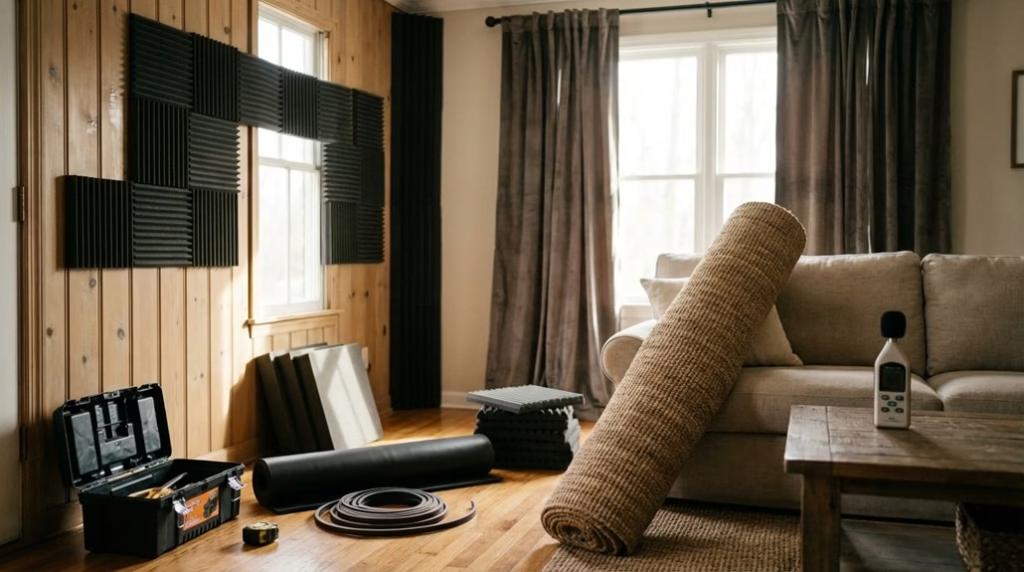
You’ve faced a challenging situation with loud gym noise disrupting your peaceful yoga studio. By implementing soundproofing techniques like Mass Loaded Vinyl and acoustic panels, as well as enhancing flooring and ceiling acoustics, you’ve restored tranquility. Introducing carpets, curtains, and strategic studio layouts have further minimized noise. These structural modifications and practical adjustments help maintain serenity and improve the yoga experience. Reveal the full journey of preserving your studio’s calming ambiance as you move forward.

Key Takeaways
- Installed Mass Loaded Vinyl and soundproof drywall to block noise from the gym equipment.
- Enhanced sound absorption using acoustic panels made from mineral wool and fiberglass throughout the studio.
- Implemented cork and rubber flooring to naturally absorb and reduce foot traffic noise.
- Applied acoustic sealant to close gaps in walls and ceilings, preventing noise leakage.
- Utilized thick curtains and fabric wall hangings to absorb airborne sounds and improve privacy.
Identifying the Noise Challenges
While addressing the need for a serene atmosphere in yoga studios, identifying noise challenges is essential.
You’re dealing with various noise sources that disrupt tranquility. Mechanical noise from gym equipment, like treadmills, produces low-frequency vibrations that seep through walls. On the other hand, loud music and fitness classes next door generate high-decibel sounds, creating an unwelcome cacophony.
Mechanical noise and high-decibel sounds create an unwelcome cacophony, disrupting the tranquility of your yoga studio.
Foot traffic noise, especially from dropping weights, adds sharp, intermittent sounds. HVAC systems contribute a constant low hum, further polluting the soundscape. Acoustic treatment blocks external noises and manages internal sounds, which is crucial for maintaining a peaceful environment.
Echoes from large open spaces with hard surfaces amplify these disturbances, affecting your studio’s ambiance. Understanding the sound frequencies at play, from low thumps to mid-high music, helps pinpoint the culprits behind the auditory chaos invading your peaceful space.
Implementing Acoustic Panel Solutions
To create the peaceful environment your yoga studio deserves, tackling noise challenges head-on is paramount. Implementing acoustic panel solutions is essential. Consider these steps:
- Select Appropriate Acoustic Panel Types: Choose panels made from fiberglass, foam, or mineral wool. Fabric-wrapped options offer both acoustic effectiveness and aesthetic appeal.
- Choose Installation Methods: Use impaling clips or adhesives for permanent setups, or mechanical fasteners like Rotofast for flexibility.
- Strategic Placement: Position panels at first reflection points, corners, and large flat surfaces for maximum absorption. Gymnasiums often have hard, reflective surfaces that create excessive echoes, so addressing these areas in your studio can significantly improve sound clarity.
- Optimize Coverage: Depending on room size, adjust the number of panels. Small studios need fewer panels, while larger spaces require more, especially near walls and ceilings close to noisy neighbors.
Enhancing Floor and Ceiling Acoustics
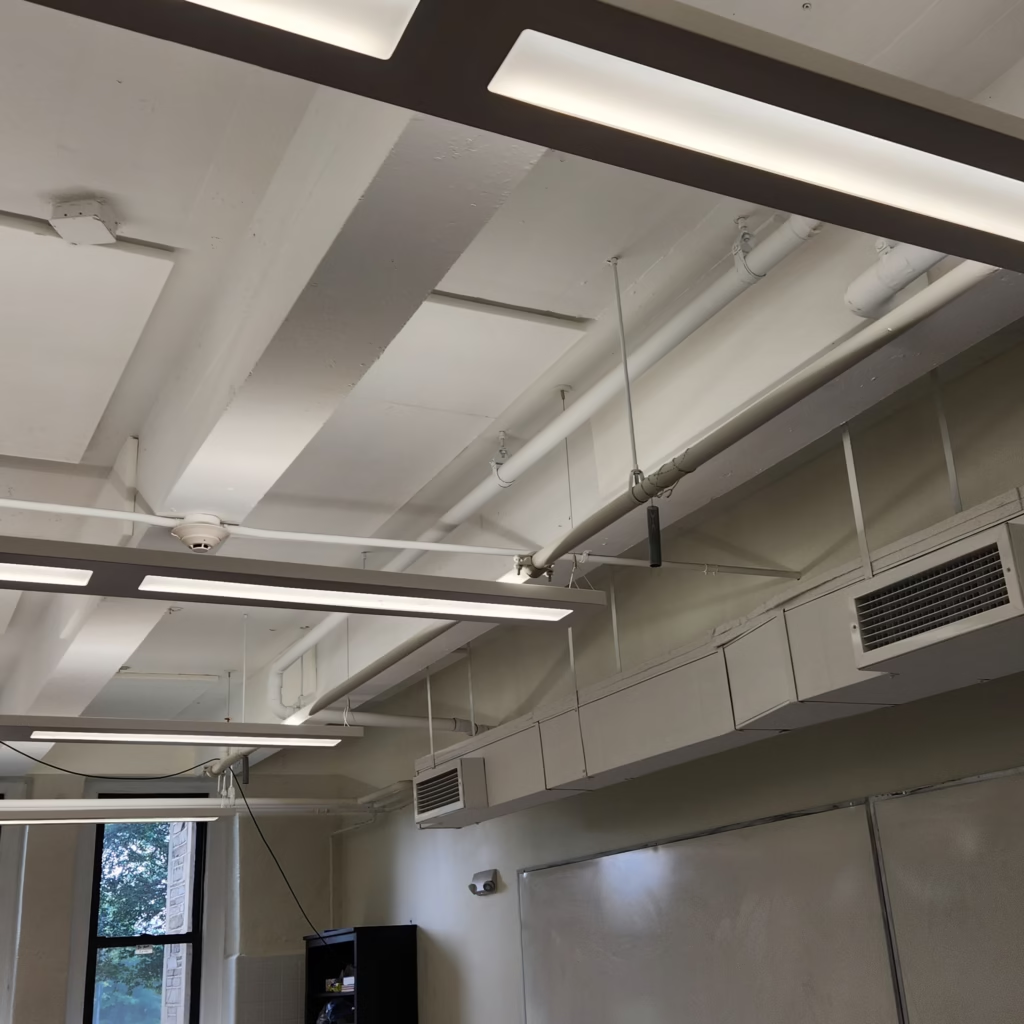
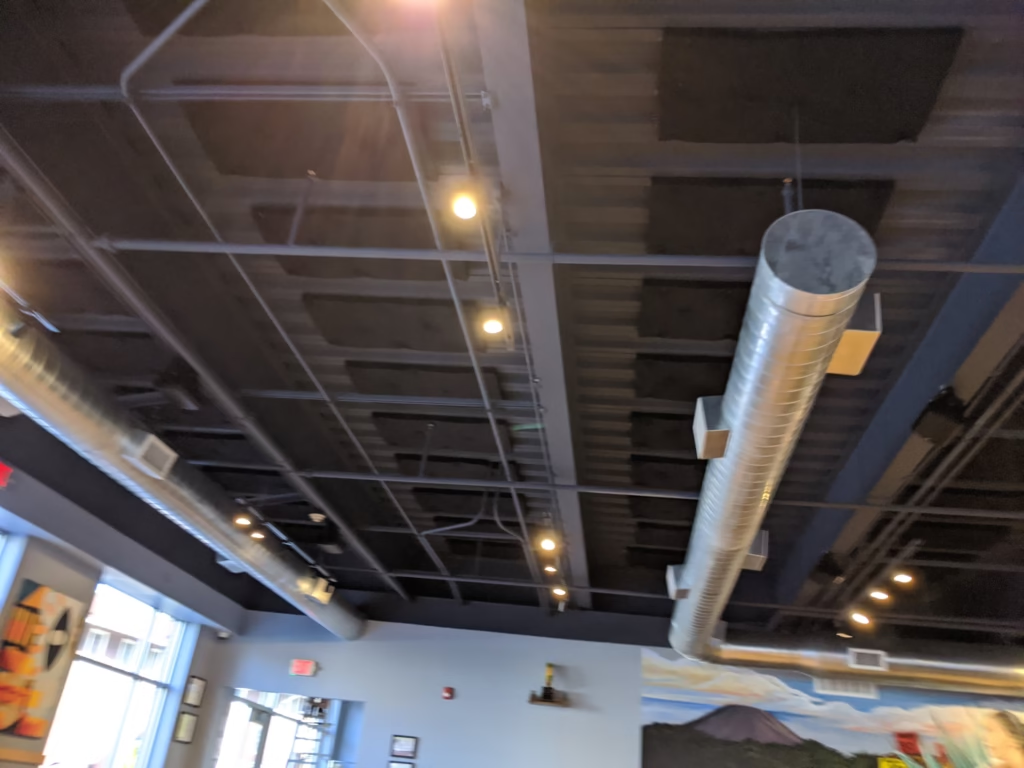
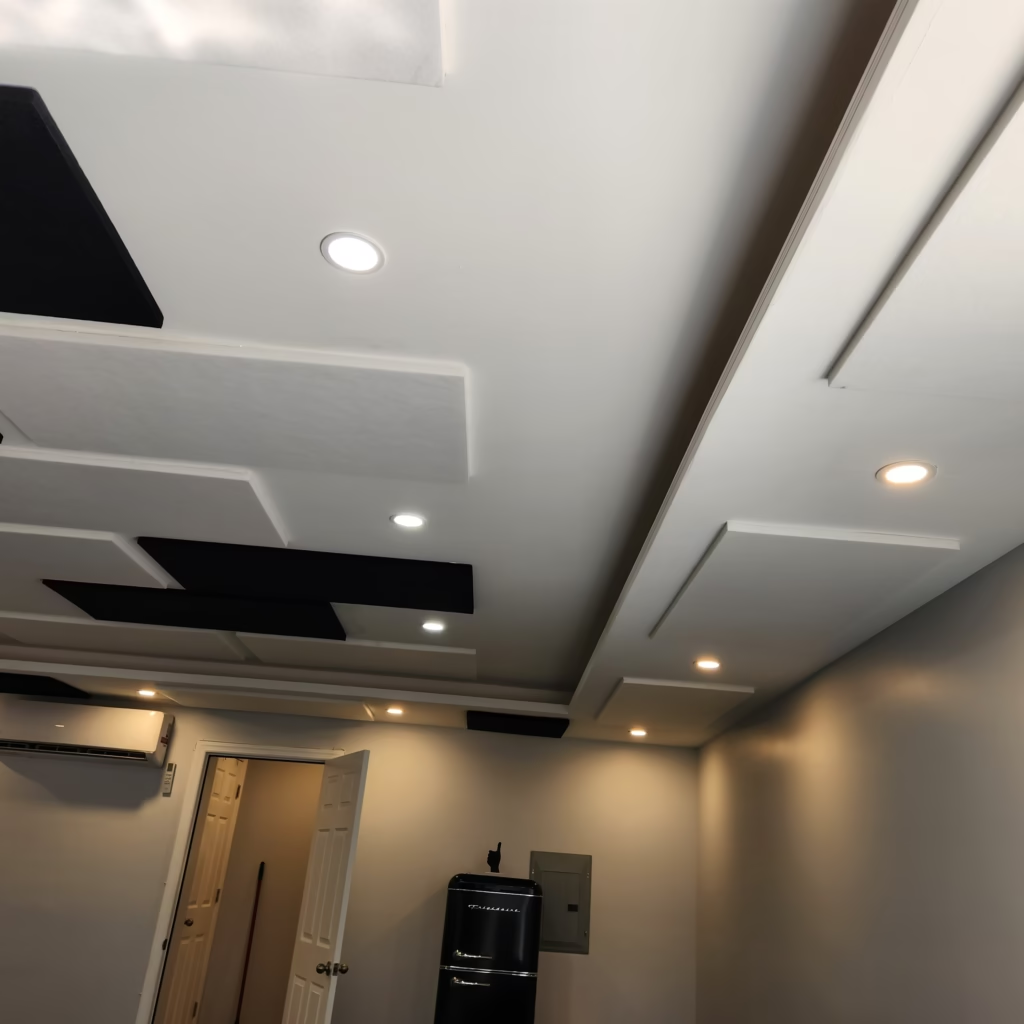
When creating a serene and acoustically balanced environment in your yoga studio, addressing floor and ceiling acoustics is essential. Choosing the right floor materials can greatly reduce noise. Opt for carpets or rugs with thick underlays, which absorb airborne sounds and reduce impact noise. Cork and rubber flooring are excellent for natural sound absorption and durability. For ceiling treatments, consider using ceiling baffles or clouds. These acoustical elements hang or suspend to disrupt sound wave travel and manage reverberation, especially in rooms with high ceilings. Incorporating soundproofing insulation within the ceiling cavity further reduces noise transmission. To achieve optimal performance, combine traditional soundproofing materials with acoustical treatments, ensuring the studio remains peaceful. Enhance aesthetics with decorative soft materials or fabric wraps, blending absorption with visual comfort. Together, these strategies create a tranquil atmosphere.
Structural Soundproofing Modifications
As you enhance the acoustics of your yoga studio’s floors and ceilings, don’t overlook the importance of structural soundproofing modifications to create a truly serene environment. Focus on these key strategies:
- Mass Loaded Vinyl: Install MLV behind wall surfaces to block sound transmission and add significant mass to your walls.
- Sound Isolation Clips: Use these clips to decouple ceiling and wall drywall from structural elements, reducing vibration transfer.
- Dense Insulation: Fill wall cavities with mineral wool or fiberglass to absorb sound and improve Sound Transmission Class (STC) ratings.
- Sealing Gaps: Apply acoustic sealant to close gaps in walls and ceilings, preventing noise leakage and enhancing sound isolation.
Additionally, consider adding thick curtains or blinds, which not only reduce outside noise but also offer privacy and contribute to a peaceful environment.
Effective Use of Sound Masking Techniques
If you’re looking to create a peaceful oasis in your yoga studio, sound masking can be an effective strategy to minimize distractions and enhance relaxation.
By using ambient background noise tuned to human speech frequencies, you mask intrusive sounds, improving auditory privacy. Install ceiling-mounted speakers to distribute masking noise evenly, maintaining levels between 40 to 48 decibels. Incorporating white noise machines can also help in raising ambient sound levels to mask distractions. This subtle technique doesn’t interfere with direct conversations but effectively obscures distant chatter. Choose sounds like white noise, nature sounds, or soft instrumental music to raise background noise, reducing sudden disruptions.
Properly calibrated, sound masking maintains a serene environment, essential for meditation and yoga. This approach enhances concentration, offers acoustic comfort, and seamlessly integrates with your studio’s design, ensuring continuous tranquility.
Practical Adjustments for Noise Reduction
While sound masking techniques set a serene auditory backdrop, practical adjustments for noise reduction further refine your studio’s environment.
Implementing noise isolation strategies with soundproofing materials guarantees tranquility. Here’s how:
- Structural Modifications: Install soundproof drywall and resilient channels to decouple surfaces, considerably reducing vibration transfer.
- Absorptive Materials: Use thick carpets, heavy curtains, and fabric wall hangings to absorb sound and diminish echoes.
- Acoustic Treatments: Mount acoustic foam panels and suspended ceiling tiles to absorb sound, reducing reverberation.
- Spatial Layout: Design your studio layout to buffer yoga spaces from noise, using plants and partitions as sound diffusers. High ceilings and concrete walls in gyms can exacerbate echo issues, so addressing these structural features is crucial for effective soundproofing.
These adjustments create a peaceful atmosphere, guaranteeing an uninterrupted yoga experience.
Observing the Positive Impact on Yoga Practice
Embracing the serene environment created by sound management, you can truly appreciate the positive impacts on yoga practice. Yoga benefits extend beyond physical flexibility, enhancing auditory focus and cognitive efficiency. By reducing intrusive noise, your ability to enter a meditative state improves, allowing the brain to shift towards relaxing alpha waves. Regular practice of Yoga may lead to plasticity in the efferent auditory system, with increased contralateral suppression of OAE indicating enhanced sensory perception. This enhanced auditory focus means you can filter out distractions, deepening your practice and fostering serenity. The neuroprotective effects of yoga, like maintaining gray matter volume, further support concentration and emotional balance. You experience effortless doing, where cognitive resources are optimized, reducing mind-wandering. This tranquility enables you to immerse fully in your practice, underscoring yoga’s holistic benefits in maintaining focus amid potential distractions.
Frequently Asked Questions
How Long Did the Entire Soundproofing Process Take?
You’re wondering about the timeline for the entire soundproofing process.
Typically, soundproofing techniques start with an acoustic assessment, taking 1 to 3 days.
Design and material selection follow, lasting 3 to 7 days.
The installation timeline varies with gym size, generally 3 to 10 days.
Finally, post-installation testing and adjustments take another 1 to 2 days.
What Was the Total Cost of the Soundproofing Project?
You’re wondering about the total cost of a soundproofing project.
Well, depending on your studio size and the soundproofing materials chosen, costs can vary from $1,000 to $5,000.
Budget considerations are vital; you’ll need to factor in potential expenses for additional materials if low-frequency noise proves troublesome.
Allocating funds for contingency is wise, ensuring you’re prepared for any unexpected costs that might arise during the soundproofing process.
Were There Any Unexpected Challenges During the Implementation?
You encountered several unexpected obstacles during the implementation of soundproofing techniques. Low-frequency noise proved tricky, as standard measures didn’t fully block it.
Installing decoupling techniques like resilient channel isolation clips required specialized expertise, complicating the process. You also had to juggle sound absorption with aesthetics, ensuring the studio maintained its ambiance.
Coordination challenges with neighboring businesses and material acquisition delays added further complexity, testing your problem-solving skills at every turn.
Did You Receive Any Professional Advice or Consultation for the Project?
You received professional advice for the project, relying on expert recommendations to tackle noise issues effectively.
Acoustic solutions were tailored specifically to address the sound challenges between spaces. Consultants evaluated noise sources and suggested soundproofing materials and architectural modifications.
They guided you through selecting acoustic panels and structural enhancements, ensuring compliance with local noise regulations.
This approach not only solved the problem but also prevented future disputes with neighboring businesses.
Have You Noticed an Increase in Studio Attendance Post-Soundproofing?
Imagine your studio as a calm oasis amid a bustling city. Since soundproofing, you’ve seen attendance patterns blossom like a garden in spring.
Student feedback paints a picture of enhanced focus and tranquility, with many praising the newfound serenity.
You’ve likely noticed a steady rise in class attendance, with more students lingering post-session, basking in the peaceful atmosphere.
It seems the sound of silence has become your studio’s greatest asset.
Conclusion
In the end, you’ve transformed your yoga studio into a sanctuary of calm, where peace now flows like a gentle river. By tackling noise head-on, using acoustic panels, soundproofing, and creative sound masking, you’ve woven a cocoon of tranquility. Each practice session is a demonstration of your dedication, as students find their zen without distraction. Your efforts have not only silenced the racket but also amplified the serene spirit of yoga, enhancing every moment spent in meditation and movement.