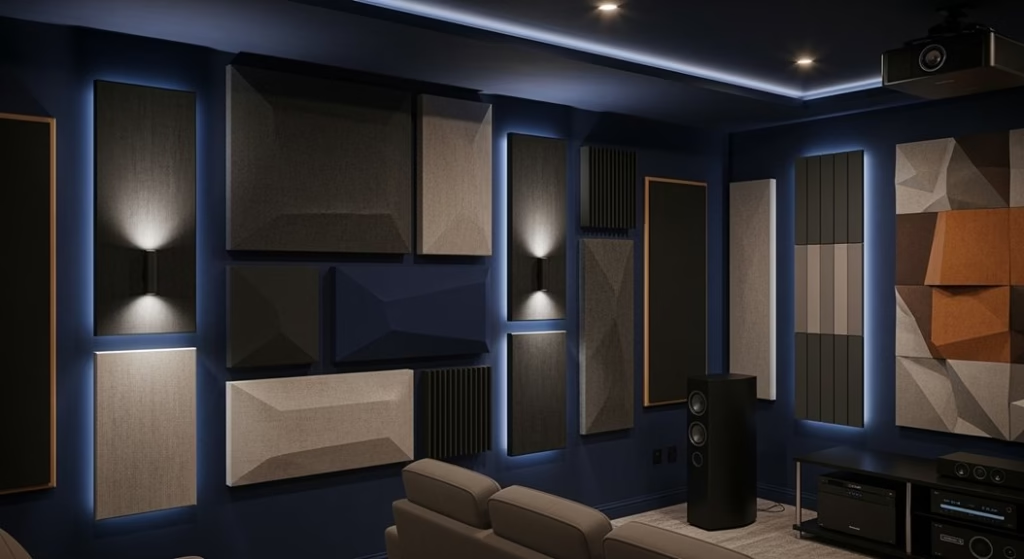
Start by addressing the biggest sound leaks around the door, windows, wall penetrations, and HVAC boots, since even small gaps can undermine privacy and focus in a home office. Professional upgrades like acoustic weatherstripping, an automatic door sweep, improved window sealing, or laminated glass can significantly reduce outside noise. If more isolation is needed, advanced soundproofing methods such as decoupled wall or ceiling assemblies and duct treatments with acoustic liner or baffles provide a far more effective result than surface-level fixes. From there, acoustic panels, rugs, and tailored window treatments can refine the room’s sound quality for clearer calls and better concentration—with additional solutions available through a custom-designed approach.
Key Takeaways
- Start by identifying and professionally sealing the biggest sound leaks around window perimeters, door frames, wall penetrations, and HVAC boots, since these overlooked gaps often undermine home office privacy and focus.
- Improve noise isolation with upgraded office doors and windows, using acoustic seals, door sweeps, and laminated glass solutions that help reduce street noise, neighbor noise, and other outdoor distractions.
- When basic measures are not enough, more advanced soundproofing may require decoupled wall or ceiling assemblies with mineral wool, resilient channel, and acoustic drywall to limit vibration transfer through the structure.
- HVAC paths should also be addressed with acoustic duct treatments, lined baffles, and isolation detailing so the system supports comfort without becoming a channel for unwanted noise.
- To make calls clearer and deep-focus work more comfortable, add acoustic finishes that reduce echo and improve speech clarity, creating a quieter, more polished home office environment.
Find the Biggest Noise Leaks First
Before investing in additional panels or rebuilding assemblies, identify the biggest noise leak paths first. Sound regularly travels through small perimeter gaps, weak transitions, and untreated penetrations, so the first priority is locating those failure points.
Locate the biggest sound leak paths first, because small gaps and untreated penetrations often undermine every other noise-control upgrade.
Start with window perimeters and frame edges, where air gaps often allow both drafts and exterior noise to enter. These areas should be professionally sealed with glazing tape, rubber insulation, and acoustic-grade perimeter treatments to interrupt the continuous crack sound follows.
Next, evaluate any exterior-facing wall that borders traffic, shared property lines, or other recurring noise sources. In many homes and apartments across West Orange, Jersey City, Hoboken, and NYC, one wall is responsible for a disproportionate amount of unwanted sound transfer.
That wall should be prioritized for a true soundproofing upgrade, typically combining added mass with decoupling. Existing brick or plaster can serve as part of the mass layer, while a separated interior stud assembly and air gap help reduce vibration transfer far more effectively than cosmetic surface fixes.
Ceiling penetrations are another major priority, especially around HVAC boots and duct runs that can carry sound from floor to floor or room to room. These routes often behave like open channels for noise if left untreated.
A professional solution may include baffle boxes and secondary duct lining designed to absorb sound while maintaining proper airflow and system performance.
Finally, inspect ceiling-to-wall transitions and other concealed junctions where flanking noise commonly bypasses otherwise solid construction. Closing these hidden paths with backer rod, acoustic sealant, and code-compliant fire-stopping helps complete the acoustic envelope.
Because excessive noise can reduce productivity by up to 66%, resolving these high-impact leak paths first is especially important in a home office meant for calls and deep focus.
For homeowners and commercial spaces alike, addressing these primary leak points first leads to better soundproofing results and avoids wasting money on treatments that don’t solve the real source of the problem.
Seal Your Home Office Door
Even with well-treated walls, a home office door is often one of the biggest weak points for sound leakage. Small gaps around the frame and threshold can let in street noise, household activity, and conversation—making it harder to focus, work, or take calls in peace.
At Total Home Interiors, we look at the full door assembly, not just the door itself. The perimeter is typically the first place sound escapes, so sealing the sides and top of the frame with high-quality acoustic weather stripping is essential. Installing dense neoprene seals around the perimeter can create a more airtight seal and improve both noise control and thermal insulation.
The threshold also matters: adding a proper door bottom or sweep helps reduce noise transfer through the gap underneath.
- Address the perimeter first, since frame gaps can undermine an otherwise solid room.
- Improve the threshold seal to limit sound leakage at the bottom of the door.
- If a heavier door is part of the solution, make sure the frame and supporting structure are reinforced correctly to maintain long-term acoustic performance.
For higher-performance soundproofing, a professionally built acoustic door system may include upgraded framing methods and isolation details that help reduce sound transmission more effectively than basic DIY fixes. The best results come from treating the door, frame, and threshold as one complete sound-control system.
For homeowners in West Orange, NJ, and across the Tri-State area, Total Home Interiors provides expert soundproofing solutions designed for real privacy, better focus, and a quieter home office environment.
Upgrade Windows for Outside Noise
Along with the door, your windows have a major impact on how much outside noise reaches your home office. For meaningful sound reduction, this is where professional soundproofing makes the biggest difference.
At Total Home Interiors, we recommend upgraded window assemblies designed specifically for noise control, such as thicker tempered and laminated glass combinations that add mass and help reduce traffic noise, bass-heavy sound, and other common urban disturbances.
Just as important as the glass is the way the entire window system is sealed and installed. Worn weatherstripping, unsealed perimeters, and small frame gaps can allow sound to pass through even when the glass itself is upgraded.
Professional sealing methods, including improved perimeter isolation and vibration-resistant installation techniques, help create a tighter, more effective barrier against outside noise. In many cases, acrylic inserts can complement these upgrades by flexing to absorb sound energy and reducing noise conducted through the window.
For homeowners in West Orange, Hoboken, Jersey City, and across the Tri-State area, Total Home Interiors delivers custom window soundproofing solutions that go far beyond basic DIY fixes—helping create quieter, more comfortable spaces for work, rest, and privacy.
Decouple Walls and Ceilings
If noise is still entering the room after upgrading doors and windows, the next step is a professionally designed decoupled wall or ceiling assembly.
This is one of the most effective ways to reduce vibration transfer from adjacent units, shared walls, and overhead structure—especially in apartments, condos, and urban homes throughout West Orange, Hoboken, Jersey City, and NYC.
A proper decoupling system creates separation between the existing structure and the new interior surface, helping prevent sound from traveling directly into the office.
This may include an inner framed wall set off the existing mass wall, a mineral wool-insulated cavity, or a resilient clip and channel system that allows the finished surface to “float” rather than remain rigidly connected to brick, plaster, or framing.
This room-within-a-room approach can deliver even greater isolation by further reducing direct vibration transfer through the structure.
For stronger sound isolation, assemblies are typically built with multiple layers of acoustic drywall to add mass and improve transmission loss.
Every perimeter joint, seam, and penetration should be sealed with acoustic sealant to limit flanking paths that can undermine performance.
Ceilings can also be decoupled using independent framing or engineered channel systems, then finished with layered board assemblies appropriate for both acoustic performance and code compliance.
When designed and installed correctly, decoupled walls and ceilings can significantly reduce structure-borne noise while preserving safety, finish quality, and day-to-day comfort.
For homeowners and professionals dealing with persistent noise, this is where expert soundproofing design makes the difference.
Soundproof HVAC With Baffles and Liner
After controlling vibration through the walls and ceiling, the HVAC path also needs attention so your office stays quiet without sacrificing fresh air. At Total Home Interiors, we typically specify a properly sized ERV for the space—often around 60 CFM for a single office—and route ductwork through a lined baffle box or acoustic muffler assembly to limit outside noise traveling in through the ventilation system.
To reduce mid- and high-frequency duct noise, we use professional-grade sound-absorbing HVAC liner designed for acoustic performance without restricting airflow. Materials should be selected for durability and resistance to microbial growth to support a cleaner, healthier system. This approach works best when paired with sound absorption strategies that help reduce resonance and echo throughout the room.
Where ducts pass through a soundproof wall or ceiling assembly, they should be isolated with insulation and vibration-breaking details so the ductwork doesn’t compromise the overall soundproofing system.
Insulated attic duct runs and acoustically treated registers further help reduce breakout noise, sound leakage, and airflow hiss.
Use Rugs, Curtains, and Acoustic Panels
Soft finishes play an important role in a quieter, more comfortable home office, especially once the main structural sound paths have been addressed.
Soft finishes help transform a home office into a quieter, more comfortable space once core sound issues are properly addressed.
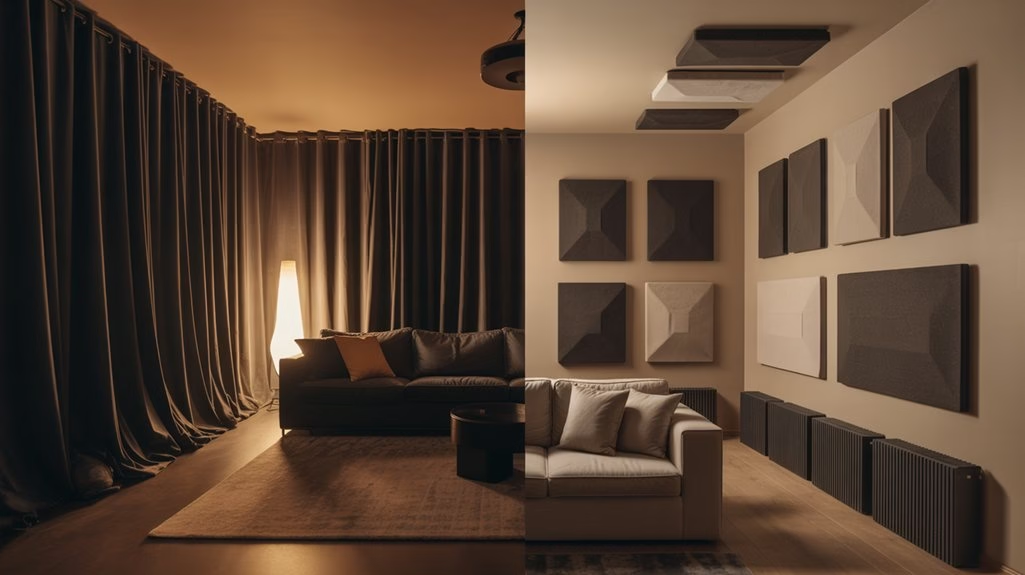
Rugs, drapery, and acoustic panels help absorb the leftover sound energy that can make a room feel harsh, echo-prone, and distracting.
Start from the floor and work upward:
- Add a dense area rug and pad to help reduce floor reflections and soften footfall noise.
- Install thick drapery or motorized window treatments to improve privacy, control light, and help soften sound around glass and other hard surfaces.
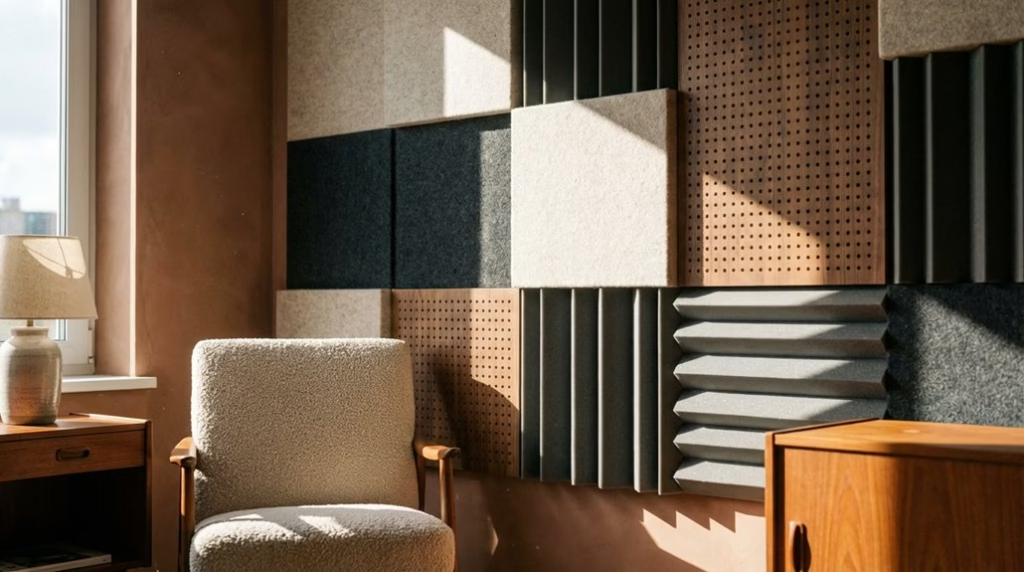
- Place fabric-wrapped acoustic panels in key locations to reduce echo and improve speech clarity during calls and meetings.
Each treatment serves a different purpose.
Rugs help control floor bounce, window treatments soften reflections around windows while adding privacy and convenience, and acoustic panels improve overall sound quality for clearer conversations and better focus.
For even better performance, place panels at first reflection points to reduce echoes and improve speech intelligibility.
For the best results, these solutions should be planned as part of a professionally designed acoustic strategy—especially in Tri-State homes and apartments where hard surfaces, open layouts, and outside noise often work together.
Total Home Interiors designs and installs tailored acoustic and window treatment solutions that look refined and perform far beyond basic DIY fixes.
Optimize Your Home Office for Calls
A well-designed home office should support clear, comfortable calls—not force you to work around echo, outside noise, or poor privacy. At Total Home Interiors, we help Tri-State homeowners improve voice clarity with professional acoustic treatment and soundproofing solutions that go far beyond temporary fixes.
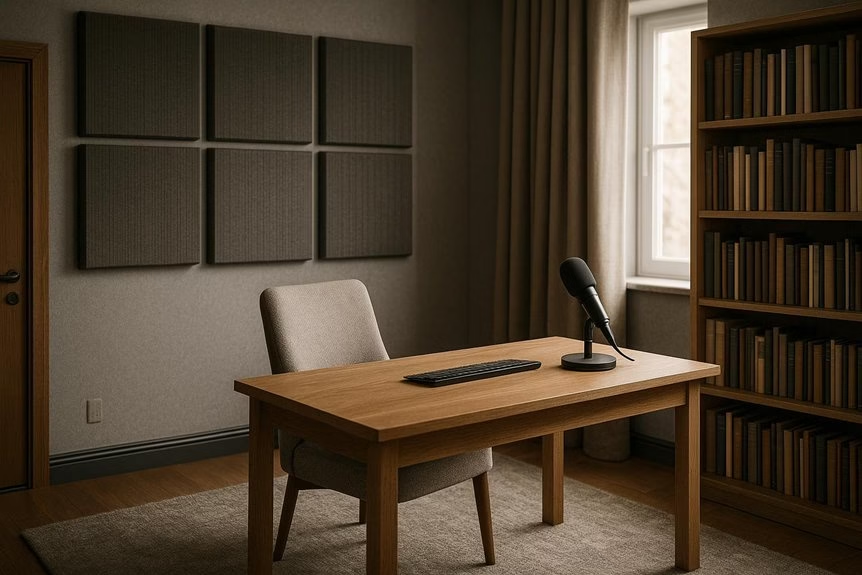
For remote work spaces, we often begin with acoustic panels placed at key reflection points to reduce echo and make speech sound more natural on calls. Using the mirror technique can help identify first reflection points so panels are placed for the best speech clarity. Fabric-wrapped wall panels can be integrated beautifully into the room while improving comfort for both you and the people on the other end of the line.
Just as important is sound isolation: sealing gaps around the office door with proper weather stripping and addressing weak points in the room can significantly reduce noise transfer from hallways, adjacent rooms, or nearby streets.
When greater privacy and performance are needed, Total Home Interiors can recommend more advanced soundproofing strategies, including upgraded doors, improved window assemblies, and construction methods that limit vibration transfer through walls and framing.
We also consider the full environment, including quieter ventilation approaches and thoughtful technology integration, so your office feels as polished as it sounds.
The result is a home office that delivers better speech intelligibility, less listening fatigue, and a more professional experience every time you take a call.
Frequently Asked Questions
How Much Does Professional Home Office Soundproofing Typically Cost?
Professional home office soundproofing typically costs about $1,000 to $10,000+, depending on the room size, existing construction, and how much noise reduction you need. Lower-cost projects may involve sealing air gaps, improving door seals, or adding acoustic panels to reduce echo and improve focus.
Higher-end solutions often include mass-loaded vinyl, upgraded insulation, decoupled wall assemblies, acoustic drywall, or better-performing doors and windows for meaningful sound isolation.
For homeowners in West Orange, Hoboken, Jersey City, and NYC dealing with street noise, neighbor noise, or work-from-home distractions, professionally designed soundproofing delivers far better results than piecemeal DIY fixes.
If your goal is near studio-level isolation or true speech privacy, expect pricing at the upper end of the range.
Can I Soundproof a Rented Home Office Without Permanent Modifications?
Yes—if you rent, you can improve a home office without making permanent changes, but it’s important to separate basic noise reduction from true soundproofing.
Soft furnishings, rugs, heavier drapery, and removable acoustic panels can help reduce echo and make calls sound clearer, while door sweeps and temporary seals may lessen some sound leakage.
These renter-friendly upgrades are useful for creating a more call-friendly workspace, but they’ll not fully stop outside noise or sound transfer through walls, ceilings, or windows.
For meaningful sound control—especially in apartments, condos, and urban homes across NJ and NYC—professional acoustic planning makes the difference.
Total Home Interiors helps clients identify whether they need acoustic treatment for better sound quality, sound masking for privacy, or true soundproofing solutions for noise transfer.
If you’re dealing with distracting neighbor noise, street noise, or poor speech privacy, we can recommend the right approach for your space and goals.
Will Soundproofing Increase My Home Office’s Resale Value?
Yes, soundproofing can increase your home office’s resale appeal, especially for buyers who value quiet, privacy, and work-from-home functionality. A professionally soundproofed office feels like a premium, move-in-ready upgrade that can make your home more attractive in the Tri-State area, particularly in condos, townhomes, and properties affected by street or neighbor noise.
While the return isn’t always dollar-for-dollar, quality noise-control improvements can help support a stronger asking price, generate more buyer interest, and make your home stand out in competitive West Orange, NJ, NYC, Hoboken, and Jersey City markets.
How Long Does a Full Home Office Soundproofing Project Take?
A full home office soundproofing project typically takes anywhere from 3 days to 2 weeks, depending on the room, noise sources, and the level of construction required.
At Total Home Interiors, the process usually begins with a professional acoustic assessment to identify how sound is entering or leaving the space—through walls, ceilings, floors, windows, or doors.
From there, we create a tailored plan using proven soundproofing methods such as acoustic drywall, mass-loaded vinyl, decoupling, and targeted window solutions.
For lighter upgrades, installation may be completed in just a few days.
More comprehensive projects involving multiple surfaces or structural modifications can take closer to 1 to 2 weeks.
While DIY timelines often stretch across several weekends with inconsistent results, professional installation delivers a faster, cleaner, and more reliable outcome—especially for homeowners in West Orange, Hoboken, Jersey City, and NYC who need a quieter, more productive workspace without the guesswork.
Are There Building Codes or Permits for Home Office Soundproofing?
Yes—home office soundproofing may require permits or code review if the project involves opening walls or ceilings, modifying electrical or HVAC systems, or changing structural elements.
In homes, condos, and apartments throughout West Orange, NJ, Hoboken, Jersey City, and NYC, requirements can vary by municipality and building type, so it’s important to confirm local permit and zoning rules before work begins.
Any soundproofing installation should comply with fire, ventilation, and building code standards, especially when using assemblies such as decoupled walls, specialty insulation, mass-loaded vinyl, or acoustic drywall.
In some cases, your town or building management may also request documentation for approved materials or assembly performance.
Working with an experienced professional helps ensure your soundproofing solution is designed correctly, installed to code, and completed without unnecessary delays or fines.
Conclusion
By addressing the biggest sound leaks first, you can transform a noisy home office into a space built for clearer calls and deeper focus. Professional soundproofing solutions such as door sealing, upgraded window assemblies, wall and ceiling treatments, and acoustic panels work together to reduce outside noise and improve speech clarity inside the room. It’s also important to account for HVAC noise and integrate the right call-friendly acoustic setup, since these often-overlooked details can have a major impact on daily comfort and productivity. For homeowners across West Orange, Hoboken, Jersey City, and the greater NYC area, Total Home Interiors designs customized acoustic and sound control solutions that deliver lasting privacy, performance, and peace of mind.