Struggling with sleep noise? Start by mapping your noise profile—what wakes you, how often, and from where. Sound machines are quick, portable, and affordable, masking steady disruptions but not sudden spikes. Soundproofing tackles noise at the source and suits persistent traffic or neighbor sounds, though it costs more and takes time. Many sleepers combine both for flexible masking and lasting quiet. You’ll likely gain deeper, more restorative sleep—and you’ll see exactly when each option shines next.
Key Takeaways
- Choose a sound machine for quick, affordable masking of consistent background noise; expect limited help with sudden spikes like slams or snoring.
- Pick soundproofing for persistent external noise (traffic, neighbors); it reduces noise at the source but won’t eliminate very loud sounds.
- Sound machines cost $20–$100 and set up in minutes; soundproofing often exceeds $1,000 and requires hours to days to install.
- Renters benefit from portable sound machines; homeowners gain long-term improvements from sealing gaps, door sweeps, and heavy curtains.
- Best sleep often comes from combining both: soundproof to lower overall noise, then use white noise to mask remaining disruptions.
Understanding Your Noise Profile
Before you choose a sound machine or invest in soundproofing, define your noise profile: pinpoint the exact sounds that wake you (traffic, snoring, appliances), note when they occur, and how they disrupt you.
Start a brief sleep diary to log when noise appears, how long it lasts, and whether it delays sleep or causes awakenings. Pair notes with sleep-tracking data to spot patterns across sleep cycles.
Assess your sensitivity to noise. If you wake easily, you may need stronger barriers or masking.
Map sources by room and distance, then match solutions: white noise machines for variable or intermittent sounds; soundproofing for persistent or directional noise.
When comparing materials, check the noise reduction rating to predict impact. Personalize your plan and test adjustments for a week.
In mixed-use buildings, account for external noise levels that can exceed 85 dBA from traffic, transit, and adjoining spaces, which may require a combination of masking and structural soundproofing.
Pros and Cons of Sound Machines
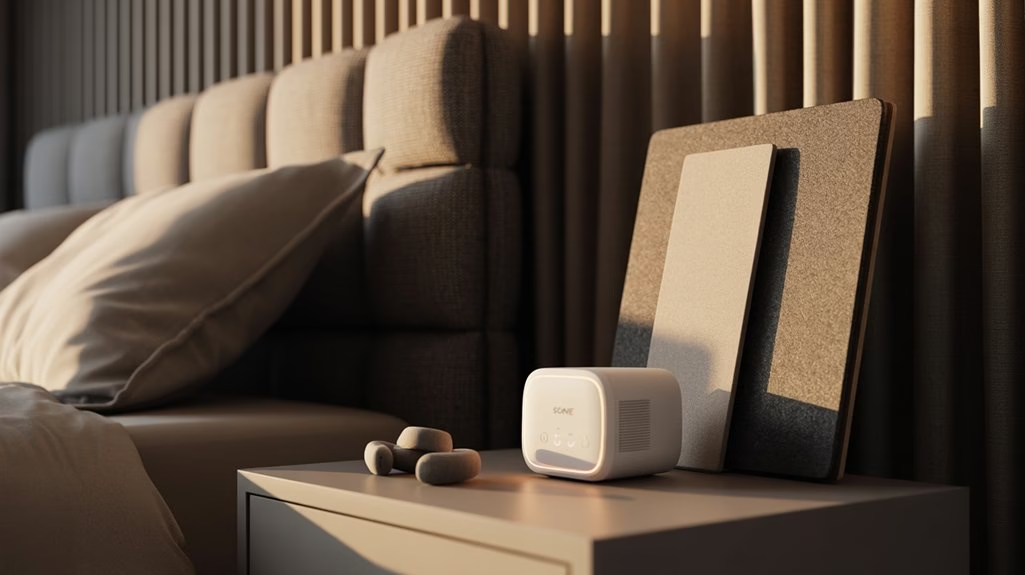
With your noise profile in hand, a sound machine offers a fast, flexible way to tame disruptions. Sound machines can block out noise by masking it with soothing sounds, like a white noise machine or nature tracks, so your brain stops tracking every creak or car door.
They’re portable, affordable, and quick to deploy, and many include adjustable volume and app control, so you can fine-tune settings for your room and preferences.
Still, they’re not magic. Sudden spikes—snoring, heavy footsteps, slamming doors—can cut through. Some people find certain tones distracting, so the fit is personal.
You’ll also add one more device to charge and manage. When they work for you, though, they promote good sleep and can measurably improve sleep quality without major hassle.
Pros and Cons of Soundproofing
Although it takes more planning than turning on a sound machine, soundproofing can deliver a quieter, more consistent sleep environment by cutting outside noise at the source.
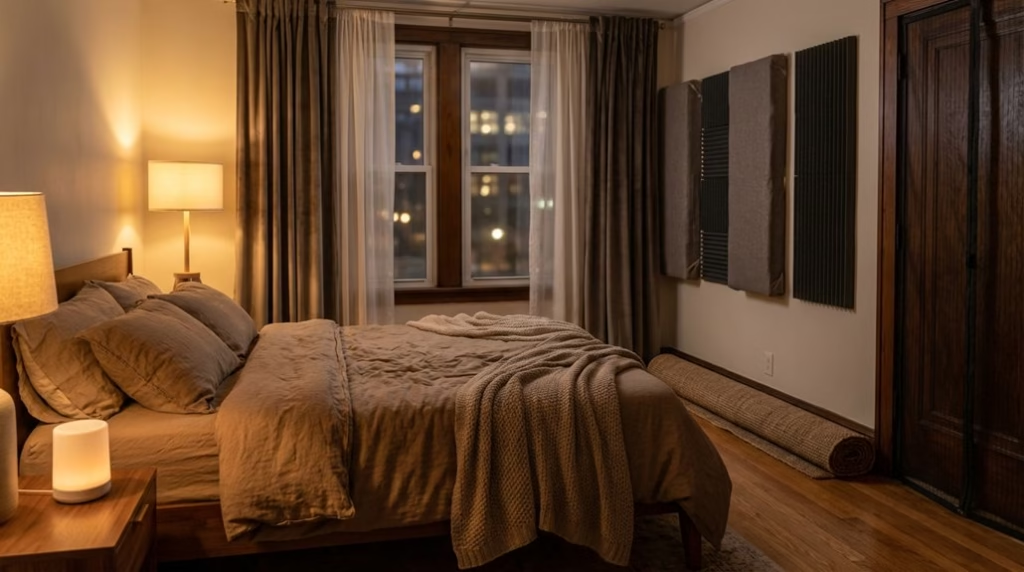
When you reduce the noise source itself—traffic, neighbors, or hallway chatter—you lower environmental noise that disrupts deep sleep stages. In older buildings with thin walls, sealing gaps, adding door sweeps, and hanging heavy curtains can make a meaningful difference and reduce the impact of noise on sleep.
Still, soundproofing has limits. It won’t fully block loud or persistent sounds, and renters may face restrictions on permanent changes.
It’s a good option if you want long-term improvements and control your space, but it demands planning and the right techniques to work well for your bedroom. Consider sealing obvious sound entry points with weather-stripping, door sweeps, and acoustic caulk, and add Mass Loaded Vinyl as a thin, dense barrier to further reduce transmission on a budget.
Cost, Effort, and Time: What to Expect
Soundproofing can create a quieter room, but the price, effort, and time differ sharply from a sound machine. If you’re budget-conscious, sound machines win on cost: expect $20–$100 for immediate noise reduction.
Soundproofing often exceeds $1,000 once you add materials and professional help.
Consider effort and time. You can plug in a sound machine and fine-tune settings in minutes.
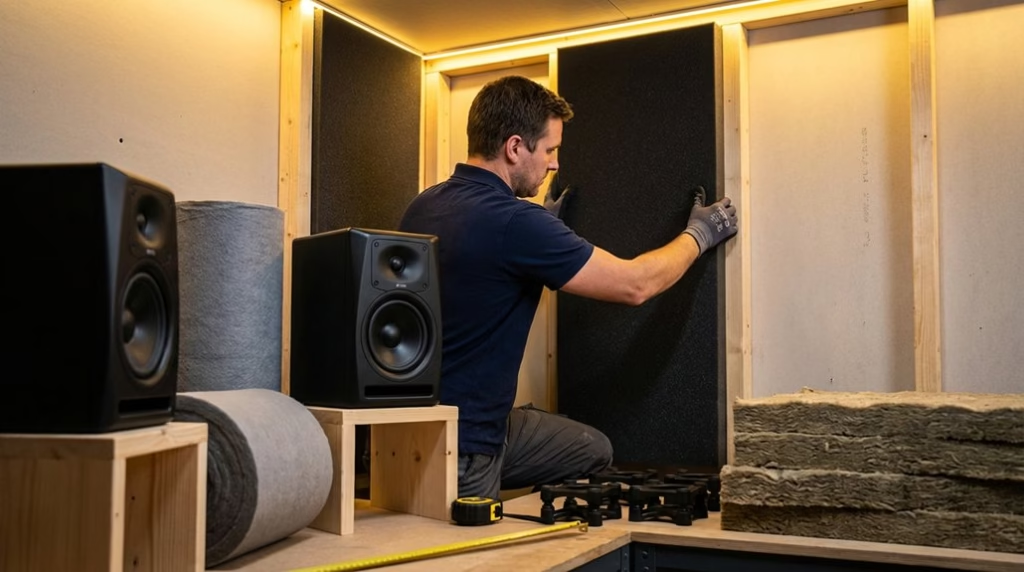
Soundproofing demands research, purchasing, and installation—acoustic panels, seals, or heavy curtains can take hours to days, depending on scope.
You may also face ongoing maintenance or renovation costs, while sound machines rarely need more than occasional replacement.
Think flexibility. Sound machines are portable and adjustable, ideal for renters.
Soundproofing offers longer-term noise reduction, but you’ll invest more up front in cost, effort, and time.
For example, adding mass loaded vinyl between drywall layers can raise STC ratings at a cost of about $1–$3 per square foot.
Health and Sleep Quality Considerations
Even minor nighttime noise can chip away at deep sleep and leave you less restored by morning, so it’s worth tackling sound in your bedroom.
Environmental noise fragments sleep and trims deep sleep; quieter rooms can add roughly 30 minutes of restorative slow-wave sleep. That translates into steadier mood, sharper focus, and healthier blood pressure and metabolism over time.
Sound machines help by delivering steady white noise that masks interruptions, lowers the odds of awakenings, and stabilizes your sleep quality.
If you’re sensitive to tonal changes, the consistent wash can keep you asleep even when traffic or neighbors spike.
Soundproofing reduces the noise at its source—sealing gaps, adding heavy curtains, and damping vibration—so your baseline stays quiet.
Combining approaches protects long-term health and nets more good nights.
For larger projects or new builds, prioritizing decoupling during wall construction—essentially creating a “room within a room”—is the most effective way to prevent noise from bleeding through and disturbing sleep.
Best Use Cases: When Each Option Shines
When your nights are punctuated by unpredictable bursts—sirens, hallway chatter, a snoring partner—a sound machine shines by smoothing spikes with a steady wash that keeps you asleep.
Steady sound softens sudden spikes—sirens, chatter, snores—so you stay asleep through the night.
Use sound machines when noise at night comes and goes; they mask offending noise quickly, require no renovation, and help you sleep better in rentals, travel, or guest rooms. They’re also great when you prefer portability or want a budget-friendly fix.
Choose soundproofing when disturbances are chronic and external—busy streets, bars, thin walls—because physical barriers reduce infiltration at the source.
It’s the better fit for homeowners willing to invest for long-term quiet. If you can’t modify your space, pair a sound machine with earplugs or headphones for immediate relief while you plan any permissible upgrades.
Hybrid Strategies for Quieter Nights
You don’t have to pick sides—pairing a steady sound machine with simple soundproofing tweaks often delivers the quiet you’re after. This hybrid approach reduces nighttime noise two ways: soundproofing blocks what gets in, and sound machines mask whatever remains.
Start by sealing door and window gaps; a few strips of weatherseal cut street sounds, while the machine smooths out strays so you fall asleep faster.
Hang heavy curtains to absorb reflections and tame outside bursts. Add rugs or carpet to soften footsteps and echo, then let white noise cover the edges.
If your noise varies, lower machine volume on calmer nights and rely more on passive barriers. Tailor the mix to your room and patterns—a great solution that’s adaptable, affordable, and effective.
For extra control, add corner bass traps to manage low-frequency buildup that typical curtains and rugs can’t absorb.
Frequently Asked Questions
Is It Better to Sleep in Silence or With a Sound Machine?
It depends on you. If silence lowers noise levels and calms your mind, you’ll likely boost sleep quality.
If unpredictable sounds wake you, a sound machine’s steady shhhhh can mask disruptions and support relaxation techniques.
Weigh personal preferences and environmental factors like traffic or roommates.
Test both for a week, track your sleep routines, and note how rested you feel.
Adjust volume, tone, and timing until your chosen setup consistently improves sleep quality.
Are Sound Machines Good or Bad for Sleep?
They’re generally good for sleep.
You’ll notice sound machine benefits when white noise or calming sounds smooth out disruptions, improving sleep quality and creating a steady sleep environment.
Set volume near 50 decibels so it masks traffic without overwhelming you.
Explore options to match personal preferences, since different frequencies relax different people.
Clean the device regularly and keep ears healthy.
If true silence relaxes you more, skip it—your comfort matters most.
What Type of Noise Is Best to Help You Sleep?
The best noise depends on you. Start with white noise to mask disruptions and steady your sleep environment.
Try pink or brown noise if you prefer warmer, deeper tones. Nature sounds like rain or ocean can relax you and lower stress.
Ambient music with slow tempos and rhythmic sounds can lull you gently. Curious? Test binaural beats at low volumes.
Rotate options for a week each and note which helps you fall—and stay—asleep.
Is It Better to Sleep With Sound or No Sound?
Yes—if you crave silence, it’s often best; if you need steady sound, white noise can help.
As the adage goes, “Different strokes for different folks.” Your personal preferences and acoustic environment drive sleep quality.
Try relaxation techniques first. If silence amplifies thoughts or mild sleep disorders, add white noise. If you’re noise-sensitive, aim for near-quiet.
Test both for a week each, then choose what gives you deeper, easier sleep.
Conclusion
You’re the conductor of your night’s soundtrack. Map your noise profile, weigh cost and effort, and choose the instrument: a sound machine to blur the edges, soundproofing to silence the storm, or both for a rich harmony. Your sleep is a sanctuary—tune it with intention. Start small, test, then build. When the world rattles its tin drums, you’ll draw the curtains on chaos and let darkness hum. Rest, restored, like tides returning to a quiet moon.