
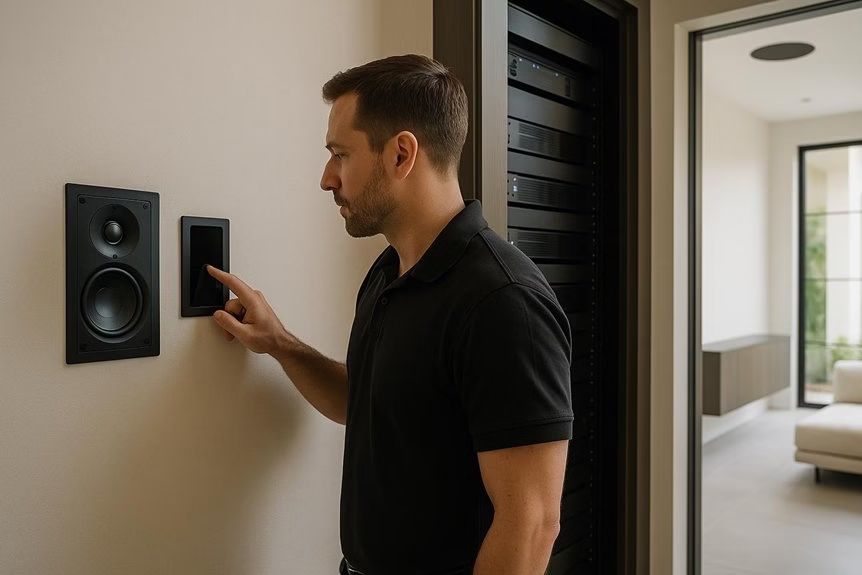
With a custom whole-home audio installation, you can expect a professionally designed system that fits your home’s layout, your listening habits, and your broader smart home goals. Total Home Interiors plans every detail in advance—from audio zones and speaker placement to wiring paths, control methods, rack location, and network performance—so the system is reliable, intuitive, and built for long-term use. Depending on the home, your installation may use wired, wireless, or hybrid distribution, with seamless integration into lighting control, voice assistants, TVs, doorbells, and other home automation features. After installation, each zone is tested and calibrated for clear, consistent performance, giving you simple control and high-quality sound throughout your home without the compromises of a pieced-together DIY setup.
Key Takeaways
- A custom whole-home audio installation begins with a professional design process that maps listening zones, speaker placement, wiring routes, equipment locations, and control preferences before construction or finish work begins.
- Expect your installer to assess room acoustics, how each space is used, and your larger home automation goals so the system performs reliably and integrates cleanly with platforms like Control4, Sonos, Alexa, and Google.
- Wired audio systems typically provide the most dependable long-term performance, while wireless or hybrid solutions can be effective in existing homes when supported by strong network infrastructure and WiFi optimization.
- A well-designed system lets you play music in individual rooms or group multiple zones together, with simple control through mobile apps, in-wall keypads, voice control, or a professionally integrated smart home platform.
- Final installation includes speaker and equipment mounting, system programming, zone-by-zone testing, and calibration to deliver consistent everyday performance throughout the home.
What a Custom Whole-Home Audio Install Includes
A custom whole-home audio installation starts with a detailed planning phase that aligns the system with your home’s layout, lifestyle, and broader home automation goals. Before drywall goes up, your installer maps speaker locations, listening zones, and control options while also reviewing room acoustics, wiring paths, and integration with lighting control, voice assistants, and network infrastructure.
From there, the project moves into prewire and infrastructure planning. Your installer confirms equipment rack placement, cable routing, power requirements, and connections for amplifiers, streamers, in-wall controls, and speakers. A well-designed system can also support distinct audio zones, allowing different rooms to play different music sources at the same time.
This step is especially important in larger homes or multi-level properties, where long wire runs and future access need to be considered early to avoid unnecessary changes later.
During construction, brackets, backboxes, and wiring are roughed in to support a clean, professional finish. Once construction is complete, speakers, zone controls, and the user interface are installed and programmed for easy room-by-room audio control.
Final testing ensures each zone performs as designed, integrates properly with your smart home system, and delivers the seamless convenience expected from a professionally installed whole-house audio solution.
Should You Choose Wired, Wireless, or Hybrid Audio?
Once your installer has mapped your zones, speaker locations, and control points, the next decision is whether your whole-home audio system should be wired, wireless, or a hybrid of both. For most professionally designed Home Automation projects, a wired foundation delivers the best long-term performance, with in-wall or in-ceiling speakers, stronger reliability, and more consistent sound quality.
It does, however, require early planning, proper infrastructure, and expert installation.
In existing homes or apartments where opening walls is less practical, wireless audio can be a smart solution. It offers easier expansion and less disruption, but dependable results still rely on strong network infrastructure and proper WiFi optimization.
That’s why many homeowners in West Orange, NJ and across the Tri-State area choose a hybrid approach: wired where stability matters most, with wireless control and streaming convenience built in. As you compare options, finalize speaker placement early to avoid costly changes later.
In rooms where sound isolation also matters, adding acoustic panels can help reduce echo and improve overall listening clarity.
No matter which path you choose, the goal is the same: seamless multiroom audio, independent listening zones, and intuitive control from the apps and smart home platforms you already use every day.
How Whole-Home Audio Zones Are Planned
Before speakers are installed, your integrator plans the home’s audio zones around how you actually live—kitchen, living room, patio, bedrooms, and baths—so each space can play independently or sync together when needed. This zone layout supports flexible source selection, whether that means music in the family room, news in the kitchen, or a podcast on the patio.
With proper pre-wire planning, speaker locations, keypads, and control points are decided before drywall is finished, helping preserve clean ceiling lines and avoiding unnecessary cuts later.
Your installer also determines control rack placement early—often in a closet, basement, or utility space—so wiring can be organized neatly to a central location for long-term reliability and serviceability.
From there, each zone is matched with the right amplification, streaming hardware, and control platform to support dependable whole-house audio performance. In media spaces that are part of the system, custom acoustic treatments can improve clarity by controlling echoes and low-frequency waves.
As part of a professionally designed home automation system, this approach delivers the convenience, clean aesthetics, and seamless control that DIY setups often miss.
Which Speakers Work Best in Each Room?
Because every room in a home is used differently, the best whole-house audio systems pair the right speaker type with the space, the finishes, and the way people actually listen. In living rooms, media spaces, and other primary listening areas, higher-performance in-ceiling or in-wall speakers deliver better clarity, detail, and imaging—especially when integrated as part of a professionally designed home automation or home theater system.
In smaller pass-through spaces like hallways, bathrooms, or utility areas, simpler architectural speakers often provide the most balanced result, offering even coverage without overpowering the room. In a master bathroom, a stereo-input speaker can be a smart solution for maintaining consistent sound in a compact layout.
Outdoor areas require weather-rated speakers designed for patios, terraces, and porches so performance stays reliable through seasonal changes. Just as important as the speaker itself is the acoustic environment around it.
Rooms with tile, glass, and other reflective surfaces can create echo and reduce speech intelligibility, which is why thoughtful speaker placement and professional acoustic treatment are essential for clean, comfortable sound throughout the home. In more reflective rooms, adding acoustic panels can help reduce echo and reverberation for clearer, more comfortable listening.
How Do You Control Whole-Home Audio?
Great speaker placement is only part of a successful whole-home audio system—the real day-to-day value comes from simple, reliable control.
At Total Home Interiors, most whole-house audio installations are designed around an easy-to-use app on your phone or tablet, allowing you to manage each room or zone independently, from the kitchen and living room to outdoor spaces and bedrooms.
This gives you personalized control over what plays where, fast access to your favorite music services, and easy volume balancing for everything from entertaining guests to relaxing at home.
You can group multiple rooms together for seamless multiroom listening, then separate them again just as quickly.
Many systems also support familiar streaming platforms like Spotify, Apple Music, and TIDAL, making everyday use feel intuitive.
For added convenience, we can also integrate in-wall keypads, voice control, and smart home platforms such as Control4, Alexa, or Google Assistant.
You can also create one-touch presets like a Leaving Home scene that simplifies daily routines by managing multiple connected devices at once.
In professionally designed wired or hybrid systems, properly planned control hardware and network infrastructure help ensure dependable performance every day—something DIY setups often struggle to match.
Which Whole-Home Audio Brands Are Best?
When choosing a whole-home audio brand, the best option depends on how you want audio to function within your larger home automation system. For homeowners in West Orange, Hoboken, Jersey City, and NYC, the decision often comes down to ease of use, sound quality, design integration, and how well the system connects with lighting control, motorized shades, and other smart home features.
Sonos is often a strong fit for families who want simplicity, clean app control, and easy multi-room expansion. Bluesound is a better choice for those who prioritize higher-fidelity listening and hi-resolution audio performance.
For more advanced smart homes, platforms like Control4, Savant, and Crestron offer deeper integration, allowing whole-house audio to work seamlessly alongside lighting scenes, voice control, networking, and automated window treatments.
In many homes, the right solution isn’t just about the brand name—it is about system design, speaker placement, network reliability, and professional integration. Incorporating acoustic zoning can also improve sound clarity and reduce noise transfer between collaborative and quiet areas of the home.
Architectural speaker options such as Sonance also help deliver high-performance audio while preserving the look of the space.
At Total Home Interiors, we help clients throughout the Tri-State area evaluate the right whole-house audio/video distribution strategy based on lifestyle, room layout, and long-term smart home goals.
What Installers Do During a Whole-Home Audio Install
Before any speakers or equipment go in, a professional whole-home audio installer plans the system around how you actually live in the space. That includes mapping out each audio zone, confirming speaker locations, and designing coverage for areas like kitchens, basements, patios, and porches. In preconstruction, this step is critical because in-ceiling layouts, outdoor speaker placement, wiring paths, and control locations all need to be finalized before drywall is installed.
In preconstruction, whole-home audio planning defines zones, speaker placement, and wiring paths before drywall closes everything in.
Next, the installer builds the backbone of your home automation and audio distribution system. They specify the right mix of amplifiers, streaming components, control hardware, and network infrastructure based on the number of zones and the performance you expect. Much like professional soundproofing, expert installation helps reduce errors and supports long-term performance through precise planning and proper material handling.
Equipment is typically organized in a basement or closet rack for long-term serviceability, while wiring is run cleanly with careful cable management. Preconstruction brackets and volume control locations are set before finishes begin.
After drywall and paint, the speakers and equipment are installed, each zone is tested, and the system is calibrated for reliable daily performance. This professional process helps ensure your whole-house audio system looks refined, sounds balanced, and integrates seamlessly with the rest of your smart home.
How to Plan Your Whole-Home Audio Budget
Although it’s tempting to price whole-house audio one room at a time, the smarter approach is to set your budget early and define the full scope from the start. For homeowners in West Orange, Hoboken, Jersey City, and NYC, this is especially important when audio is part of a larger home automation plan that may also include lighting control, motorized window treatments, and WiFi upgrades.
Planning everything together helps avoid costly change orders, uneven performance, and unnecessary ceiling or drywall disruption later.
Start with zone planning: identify each listening area, how it will be used, and the level of performance you expect in each space. Then budget beyond just the speakers.
A professionally designed whole-home audio system should also account for amplification, streaming sources, control systems, network infrastructure, labor, and wiring runs, which can become substantial in larger homes. In media spaces or dedicated listening rooms, budget for acoustic upgrades like solid core doors and insulation to help reduce sound leakage and improve overall performance.
If the system is being installed during construction or renovation, early coordination is critical for a clean, integrated result.
The best next step is to request a detailed proposal from an experienced local integration firm. Total Home Interiors designs whole-house audio and smart home systems that are planned properly before drywall, with attention to performance, aesthetics, and long-term usability.
Finally, leave room in the budget for contingencies such as added zones, upgraded controls, or longer cable runs so the finished system delivers the convenience and sound quality you expect without compromises.
More Than Music: TV, Doorbells, and Announcements
Beyond music, a professionally integrated whole-home audio system can also distribute TV sound, doorbell chimes, and spoken announcements through the speakers you already use throughout your home. That means fuller, more consistent audio for everyday viewing and instant doorbell alerts in the rooms that matter most—so you’re less likely to miss a visitor, even in larger homes or busy spaces. In homes where exterior noise is a concern, acrylic window inserts can complement other sound-control measures by helping block sounds coming in from outside.
As part of a smart home automation system, these features add even more convenience to daily life. You can send reminders, family announcements, or general notifications to specific rooms or across the entire house without shouting from one floor to another. With app-based control, in-wall interfaces, and voice assistant integration through platforms like Control4, Alexa, or Google, communication becomes simple, fast, and hands-free.
For homeowners in West Orange, Hoboken, Jersey City, and across the Tri-State area, professionally designed home automation delivers more than entertainment. It creates a more connected, responsive, and comfortable living environment.
Frequently Asked Questions
What Is the 38 Rule for Speakers?
The 38% rule for speakers means placing your main listening position about 38% of the room’s length from the front wall as a starting point for better bass balance and stereo imaging.
In a dedicated listening room or home theater, this guideline can help reduce the impact of problematic room modes before fine-tuning speaker placement, toe-in, and seating position.
It isn’t a complete acoustic solution, but it’s a useful first step when designing a space for clearer, more accurate sound.
For the best results, professional acoustic treatment and room tuning are often needed to address reflections, resonance, and overall sound quality.
How Long Does It Take to Install a Full Sound System?
A full sound system installation can take anywhere from a few days to several weeks, depending on the scope of the project, equipment availability, and how early planning decisions are finalized.
For homeowners in West Orange, NJ, and across the Tri-State area, the timeline moves fastest when speaker locations, control preferences, and budget are confirmed early—especially if wiring is completed during construction or renovation.
More complex projects, such as whole-house audio, smart home integration, or layout changes after work begins, naturally add time.
At Total Home Interiors, careful planning and professional installation help ensure your system performs beautifully from day one.
What Is the 1/3 Rule for Speaker Placement?
The 1/3 rule is a helpful starting point for home theater and listening room speaker placement: position your main speakers about one-third of the room’s length into the space, then place the primary listening seat near a similar proportion to reduce excessive reflections and bass buildup.
In practice, the ideal layout depends on your room’s dimensions, furnishings, speaker type, and overall acoustic behavior.
At Total Home Interiors, we use placement guidelines like this alongside professional acoustics planning, subwoofer integration, speaker angle optimization, and real-world listening tests to create balanced, immersive sound.
For built-ins or dedicated media spaces, proper wiring, equipment location, and room-specific coverage matter just as much as the rule itself.
Conclusion
A custom whole-home audio installation delivers more than great sound—it creates a home that feels seamless, intuitive, and tailored to your lifestyle. As part of a professionally designed home automation system, the right combination of audio zones, architectural speakers, and easy-to-use controls lets you enjoy music, TV audio, and announcements exactly where and when you want them. For homeowners in West Orange, Hoboken, Jersey City, and across the Tri-State area, professionally integrated whole-house audio offers the performance, reliability, and clean finish that DIY solutions often miss.