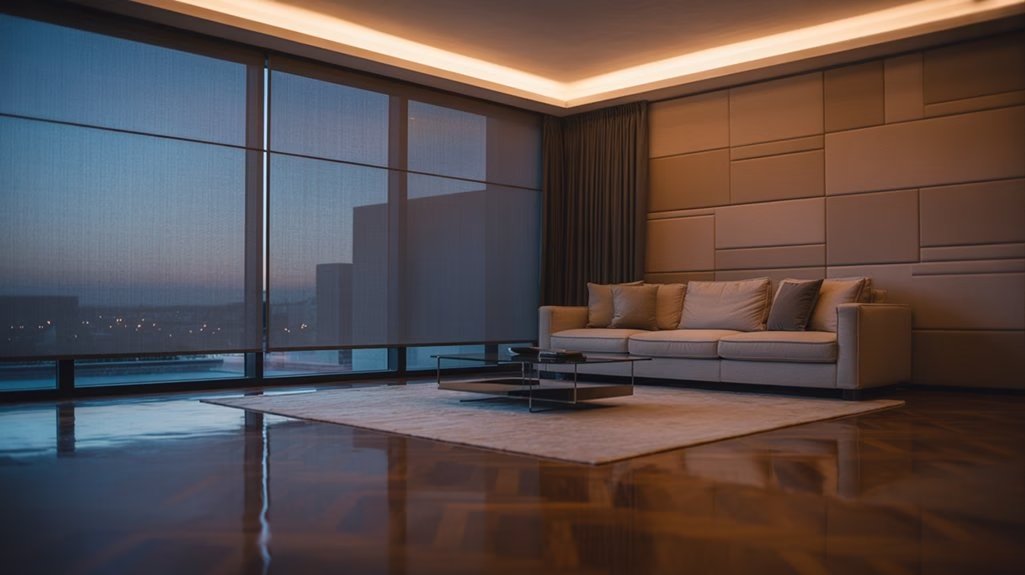
Motorized Window Treatments for Soundproofing: The Smart Solution
Cut outside noise by up to 50% with motorized blackout or cellular shades that seal edges, absorb vibrations, and tighten your home’s acoustic envelope. Choose dense fabrics, multi-layer cellular builds, or drapery with acoustic lining, and add side channels, bottom seals, and weather stripping. Quiet low-voltage or rechargeable motors keep operation hushed, while smart schedules close at peak noise and dusk for energy savings. Coordinate bay windows and sliders for uniform results—there’s more to optimize your setup.
Key Takeaways
- Motorized blackout or cellular shades reduce outside noise by up to 50% with dense, multi-layer materials and tight seals.
- Side channels, bottom seals, and close-to-glass mounting block gaps and flanking paths for measurable soundproofing.
- Pair shades with Mass Loaded Vinyl or heavy drapery layers for superior acoustic performance.
- Quiet low-voltage or rechargeable motors provide silent operation, automation, and enhanced child safety.
- Smart scheduling closes shades at noise-prone times, improving comfort, energy efficiency, and privacy.
How Motorized Shades Reduce Noise
Even before you notice the quiet, motorized shades start working by adding a dense, continuous barrier over your windows that absorbs and dampens sound waves.
Motorized shades create a dense barrier that absorbs and dampens intrusive sound waves instantly
You get measurable noise reduction because blackout shades and other thick window treatments limit vibration and block gaps where ambient noise sneaks in.
Pair them with tight seals and proper installation, and you’ll strengthen the soundproofing envelope around a smart window.
Program schedules so the shades close during rush hour or late-night traffic, keeping noise consistent without lifting a finger.
Research shows thicker treatments can cut transmission by up to 50%, ideal if you live near busy streets.
Cordless operation boosts child safety and eliminates rattling cords or clacking mechanisms, further reducing in-room noise while delivering quiet, reliable performance.
They can also be automated with scene-based operation to coordinate opening and closing with time of day and environmental cues, improving both quiet and energy efficiency.
Best Materials and Constructions for Sound Dampening
Mass and layering do the heavy lifting when you’re chasing quieter rooms. Choose dense materials—blackout vinyl, thick woven fabrics, or lined acoustic curtains—to maximize dampening by absorbing and blocking sound.
Multi-layer builds boost soundproofing; cellular shades trap air in their honeycomb structure, adding insulation that cuts transmission.
For motorized window treatments, pair heavy fabrics with specialized acoustic linings to elevate acoustic performance without adding bulk to the headrail.
Prioritize tight installation: inside mounts with side channels, overlapping returns, and bottom seals close gaps that leak noise. Motorized controls let you fine-tune coverage throughout the day, keeping panels fully closed when traffic peaks.
Match your space: select materials by weight (oz/yd²), verify multilayer constructions, and confirm hardware supports the added mass for reliable motorized operation.
You can further reduce noise by sealing perimeter gaps with weather stripping, a small investment that noticeably decreases sound transmission around windows and doors.
Comparing Shade Types: Roller, Cellular, Roman, and Drapery
Choosing between roller, cellular, Roman, and drapery comes down to how much noise you need to tame, the look you want, and how you’ll motorize them.
Roller shades give you a clean profile and dense fabrics that aid soundproofing while maintaining precise light control.
Cellular shades trap air in honeycomb pockets, delivering standout noise reduction and insulation.
Roman shades bring tailored style; add acoustic lining to boost performance.
Drapery excels when you choose heavy fabrics that form a soft, absorptive barrier.
- Prioritize cellular for maximum noise reduction with minimal bulk.
- Choose roller when you want sleek window treatments that still blunt street noise.
- Pair lined Roman or layered drapery for style-forward soundproofing.
All options can be motorized and integrated into your smart home for quiet, reliable operation.
Power Options That Enhance Quiet Performance
While fabric and form affect acoustics, the motor’s power source often decides how quiet your window treatments feel day to day.
Choose low‑voltage drives with a quiet motor for motorized blinds or motorized roller shades; they hum softly and suit soundproofing applications. A rechargeable battery motor keeps things serene, typically needing a top‑up only once or twice a year and avoiding intrusive wiring that can transmit vibration.
Opt for low‑voltage, quiet motors; rechargeable batteries keep blinds serene and reduce vibration-prone wiring.
If you want fewer service visits, consider solar panel options that trickle‑charge batteries and sustain silent operation for up to three years.
Pair these power choices with premium, noise-reducing materials in shades or drapery to block and damp exterior sound.
Finally, link your treatments to smart home systems to coordinate power status and guarantee consistently quiet performance.
Smart Controls and Automations for a Quieter Home
Even before you touch a switch, smart controls turn motorized shades into a quieting system that works on its own.
You can schedule window treatments to close during rush-hour traffic or weekend nightlife, boosting soundproofing while protecting privacy and light control.
Automation options like sunrise and sunset guarantee consistent noise blocking without constant oversight.
With voice commands and mobile app connectivity, you’ll adjust multiple motorized shades instantly when street noise spikes.
Many fabrics include sound-absorbing layers, so every automated close adds measurable hush.
1) Schedule strategies: Set weekday and weekend profiles for peak-noise windows.
2) Responsive control: Use voice commands for quick closes during sudden disturbances.
3) Whole-home management: Group window treatments in the app to coordinate rooms, improving overall sound insulation and daily comfort.
For even greater noise reduction, pair motorized shades with laminated glass or acoustic inserts so the window assembly blocks more traffic noise.
Installation Tips to Maximize Acoustic Benefits
Because sound sneaks through gaps, start by measuring each window precisely so your motorized treatments fit tight and leave no light lines.
These installation tips matter: choose motorized cellular shades or blackout roller shades for multi-layer insulation and better soundproofing.
Mount motorized window treatments as close to the glass as possible to minimize air cavities that transmit noise.
Seal perimeter cracks with acoustic sealant where the window frame meets trim and wall to block flanking paths.
Use side channels or light-blocking tracks to further tighten the seal.
Check brackets for rigid, rattle-free anchoring.
Add layered soft furnishings—drapery, rugs, and upholstered pieces—to absorb reflections and boost acoustic comfort.
Calibrate limits so the bottom rail seats firmly without binding.
Avoid relying on smart devices here.
For windows facing street noise, consider adding acrylic inserts to complement motorized treatments and further reduce sound transmission.
Integrating With Smart Home Systems and Voice Assistants
With tight-fitting shades in place, you can boost acoustic performance by linking your motorized treatments to smart home platforms. Pair motorized shades with Apple HomeKit, Google Assistant, or Amazon Alexa for voice-activated control that closes gaps quickly when noise spikes.
Choose smart motors using Zigbee or Matter to enable remote access, scheduling, and reliable syncing across rooms for consistent sound dampening.
1) Build personalized scenes in your home automation app—“Quiet Time” can lower all shades, switch fans to low, and mute alerts during naps or recordings.
2) Set time-based routines that preempt traffic or construction noise, automating closures before peak hours.
3) Use multi-room grouping to coordinate bay windows, sliders, and skylights so layers seal simultaneously, reducing flanking paths and keeping your acoustic envelope intact.
Energy Efficiency and Light Control With Soundproofing
Although you’re prioritizing quieter rooms, motorized window treatments also tighten your home’s energy performance and light control.
Cellular shades and motorized blackout rollers add insulation that can cut heating and cooling costs by up to 25%. Pair that with motorized drapery and you’ll boost soundproofing—reducing noise by as much as 50%—while stabilizing indoor temperatures.
Cut energy costs up to 25% and reduce noise by 50% with motorized shades and drapery
Use smart technology to automate schedules: open for daylight and passive warmth, then close at dusk to curb heat loss.
Remote access and scene-based control options let you fine-tune light filtering room by room, optimizing comfort and energy efficiency without lifting a finger.
Cordless, motorized designs enhance child safety and aesthetics, and the tighter fit improves acoustic and thermal performance.
You get quieter spaces, lower bills, and precise light control.
For even greater noise control, combine motorized treatments with Mass Loaded Vinyl on walls or windows to block transmission and target key sound entry points.
Choosing the Right Products for Rooms and Budgets
Ready to match products to real rooms and budgets? Start with window treatments that balance soundproofing, light control, and price. Motorized cellular shades excel at noise reduction thanks to their honeycomb design, with pricing from $260|$208—great for bedrooms or home offices needing quiet and privacy. For tighter budgets, motorized roller shades deliver clean looks, reliable light control, and modest sound dampening from $280|$224. Need flexible control? Motorized wood blinds start at $220|$176 and suit mixed-use spaces. Use sound masking alongside window treatments to further reduce perceived noise and create a calmer atmosphere.
- Bedrooms: Motorized cellular shades with blackout options; add motorized drapery (from $295|$236) for layered soundproofing.
- Living rooms: Motorized wood blinds for tilt control; pair with drapery to tame echo.
- Media rooms: Blackout options like motorized Roman shades from $360|$288 for maximum darkening and noise reduction.
Frequently Asked Questions
How Much Does Serena Smart Shades Cost?
Serena shades pricing starts around $350 for Smart Roller Shades and about $700 for Smart Wood Blinds, varying by size and customization.
For cost comparison, factor the Lutron Caséta hub, installation expenses, and optional upgrades. You’ll get smart shades features, solid energy efficiency, and generally positive customer reviews.
Maintenance requirements are minimal. Warranty options apply, but check coverage.
Expect professional install for best results and occasional promotions that lower overall costs.
What Are the Best Smart Window Treatments?
The best smart window treatments include Lutron Serena and SmartWings.
You’ll get automated blinds with precise light control, strong privacy options, and noticeable noise reduction. They boost energy efficiency by insulating windows and scheduling closures.
With home automation compatibility, you can use remote control or voice to adjust scenes.
Custom, made-to-measure designs enhance fit and design aesthetics while improving performance.
Choose fabrics and opacity levels to balance daylight, silence, and style seamlessly.
What Is the Best Window Treatment to Block Noise?
The best window treatment to block noise is dual layer shades paired with acoustic curtains.
Picture your street-facing bedroom: you add soundproof blinds (cellular) plus dense drapery and the traffic hum drops noticeably.
Focus on fabric density, blackout liners, and tight window insulation. Use exterior barriers if feasible.
Key installation tips: cover the entire frame, overlap edges, minimize gaps, and motorize for a tight seal.
You’ll maximize noise reduction without remodeling.
What Are Smart Window Coverings?
Smart window coverings are motorized smart blinds and automated shades you control by remote control, voice, or schedule.
You’ll boost energy efficiency, add noise reduction, and enjoy privacy features without manual cords. They integrate with home automation platforms for scenes and routines, and they offer versatile design options, from light-filtering to blackout fabrics.
You can automate sunrise wake-ups, shield furnishings from UV, and cut heating and cooling costs while keeping rooms comfortable.
Conclusion
You’ve seen how motorized shades hush the chaos, turning rooms into calm, controlled cocoons. Choose dense fabrics, tight seals, and quiet motors, and you’ll hear the difference—like rain fading on a tin roof. Pair smart sensors and scenes to let silence run on autopilot. Install thoughtfully, match materials to each space, and stretch your budget where it matters. Do that, and your home won’t just block noise—it’ll breathe tranquility, a dimmer switch for sound and light.