In older homes, effective window soundproofing starts with sealing air leaks, since noise travels through small frame gaps just as easily as it comes through outdated single-pane glass. Professional perimeter caulk repair and properly compressed weather stripping are often the first step toward meaningful improvement. If outside noise remains a problem, custom interior window inserts or upgraded double- or triple-pane assemblies typically deliver far better results than DIY fixes like curtains, blankets, foam, or window film. For homeowners in West Orange, NJ, and across the Tri-State area dealing with street noise, neighbor noise, or poor sleep, Total Home Interiors designs tailored soundproofing solutions that match the window, the home, and the level of noise control needed.
Key Takeaways
- Older windows in city homes often let in noise through thin single-pane glass, loose or rattling components, and small frame gaps that allow airborne sound to pass indoors.
- The first step is sealing leaks along the top, bottom, and sides, because even minor perimeter openings can significantly weaken overall sound control.
- Weather stripping only helps when it creates a continuous compression seal around the full window perimeter; partial contact will not deliver meaningful noise reduction.
- For many older homes and apartments, a tightly fitted interior acoustic window insert is one of the most effective noninvasive upgrades for reducing street and neighborhood noise.
- Curtains, blankets, foam panels, and shrink film may help with drafts or room echo, but they rarely provide the level of sound isolation needed for serious exterior noise problems.
- When outside noise is persistent, professional soundproofing guidance is often the difference between temporary DIY improvements and a solution that delivers lasting quiet, comfort, and privacy.
Why Old Windows Are Hard to Soundproof
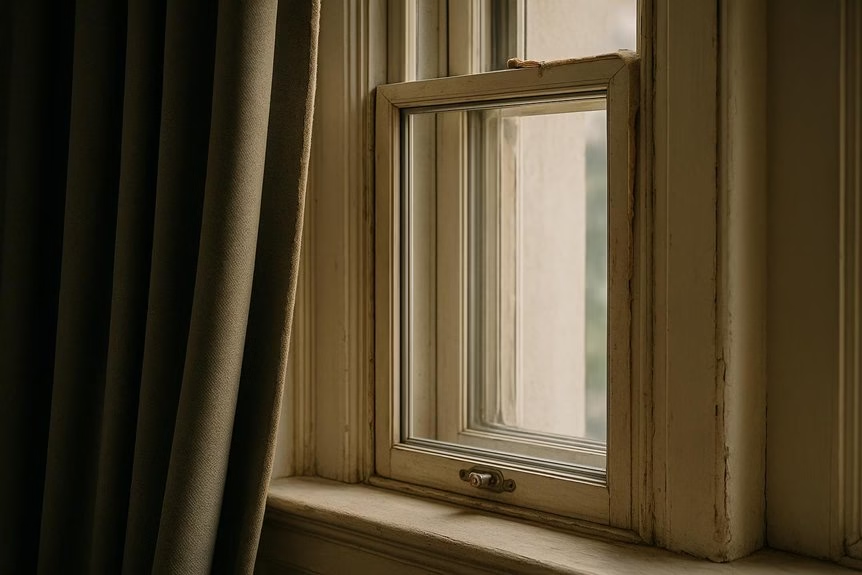
Although old windows may look substantial, they’re among the hardest parts of a home to truly soundproof. Noise doesn’t just pass through the glass—it also slips through the small air paths around aging frames, trim, and hardware. In older homes, that usually means dealing with several problems at once: thin single-pane glass with very little mass, frame gap leakage, vibration through the window assembly, and rattling components that worsen with traffic or bass-heavy sound.
That’s also why DIY fixes rarely solve the problem for long. Basic caulk, insulation film, curtains, blankets, and stick-on foam may help reduce drafts or soften sound inside the room, but they don’t create the sealed, high-mass barrier needed to significantly reduce outside noise. As the home shifts and materials age, tiny openings can return and so can the sound. For older single-pane windows, acoustic inserts can provide a renter-friendly way to create a tighter air seal and reduce a meaningful portion of outside traffic noise.
At Total Home Interiors, we approach old window noise as part of a larger soundproofing system—not just one visible weak spot. For homeowners in West Orange, Hoboken, Jersey City, and across the Tri-State area, professional soundproofing strategies are often the most effective way to reduce street noise, improve sleep, and create a quieter, more private home.
Seal Window Gaps Before Anything Else
Before investing in window inserts, secondary panels, or heavier window treatments, start with the window perimeter. Air leaks at the top, bottom, and both sides of the frame often allow both noise and drafts to pass through, and in many older homes and apartments, these small openings are a major source of sound leakage even when the window itself appears solid.
Before adding inserts or treatments, seal the window perimeter first—small frame leaks often let in more noise than expected.
Inspect the casing carefully and address any cracked or failing frame caulking first. Basic acoustic sealants may not hold up well over time as a home naturally shifts, materials expand and contract, and small gaps reopen. In many cases, improving the perimeter seal also supports better overall sound control standards by reducing one of the most direct paths for airborne noise, much like other barrier systems used in shared walls and floors.
This is one reason curtains, blankets, and other DIY fixes rarely deliver meaningful soundproofing results—they may soften a room visually, but they don’t create a true perimeter seal.
Clear shrink-film kits can help reduce drafts, but if any edge remains unsealed, outside noise can still enter.
For homeowners dealing with traffic noise, neighbor noise, or poor sleep, proper gap sealing is the first step in a more effective soundproofing strategy.
At Total Home Interiors, we evaluate the full window assembly to determine where sound is entering before recommending higher-performance solutions designed for lasting results.
Add Weather Stripping to Cut Noise
If outside noise still gets through after basic gap sealing, weather stripping around the window casing can help reduce the small openings at the sides, top, and bottom where sound and drafts often enter. The key is sealing the full perimeter where the window assembly meets the frame—not just the sash or glass.
For better noise control, the weather stripping must create a true compression seal when the window closes. If it only makes light contact, sound will continue leaking through the remaining gaps. Choosing the right width and density is important, especially around older or slightly uneven window casings.
While this can improve performance, persistent street or neighbor noise often points to larger sound transmission issues that weather stripping alone won’t solve. In New Jersey, observing quiet hours can also help reduce the risk of residential noise complaints, especially during late evening and nighttime periods. Total Home Interiors designs professional soundproofing solutions throughout West Orange, NJ and the Tri-State area, combining precise perimeter sealing with advanced materials and construction methods for more meaningful noise reduction.
Build a Window Insert That Seals Tight
For homeowners dealing with street noise, neighbor noise, or poor sleep, a tightly fitted interior window insert can improve sound control more effectively than simply hanging material over the glass. The reason is simple: even small perimeter leaks can let in a surprising amount of sound, so proper acoustic gap sealing matters just as much as the material itself.
A tightly fitted window insert controls noise better because even tiny perimeter gaps can undermine the whole sound seal.
A well-built insert should fit snugly inside the window casing, include dense sound-absorbing or sound-blocking materials, and seal the opening from the interior side. When designed correctly, inserts can add mass and reduce sound transfer through the window area. For higher-performance applications, mass-loaded assemblies may help improve blocking. Using acrylic inserts can further reduce window-conducted sound because the material flexes and absorbs sound energy better than glass.
- Measure the window casing carefully so the insert fits tightly within the opening.
- Build a solid frame and use appropriate insulation and surface materials to add resistance and control sound leakage.
- Install the insert so it seals the opening itself, rather than sitting loosely in front of it.
- Use a decibel meter before and after installation to verify the actual dB reduction.
That final test helps confirm whether the seal is performing as intended.
For the best results—especially in apartments, condos, and urban homes in West Orange, Hoboken, Jersey City, and NYC—professional soundproofing is often the difference between a slight improvement and a truly quieter room. Total Home Interiors designs custom window soundproofing solutions that address both acoustic performance and interior aesthetics.
Should You Buy or DIY a Window Insert?
When deciding whether to buy or DIY a window insert, start with your goal, budget, and tolerance for trial and error.
DIY inserts can seem cost-effective, but window noise control depends heavily on precise measurements, airtight sealing, and the right material selection.
Even small gaps can reduce performance, which is why many homeowners find that a homemade solution delivers inconsistent results.
For stronger, more reliable sound reduction, professionally designed window soundproofing is often the better investment—especially in apartments, condos, and homes dealing with street noise, traffic, or loud neighbors.
Professional installation also offers warranty coverage, which DIY projects typically lack if problems arise later.
At Total Home Interiors, we focus on customized soundproofing solutions that go beyond basic inserts, helping clients in West Orange, Hoboken, Jersey City, and NYC create quieter, more comfortable interiors with expert installation and premium materials.
If you’re exploring ways to reduce window noise, the best path is usually the one that delivers lasting results—not more guesswork.
Why Curtains and Blankets Usually Fail
Many homeowners try curtains or moving blankets next, but these options usually fall short because they don’t create a true airtight seal around the window. Sound continues to enter through small gaps at the sides, top, and sill, so outside noise still finds its way indoors.
- Fabric absorbs more than it blocks — even thick, multi-layer curtains can reduce echo inside the room, but they usually do little to stop traffic, barking dogs, or neighborhood noise from passing through the window assembly.
- Incomplete coverage reduces performance — if the material doesn’t extend well beyond the window frame, sound can continue leaking around the perimeter.
- Loose installation leaves critical gaps — draped or hung materials almost always leave airspace and unsealed edges, which limits any meaningful noise reduction.
- Professionally sealed systems perform better — to significantly reduce window-related noise, the cover must be attached directly to the frame and sealed tightly around the perimeter.
This is because effective sound control depends on blocking airborne sound and eliminating leakage paths, not just adding soft materials like acoustic panels.
In most cases, a curtain or blanket is only a cosmetic improvement, not a true soundproofing solution. If your goal is noticeable noise reduction, better sleep, or a quieter work-from-home environment, professionally designed window soundproofing systems from Total Home Interiors deliver far more effective results than DIY fabric treatments.
What Not to Use on Noisy Windows
Before you spend money on quick fixes, it helps to know what not to use on noisy windows. Standard acoustic caulk isn’t a lasting soundproofing solution on its own.
In many older Tri-State homes and apartments, natural movement can cause caulk to dry, separate, or crack over time, allowing sound to leak back through even the smallest gaps.
Acoustic foam panels are another common mistake. While they can improve room acoustics by reducing echo inside a space, they don’t block meaningful street or neighbor noise from entering through windows.
Clear window insulation film also tends to be oversold for noise problems. It may help with drafts and energy efficiency, but because it’s thin and typically leaves air space, it does little for serious sound control.
Cheap acoustic curtains and hanging blankets usually fall short as well. Unless they’re part of a properly designed window treatment strategy that seals tightly around the casing, any opening along the top, sides, or bottom will significantly reduce performance. Pairing window inserts with heavy curtains is generally far more effective than relying on curtains alone for exterior noise reduction.
For homeowners in West Orange, Hoboken, Jersey City, and NYC dealing with persistent exterior noise, lasting results typically require a professionally designed soundproofing approach rather than DIY materials that only address symptoms.
Replace Old Windows With Triple-Pane Glass
When outside noise keeps pushing through aging single-pane windows, upgrading to professionally installed double- or triple-pane glass is often one of the most effective ways to create a quieter interior. For homeowners dealing with traffic, barking dogs, or late-night street noise in places like NYC, Hoboken, and Jersey City, triple-pane windows can significantly reduce sound transfer compared with outdated single-pane glass.
- Multiple layers of glass and insulated airspace help block more exterior noise than older window assemblies.
- Heavier, better-designed glazing can be a strong next step when basic sealing attempts haven’t delivered meaningful relief.
- Triple-pane replacements are an investment, but they can provide a more permanent and attractive solution than temporary inserts or plugs.
- Reviewing acoustic glazing options with a professional installer is the best way to match window performance to your specific noise problem.
If you’re exhausted by constant outside noise, Total Home Interiors helps design window soundproofing solutions that support a quieter, more comfortable home environment with lasting results. Pairing upgraded windows with interior treatments that have a high NRC rating can further help reduce sound reflections and improve overall acoustic comfort indoors.
Frequently Asked Questions
How Much Does Window Soundproofing Typically Cost in Older Homes?
In older homes, window soundproofing typically ranges from about $100 to $1,500 per window, depending on the condition of the existing windows and the level of noise reduction you need.
Lower-cost options like professional caulking and weatherstripping can help reduce drafts and minor outside noise, while higher-performance solutions such as custom window inserts or upgraded acoustic glass deliver more noticeable results for street and neighbor noise.
In many older Tri-State homes, professional evaluation is especially important, since gaps, aging frames, and original construction details often affect both performance and cost.
Can Soundproofing Windows Help With Energy Efficiency Too?
Yes—professionally soundproofed windows can often improve energy efficiency as well. Upgrades such as secondary glazing, acoustic window inserts, and tighter sealing help reduce air leakage and slow heat transfer, making indoor temperatures more consistent throughout the year.
That means a quieter home, improved comfort, and potentially lower heating and cooling costs over time.
For homeowners in West Orange, Hoboken, Jersey City, and NYC dealing with street noise or drafty windows, Total Home Interiors designs window solutions that balance acoustic performance, privacy, and energy efficiency.
Will Soundproofing Methods Affect Window Operation or Emergency Egress?
Yes—some soundproofing methods can affect how a window operates and whether it still meets emergency egress requirements.
At Total Home Interiors, we always evaluate these limits before recommending any window soundproofing solution.
Heavy window inserts, sealed secondary panels, or added components can interfere with quick operation, reduce accessibility, or create an egress issue if the window can’t be opened fast in an emergency.
The right approach is a professionally selected, removable, code-conscious solution that improves noise control without compromising safety.
Every treated window should remain easy to access, open, and exit when needed.
How Do I Measure Noise Reduction After Soundproofing a Window?
To measure noise reduction after soundproofing a window, record the room’s sound levels before and after installation under the same conditions. Use a sound level meter for the most reliable results, though a quality phone app can work for a basic comparison.
Take readings at consistent times, with the same window position, room layout, and typical outdoor noise conditions, then compare average and peak decibel levels.
For a more accurate assessment, include both indoor and outdoor measurements to see how much sound is actually being blocked.
While this can give you a useful snapshot, professionally conducted field testing provides the clearest picture of real-world window soundproofing performance—especially in urban homes throughout West Orange, Hoboken, Jersey City, and NYC where traffic and neighbor noise can vary significantly.
Are There Soundproofing Options Suitable for Historic Preservation Requirements?
Yes—there are soundproofing options that can align with historic preservation requirements when they’re carefully selected and professionally planned.
In many cases, secondary glazing is one of the most preservation-friendly solutions because it improves noise control without replacing or visibly altering the original window sash.
Discreet acoustic sealants may also be appropriate in select gaps where local guidelines permit.
The key is to avoid irreversible changes or modern modifications that compromise the building’s original character.
For historic homes and landmark properties in places like NYC, Hoboken, and Jersey City, approvals often matter as much as performance.
That’s why it’s important to review local preservation standards before work begins and choose solutions that balance quieter interiors with architectural integrity.
At Total Home Interiors, we focus on soundproofing strategies that respect both the structure and the experience of living in it—helping homeowners reduce outside noise while preserving the details that make a historic property unique.
Conclusion
When soundproofing windows in an older home, the most effective first step is addressing the obvious weak points: sealing air gaps, replacing worn weather stripping, and adding a properly fitted window insert that creates a true barrier against outside noise. Quick DIY fixes like curtains, blankets, or foam panels may soften a room slightly, but they do little to stop sound transfer because they don’t form an airtight seal. If traffic or street noise is still a problem, upgrading to high-performance replacement windows can help—but lasting results often depend on the full window assembly and professional installation, not just the glass itself. For homeowners in West Orange, Hoboken, Jersey City, and NYC dealing with constant exterior noise, the right soundproofing approach can make a dramatic difference in comfort, sleep, and everyday privacy.